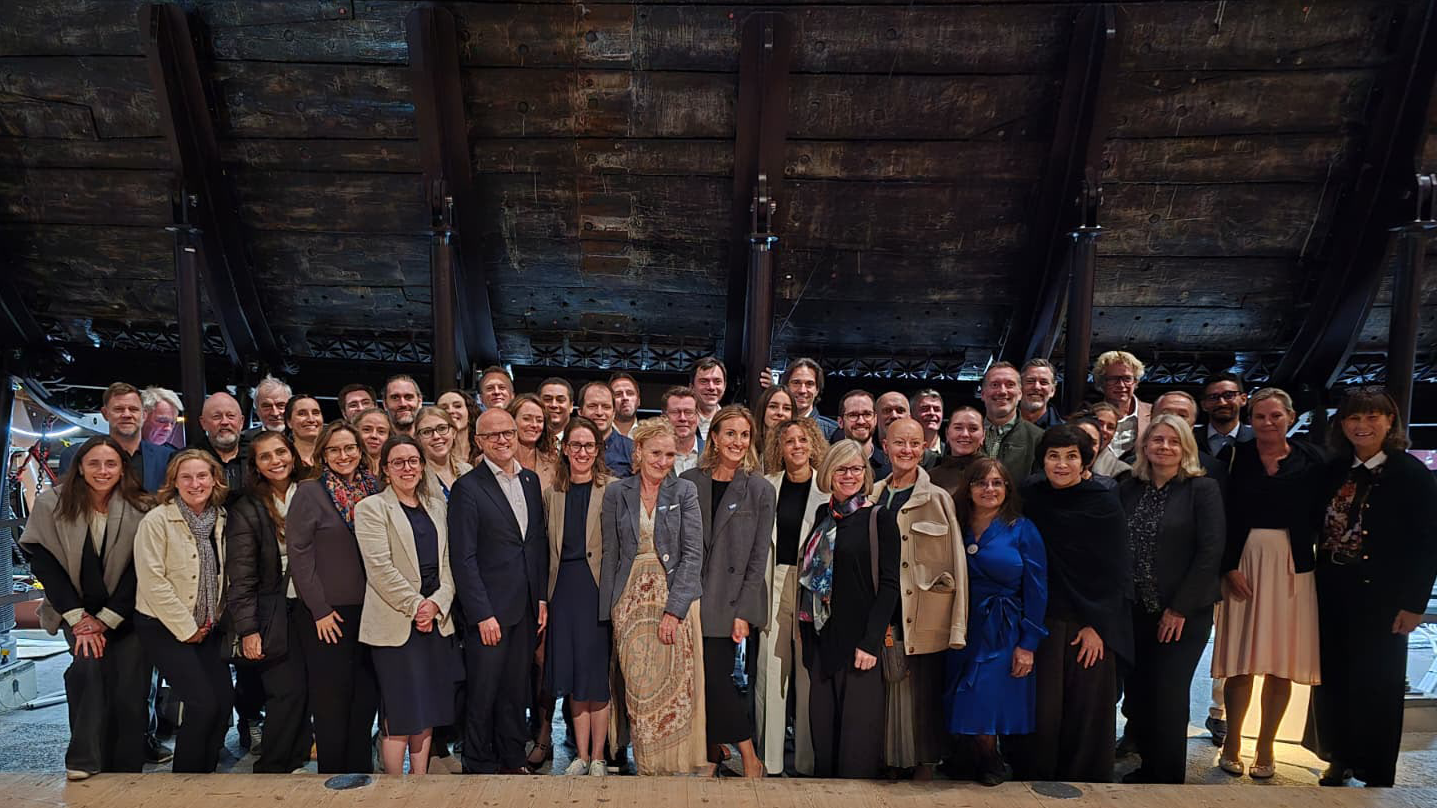
With the end of the school year drawing near, our students prepared for the final phase of our B.A.M. and J.A.M.I.N. programs. They had been involved in a long-term experiment spanning eight months, which included hands-on work, data collection, and nurturing mangrove propagules.
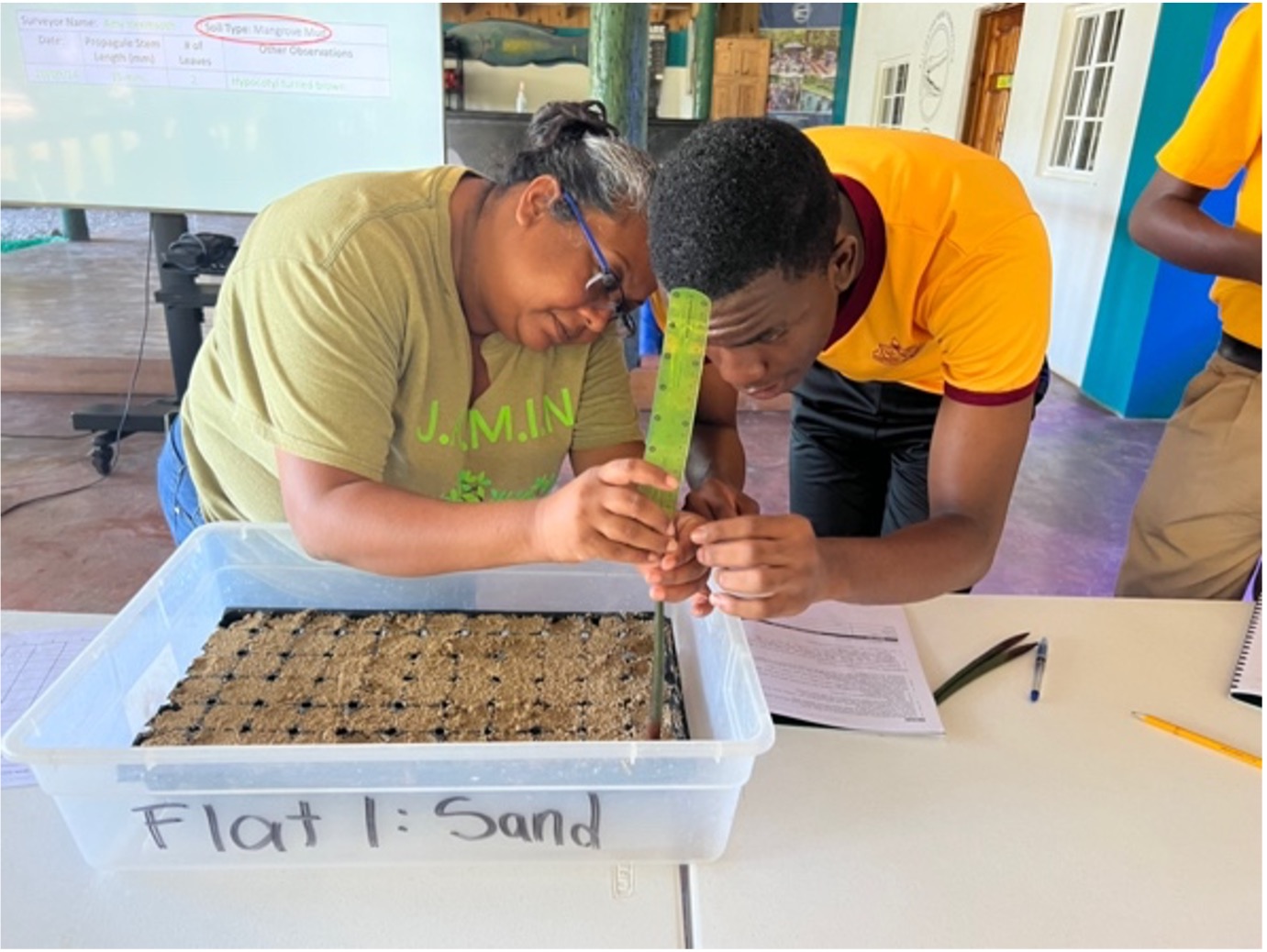
For the experiment, our students took on the role of observers and recorders, tracking the growth of mangrove seedlings in different soil types—mangrove mud, sand, and pebbles. They were not just passive participants; they formulated hypotheses, collected data, and graphed results to uncover which soil type truly fostered the best growth.
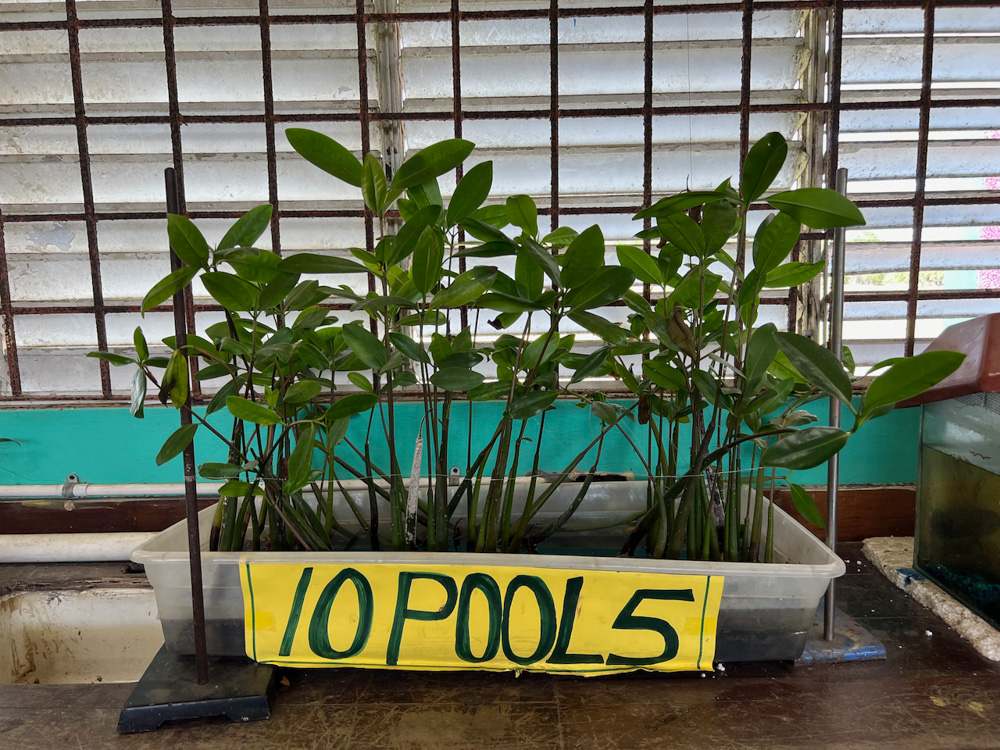
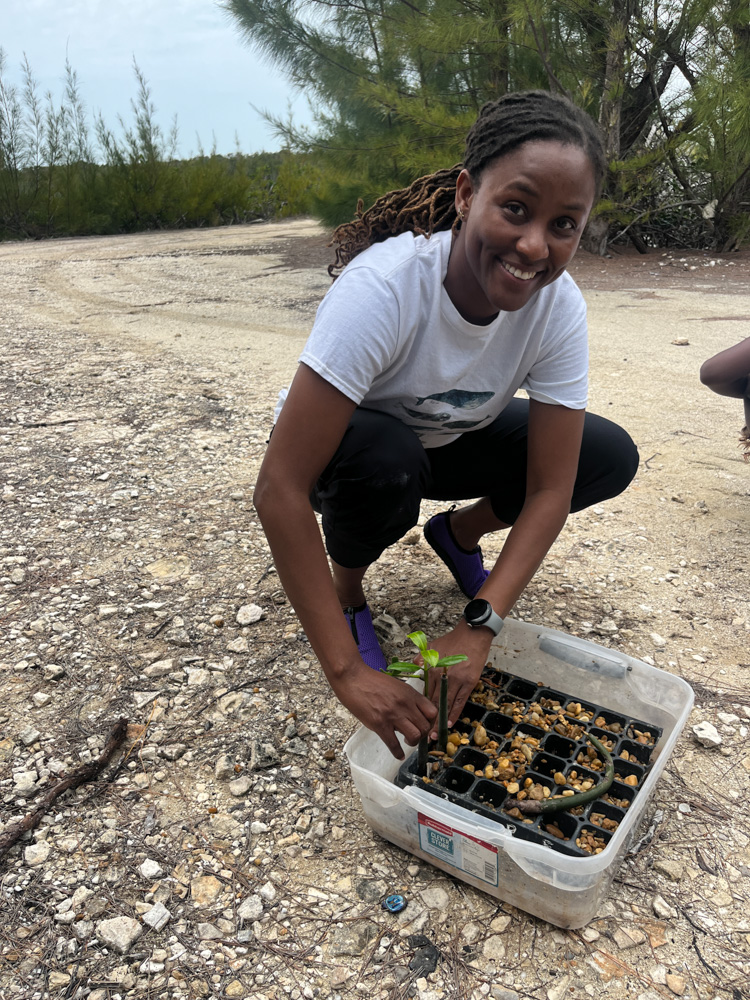
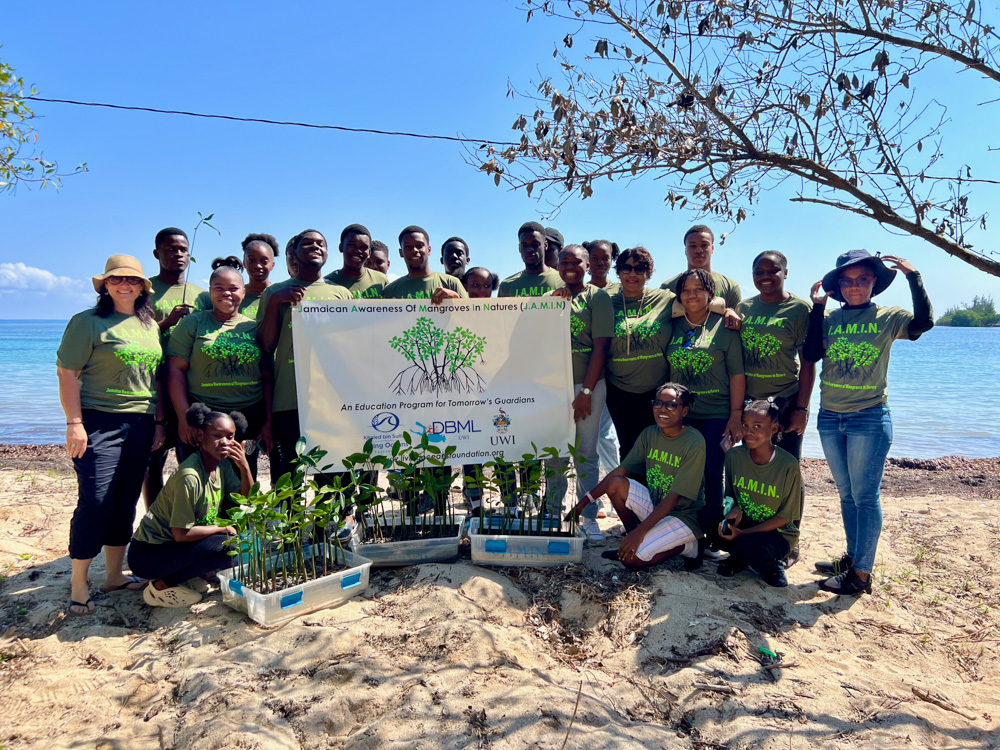
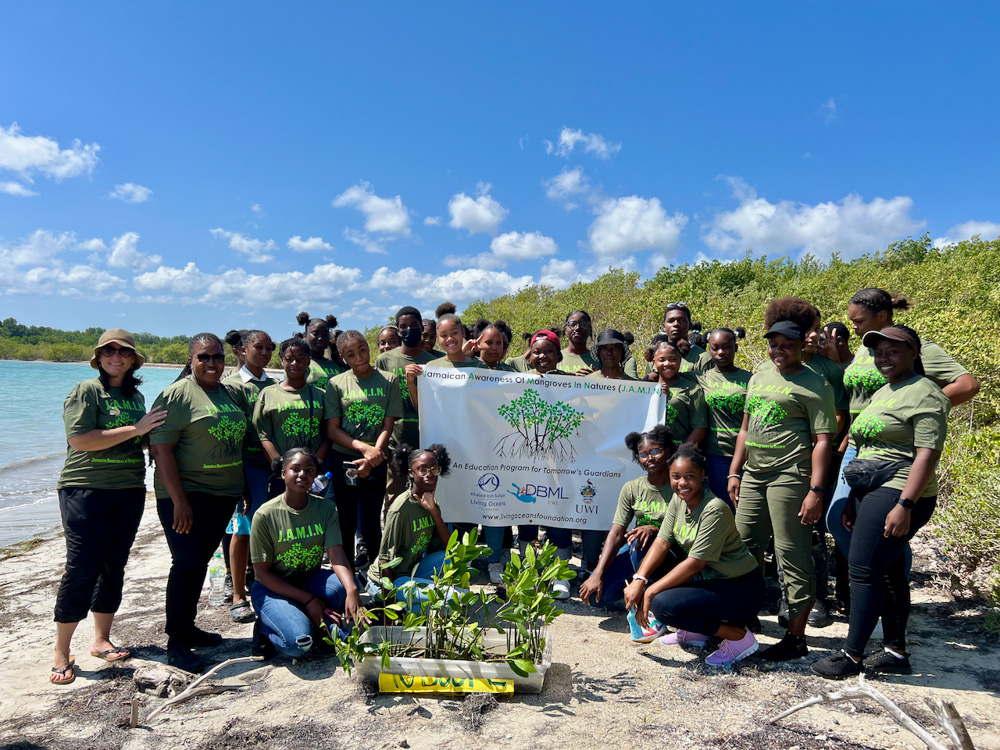
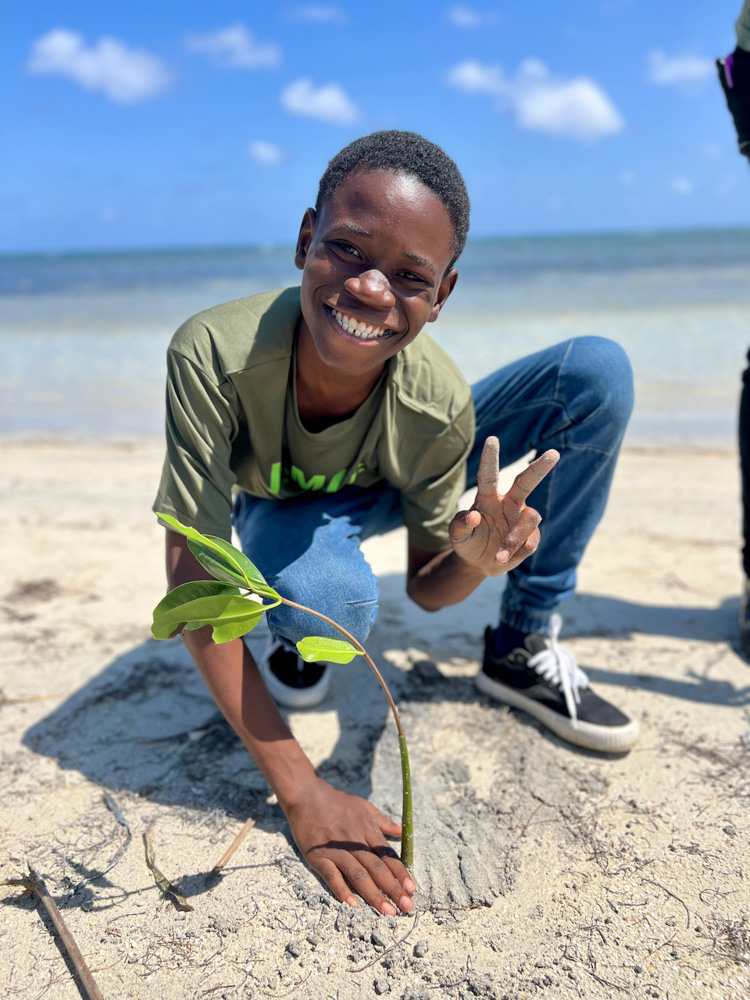
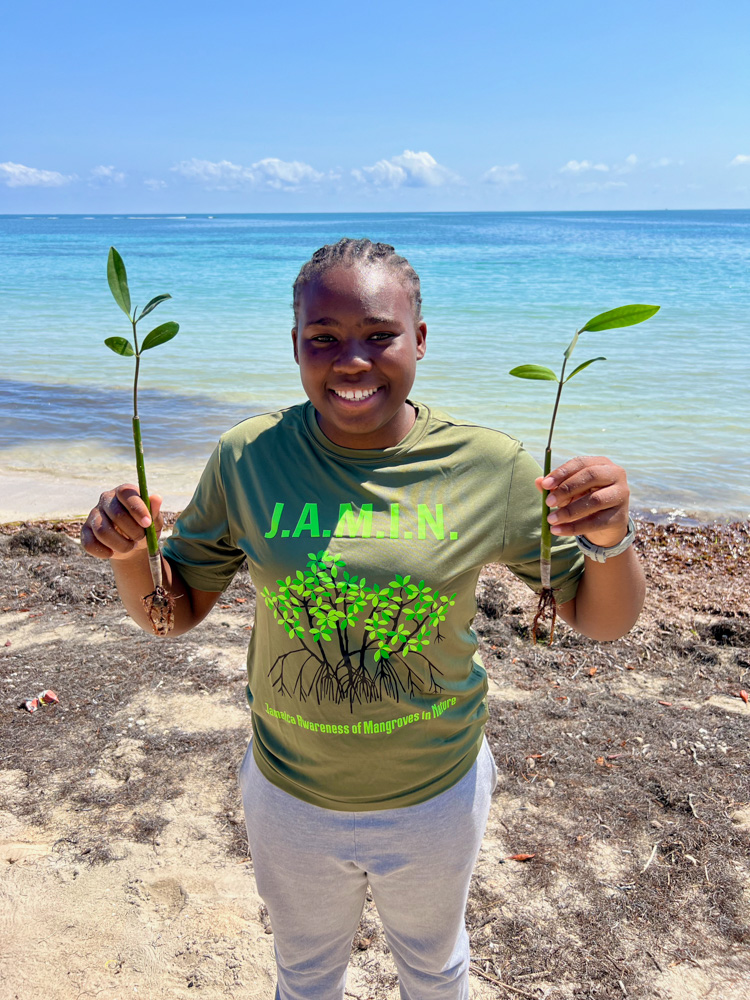
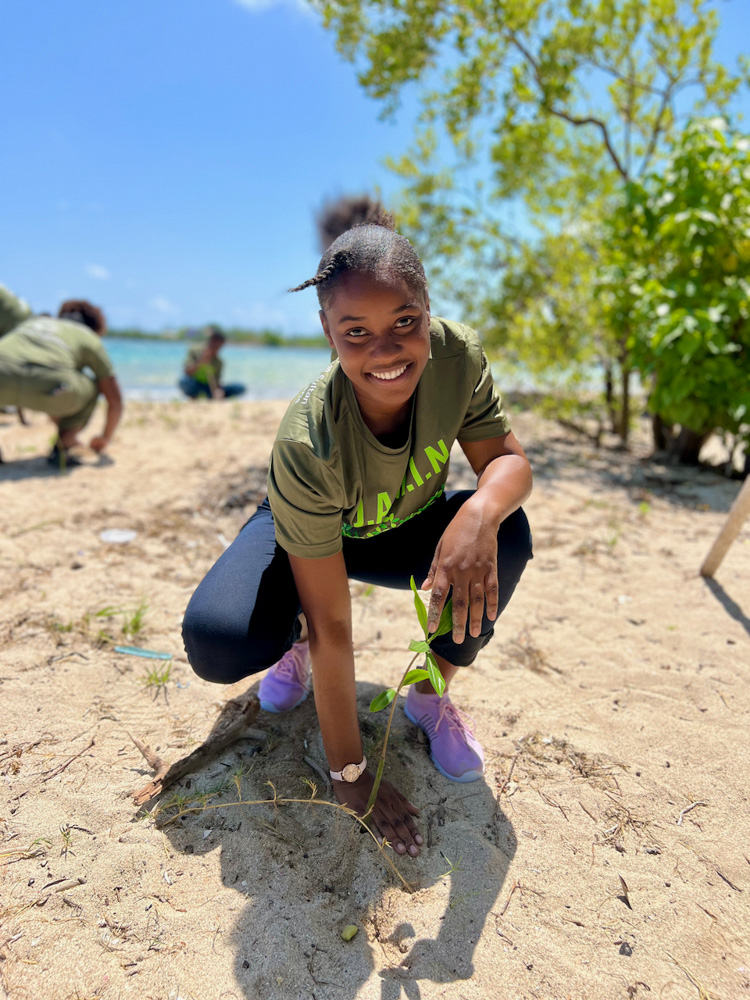
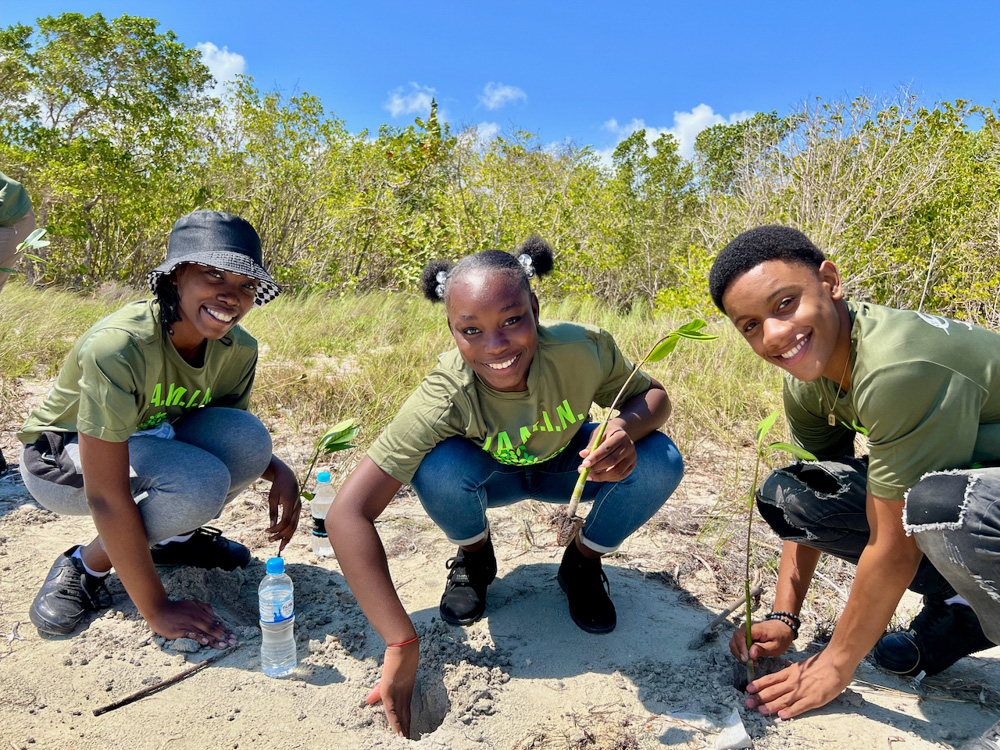
Equipped with newfound knowledge, our students didn’t stop at data analysis. They ventured into their local mangrove ecosystems to plant the seedlings they had nurtured all year. This was not just a planting activity; it was a celebration of growth, resilience, and the students’ significant contribution to the restoration of vital mangrove forests. These young environmentalists were not just learning but making a tangible difference, one seedling at a time.
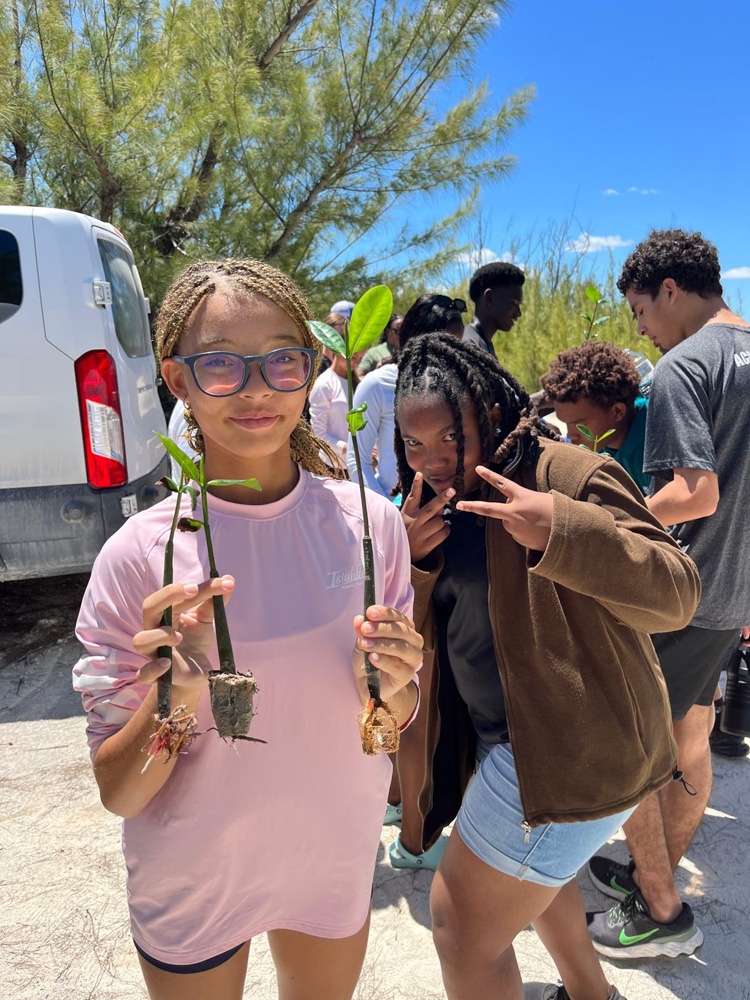
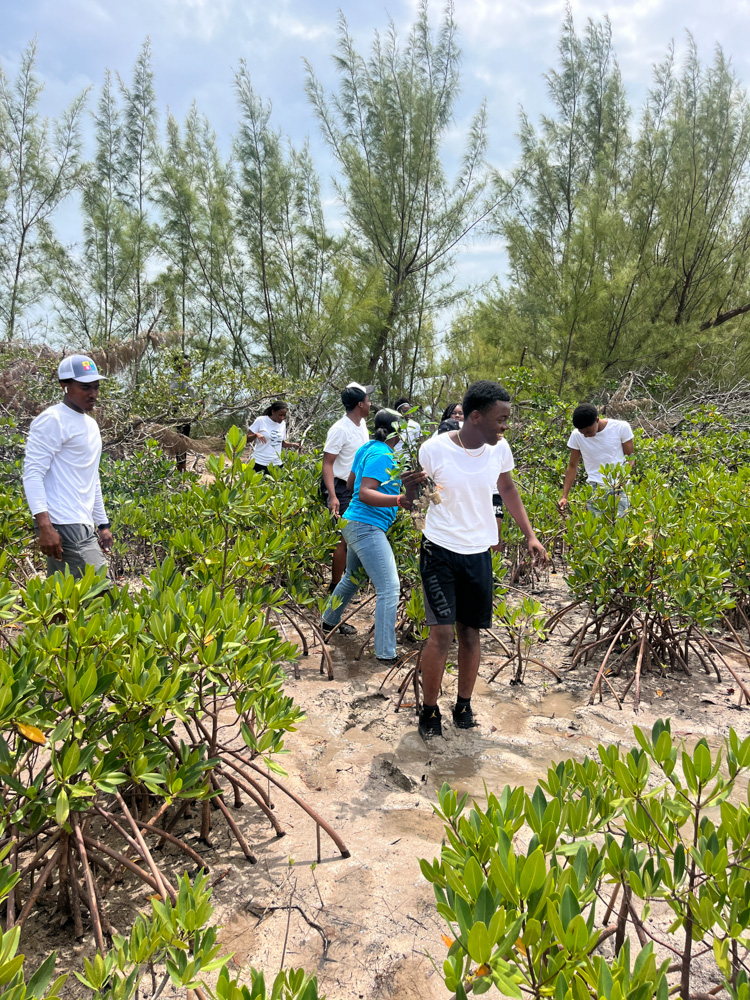

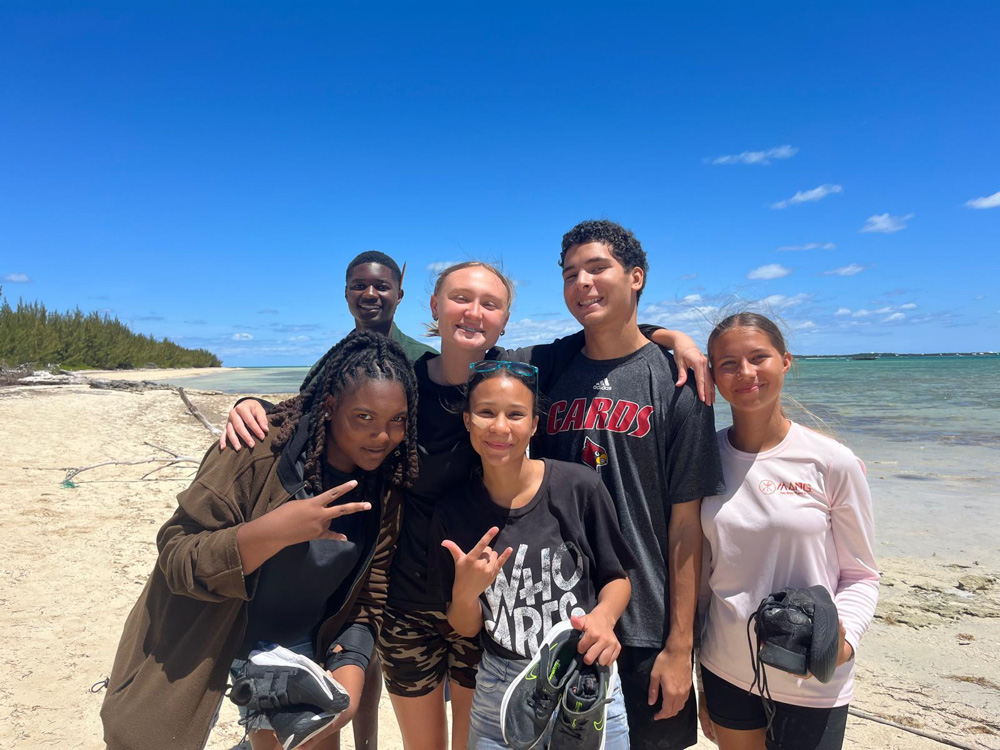
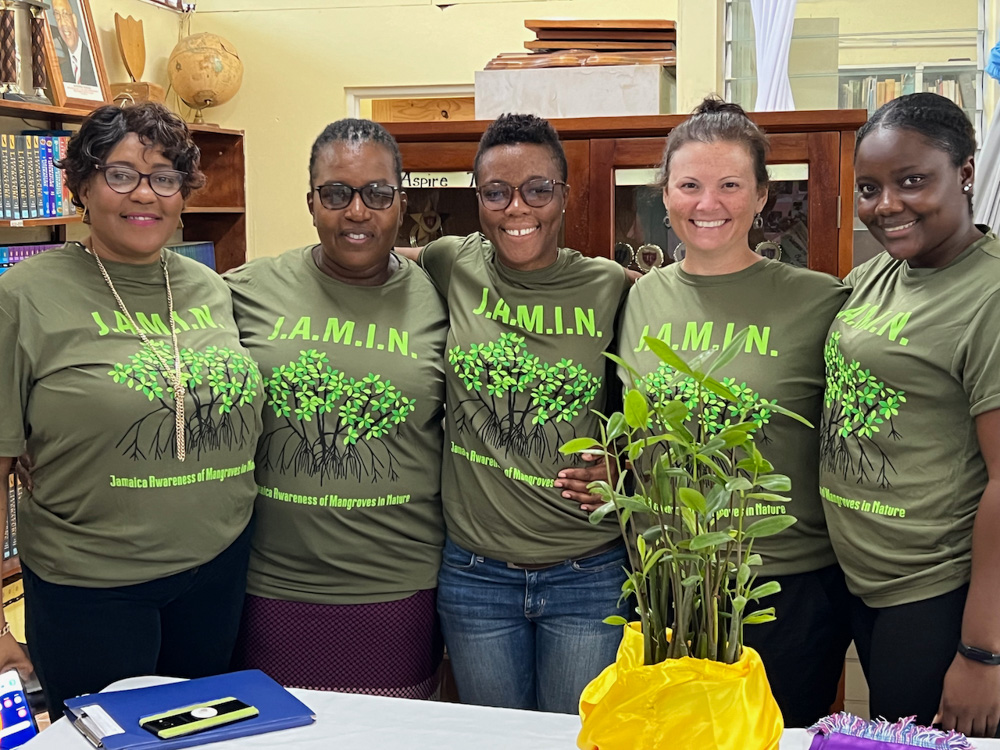
Looking back, it had been a remarkable year. The J.A.M.I.N. and B.A.M. programs brought students and teachers together in a unique blend of education and conservation. Through our partnerships with the Alligator Head Foundation and the University of the West Indies Discovery Bay Marine Lab in Jamaica, and Friends of the Environment in The Bahamas, we integrated a mangrove curriculum that met educational standards while fostering a deep conservation ethic. Our goals were ambitious: to educate, engage, and empower students to become stewards of their natural resources. And we achieved just that.
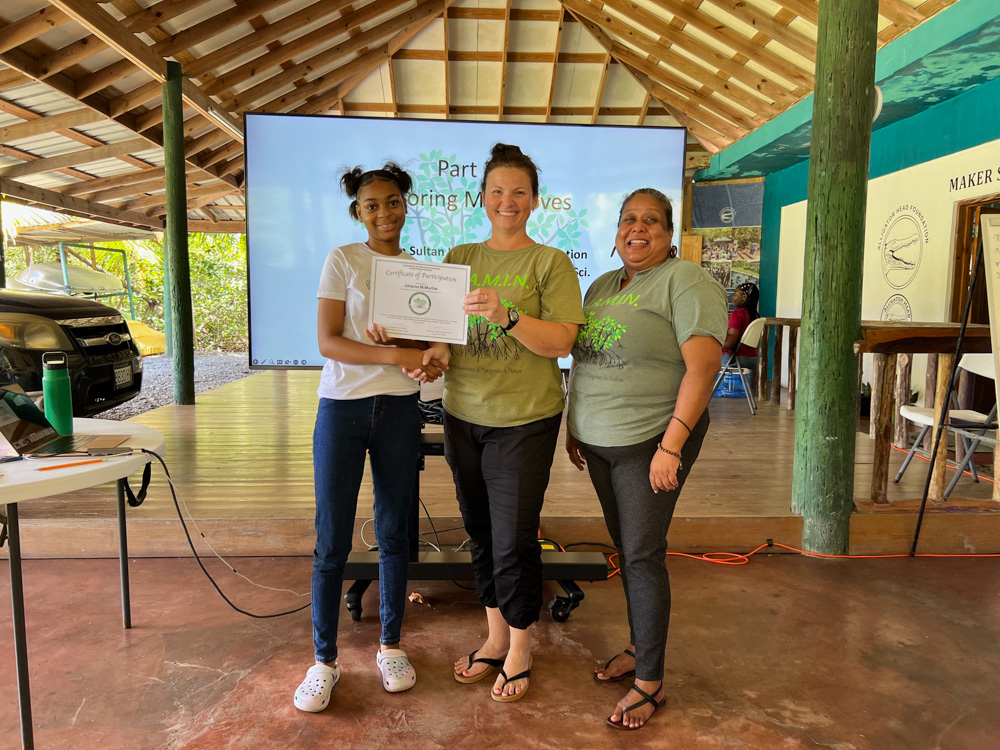
As we looked forward, there was even more to be excited about. Next year would mark the 10th anniversary of the J.A.M.I.N. program—a decade of dedication to mangrove education and restoration. We were planning a series of special events and initiatives to celebrate this milestone and expand our impact even further. It was a moment to reflect on how far we’d come and envision our future efforts.
Stay tuned for more blogs about our B.A.M. and J.A.M.I.N. programs in the coming days.