As a passionate advocate for ocean conservation, I recently had the privilege of translating the first book in the Khaled Bin Sultan Living Oceans Foundation’s Reefs at Risk Activity and Coloring Book series on coral bleaching from English to French. This experience not only broadened my understanding of the subject matter but also shed light on the significance of making educational materials accessible in multiple languages, including French.
Why is it crucial to have resources like Reefs at Risk available in various languages, including French? Let’s dive into it.
According to a report by Statista in 2023, over 300 million people worldwide spoke French. This staggering number highlights the widespread presence of French speakers, predominantly in Europe and Africa. By offering educational materials in French, such as Reefs at Risk, we can reach a significant portion of the global youth population and enhance ocean literacy among French-speaking learners.
But why does translating educational content into French matter for the next generation of French-speaking students? The answer lies in the power of language to facilitate understanding and connection. When information is presented in one’s native language, it becomes more accessible and easier to internalize. By providing materials in French, we empower French-speaking students to engage with and comprehend complex concepts related to ocean conservation.
Now, let’s address the elephant in the room – coral reef bleaching. Why is it crucial for children worldwide, including those in French-speaking regions, to grasp the complexity and importance of this phenomenon? The answer is simple yet profound: coral bleaching affects us all, regardless of our geographic location.
Coastal areas of Africa, where French is widely spoken, and French overseas territories are particularly vulnerable to the consequences of coral bleaching. By educating children in these regions about the threats facing coral reefs, we empower them to become stewards of marine ecosystems and advocates for sustainable practices. Through initiatives like the Reefs at Risk book, we can instill a sense of responsibility and environmental consciousness in the next generation, ensuring they are equipped to address global challenges like coral bleaching.
But do educational resources like the Reefs at Risk book effectively engage young students in learning about threats to coral reefs, such as bleaching? Absolutely. This book takes scientific concepts and translates them into kid-friendly language and activities, making learning both informative and enjoyable. By combining illustrations with interactive exercises, the book captures the imagination of young readers and encourages active participation in ocean conservation efforts.
In conclusion, the translation of educational materials into French plays a crucial role in promoting ocean literacy and empowering French-speaking communities to protect their marine environments. By providing accessible resources in multiple languages, we can bridge linguistic barriers and inspire the next generation to become advocates for our oceans. Together, let’s dive into a future where every child has the opportunity to explore, learn, and safeguard our precious coral reefs.
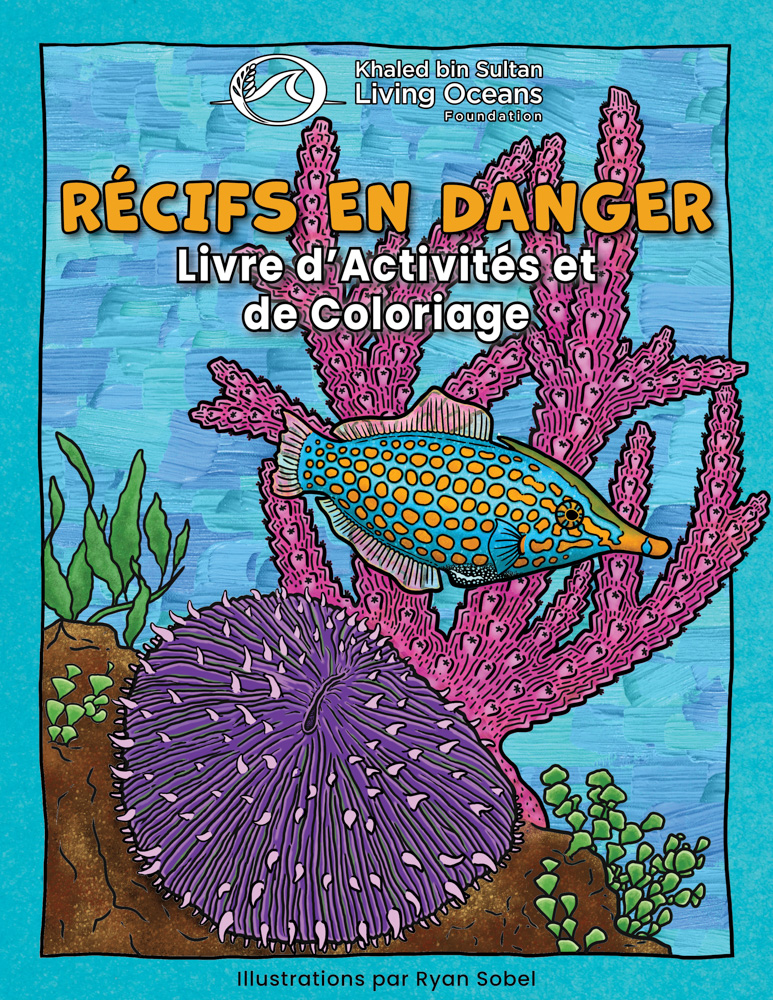
Our “Reefs at Risk Activity and Coloring Book” is now available in French
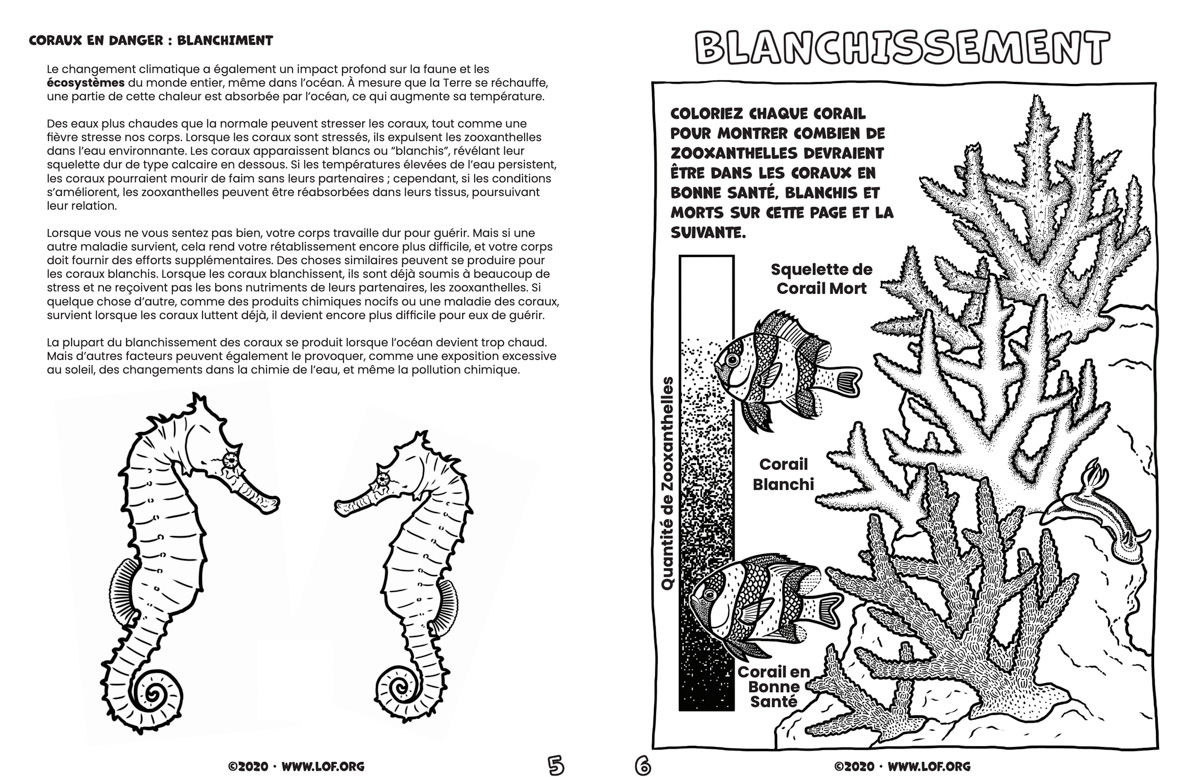
Le premier livre de la série “Livre d’activités et de coloriage : Récifs en danger” enseigne aux élèves le blanchissement des coraux. À travers des exercices interactifs et des pages de coloriage, il est conçu pour aider les élèves à saisir la relation complexe entre les coraux et les zooxanthelles, à comprendre les causes profondes du blanchissement des coraux et à savoir ce qu’ils peuvent faire pour faire une différence.