
search-icon
AI for Earth
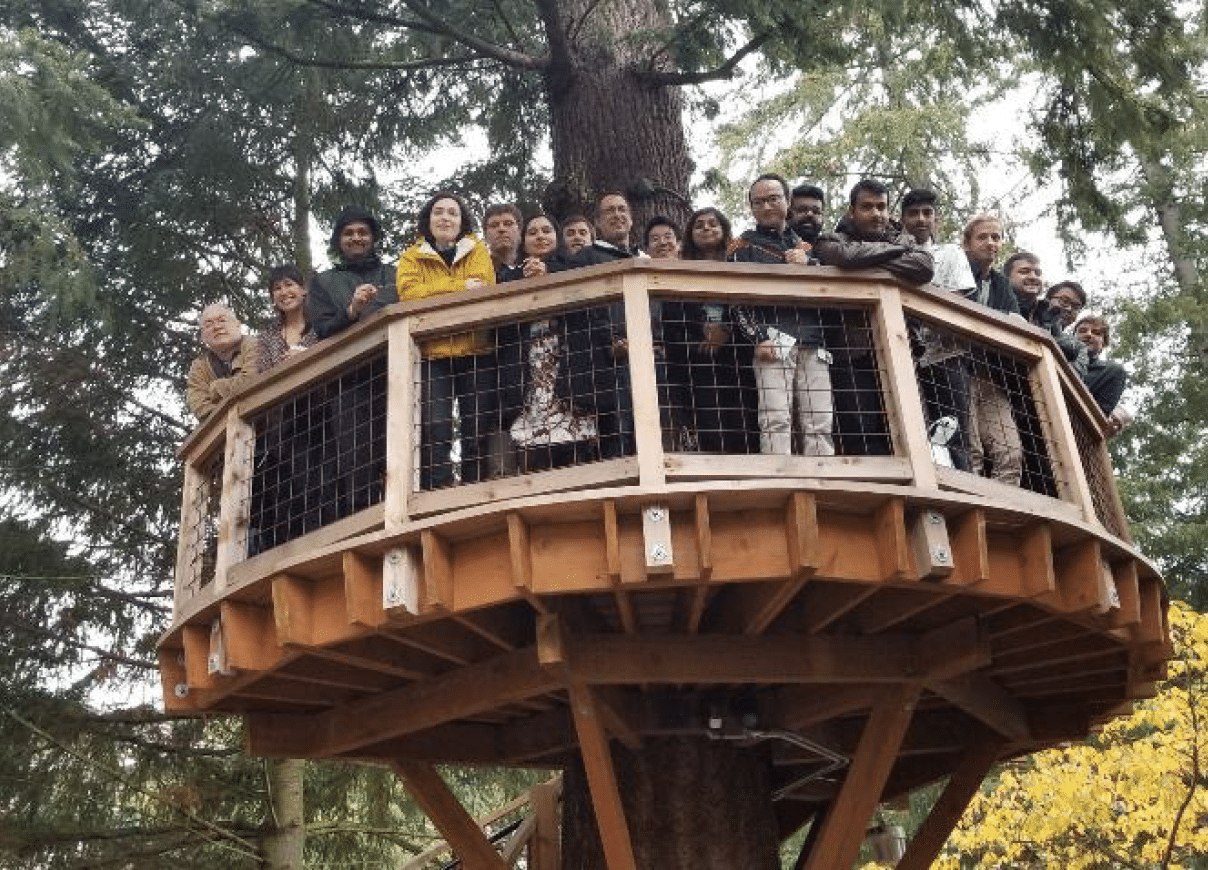
Anna Bakker with the 2018 AI for Earth awardees

Microsoft’s Artificial Intelligence (AI) for Earth program is harnessing the power of the Global Reef Expedition dataset to build a predictive model of global coral reef health and resilience. Anna Bakker, a Ph.D. student working with KSLOF’s Chief Scientist Dr. Sam Purkis on remote sensing of coral reefs, was awarded the Microsoft AI for Earth Grant for the duration of her Ph.D. This program will grant us access to use the immense power of AI, machine learning, and cloud computing to analyze the data collected during the Global Reef Expedition.

AI for Earth is a $50 million 5-year program that aims to financially support projects focused on using cutting edge technology to address problems in biodiversity, climate change, water, and agriculture. Using Global Reef Expedition (GRE) scuba diver data and remote sensing data, Anna is in the process of building both statistical and predictive models to measure coral reef health and resilience for the thousand islands surveyed during the 5-year GRE. Participation in the program grants her with unlimited access to Microsoft’s cloud computing platform, Azure, which will allow her to scale up her models and use them as a global metric for coral reef health. 

“Without the remarkable GRE dataset collected by the Living Oceans Foundation, we would not be in a position to mount a response to the reef crisis on a global scale,” said Anna. “These in situ data are invaluable inputs to a model showing the complex interactions between biophysical and anthropogenic variables in determining future health of tropical coral reefs worldwide.” 

Anna recently attended an AI for Earth Summit at Microsoft in Redmond, Washington, where she was able to meet with, and learn from, the AI for Earth team and other awardees. At the Summit she learned about new tools and how to visualize the steps and results of the model on a website platform. Anna was also selected to participate in the Summit’s day-long Hackathon where she learned how to present the model outputs on a website via an API. She also had the chance to network with other scientists and see how they are using AI for Earth for their own research. Anna plans to continue to work closely with the AI for Earth team as this project develops and present the results of her model at a future AI for Earth Summit. 

Image Caption: Anna Bakker, second from left, in the Microsoft Treehouse with the 2018 AI for Earth awardees.
Related Posts

Everything You Need to Know About the 2027 Science Without Borders® Challenge

Are you ready to combine your creativity with ocean science?

The 15th Annual Science Without Borders® Challenge is now open! Whether you’re participating for the first time or returning for another year, this guide will help you get started.

This year’s theme, Navigate With Care, invites students to explore how responsible navigation helps protect both people and life in the ocean. Through your artwork, you can compete for scholarships and international recognition while inspiring others to protect both people and life in the ocean.

Read More

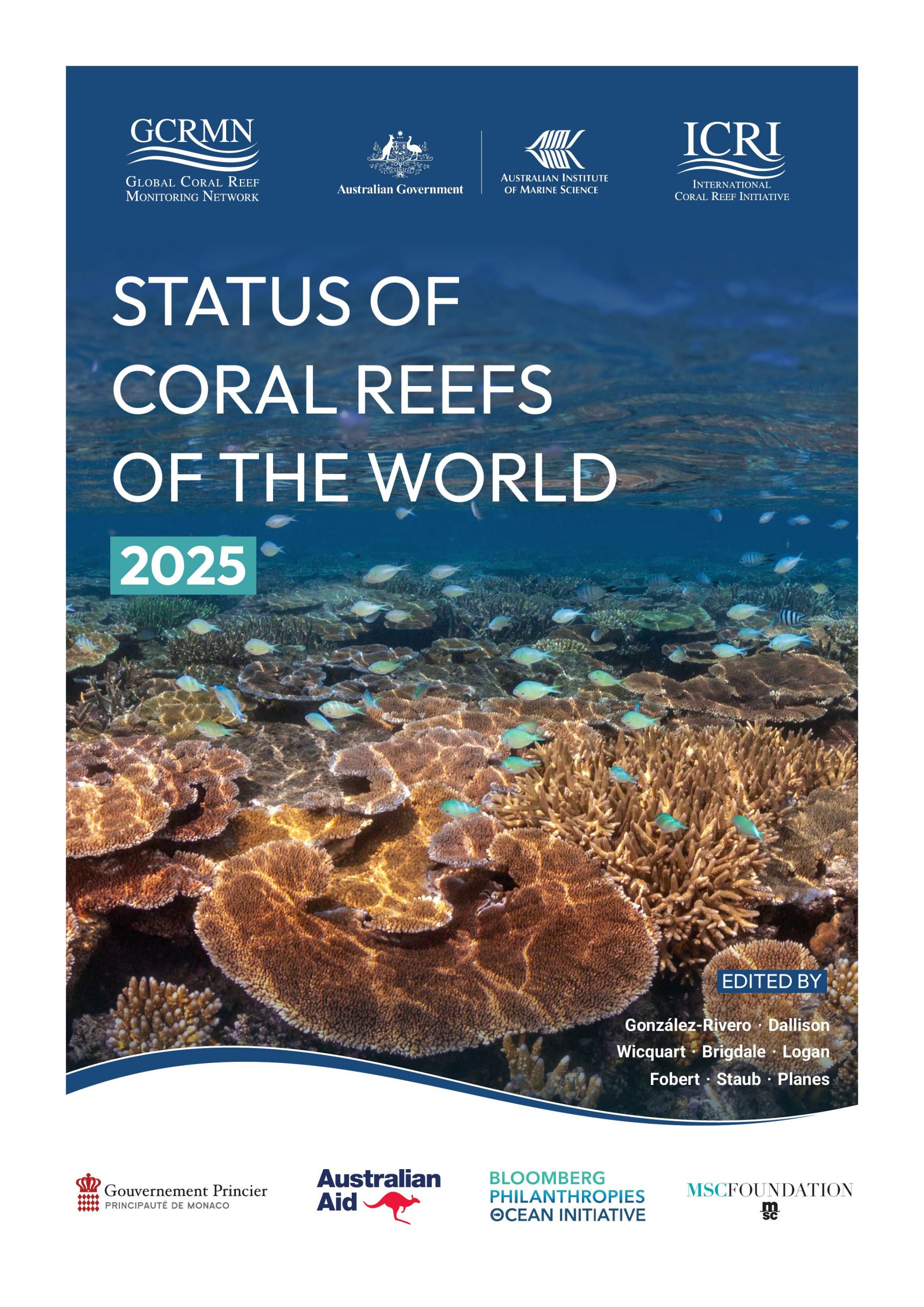
Global Reef Expedition Data Contributes to Landmark Report on the World’s Coral Reefs

More than a decade after scientists aboard the Global Reef Expedition surveyed coral reefs across the Pacific, the data they collected continues to contribute to our understanding of the world’s coral reefs.

Today, the Global Coral Reef Monitoring Network (GCRMN) released Status of Coral Reefs of the World: 2025, the most comprehensive assessment to date of the status and trends of coral reefs worldwide. The report brings together an extraordinary amount of information collected over more than four decades—and the Khaled bin Sultan Living Oceans Foundation is proud to have contributed data from the Global Reef Expedition to this global effort. 

Read More
Privacy Overview

This website uses cookies so that we can provide you with the best user experience possible. Cookie information is stored in your browser and performs functions such as recognising you when you return to our website and helping our team to understand which sections of the website you find most interesting and useful.  You can view our complete Privacy Policy here.

Strictly Necessary Cookies

Most of our cookies are used to improve website security and reduce spam. These cookies should be enabled at all times. They also enable us to save your preferences for cookie settings.

3rd Party Cookies

This website uses Google Analytics to collect anonymous information such as the number of visitors to the site, and the most popular pages. Keeping this cookie enabled helps us to improve our website.