We are thrilled to send you this update! We’ve been pretty quiet over the last few months as we’ve been hunkered down crunching data from previous research expeditions. However, we’re in the field now and ready to send blogs and photos about our ongoing coral reef research.
We are back in Tonga. We were last here fairly recently in Fall 2013 when our Global Reef Expedition team conducted research around the Ha’apai island group, Vava’u and Niuatoputapu. Then, we recorded detailed information about coral reefs and fish around the islands. (Find out about our work in Tonga last year.)
Now we are following up on that work and doing land-based research that is focused on three main goals. One of the components of this follow-up work is to try and better understand how the coral reef resources we surveyed last year are being used by the people of Tonga.
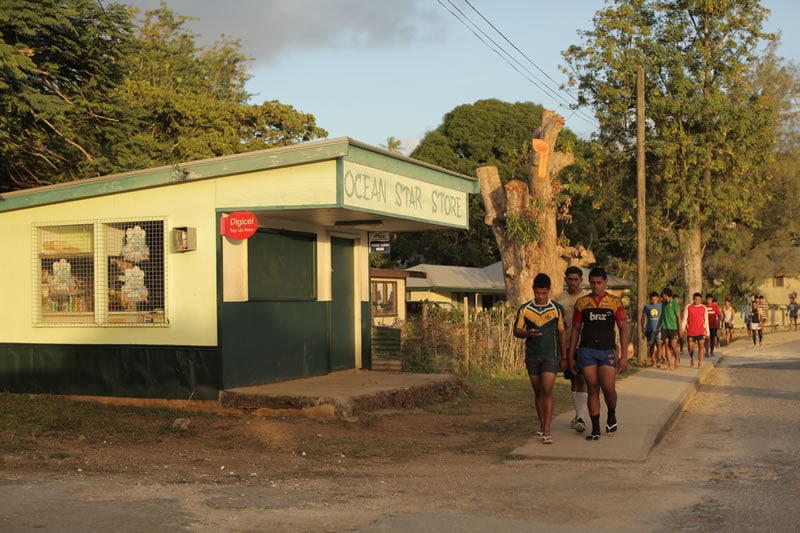
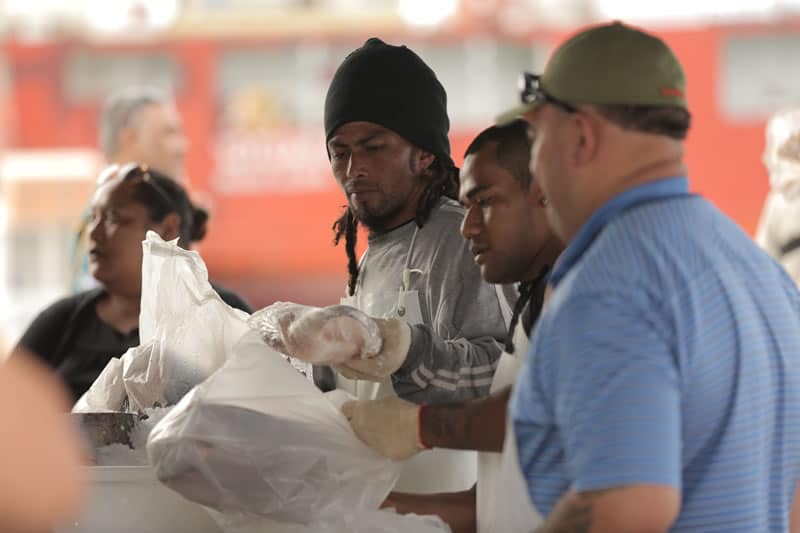
In order to do this, the Foundation will travel to different fishing communities within the Vava’u island group to speak with fishers and pass out a survey. We’ll be working with Hoifua ‘Aholahi and Sione Mailau as we travel around the fishing villages. The survey will ask questions about how people make different decisions about fishing, get information on the different types of fishing gear and bait that people use, the species they catch, the boats that people fish from, and how people decide where to fish. The purpose of the survey is to gain an understanding of the fishing practices and habitats of the fishers of Tonga.
The second goal of the mission is an education and outreach goal. For this, we’ll be teaming up with ‘Apai Moala and visiting primary and secondary schools throughout the main Vava’u Island. As well as giving a special presentation about coral reefs and their conservation to students, we’ll be meeting with teachers to find out how we can better support coral reef and ocean conservation education in the future. Conducting this kind of needs assessment will allow us to return with a tailor made set of materials that will greatly boost coral education on these remote islands.
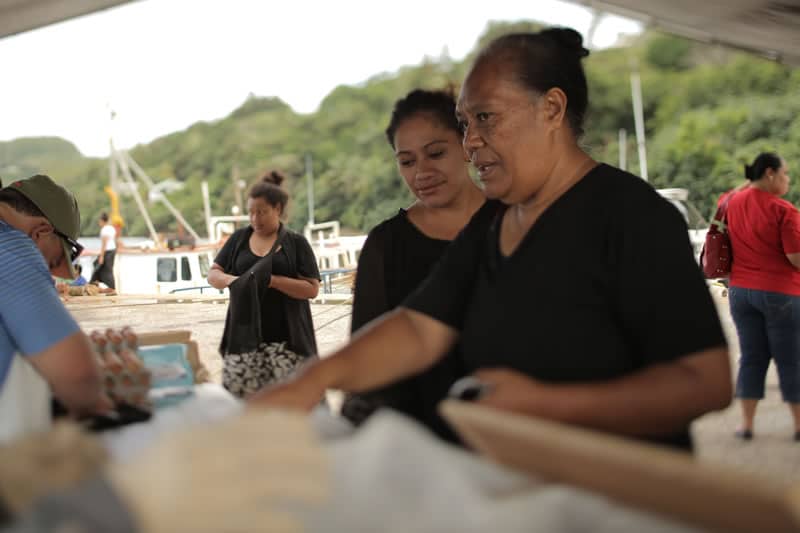
The third goal of our return to Tonga is to start work on a documentary. The Foundation routinely uses film as a way to communicate complex science as part of our education curriculum, and also as part of our greater scientific and conservation outreach. We’ll be working with Silika Ngahe from the Vava’u fisheries office to help us see the many ways people rely on the reef.
Photos by James Ball. Note: We have now returned from Tonga and are sending out blogs in arrears.