
search-icon
Big Corals, Little Fish: A survey of coral reef fish in Tonga
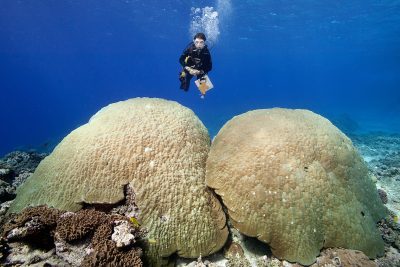
Science team member posing over Porites coral heads in Tonga
A member of the science team posing over Porites coral on the Global Reef Expedition mission to the Kingdom of Tonga. Photo by Ken Marks.

As a marine scientist, visiting the Kingdom of Tonga to study the coral reefs was a treat. We observed so many beautiful marine animals and habitats that were unlike anywhere else on the Global Reef Expedition. One of my favorite sites was in Vava’u where there were massive Porites corals the size of cars that dwarfed the divers. It was incredible.

However, what I found most surprising was the fish communities. While the coral communities in Tonga were in moderate condition, I was concerned about the lack of large fish we observed. The fish we did see were small, mostly falling into the 11-20cm size classes. 

Small fish typically fall into lower trophic categories, playing an important role in maintaining a stable reef ecosystem. They most often eat fleshy algae that can take up valuable space for coral recruits to settle and grow. Though, larger fish play a vital role in the ecosystem as well.  The larger fish frequently fall into the higher trophic categories, helping to maintain a balanced fish community, preying on smaller fish and invertebrates, as well as algae. Without larger fish, an unstable fish and reef community will likely result.


Coral Reef Fish in Tonga

no images were found

Ecosystem stability is essential for coral reefs with nearly every organism playing an important role. Corals provide shelter for small fish and invertebrates, including juvenile stages of the larger fish species, small fish and invertebrates help manage algal growth with larger fish acting as controls on the smaller fish populations, preventing them from becoming overabundant, and algae acts as a food source with some species acting as a settlement site for coral recruits. This fragile ecosystem is vulnerable to collapse when a shift in the organisms found within it occurs.


Learn more 
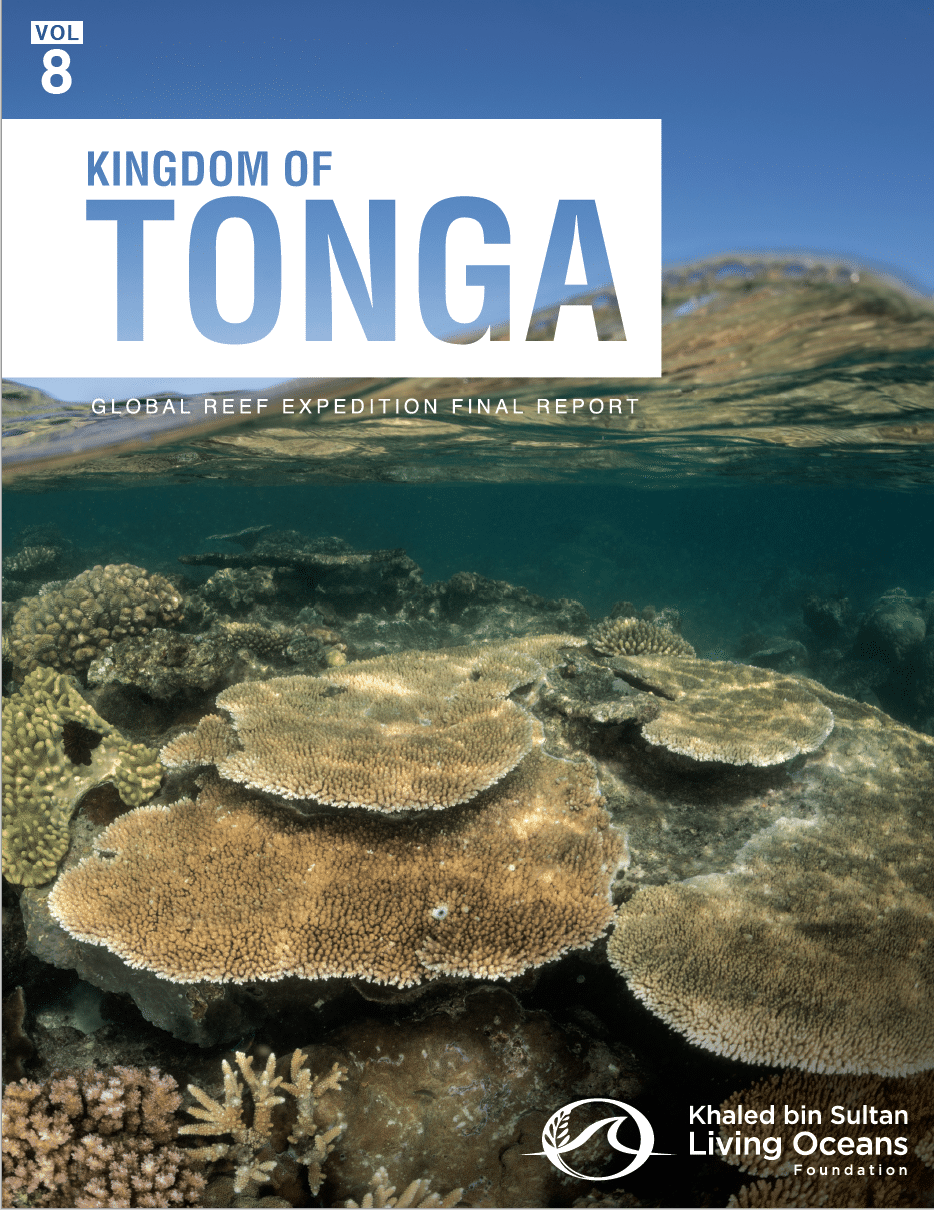
Global Reef Expedition: Kingdom of Tonga Final ReportFor more detailed information on our surveys of coral reef fish in Tonga, read our latest publication, the Global Reef Expedition: Kingdom of Tonga Final Report.


Related Posts

Everything You Need to Know About the 2027 Science Without Borders® Challenge

Are you ready to combine your creativity with ocean science?

The 15th Annual Science Without Borders® Challenge is now open! Whether you’re participating for the first time or returning for another year, this guide will help you get started.

This year’s theme, Navigate With Care, invites students to explore how responsible navigation helps protect both people and life in the ocean. Through your artwork, you can compete for scholarships and international recognition while inspiring others to protect both people and life in the ocean.

Read More

Global Reef Expedition Data Contributes to Landmark Report on the World’s Coral Reefs

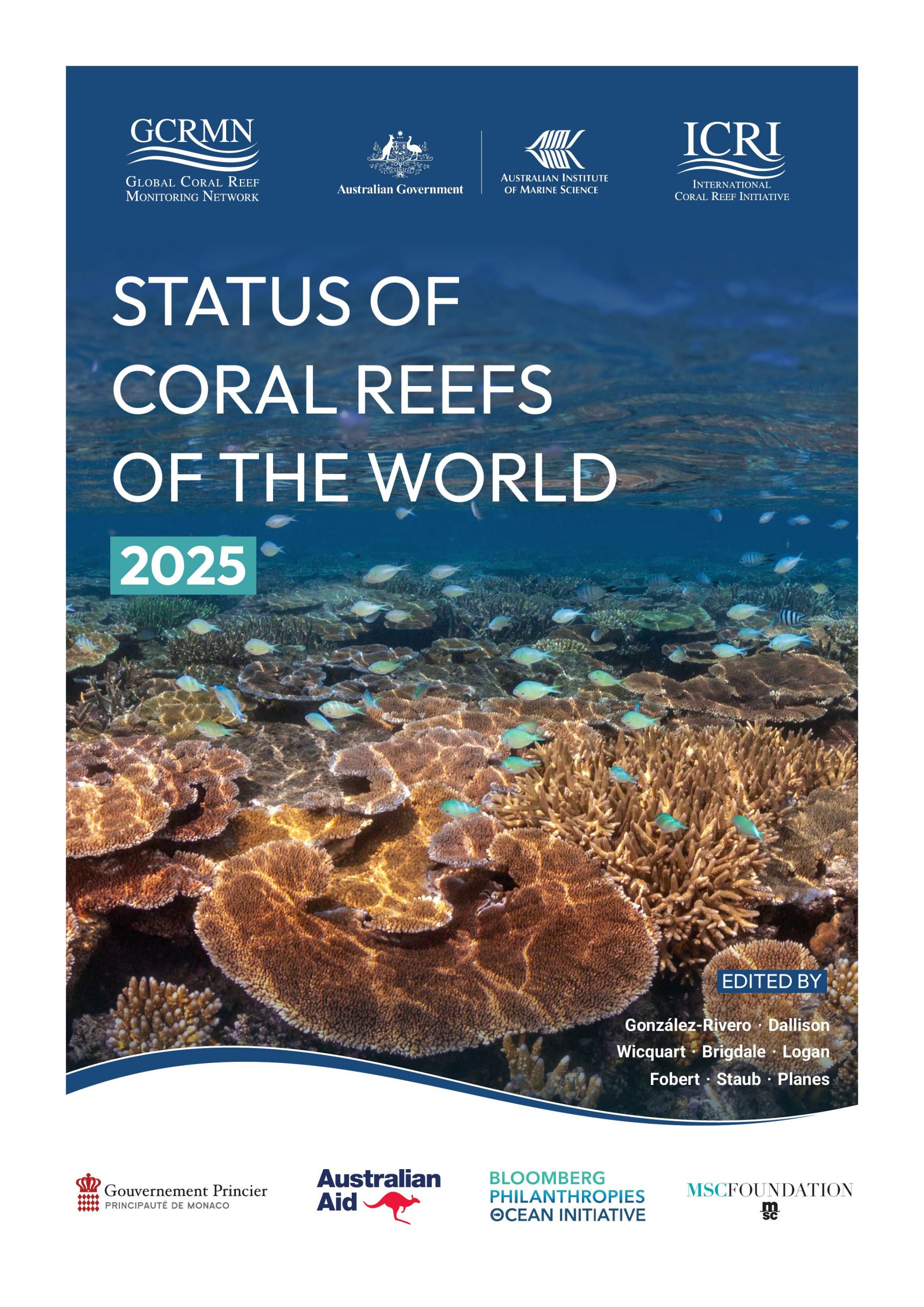
More than a decade after scientists aboard the Global Reef Expedition surveyed coral reefs across the Pacific, the data they collected continues to contribute to our understanding of the world’s coral reefs.

Today, the Global Coral Reef Monitoring Network (GCRMN) released Status of Coral Reefs of the World: 2025, the most comprehensive assessment to date of the status and trends of coral reefs worldwide. The report brings together an extraordinary amount of information collected over more than four decades—and the Khaled bin Sultan Living Oceans Foundation is proud to have contributed data from the Global Reef Expedition to this global effort. 

Read More
Privacy Overview

This website uses cookies so that we can provide you with the best user experience possible. Cookie information is stored in your browser and performs functions such as recognising you when you return to our website and helping our team to understand which sections of the website you find most interesting and useful.  You can view our complete Privacy Policy here.

Strictly Necessary Cookies

Most of our cookies are used to improve website security and reduce spam. These cookies should be enabled at all times. They also enable us to save your preferences for cookie settings.

3rd Party Cookies

This website uses Google Analytics to collect anonymous information such as the number of visitors to the site, and the most popular pages. Keeping this cookie enabled helps us to improve our website.