Supermoons and Coral Reefs
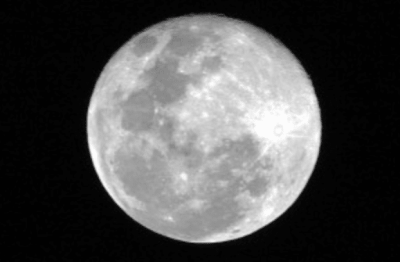
As the crew and science team watched from the M/Y Golden Shadow, a bigger, brighter moon filled the night sky rising above the island of Vanuabalavu on June 23, 2013. When the moon is closest to Earth, called perigee, it


As the crew and science team watched from the M/Y Golden Shadow, a bigger, brighter moon filled the night sky rising above the island of Vanuabalavu on June 23, 2013. When the moon is closest to Earth, called perigee, it
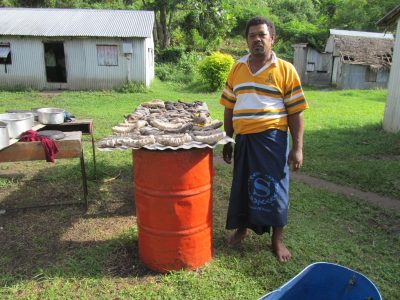
The overfishing of sea cucumbers is detailed in our Fiji report. Here are some observations on sea cucumber fishing that we made during our research in Fiji in 2013. June 2013 Throughout the Lau Province it’s typical to find sea
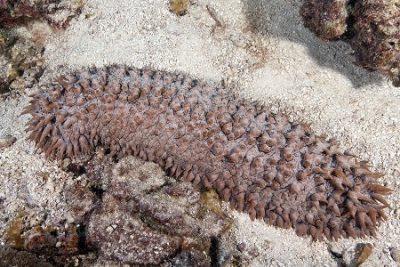
Our new Fiji report features detailed information about numbers of Sea cucumbers in Fiji. We also talk about what that means for the health of the reefs. Here’s a look back at our notes on Sea cucumbers during our field
We recently published our final report from our research in Fiji. Here’s an article we wrote while we collected all the data, and conducted the underwater research in 2013. From the Field Fiji’s coral reefs house some 333 species of

During the 2016 WiLDSPEAK event in Washington DC, we had a chance to speak with conservation photographer Michele Westmorland about what it was like to join the Khaled bin Sultan Living Oceans Foundation on the Global Reef Expedition in French Polynesia
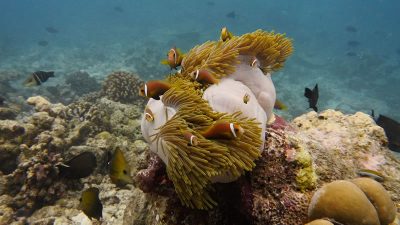
Expedition Log: Maldives – Day 8 Ask anyone to name a fish found on a coral reef, and I almost guarantee most will reply “clownfish!” A fish made famous by Disney/Pixar’s 2003 film Finding Nemo. What most of these people
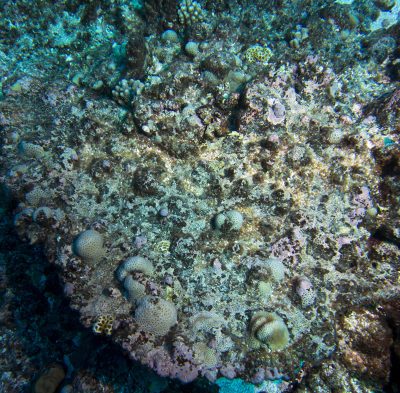
Expedition Log: Cook Islands – Day 12 As we bandage our wounds, wash and pack our gear, and prepare for our departure, we take time to discuss the outcomes of our project with our partners in Aitutaki. Since discovering and
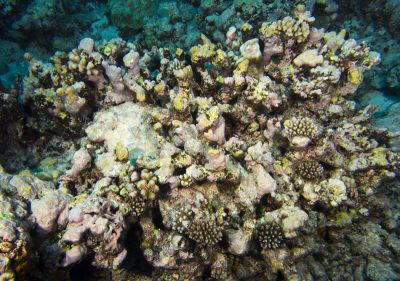
Expedition Log: Cook Islands – Day 11 After a drove of crown of thorns starfish (COTS) moves through the reef, all that remains are the stark white coral skeletons. These quickly become covered in a green and brown fuzz of
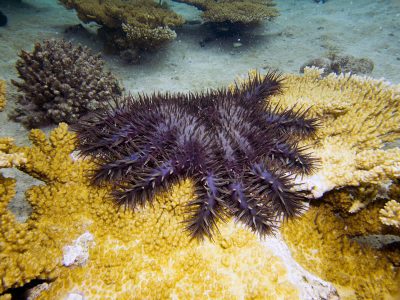
Expedition Log: Cook Islands – Day 10 Juvenile and adult crown of thorns starfish (COTS) do not walk on their arms. Instead, they have thousands of tiny tube feet which occur along the grooves underneath each arm. Operated hydraulically using
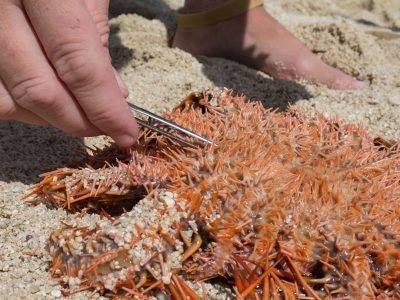
Expedition Log: Cook Islands – Day 9 Coral reefs are considered one of the most productive and species-rich ecosystems in the world, but that doesn’t make them invulnerable to natural threats. The reefs in the Cook Islands have recently been