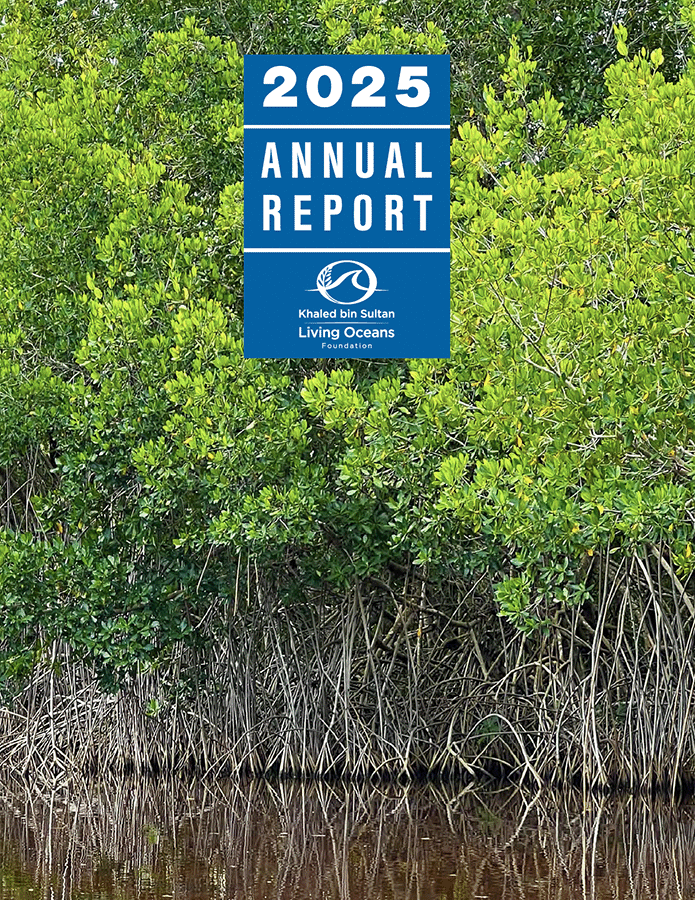
The Khaled bin Sultan Living Oceans Foundation (KSLOF) is proud to announce the release of our 2025 Annual Report, marking 25 years of advancing ocean science, conservation, and education to protect the health of our living oceans.
Since our founding in 2000 by HRH Prince Khaled bin Sultan, the Foundation has worked to provide science-based solutions to some of the most pressing challenges facing marine ecosystems. Over the past quarter century, our work—from the Global Reef Expedition to hands-on education and restoration programs—has helped shape conservation strategies, support marine protected areas, and inspire people around the world to better understand and protect the ocean.
This year’s report reflects both that legacy and the direction we are heading. While our past research continues to inform conservation efforts globally, we are placing an even greater emphasis on sharing knowledge, strengthening partnerships, and expanding access to ocean education.
Building on a Legacy of Science
The Foundation’s scientific work continues to have a lasting impact. Data collected during the Global Reef Expedition remains a cornerstone of coral reef research, supporting global initiatives such as the upcoming Status of Coral Reefs of the World report and our ongoing collaborations with NASA to develop high-resolution habitat maps.
We also continued to strengthen coral reef monitoring and management efforts through partnerships with organizations like the Pacific Blue Foundation in Fiji, helping support community-led conservation and improve long-term reef assessment.
Restoring Coastal Ecosystems Through Education
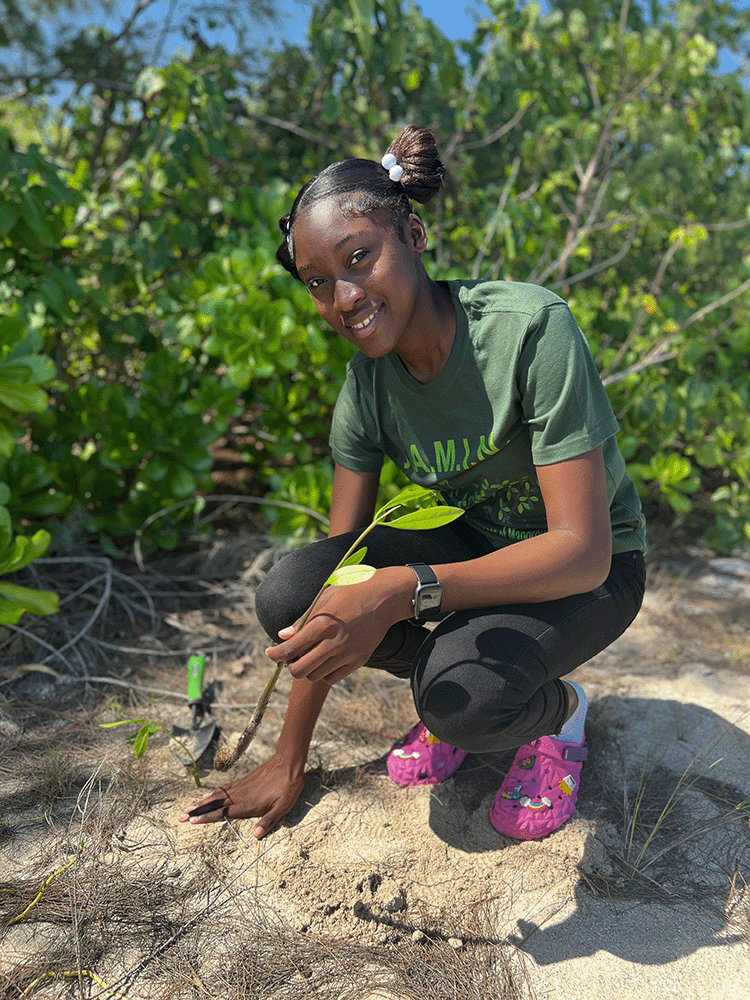
Our Mangrove Education and Restoration programs in Jamaica and The Bahamas continue to engage students and teachers in hands-on science and restoration. These programs connect classroom learning with real-world action, empowering students to grow and plant mangroves to help restore the health of their local ecosystems.
Building on this success, we piloted a new seagrass education curriculum in Jamaica, expanding our programs to include another critical coastal habitat. Through fieldwork and data collection, students are contributing to global research efforts while developing a deeper understanding of marine ecosystems.
Inspiring the Next Generation
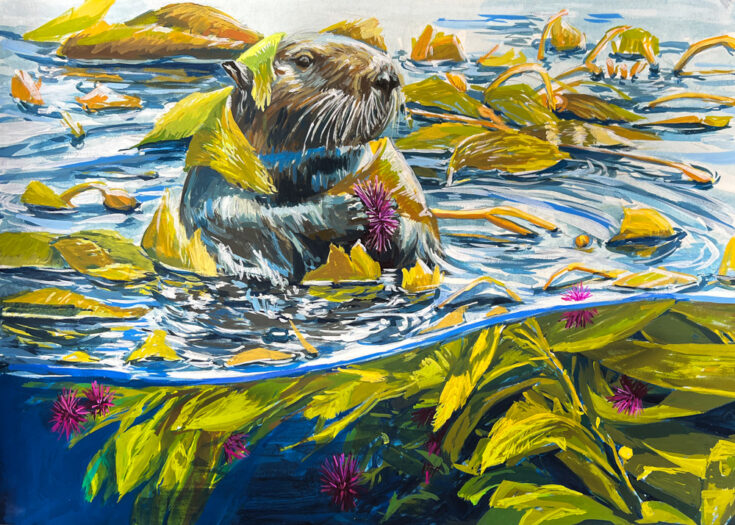
Education remains at the heart of our mission. In 2025, we continued to engage students worldwide through the Science Without Borders® Challenge, which received more than 1,300 submissions from 75 countries. This year’s theme, Marine Keystone Species, encouraged students to explore the critical role species play in maintaining healthy ecosystems.
We also developed new educational resources, including the Little Creatures with a Big Message educator’s guide, which uses real data from the Global Reef Expedition to bring marine science into the classroom through engaging, hands-on learning experiences.
Expanding Our Global Reach
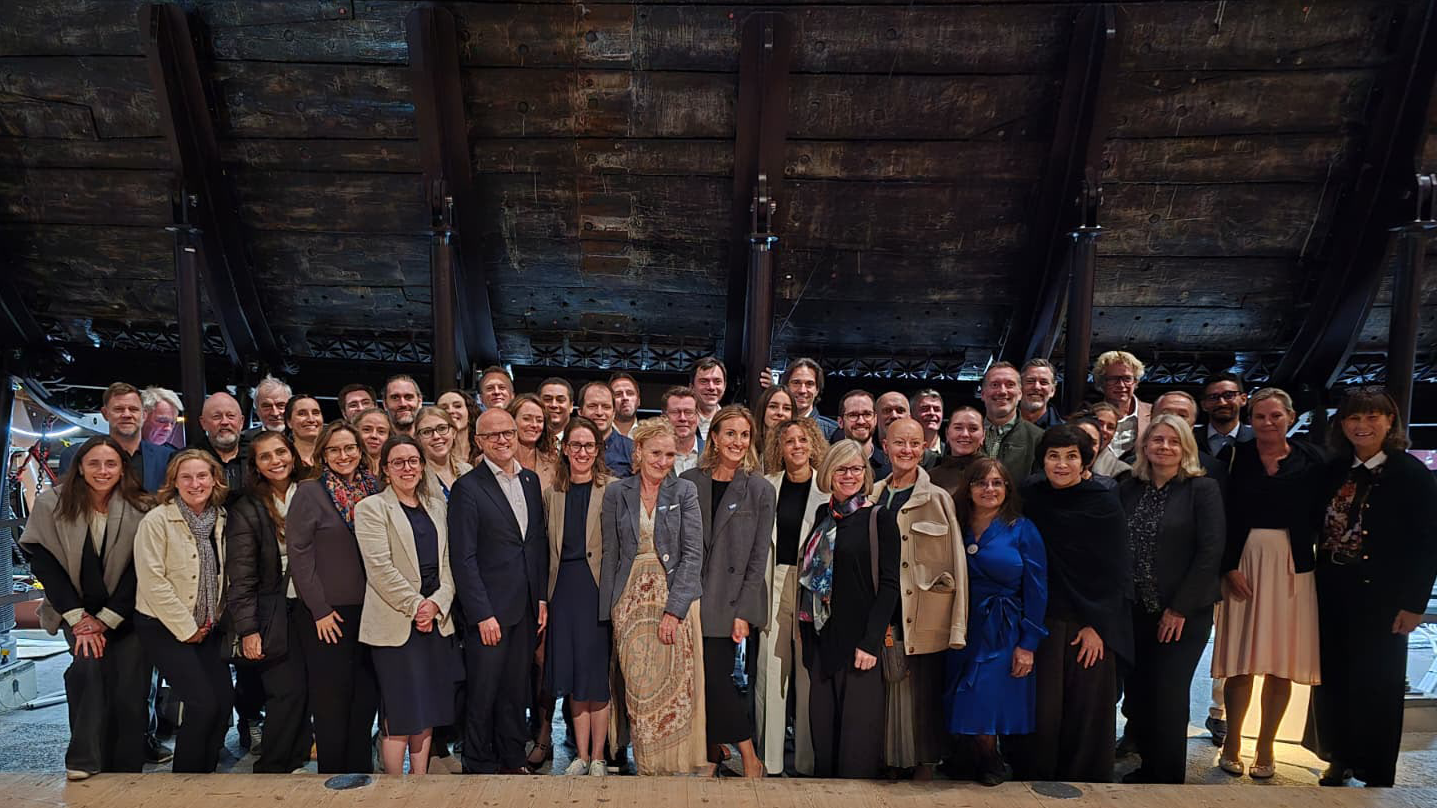
Throughout the year, the Foundation continued to collaborate with partners around the world and contribute to global conservation efforts through our work with IUCN and participation in the World Conservation Congress. These efforts help amplify our impact, ensuring that our work contributes to broader conversations and solutions for protecting marine ecosystems.
We also advanced outreach initiatives that translate science into practical conservation action. Through our Navigate with Care campaign, in partnership with the International Foundation for Aids to Navigation (IFAN), we promote responsible boating practices that reduce accidents and damage to sensitive marine habitats. By providing accessible guidance and educational resources, this initiative helps ocean users make informed decisions that protect both themselves and the marine environment.
In 2025, we also launched a newly redesigned website, creating a more accessible and engaging platform to share our science, conservation initiatives, and educational resources with a global audience.
Looking Ahead
As we reflect on 25 years of impact, we are reminded that the challenges facing our oceans are greater than ever—but so is the opportunity to make a difference.
By building on our scientific legacy and expanding our focus on education and outreach, we are working to ensure that more people around the world have the knowledge and tools to protect marine ecosystems. Together with our partners, supporters, and global community, we remain committed to preserving the health of our living oceans for generations to come.
We invite you to explore the full report and learn more about our work over the past year.