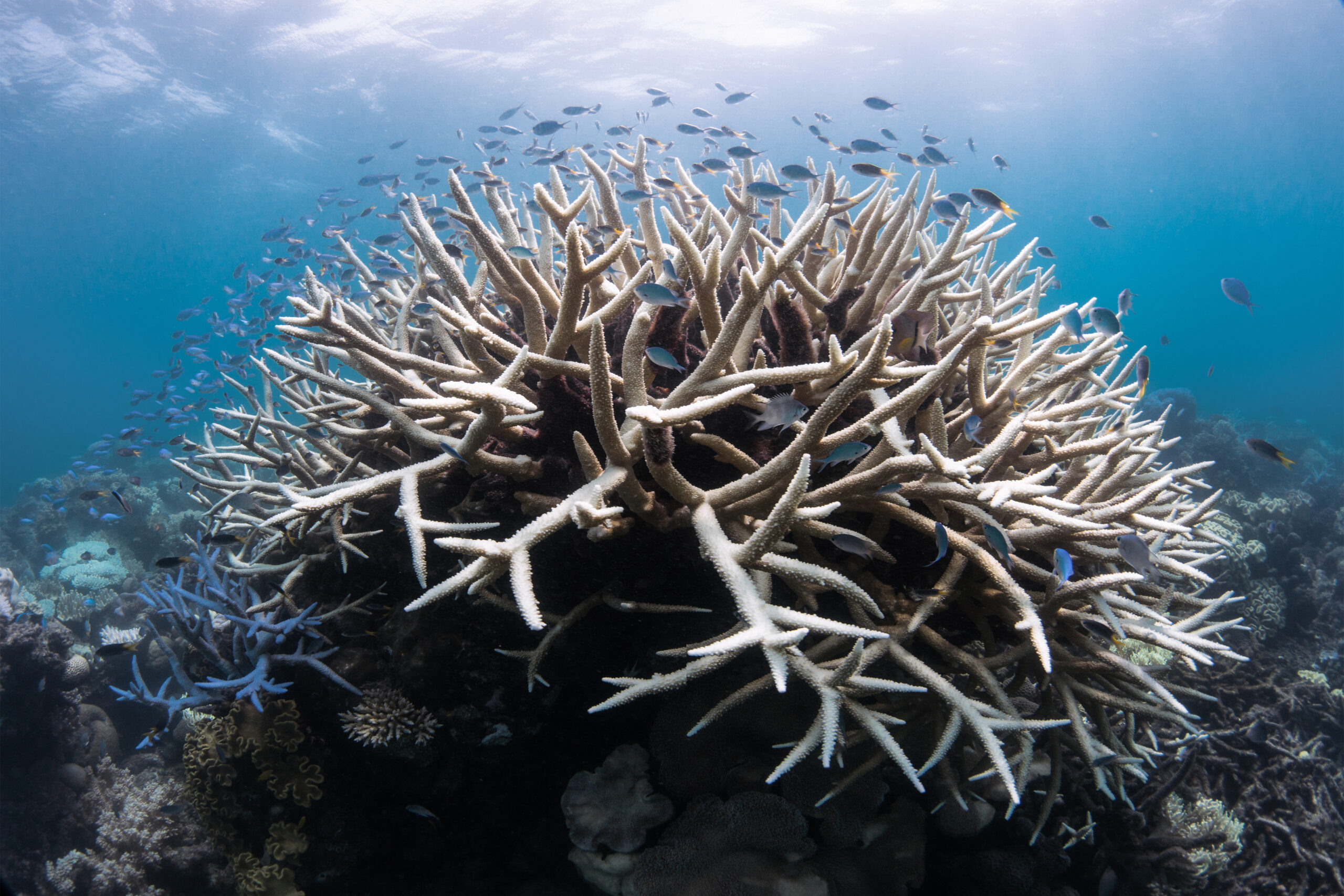
Beyond our excursions to the mangroves, our mangrove animal show-and-tell stands out as one of the most beloved activities in both our Jamaica Awareness of Mangroves in Nature (J.A.M.I.N.) and the Bahamas Awareness in Mangroves (B.A.M.) programs. Despite the rich diversity of marine life dwelling in the mangrove ecosystem, echinoderms consistently steal the spotlight, making them a captivating subject for me to teach and for our audience to explore. Admittedly, guiding discussions about echinoderms is also one of my favorite aspects of this activity.
During these sessions, students get hands-on experience holding and touching echinoderms, which can be quite an adventure. Most of the students know the names of these animals, but they have never been up close and personal with them. Some students are calm and collected when holding the animals, while others are reticent to hold or touch these strange, prickly creatures.
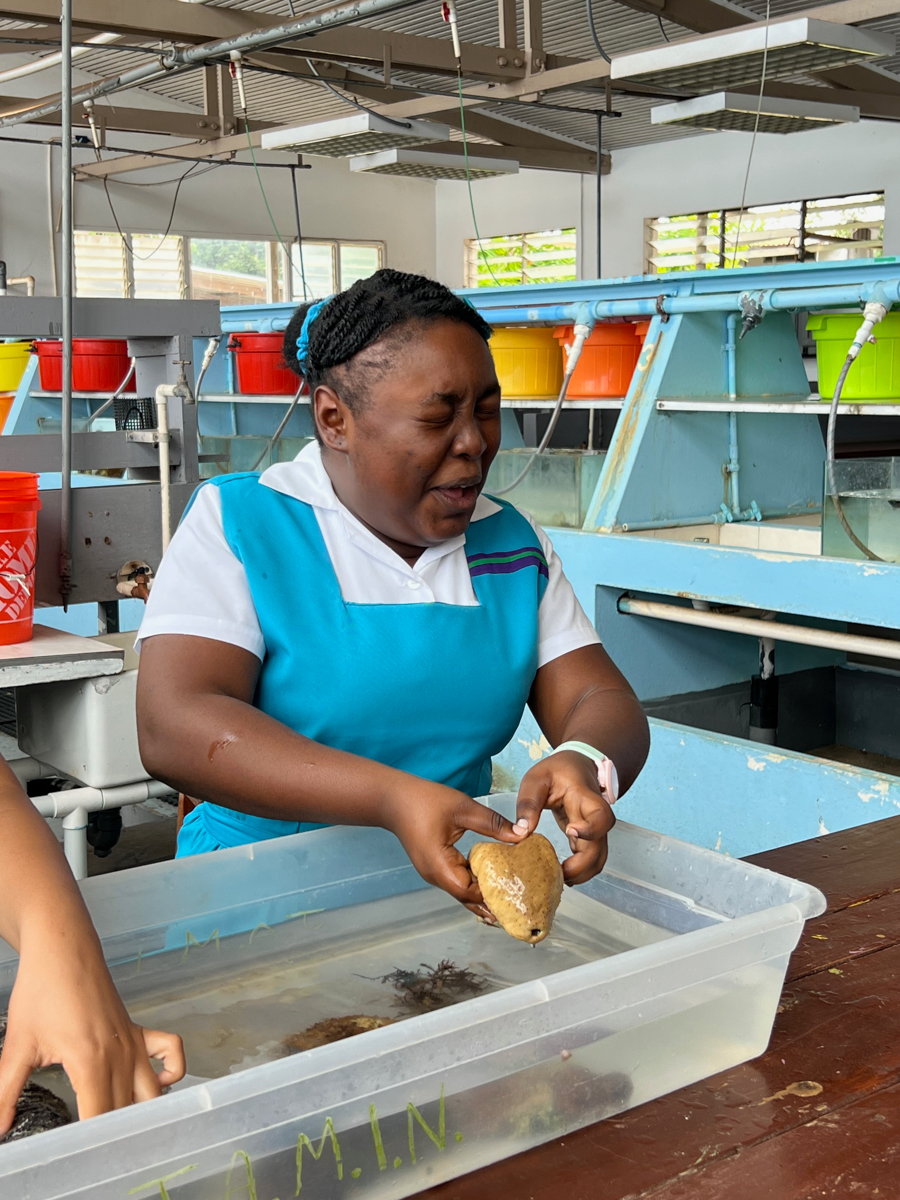
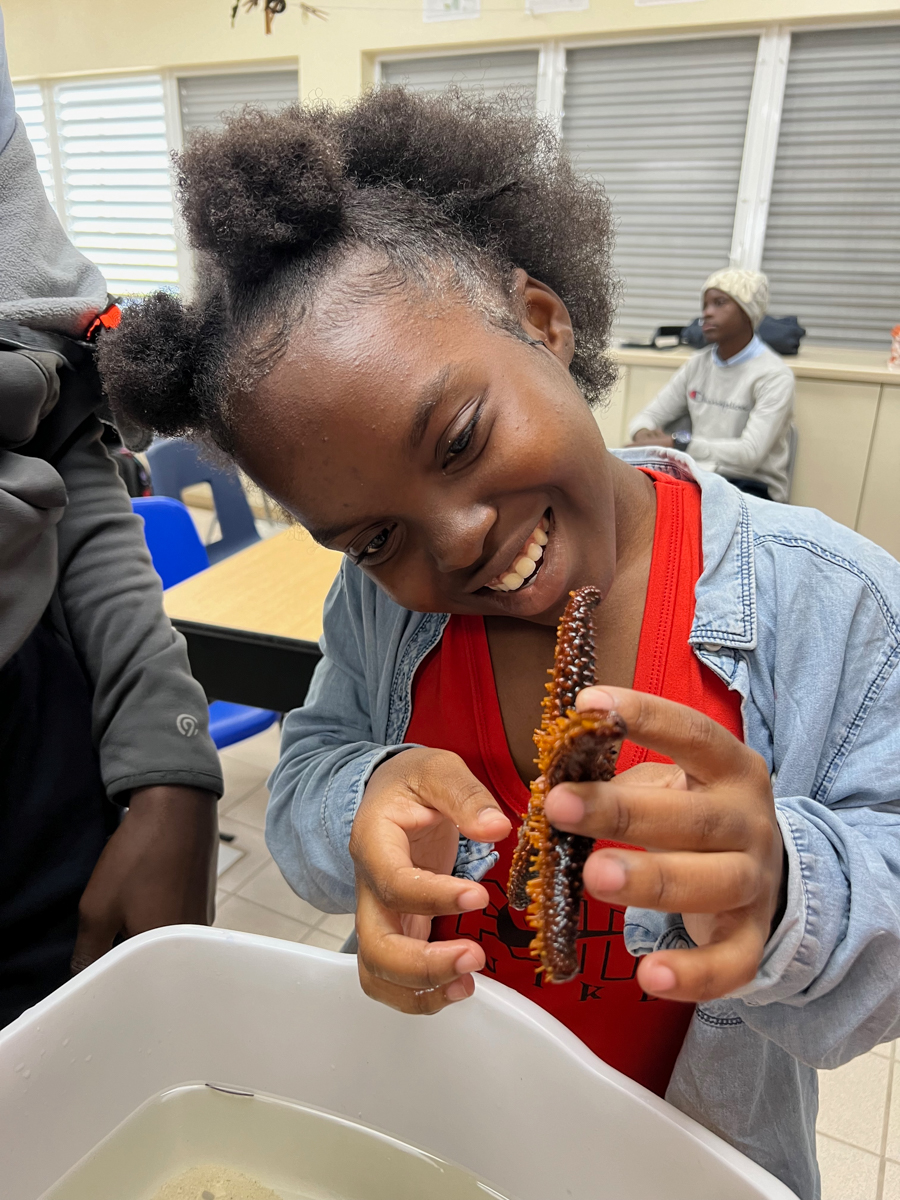
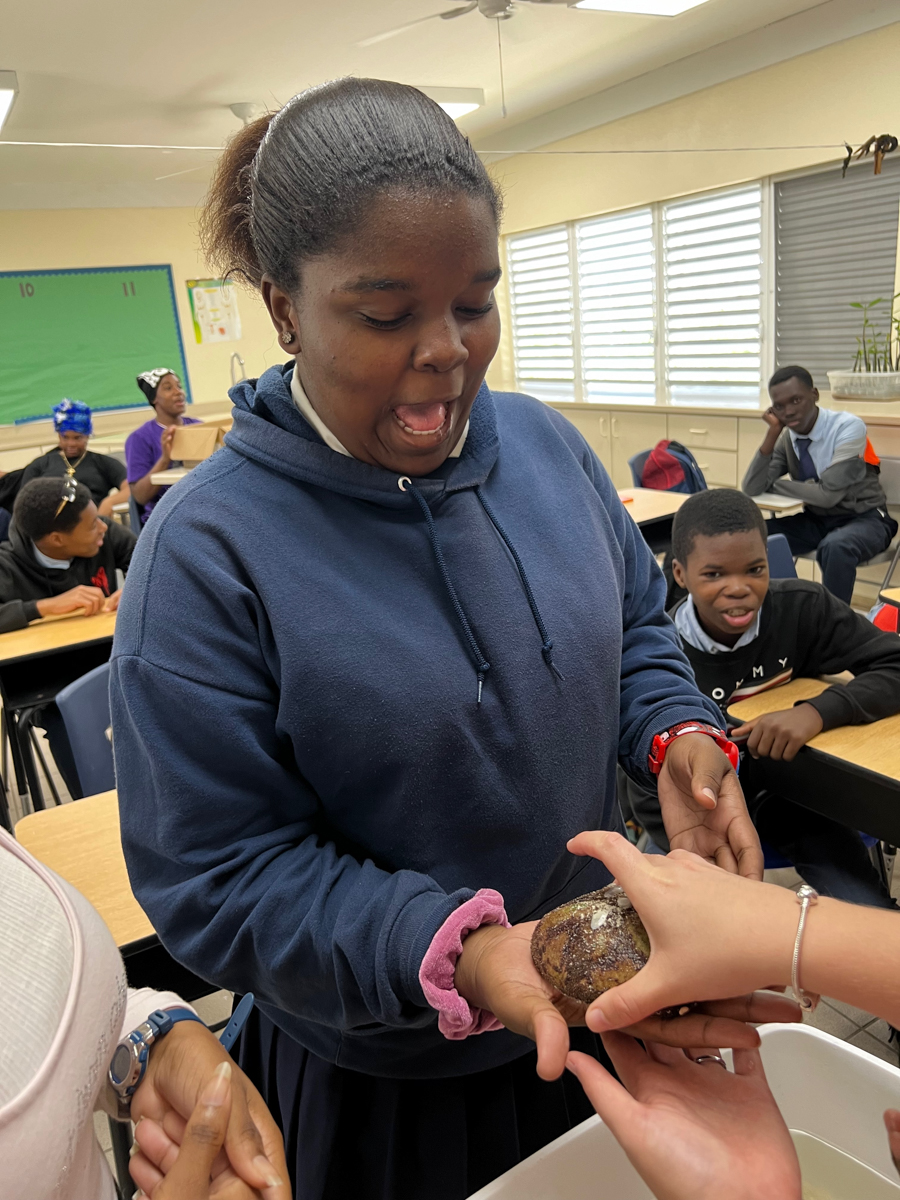
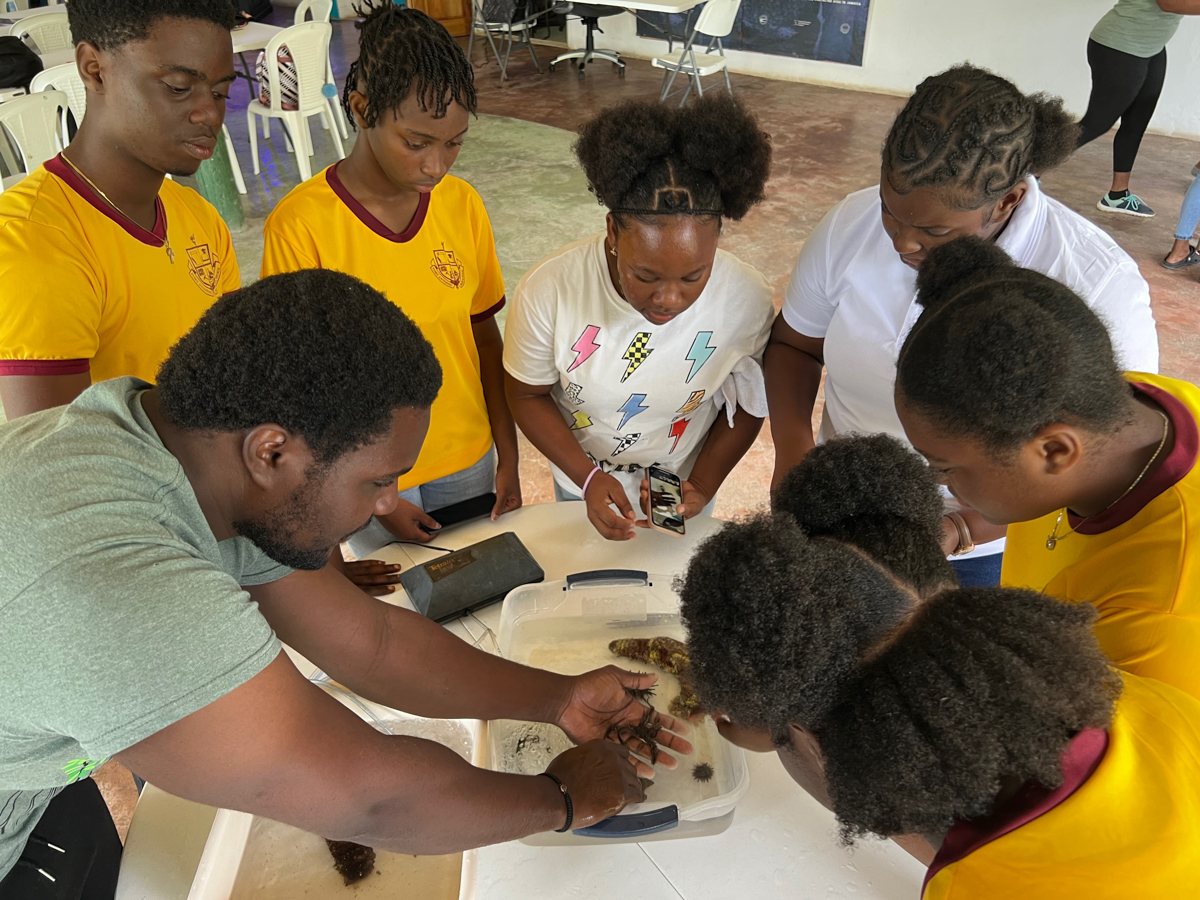
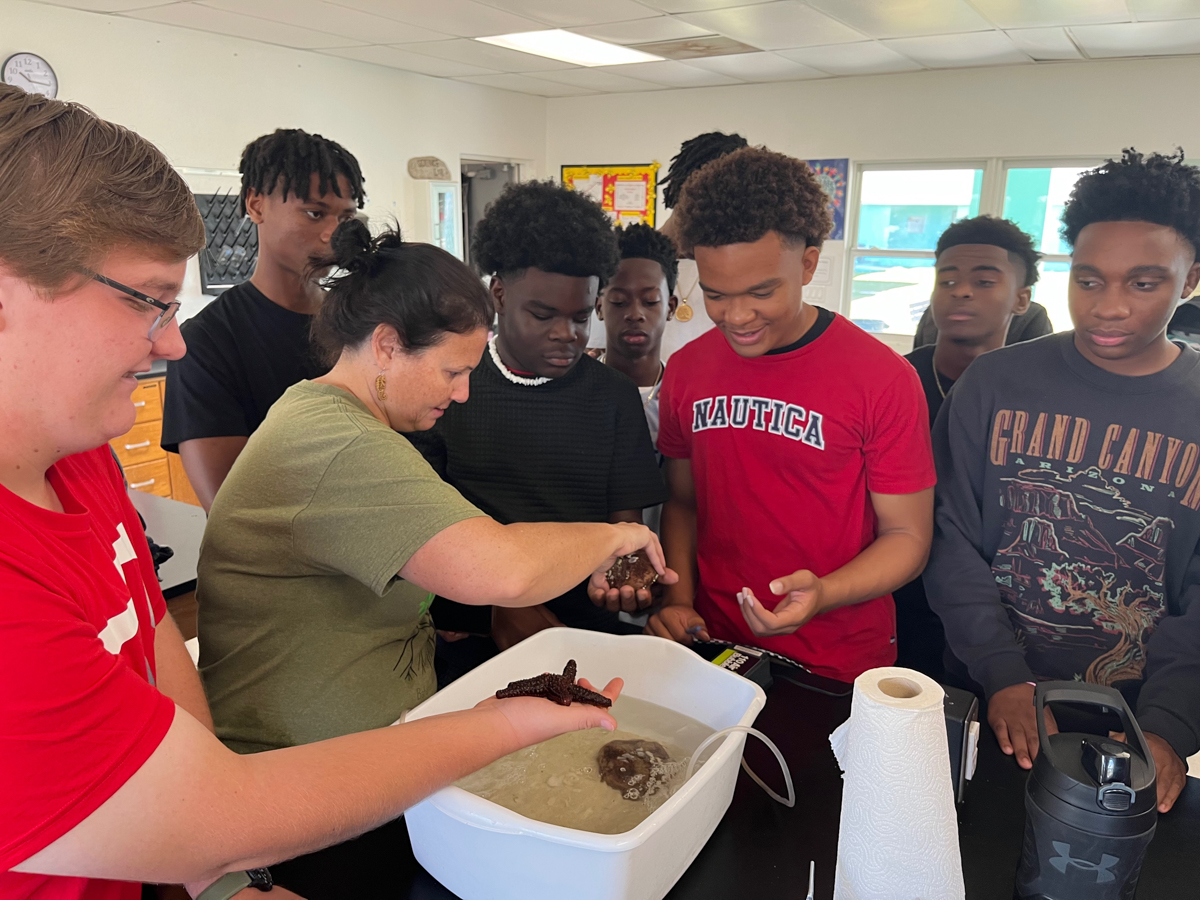
Exploring the root words of “Echinodermata,” where “Echino-” means spiny and “-derm” refers to the skin, we convey that it translates to “spiny skin.” We emphasize how each echinoderm exhibits spiny skin, with variations in the size and purpose of spines among species.
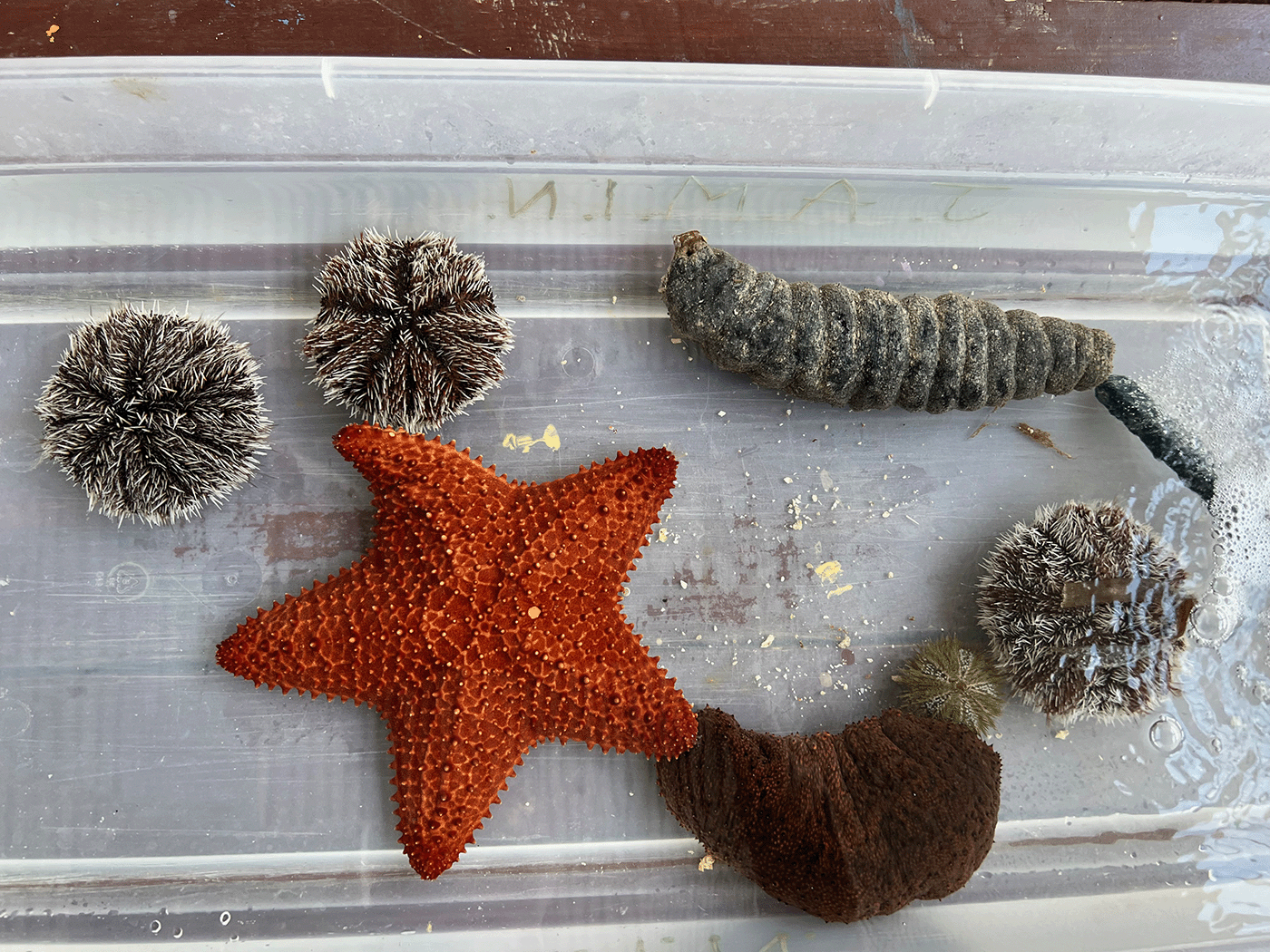
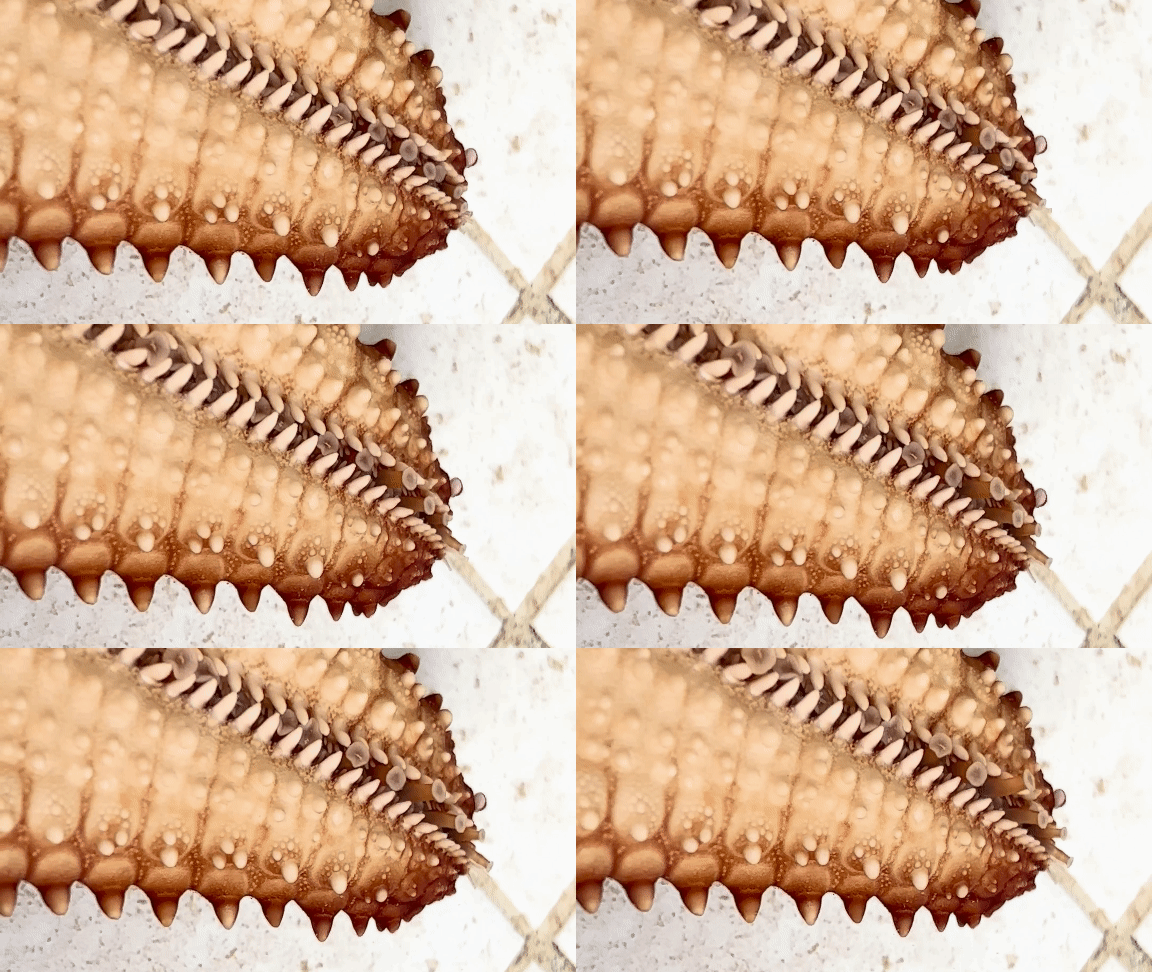
In our spotlight on echinoderms, we focus on those residing in or near mangroves, such as sea stars, sea cucumbers, sea urchins, and sand dollars. Beyond their spiny exterior, echinoderms boast a unique internal water vascular system. This system consists of canals connected to tube feet, resembling tiny suction cups. These tube feet aid in movement, propelled by the hydraulic system that allows the echinoderm to bring in and push out water, facilitating locomotion, feeding, waste transport, and respiration.
We delve into the general feeding roles of echinoderms in the ecosystem to link the classification of these organisms with food web concepts. For example, we discuss the importance of sea cucumbers as decomposers, consuming bacteria and other micro-organisms in the sand, producing clean sand. Similarly, we depict sea urchins as nature’s lawnmowers, diligently grazing on algae.
By making these lessons tangible and interactive, we aim to make the intricate world of mangrove ecosystems and the fascinating echinoderms accessible and memorable for students.
Learn more
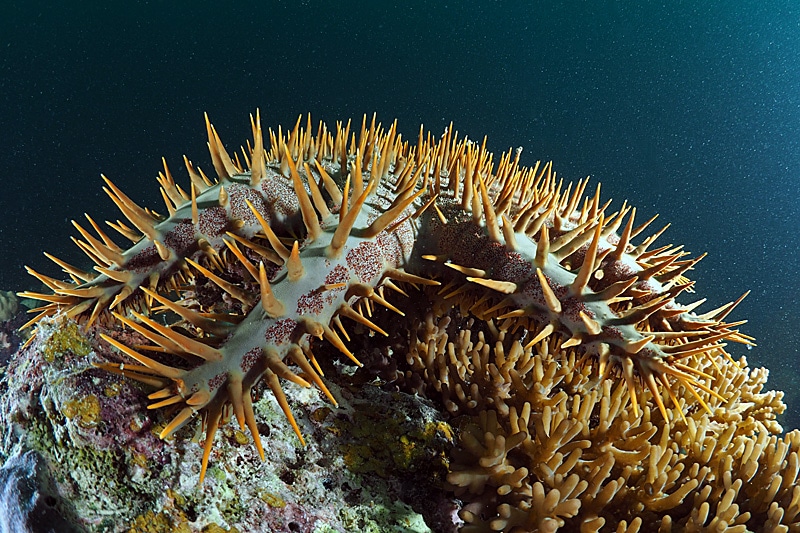
Interested in learning more about echinoderms? Dive into our captivating video and educational resources to unravel the mysteries of the Crown of Thorns Starfish (COTs). This voracious echinoderm prowls the vibrant coral reefs of the Indo-Pacific Ocean.