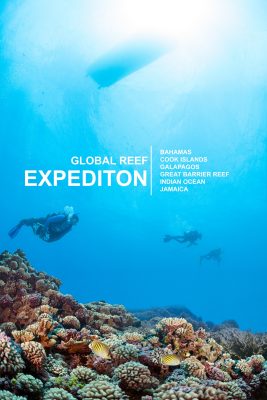
The Khaled bin Sultan Living Oceans Foundation is proud to share with you our TV series on the Global Reef Expedition—which is now available to stream on our website! In this series of videos, you’ll follow our international team of scientists as they explore some of the most remote coral reefs on Earth. Follow them as they embark on a round-the-world expedition to find out how coral reefs are faring and see what discoveries they make along the way.
Offering unprecedented access to our scientists in the field, this documentary film series follows scientists aboard the M/Y Golden Shadow as they explore six key research locations on our Global Reef Expedition. Watch as we witness coral bleaching first-hand on a pristine reef in the Indian Ocean, explore the little-known coral reefs of the Galápagos Islands, and record some of the last healthy footage of the northern reaches of the iconic Great Barrier Reef. You’ll see us survey reefs in The Bahamas to see how they cope with climate change, team up with fishermen and other conservation organizations to set up a marine sanctuary in Jamaica, and help the Cook Islands manage conflicting interests one of the world’s largest marine parks.
The Global Reef Expedition series documents the beauty and plight of one of Earth’s most critical habitats and lets you see our scientists in action, as they seek to better understand the intimate workings of these endangered ecosystems before it’s too late to save them.
Episodes:
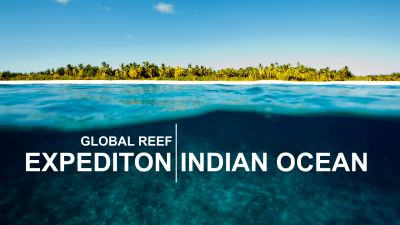
Ep. 1 – Global Reef Expedition: Indian Ocean
In this episode of The Global Reef Expedition, the scientific team visits the Chagos Archipelago, a tropical paradise with some of the healthiest coral reefs on the planet. They come to study reefs seemingly untouched by man, but instead become witnesses to a bleaching incident that transforms the reefs right before their eyes. But before they leave, they also discover rays of hope in little sprigs of coral that fight on.
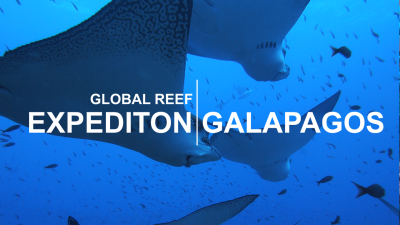
Ep. 2 – Global Reef Expedition: Galapagos
Situated at the confluence of major currents, the Galápagos Islands are not tropical – in fact, they are cold, and reefs were only discovered here in 1975. With the help of a local guide, the Living Oceans Foundation team battles rough seas and cold water. They discover some flourishing reefs at Darwin Island, and further south, a natural laboratory to test the future of what reefs might expect in just a few decades.
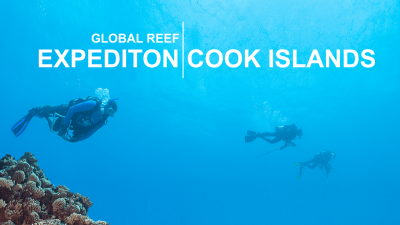
Ep. 3 – Global Reef Expedition: Cook Islands
The people of the Cook Islands have created one of the world’s largest marine parks, and now they’re working together to figure out what that means to a bevy of conflicting interests, from fishermen to miners. In this episode of The Global Reef Expedition, our scientists lend their expertise, exploring reefs at a far-flung island and helping the residents map their resources.
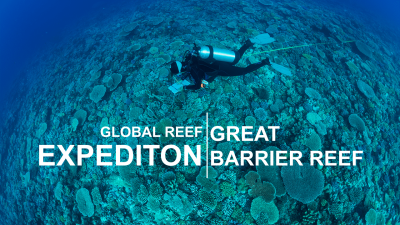
Ep. 4 – Global Reef Expedition: Great Barrier Reef
The Living Oceans Foundation team settles in for a month on the Great Barrier Reef, the largest reef in the world. One of the scientists onboard is studying sharks, while the rest of the team explores the northern portion of the GBR. At the time of the expedition, this was the healthiest part of the reef, but the program concludes with new footage of the 2016 coral bleaching event which caused a severe die-off among these corals.
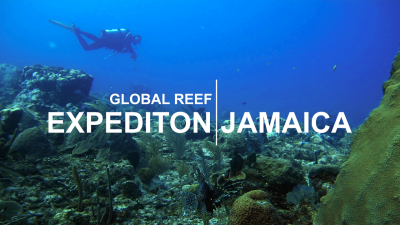
Ep. 5 – Global Reef Expedition: Jamaica
Jamaican reefs, once the most famous in the world, are now struggling just to survive. Local fishermen have to work much harder to make a living. In this episode of The Global Reef Expedition, fishermen team up with conservationists, the Jamaican government, and Living Oceans Foundation scientists to set up a fishing sanctuary, hoping to restore their dwindling fishery.
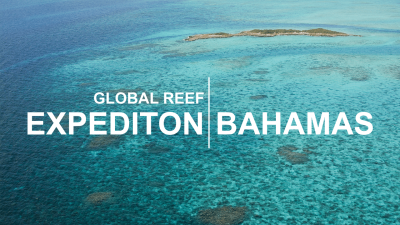
Ep. 6 – Global Reef Expedition: Bahamas
Voiced by a local conservation officer, this episode of The Global Reef Expedition explores one of the largest barrier reefs in the world, which stretches for nearly a thousand miles in the Caribbean Sea. Working together with local scientists and conservationists, the Living Oceans Foundation team documents the reefs here and probes their ability to cope with the perils of climate change.