search-icon

2001

Sea of Cortez Ocean Health Research Expedition

We partnered with other U.S. and Mexican scientists in the Sea of Cortez to conduct research at 12 different sites, spanning a distance of over 500 miles. The team collected and partially processed fungi, soft coral, and sediment samples in an ongoing search for natural products made from marine organisms.

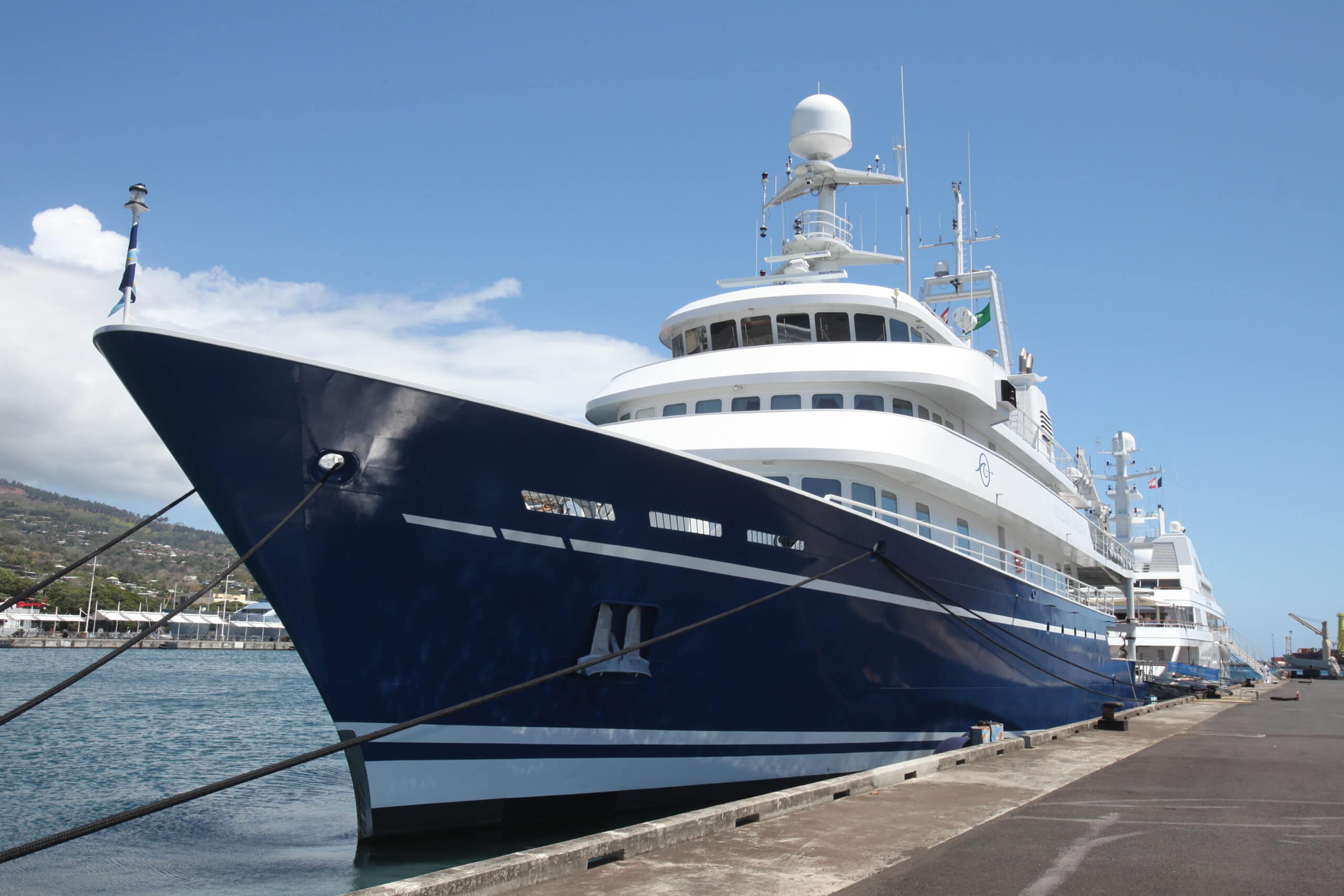
U.S. and Mexican scientists joined forces to conduct a scientific research expedition in the Sea of Cortez off the coast of Mexico aboard the Golden Shadow. The teams went to 12 different research sites, covering a distance of over 500 miles between northern Loreto and southern Cabo San Lucas. Scientists from the Scripps Institution of Oceanography, led by Professor William Fenical, collected and partially processed fungi, soft coral, and sediment samples in an ongoing search for natural products from marine organisms. With a unique sediment collector, samples were pulled up from as deep as 400 feet. Joining the Scripps team was a group of Mexican scientists led by Dr. Rosalba Encarnacion Dimayuga of the Universidad Autonoma De Baja California. As part of a cooperative agreement, the Scripps scientists worked closely with the Mexican team to develop methods of collecting and processing marine organisms to discover those that may be key to treating human diseases. 
Related Posts

2025-2026 B.A.M. Student Voices

Throughout the Bahamas Awareness of Mangroves (B.A.M.) and Jamaica Awareness of Mangroves in Nature (J.A.M.I.N.) programs, we evaluate each phase of the mangrove education and restoration process to better understand how students are learning, growing, and connecting with their coastal environments.

Before the programs begin, students share what they already know about mangroves and how they feel about them. As the program progresses, we continue to gather feedback to see how their knowledge evolves from identifying mangrove species and understanding food webs to recognizing the role mangroves play in coastal protection and climate change mitigation.

But the surveys go beyond science content.

We also ask students…

Read More

Ten Years of B.A.M.: Rooted in Partnership, Growing in Purpose

Ten years ago, the Bahamas Awareness of Mangroves (B.A.M.) program began with a simple but meaningful commitment: to connect Bahamian students with the mangrove ecosystems that shape and protect their island home.

Since 2015, B.A.M. has been implemented in partnership with Friends of the Environment, whose dedication to environmental stewardship in Abaco has made this program possible year after year. Together, we have worked alongside Patrick J. Bethel High School and Forest Heights Academy to bring hands-on mangrove science into classrooms and out into the field.

What makes ten years remarkable is not just longevity — it is consistency…

Read More