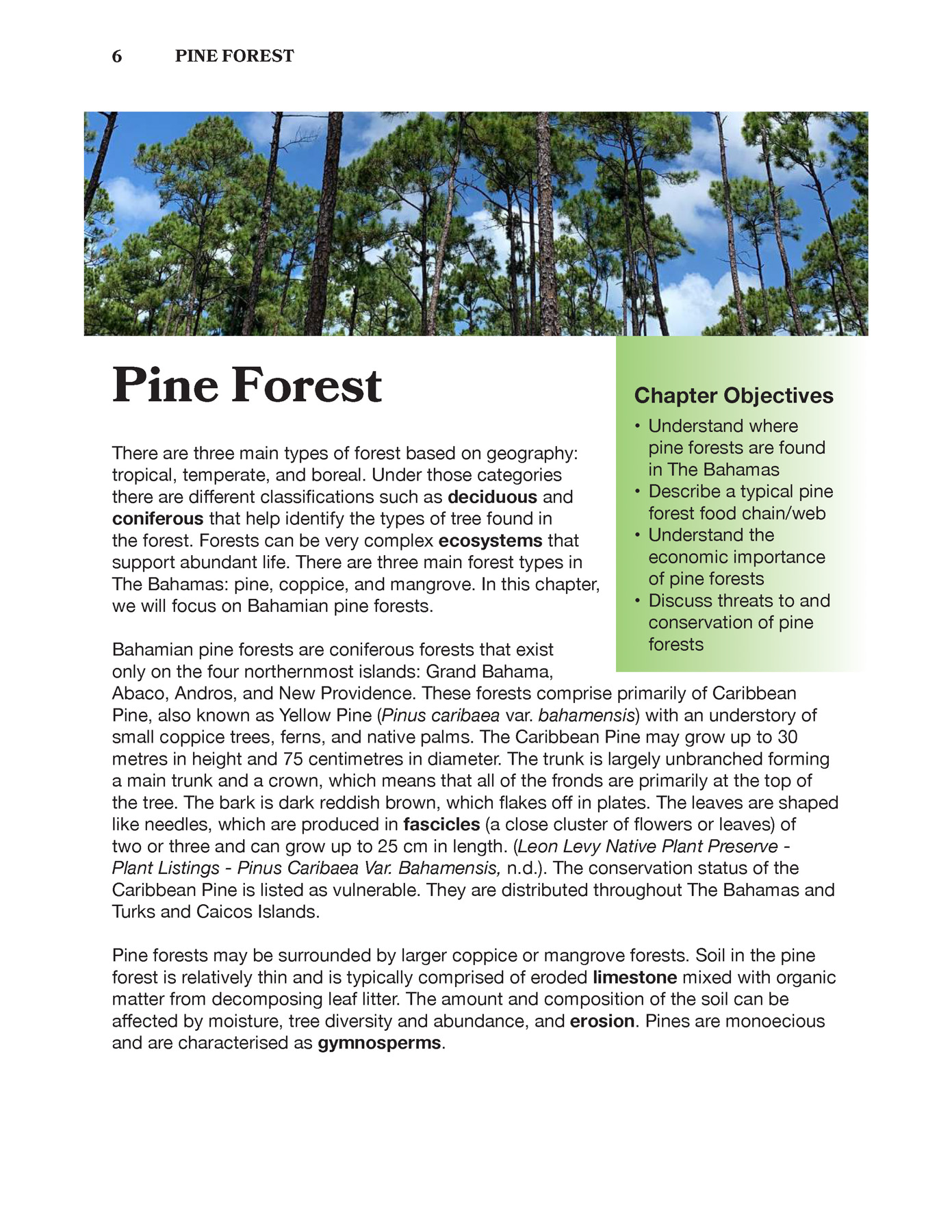
We are thrilled to announce that our partners, Friends of the Environment (FRIENDS), have launched Ecosystems of The Bahamas, the newest teacher’s guide highlighting the Bahamian environment. Designed for use in high school classrooms, Ecosystems of The Bahamas contains background information, labs, and classroom activities that comprehensively cover the major Bahamian ecosystems, highlighting key species, ecosystem services, threats, and conservation measures. The Khaled bin Sultan Living Oceans Foundation is proud that a couple of our lesson plans on mangrove forests are included in this teacher’s guide, which will be used in high school science classrooms across the country.
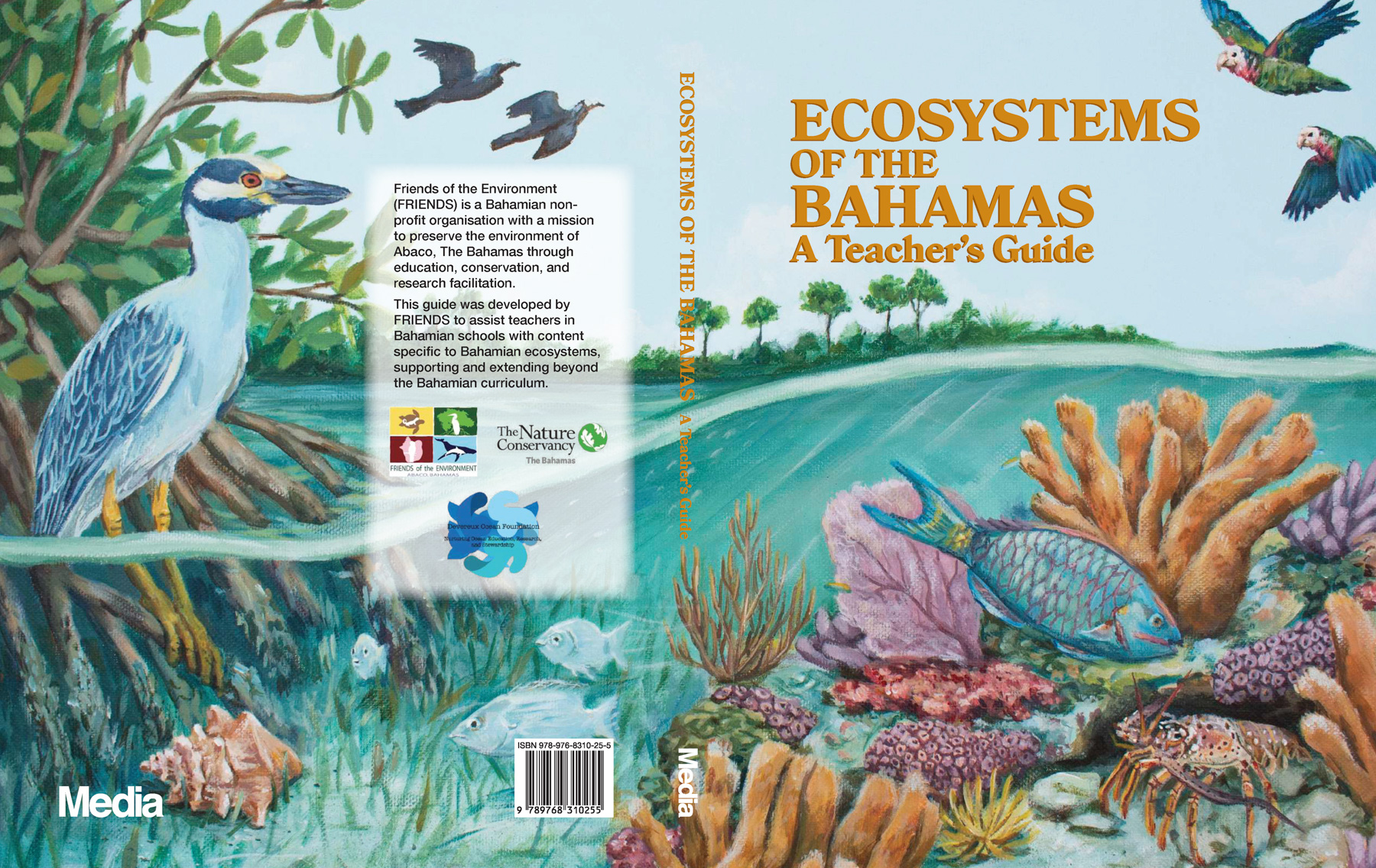
We are part of a diverse group of contributors to this guide, each bringing unique expertise to illuminate Bahamian ecosystems. Fellow contributors include the Perry Institute for Marine Science (PIMS), the Bahamas Marine Mammal Research Organisation (BMMRO), The Nature Conservancy (TNC), and many more.
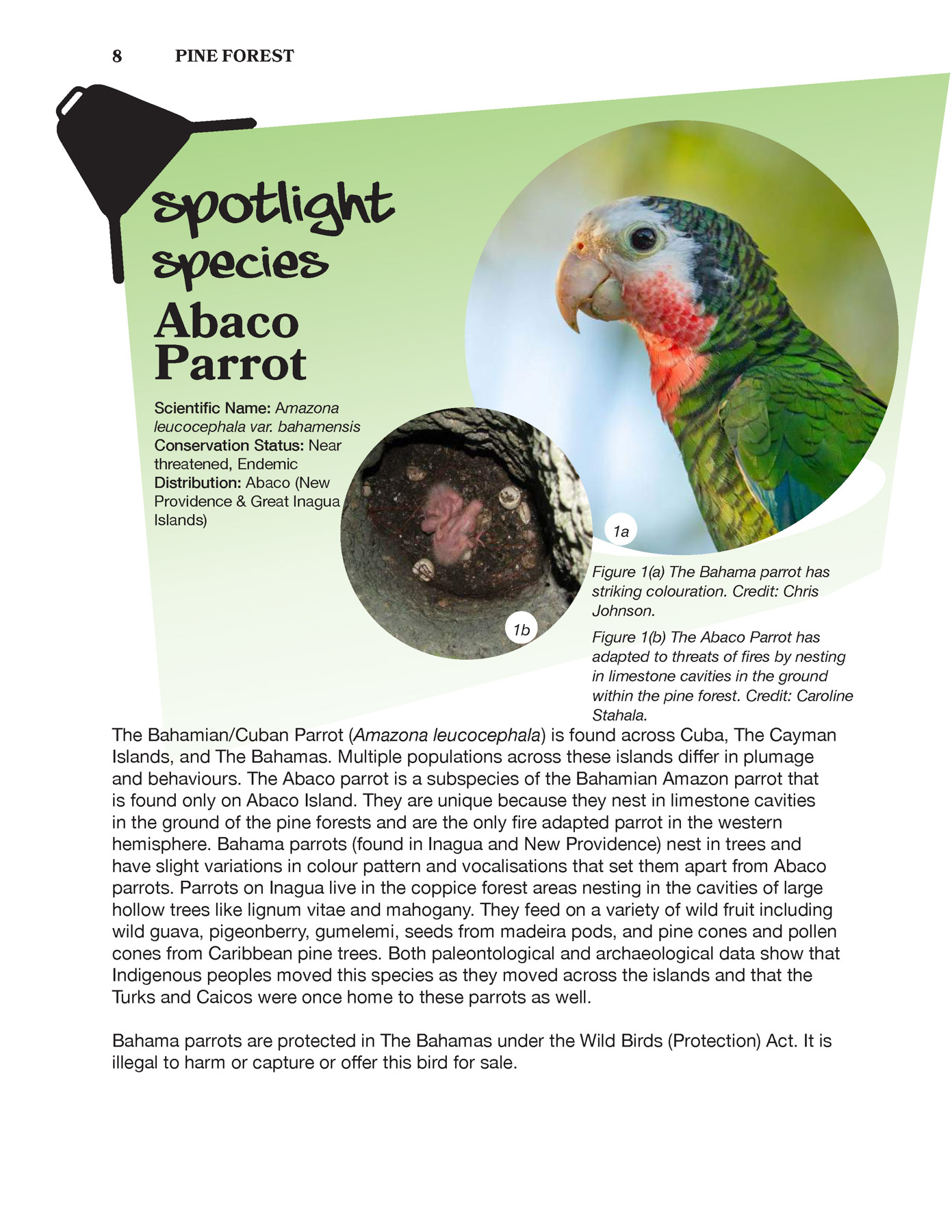
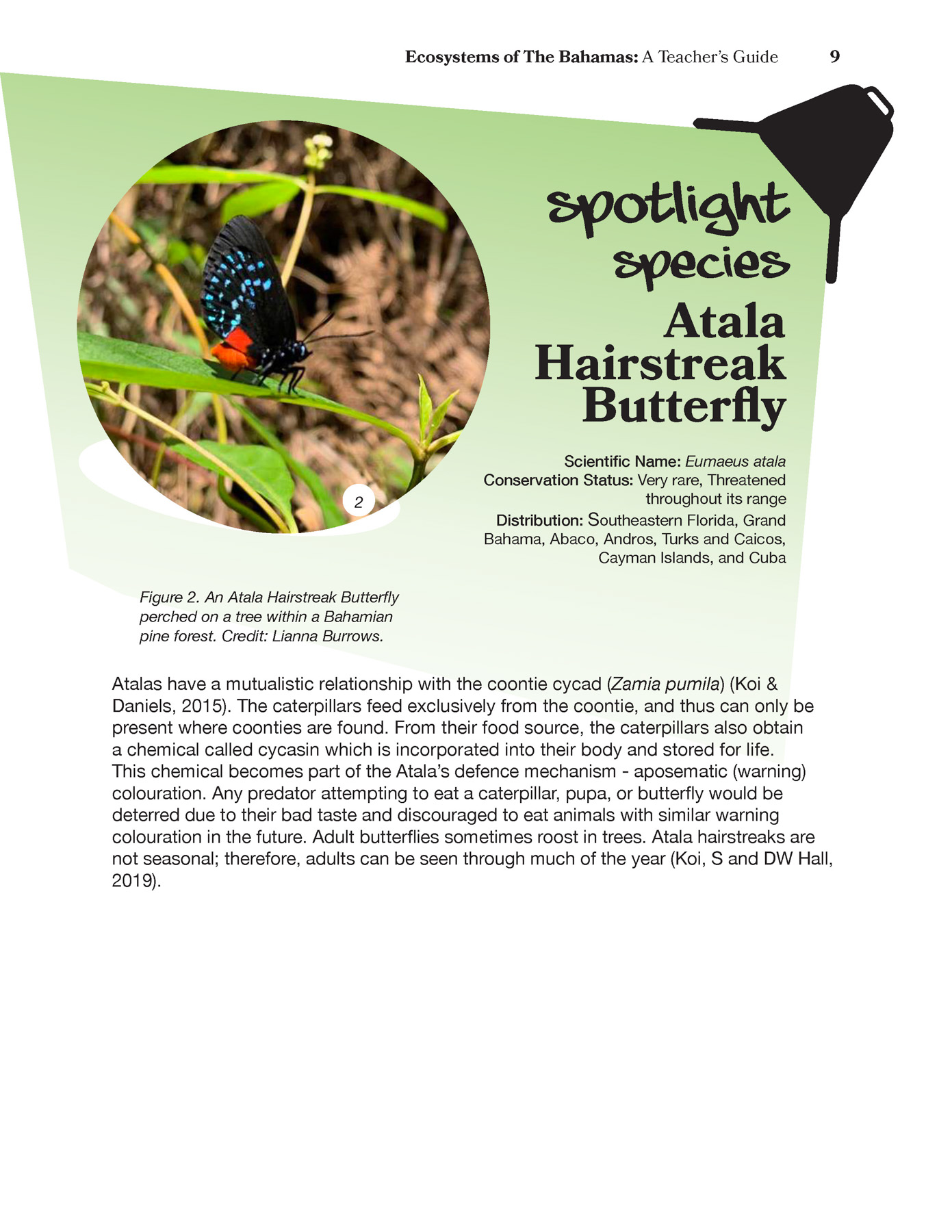
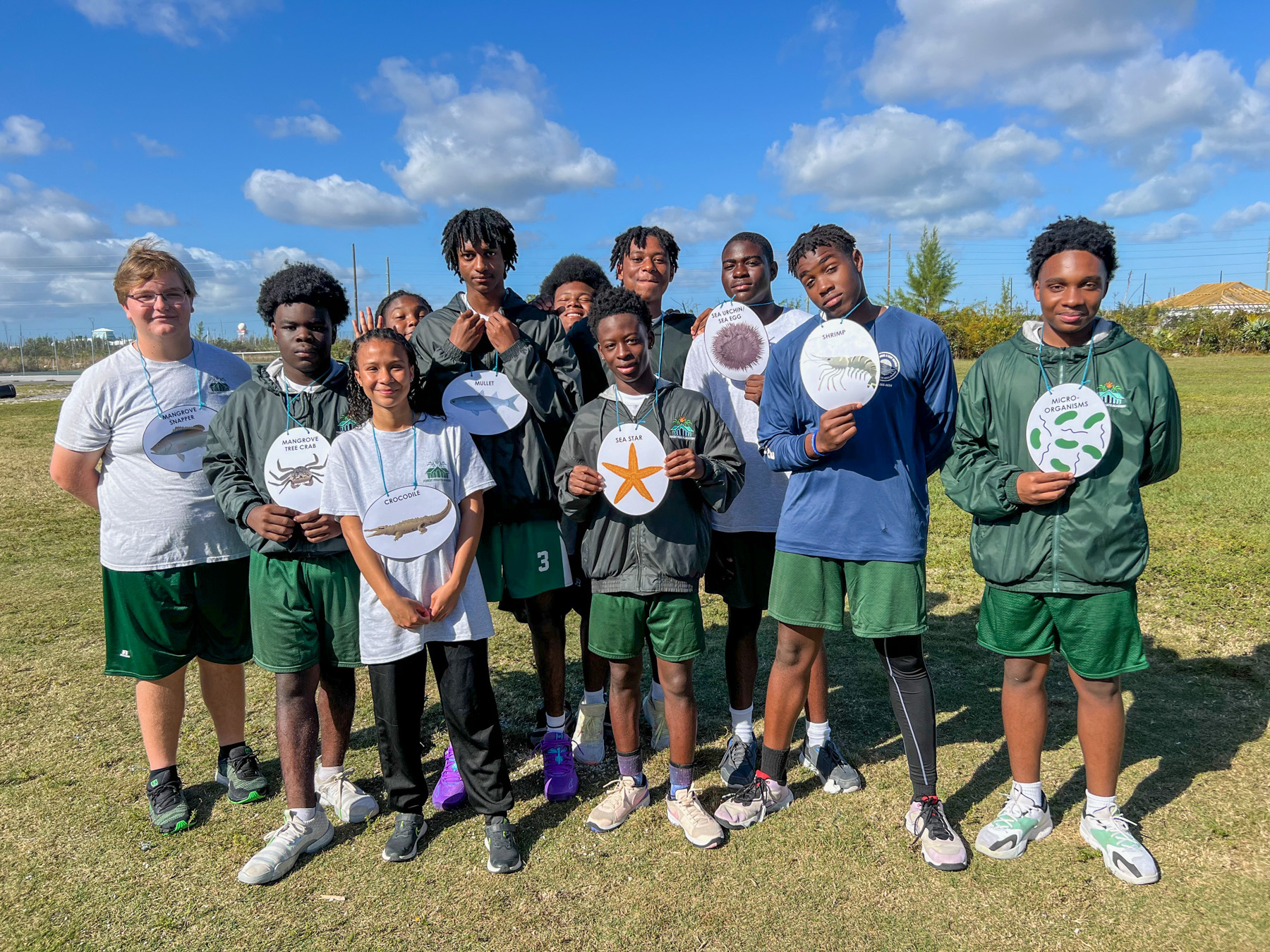
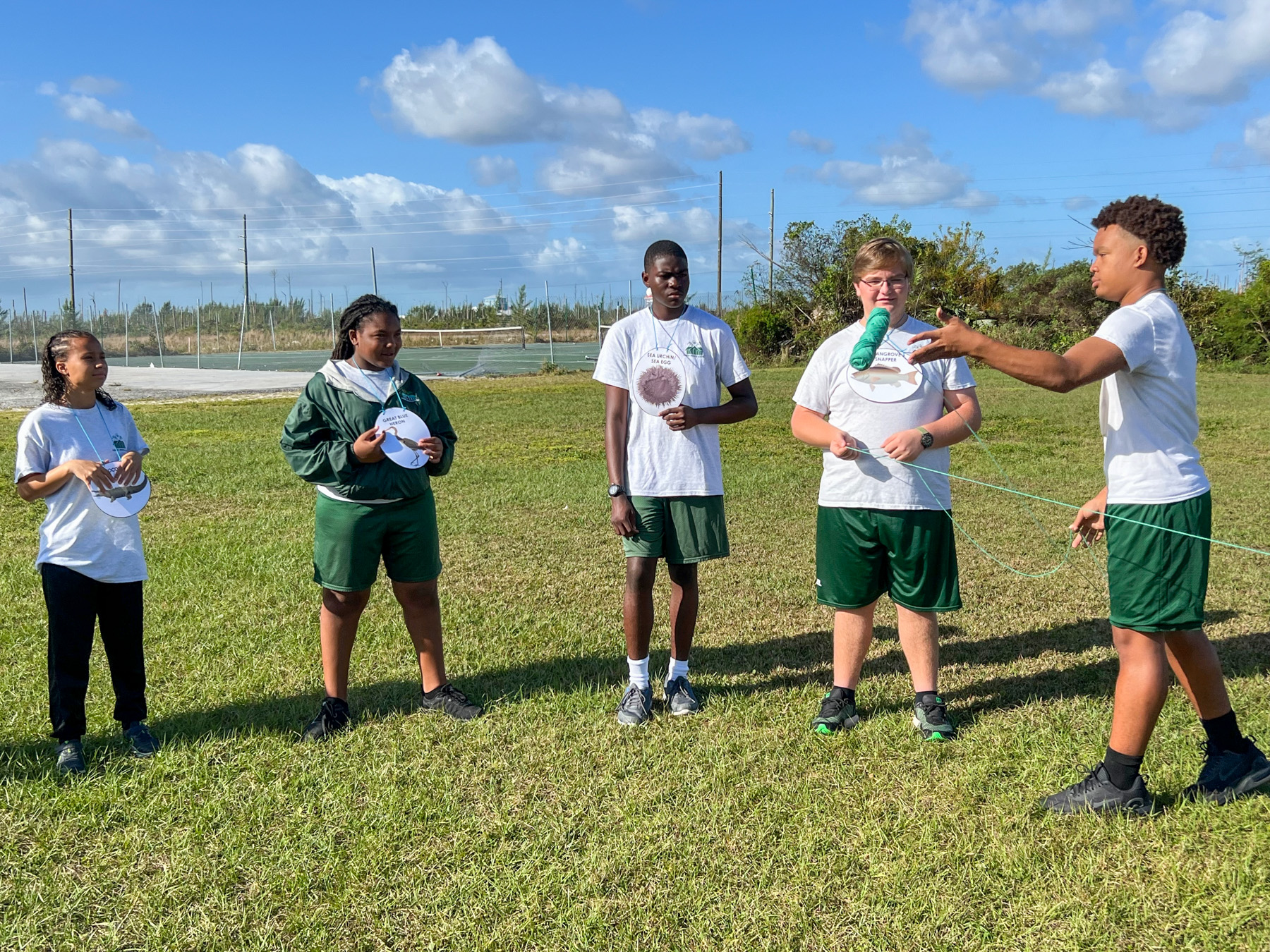
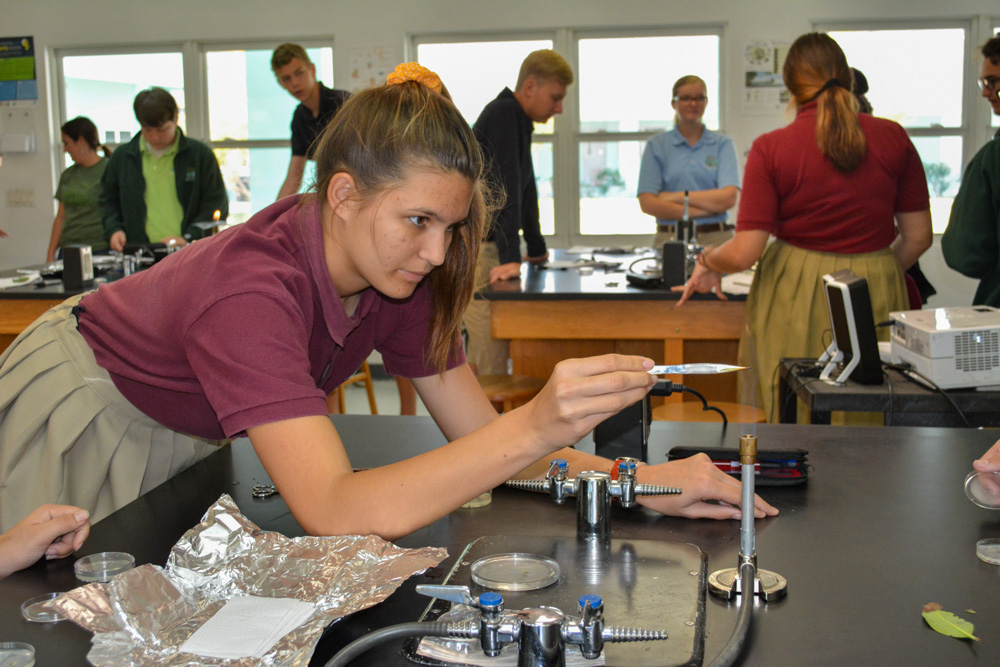
The lesson plans we provided were originally developed for our Bahamas Awareness of Mangroves (B.A.M.) program, which we have run with Friends of the Environment in Abaco since 2015. This two-year program provides high-school students with education and restoration activities focused on mangroves.
The “Stringing it Together” activity, featured in Ecosystems of The Bahamas, is part of our B.A.M. program curriculum. Through this activity, students examine the feeding relationships in a mangrove ecosystem, model energy flow, and learn about disruptions threatening the stability of this vital food web.
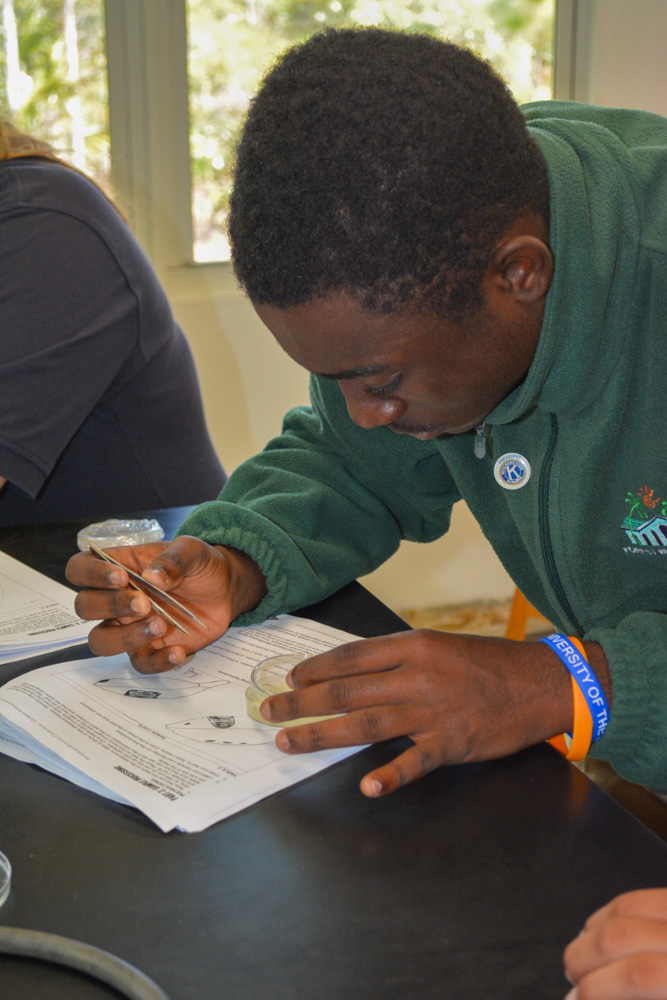
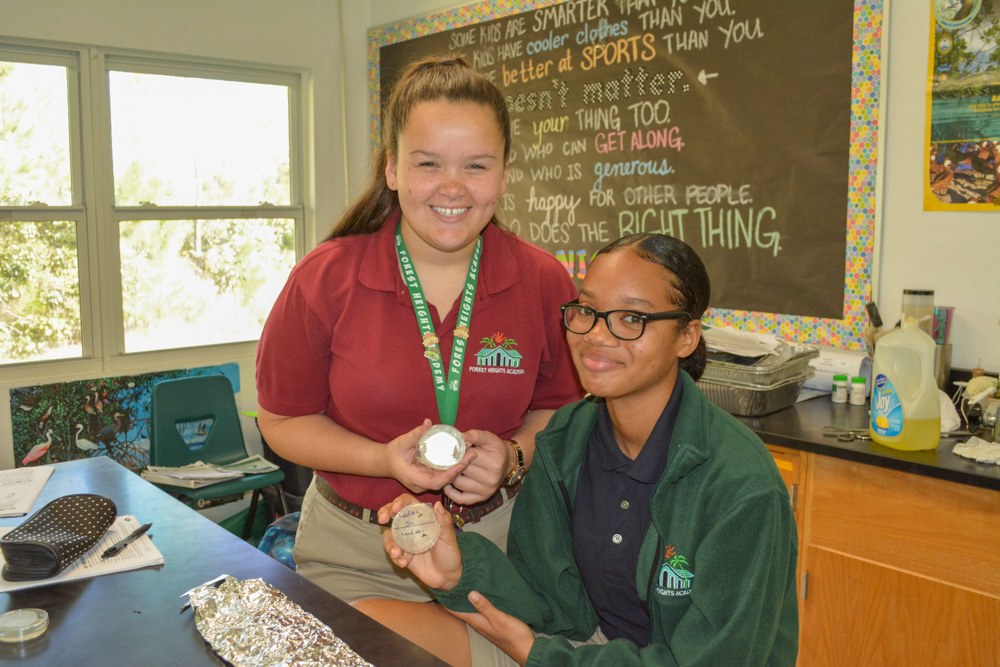
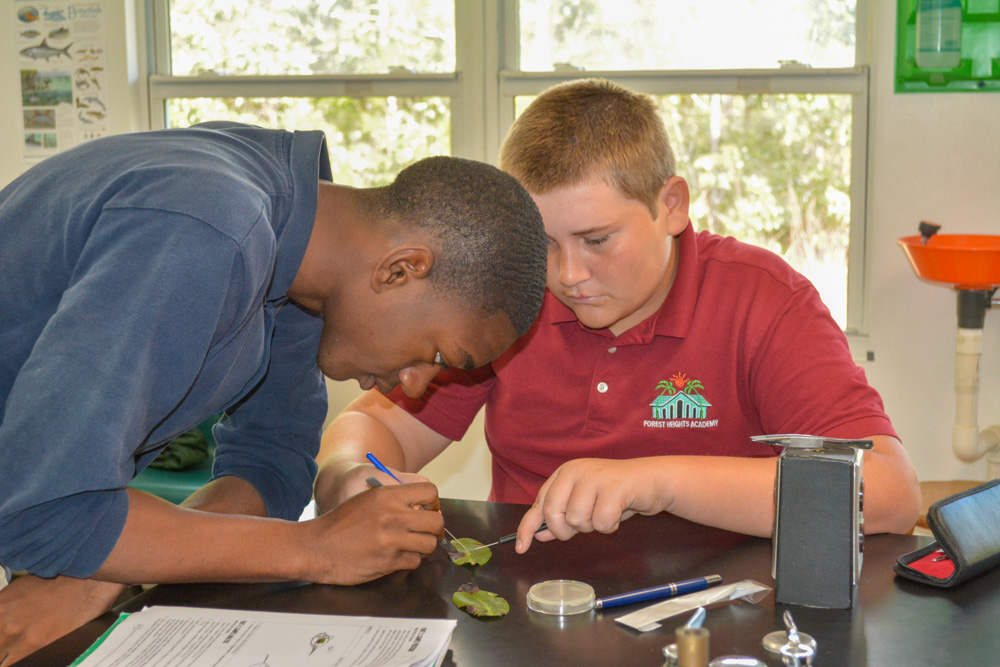
The guide also includes a laboratory activity from our Mangrove Detectives program, a citizen-science initiative created by the Khaled bin Sultan Living Oceans Foundation (KSLOF) and Dr. Ryann Rossi. In this lesson, students collect, process, and analyze potentially diseased mangrove leaves to identify pathogens and explore possible causes of the disease.
FRIENDS will distribute free copies of the guide to high schools in the Bahamas nationwide before the new school year. But you can download the digital version now, which is easily accessible on their website. Although it was designed for high school teachers, it is an excellent resource for anyone interested in learning more about the Bahamian environment Be sure to check it out today!