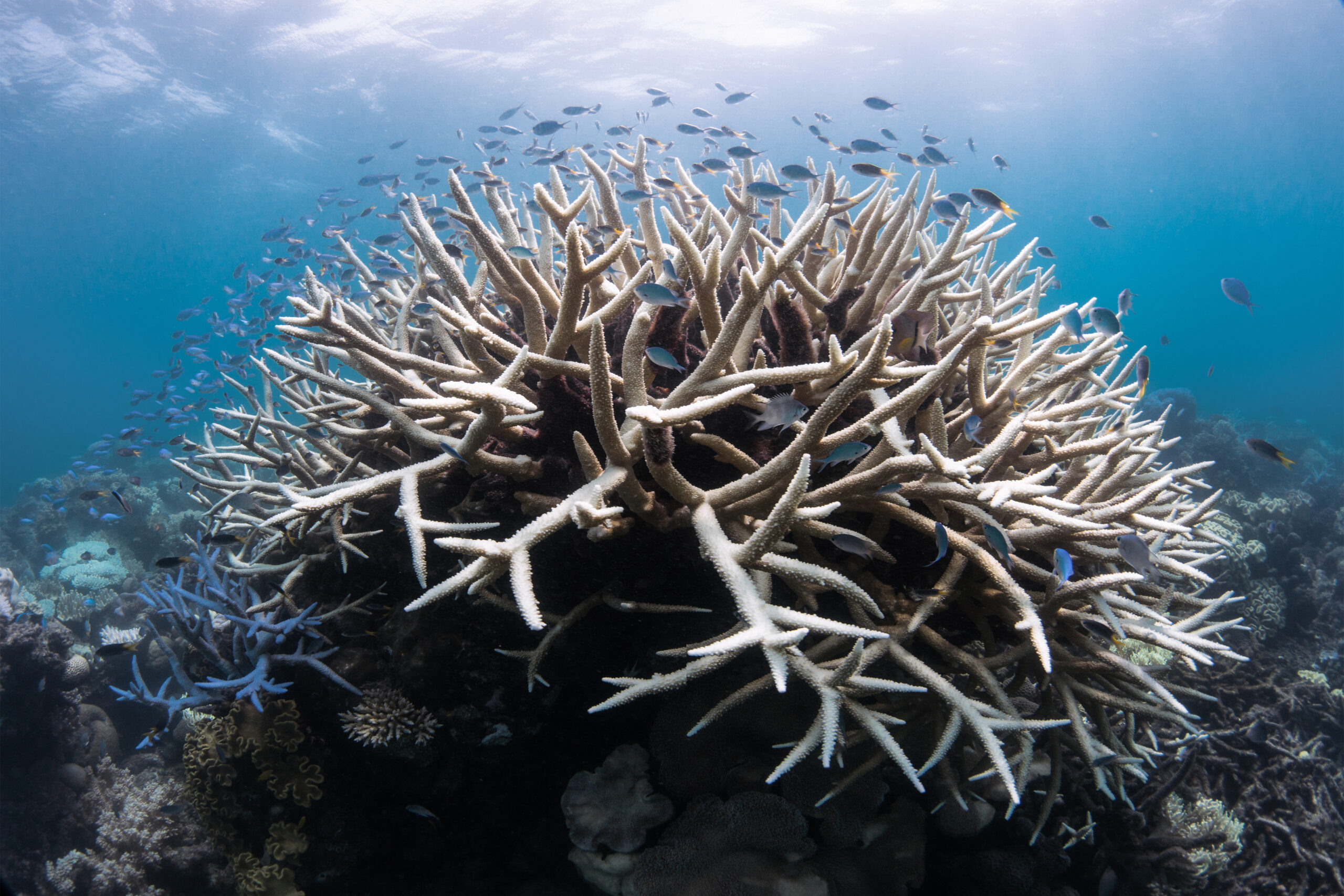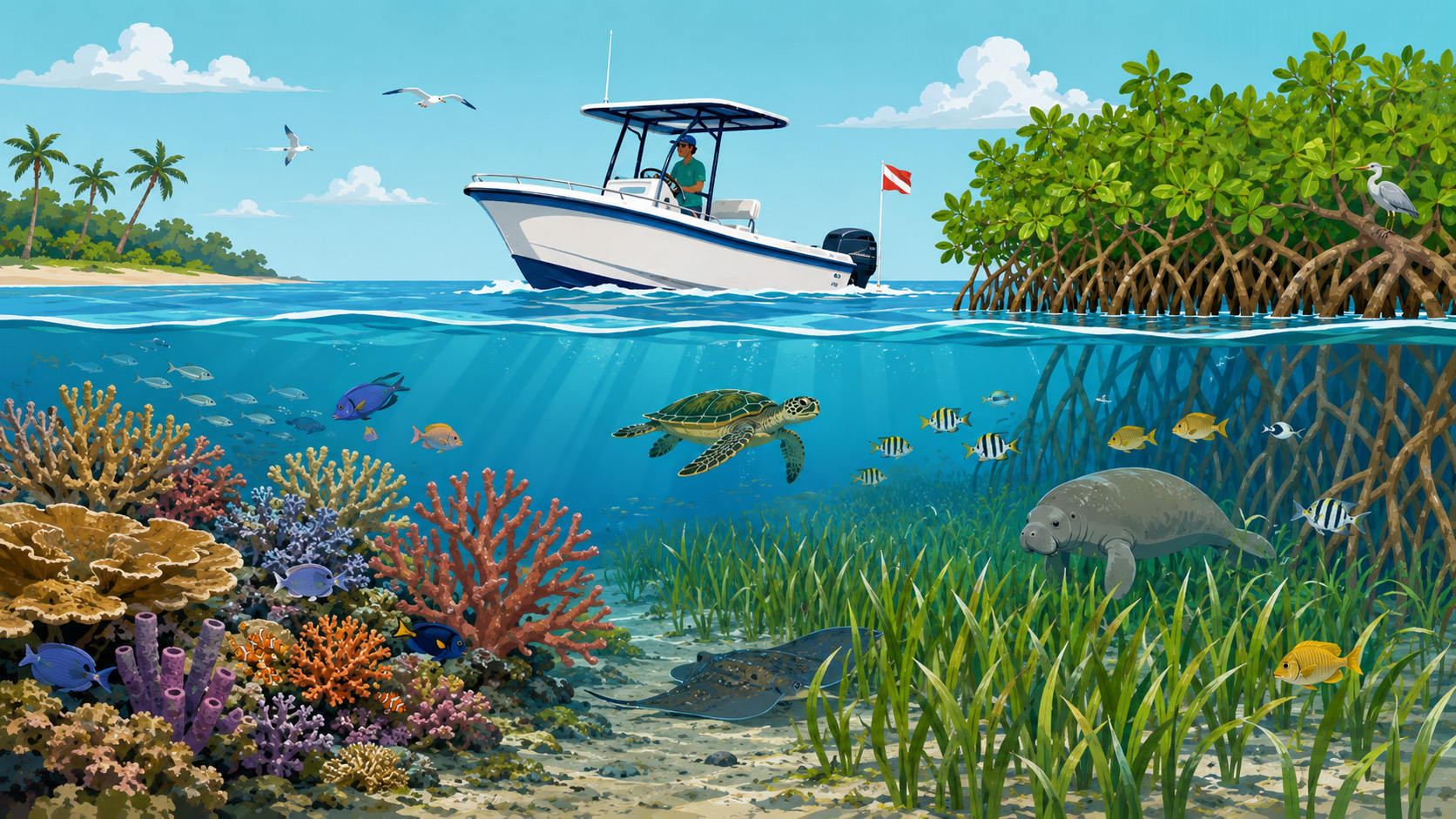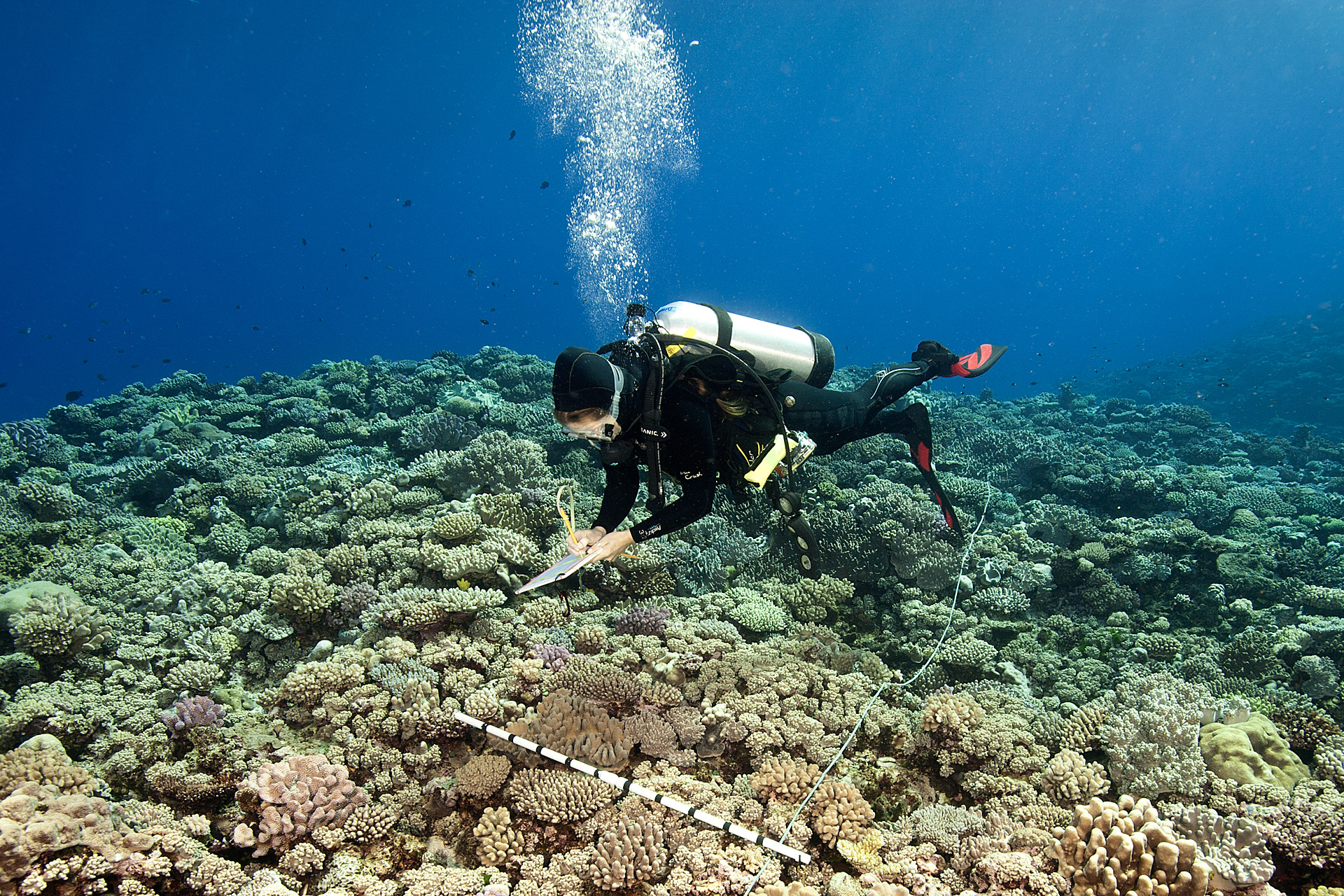
The Khaled bin Sultan Living Oceans Foundation recently published our findings on the health and resilience of the coral reefs in the Kingdom of Tonga. The report includes a unique grading scale we developed to indicate the relative health and resilience of the reef. For each survey site we visited in Tonga, we assessed the benthic community and classified the reef as being in “good,” moderate,” or “poor” condition.
This assessment was based on the overall live coral cover, algae, and invertebrate composition of the reef. These parameters are critical in understanding the complex interaction between the types of algae, total coral cover, and invertebrate composition and has been linked to the overall health of a reef system.
For example, crustose coralline algae (CCA) (also known as ‘live rock’) is the optimal smooth and clean surface that coral recruits can successfully settle. But too much fleshy macroalgae can take up prime real estate for CCA and makes it incredibly difficult for baby corals to settle. Having a healthy assemblage of coral and algae is also directly linked to supporting a healthy fish community. Higher rugosity, or more variable structure, due to a diverse coral community, provides a suitable habitat for fish through better shelter and food availability to support the fish community.
To create the reef health grading scale, we established a protocol for classifying the health of the reef into three categories, using existing scientific literature as a reference. Areas with high coral cover (>40%), low cover of macroalgae and soft coral, and high percentages of CCA are in “good” condition. Reefs with “moderate” reef conditions have live coral cover between 20–39%, with moderate to low macroalgae and soft coral cover, and moderate to high CCA. Reefs that were classified as being in “poor” condition have less than 20% overall live coral cover with moderate to high macroalgae and soft corals, and low CCA.
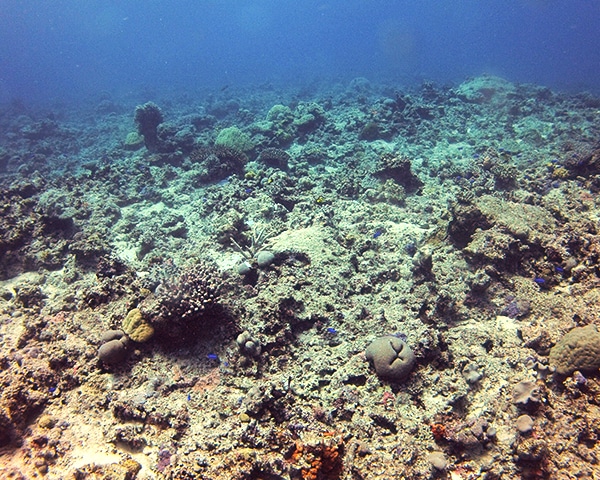
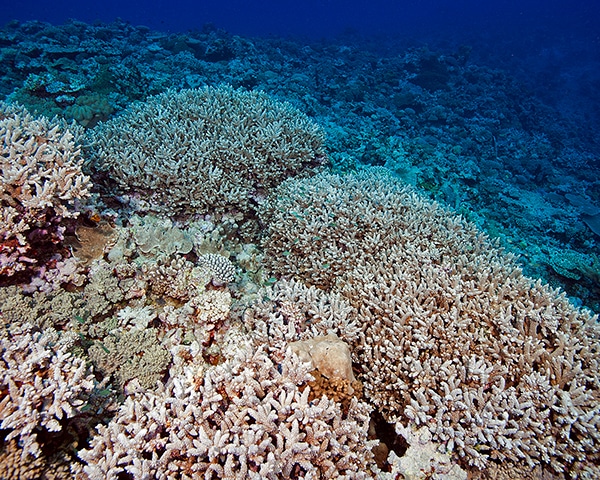
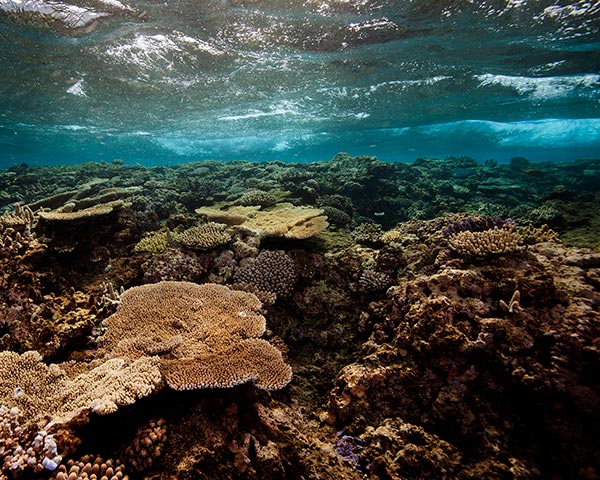
We used a combination of quantitative methods to assess benthic reefs located in the Kingdom of Tonga. This standardized collection methodology provided us with robust data and important metrics that we used to grade reef sites. On the Global Reef Expedition mission to Tonga, scientists surveyed a total of 58 dive sites, specifically assessing the algae, coral, invertebrate, and total bare substrate at each site.
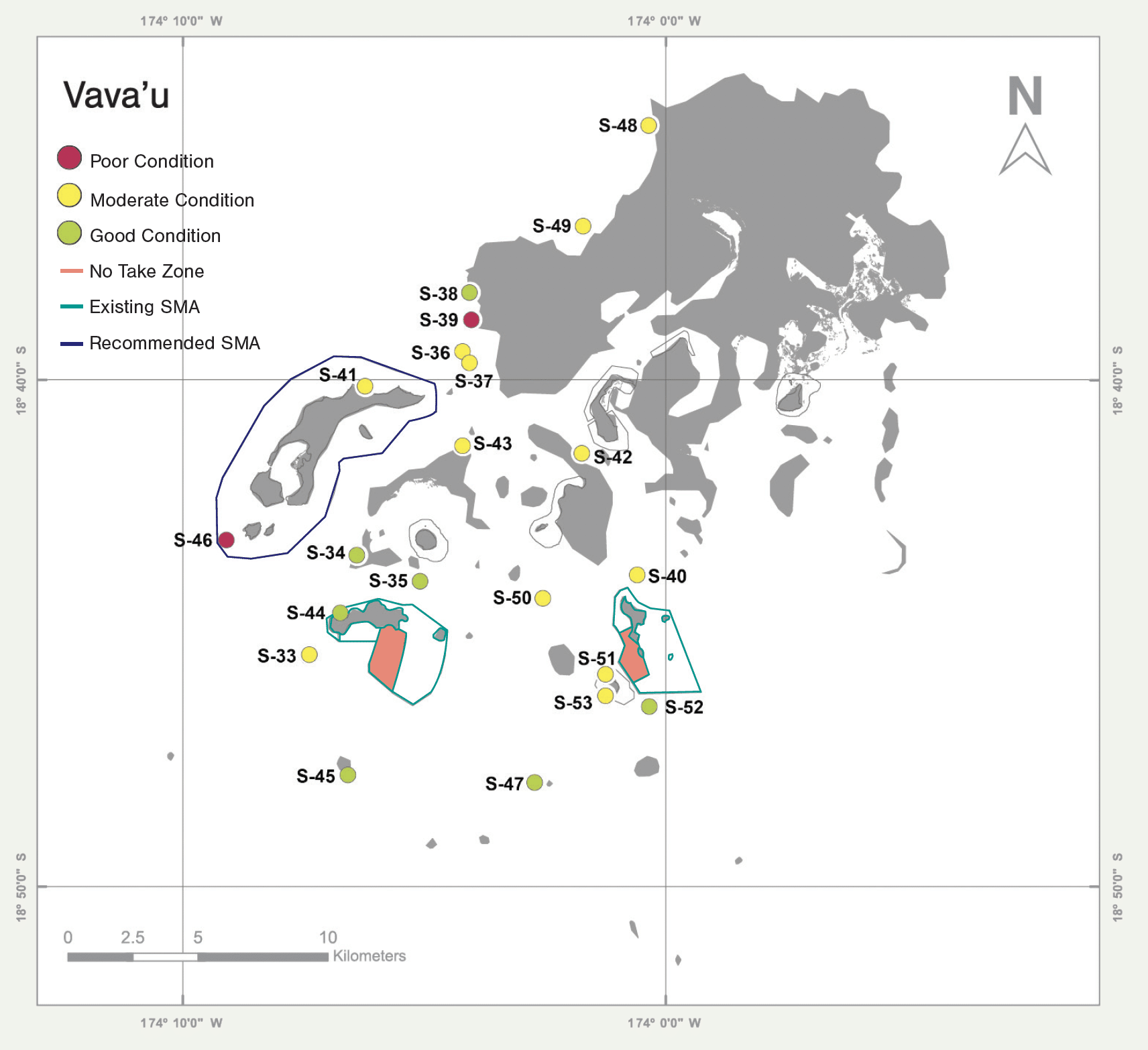
We found varying benthic coral reef community health among the three regions we surveyed in Tonga: Ha’apai, Vava’u, and around the island of Niuatoputapu. Most reefs were in “moderate” reef health, but the health of the reef varied greatly from site to site. This means there is moderate live coral cover (on average about 31%) across all sites visited. We attribute these findings as a byproduct of poor reef fish and invertebrate communities, as well as anthropogenic stressors such as fishing pressure and possibly nutrient runoff.
This type of grading scale analysis can help people who are working to protect and conserve the reef by providing them with an initial baseline assessment of the current state of the reef. It can help the people of Tonga identify which reefs need to be managed and protected and help them prioritize where to focus their conservation efforts. Reporting this type of information can also help track the progress of coral health over time and is a straightforward means of communicating the success of management efforts to the public.
Learn more about the reef health grading scale
 For more detailed information on how we graded coral reefs in Tonga, and to see a full list of reef sites and their grades, please read our latest publication, the Global Reef Expedition: Kingdom of Tonga Final Report.