
search-icon
Ocean Acidification: Breaking it Down

Guest Co-Host: Allie Toomey, Earth Echo International

On Thursday, April 30th at 1pm Eastern/ 10am Pacific, join the Khaled bin Sultan Living Oceans Foundation and our partners at Earth Echo International for “Ocean Acidification: Breaking it Down,” an exciting Hangout on Air event, live from Jamaica and South Florida. On this Virtual Field Trip, we will talk with scientists studying ocean acidification’s impact on coral reefs and discuss how increases in carbon dioxide and decreases in ocean pH threaten diverse marine ecosystems across the world.
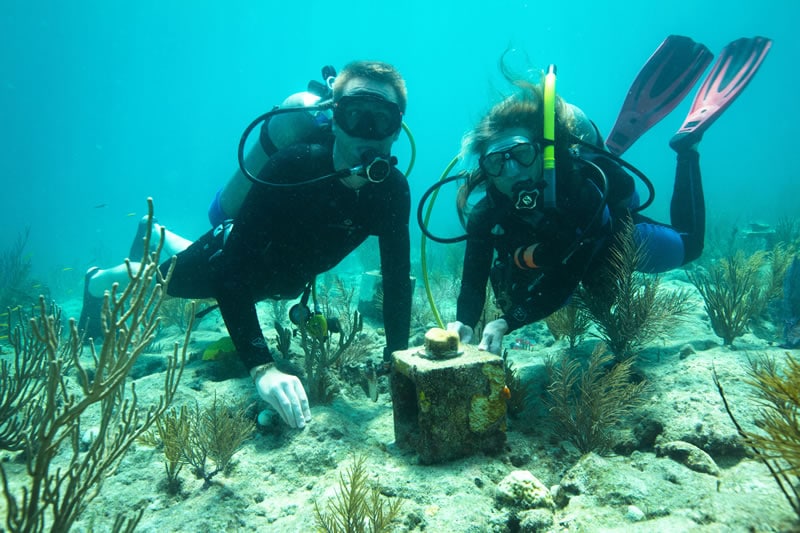
Earth Echo International
Photo: Earth Echo International

We will visit the coral reefs along the South Florida coast, an area that supports both densely populated urban areas and vast agricultural zones. Scientists from the Global Reef Expedition, USGS, and NOAA have ongoing research evaluating how abiotic factors such as temperature, pH, and nutrient levels may be affecting coral communities. The mix of challenges stress coral reef ecosystems, but identifying how each factor impacts the coral communities is key to understanding how to protect and revitalize the ecosystem.

Major issues impacting coral reefs like ocean acidification are challenges that everyone plays a part in. Whether you live on a coast or a prairie, a city or farm, you can be part of a global solution that protects and restores our water planet. Join us to explore ocean acidification, ask questions of scientists, and become inspired on ways to take action.

To sign up to participate in this free virtual event, sign up on our Google+ page or learn more about the event and register on Earth Echo’s website.

Related Posts

Meet IFAN: Helping Bring Navigate with Care to the Next Generation

If you’ve ever seen a lighthouse flashing from the shore or a brightly colored buoy bobbing in the water, you’ve seen Aids to Navigation at work.

Aids to Navigation, often called AtoNs, help mariners navigate safely. They can mark channels, warn of hazards, help vessels determine their position, and provide other information people need to make safe decisions on the water. Around the world, these systems help guide everything from small recreational boats to large commercial or container ships. 

But safe navigation isn’t only about protecting vessels and the people aboard them. The choices mariners make can also affect the animals and ecosystems beneath and around them.

That connection between maritime safety and ocean conservation is at the heart of this year’s Science Without Borders® Challenge—and of our partnership with this year’s theme sponsor, the International Foundation for Aids to Navigation (IFAN).

Read More
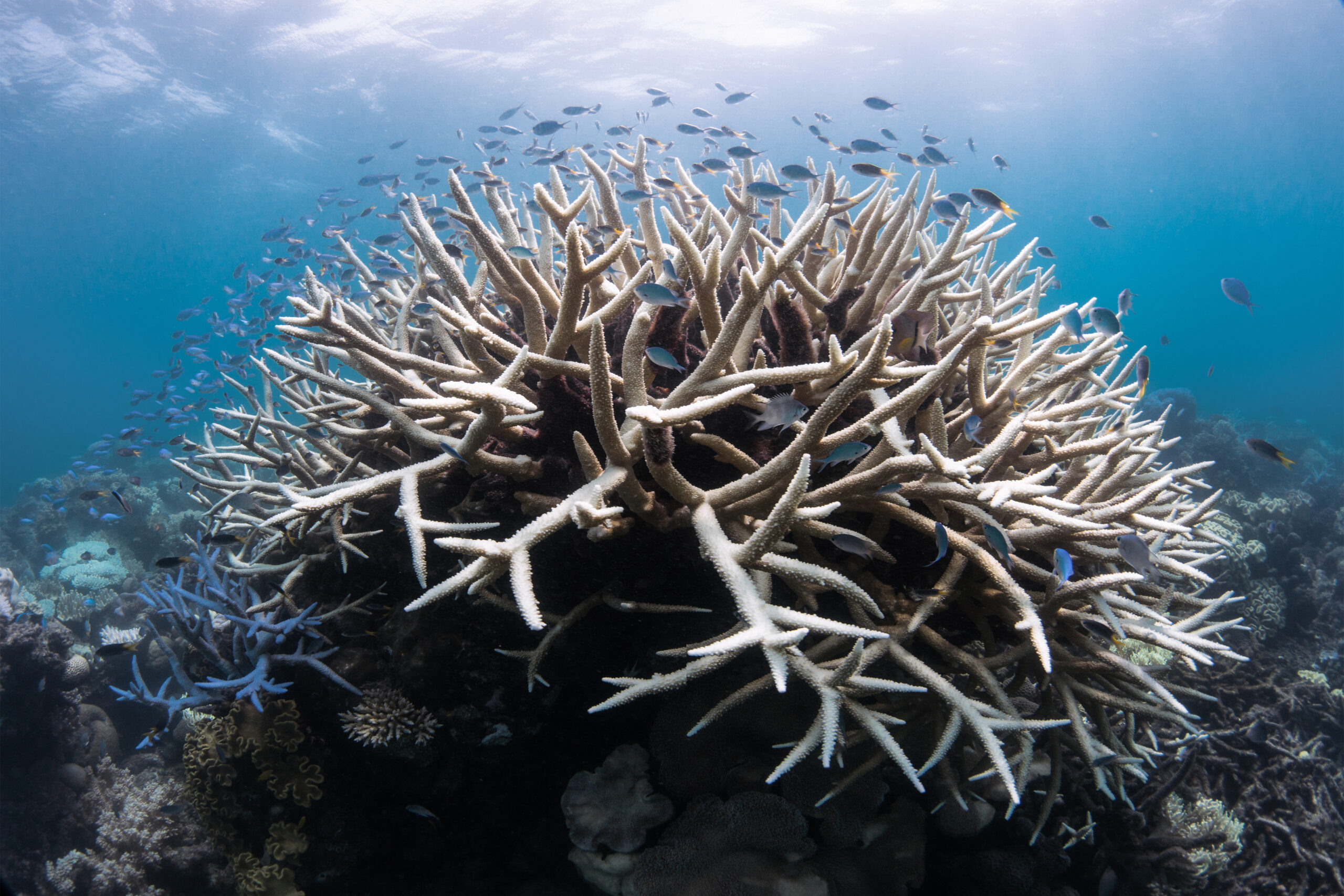
OceanImageBank_TheOceanAgency_Bleaching_16-scaled-1

Coral Bleaching Awareness Month: Giving Coral Reefs a Chance to Recover

For hundreds of millions of years, coral reefs have supported life in our oceans. Although they cover less than 1% of the ocean floor, they provide habitat for at least 25% of all marine species. They also support people around the world by sustaining fisheries and tourism, providing food and livelihoods, and helping protect coastlines from waves and storms.

But coral reefs are under increasing pressure. Pollution, overfishing, coastal development, physical damage, and increasingly warm ocean temperatures can all affect reef health. One of the most visible signs that a coral reef is under stress is coral bleaching.

This September, in recognition of Coral Bleaching Awareness Month, we’re taking a closer look at what happens when corals bleach, why bleaching matters, and what scientists around the world are doing to better understand, protect, and restore coral reefs.

Read More
Privacy Overview

This website uses cookies so that we can provide you with the best user experience possible. Cookie information is stored in your browser and performs functions such as recognising you when you return to our website and helping our team to understand which sections of the website you find most interesting and useful.  You can view our complete Privacy Policy here.

Strictly Necessary Cookies

Most of our cookies are used to improve website security and reduce spam. These cookies should be enabled at all times. They also enable us to save your preferences for cookie settings.

3rd Party Cookies

This website uses Google Analytics to collect anonymous information such as the number of visitors to the site, and the most popular pages. Keeping this cookie enabled helps us to improve our website.