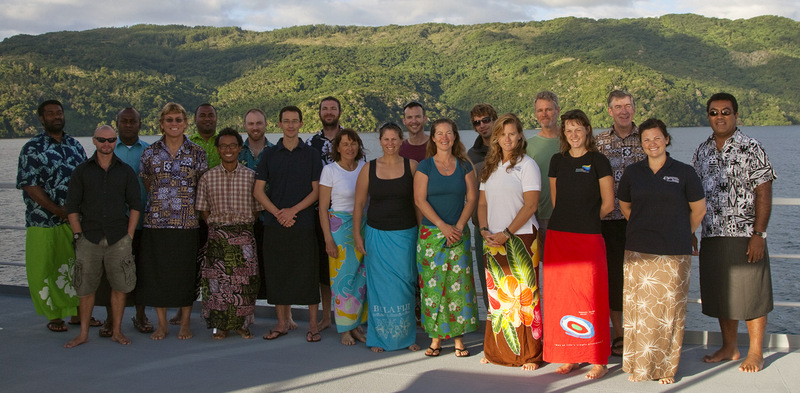
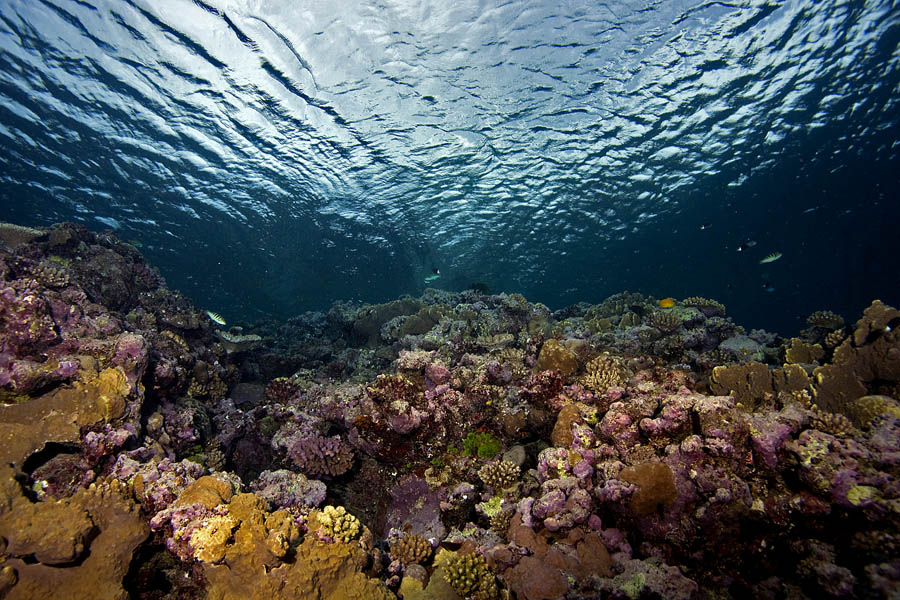
We have just completed a month long mission on the Global Reef Expedition in Fiji. As we continue to make our voyage around the world, we learn not only about the coral reefs in each country, but also about the people and their traditions and customs. Although we might be culturally different, we were all there for one purpose – to study coral reefs in order to preserve and protect the biodiversity, health, heritage and social and economic value of these precious resources.
Another organization that is strengthening global relationships and studying marine science is the Oceans for Life program. This unique program brings together Middle Eastern and U.S. high school students, not only get a cultural understanding, but they engage in ocean conservation.
This year 15 students from the Middle East including Bahrain, Egypt, Lebanon, Pakistan, Qatar, Saudi Arabia and Oman, and 15 students from across the United States that are participating in this Oceans for Life field study in Channel Islands National Marine Sanctuary.
Dr. Andrew Bruckner, Chief Scientist, of the Khaled bin Sultan Living Oceans Foundation spoke to a group of thirty Oceans for Life students. He conducted a Skype call from the M/Y Golden Shadow in Fiji with this group of young students. They were able to ask him questions related to coral reefs. They asked many good questions including, why are you studying coral reefs around the world? Do hurricanes affect coral reefs around the world? How did you become so passionate about coral reefs?
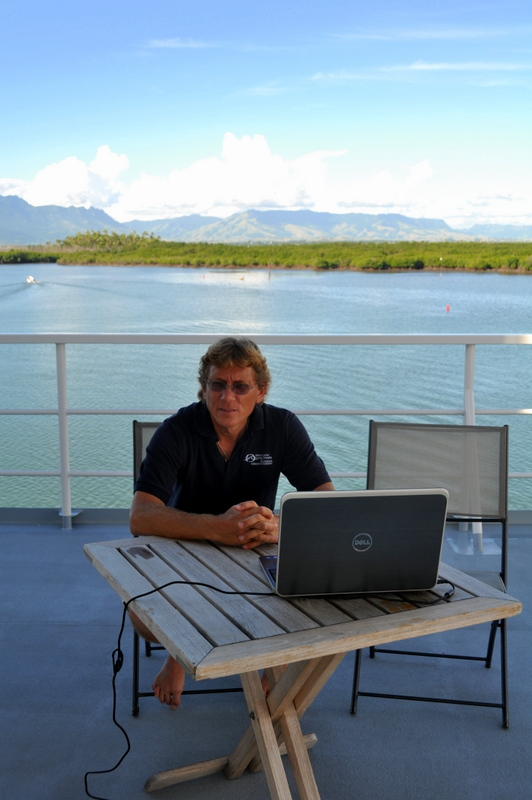
When asked this last question, Dr. Bruckner responded, “I have seen a lot of reefs that have been damaged by hurricanes, starfish, disease, bleaching, and from first glance there is very little coral and a lot of fleshy seaweed, but when I look a bit closer I see new life – dozens of tiny coral recruits that have started to rebuild the reef. This gives me hope that coral reefs can adapt to climate change and living in a changing world.”
Through this program students will walk away with a better understanding of the importance of preservation and conservation of the ocean including coral reefs. These students are the next generation of stewards; however, we are all responsible for the future of our ocean. The Oceans for Life mission statement sums it up well:
“We are all connected by the ocean, and by studying the ocean, we can learn about improving stewardship of the planet and ourselves: one world, one ocean.”
The Living Oceans Foundation too will continue to do their part in fulfilling this mission as they travel around the world as part of the Global Reef Expedition – Science without Borders©.
Photos/Images by: 1,3 Ken Marks; 2Amy Heemsoth