search-icon
Stars of the Reef

The most familiar members of the phylum Echinodermata are the sea stars (aka starfish). Also contained within this phylum are diverse members such as sea cucumbers, crinoids, brittle stars, and sea urchins. Echinoderms possess an interesting body shape known as pentaradial, or five-sided, symmetry. For some the members of the phylum like sea cucumbers this symmetry is difficult to see but for the sea stars it tends to be an easily observed and well-known feature.

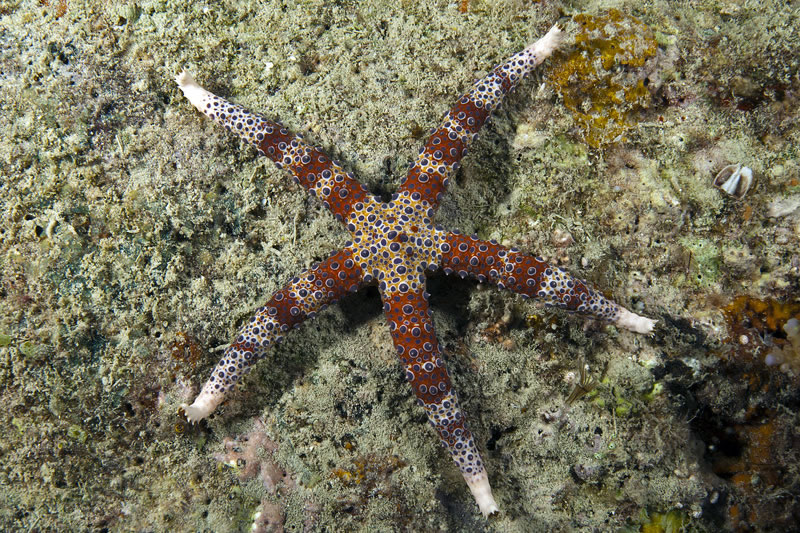
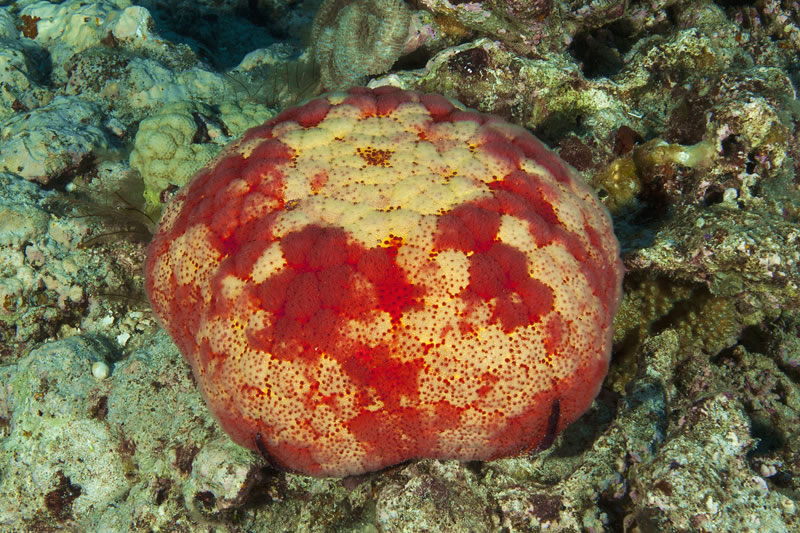
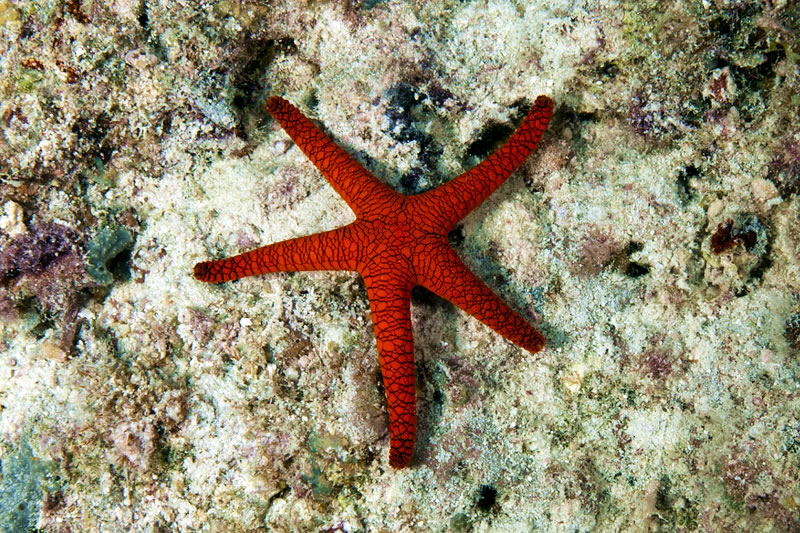
Granular Sea Star, Choriaster granulatusWatson’s Sea Star, Gomophia watsoni
Granular Sea Star, Choriaster granulatus, and Watson’s Sea Star, Gomophia watsoni, showing the distinctive pentaradial symmetry shared by members of the phylum Echinodermata.

In addition to this novel body shape, sea stars have another remarkable trait—regeneration. Many species are capable of losing an arm or two in a process called autotomy (Greek for “self-severing”). Shedding an appendage to elude a predator’s grasp or distract the predator may allow an animal to escape. Interestingly not only will the animal regenerate the lost limb but a limb may also regenerate an entirely new animal.

Sea stars in the genus Linckia are commonly called ‘comet stars’ as shed arms regrowing stubs of new arms make the animal look similar to how comets were once depicted in artwork. It is not uncommon for sea stars that once had a complement of five arms to end up with more arms after limbs have been shed and regrown.
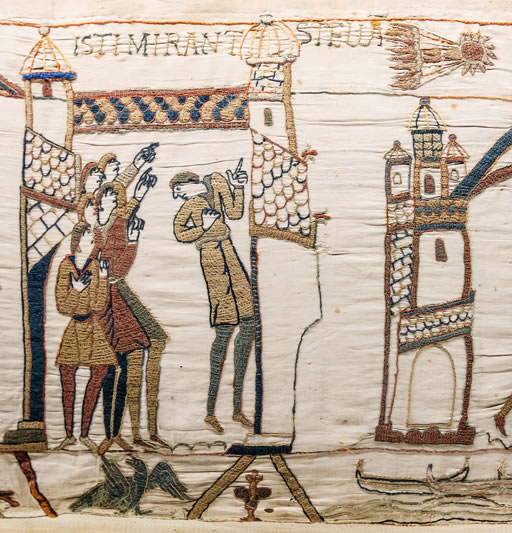
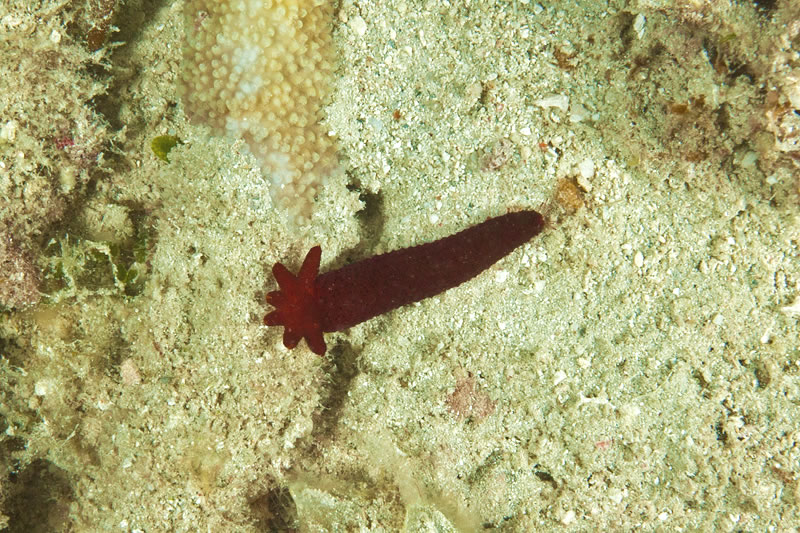
halleys_comet-bayeux-tapestry“Comet shaped” arm regenerating a new central disc and arms.
Halley’s Comet in 1066 as depicted in the Bayeux Tapestry and a “comet shaped” arm regenerating a new central disc and arms.
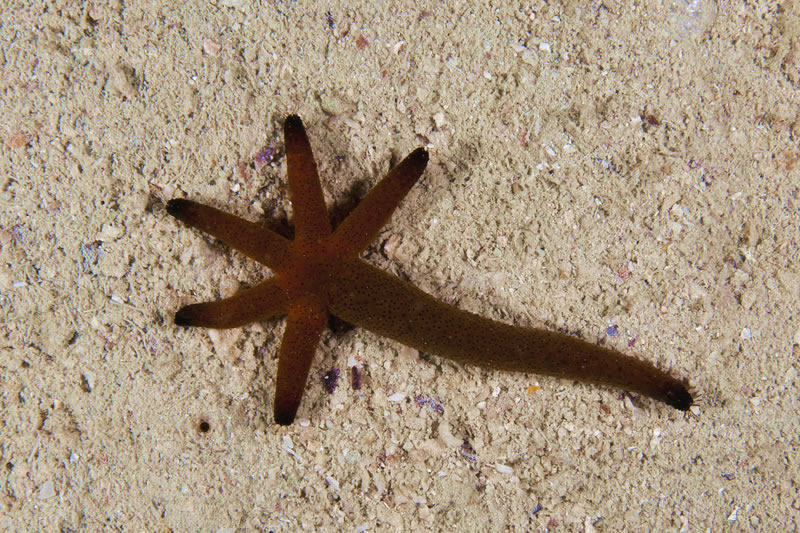
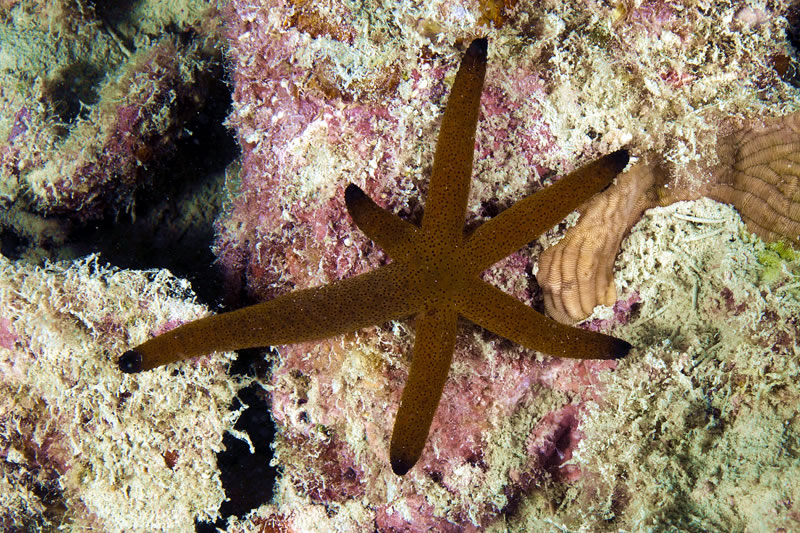
Sea star with partial regeneration.Sea star with partial regeneration.
Stages of regeneration as these single arm fragments regrow a central disc and five new arms resulting in six-legged sea stars.
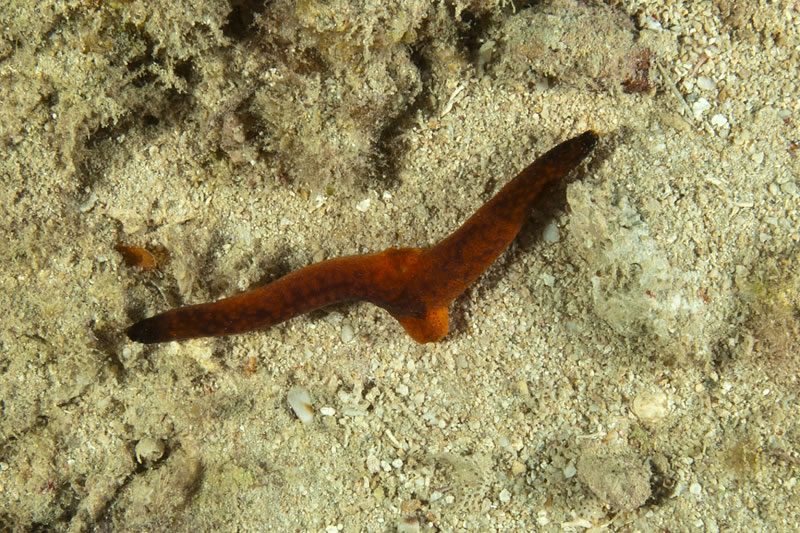
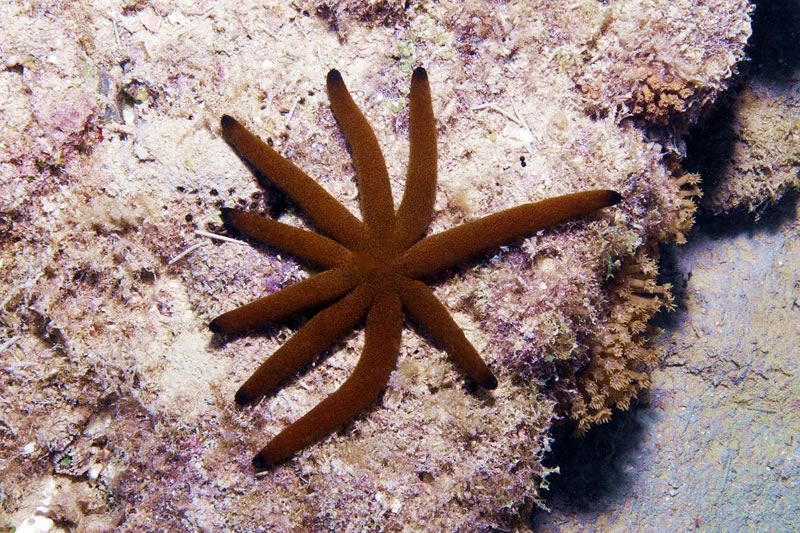
odd two-armed fragment which will regrow a central disc .Sea Star with nine arms.
An odd two-armed fragment which will regrow a central disc and full complement of arms and a sea star with nine arms instead of the normal five after shedding and regrowing its limbs.
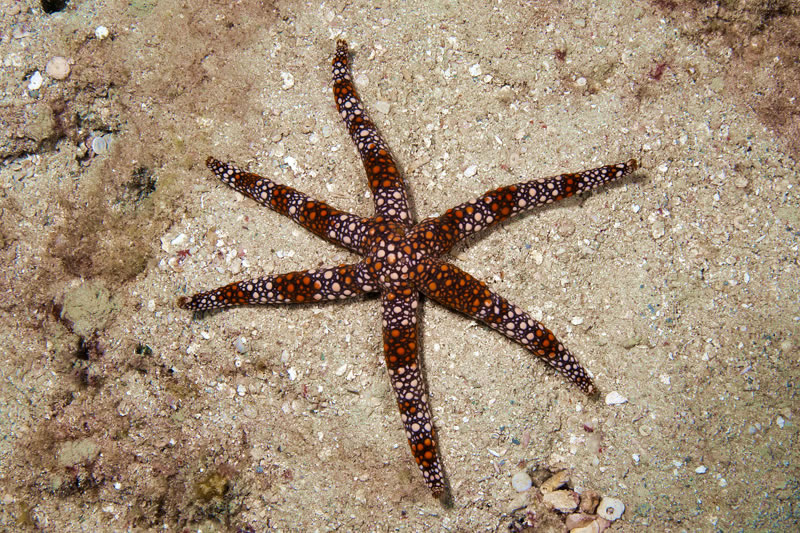
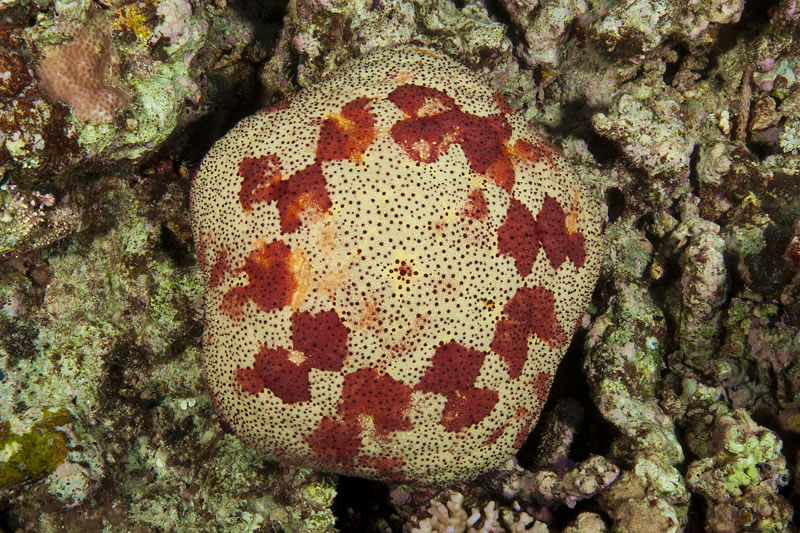
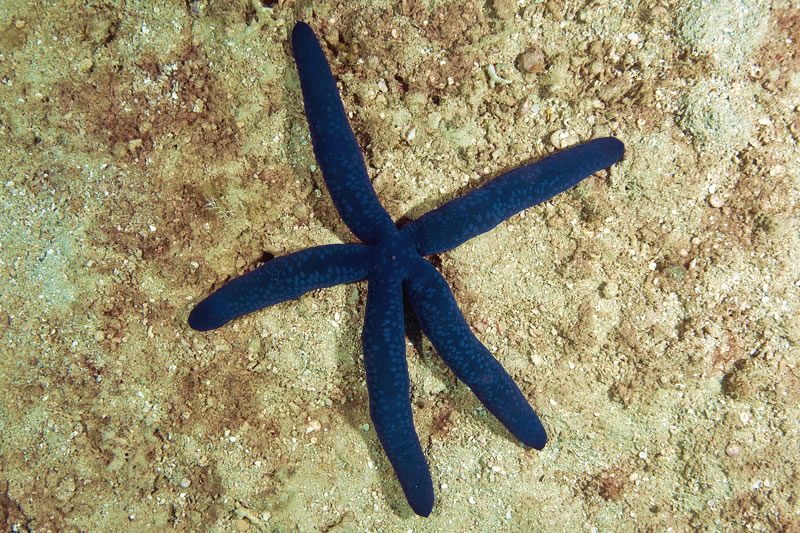
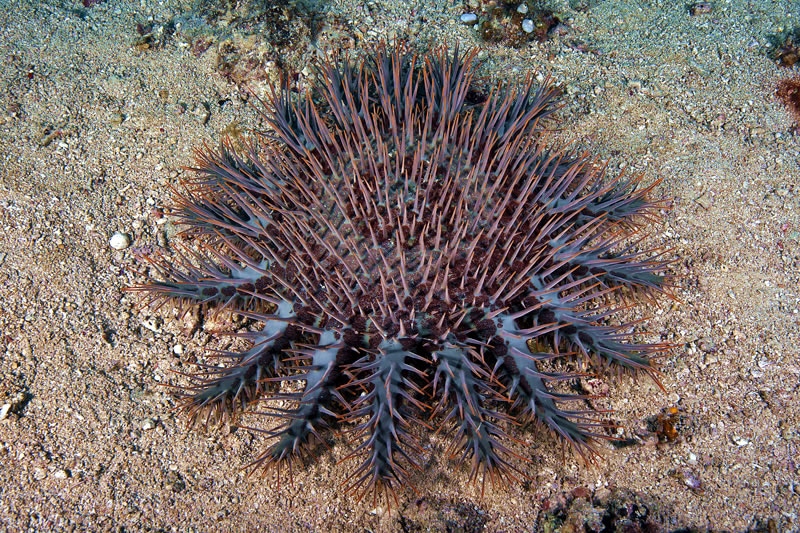
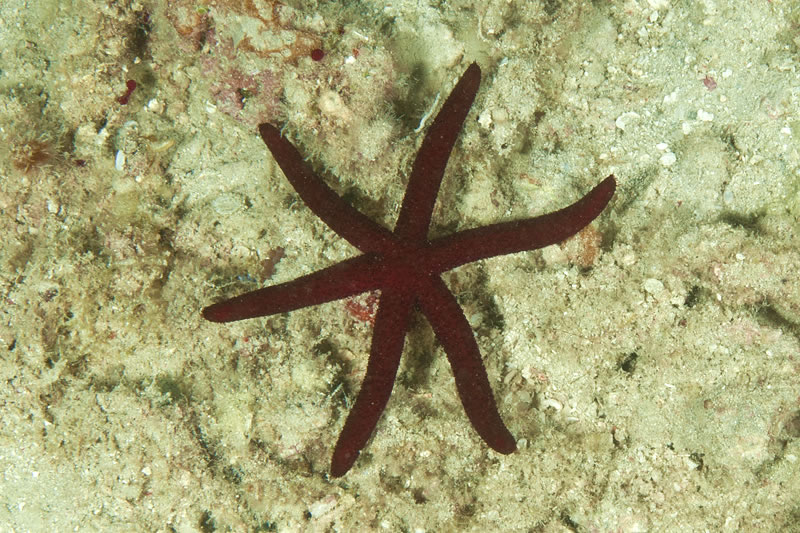
seastar1seastar5seastar2crown-of-thorns-seastarseastar3seastar6seastar4
Here are some other images of sea stars we found.
(Click-thru on each image for more detail.)


Photos by Ken Marks except Bayeux Tapestry image from the Public Domain: http://en.wikipedia.org/wiki/Halley’s_Comet#mediaviewer/File:Bayeux_Tapestry_scene32_Halley_comet.jpg


If you’d like to see more sea stars, check out our Sea Star Gallery:

Sea Star Gallery

Related Posts

Everything You Need to Know About the 2027 Science Without Borders® Challenge

Are you ready to combine your creativity with ocean science?

The 15th Annual Science Without Borders® Challenge is now open! Whether you’re participating for the first time or returning for another year, this guide will help you get started.

This year’s theme, Navigate With Care, invites students to explore how responsible navigation helps protect both people and life in the ocean. Through your artwork, you can compete for scholarships and international recognition while inspiring others to protect both people and life in the ocean.

Read More

Global Reef Expedition Data Contributes to Landmark Report on the World’s Coral Reefs

More than a decade after scientists aboard the Global Reef Expedition surveyed coral reefs across the Pacific, the data they collected continues to contribute to our understanding of the world’s coral reefs.

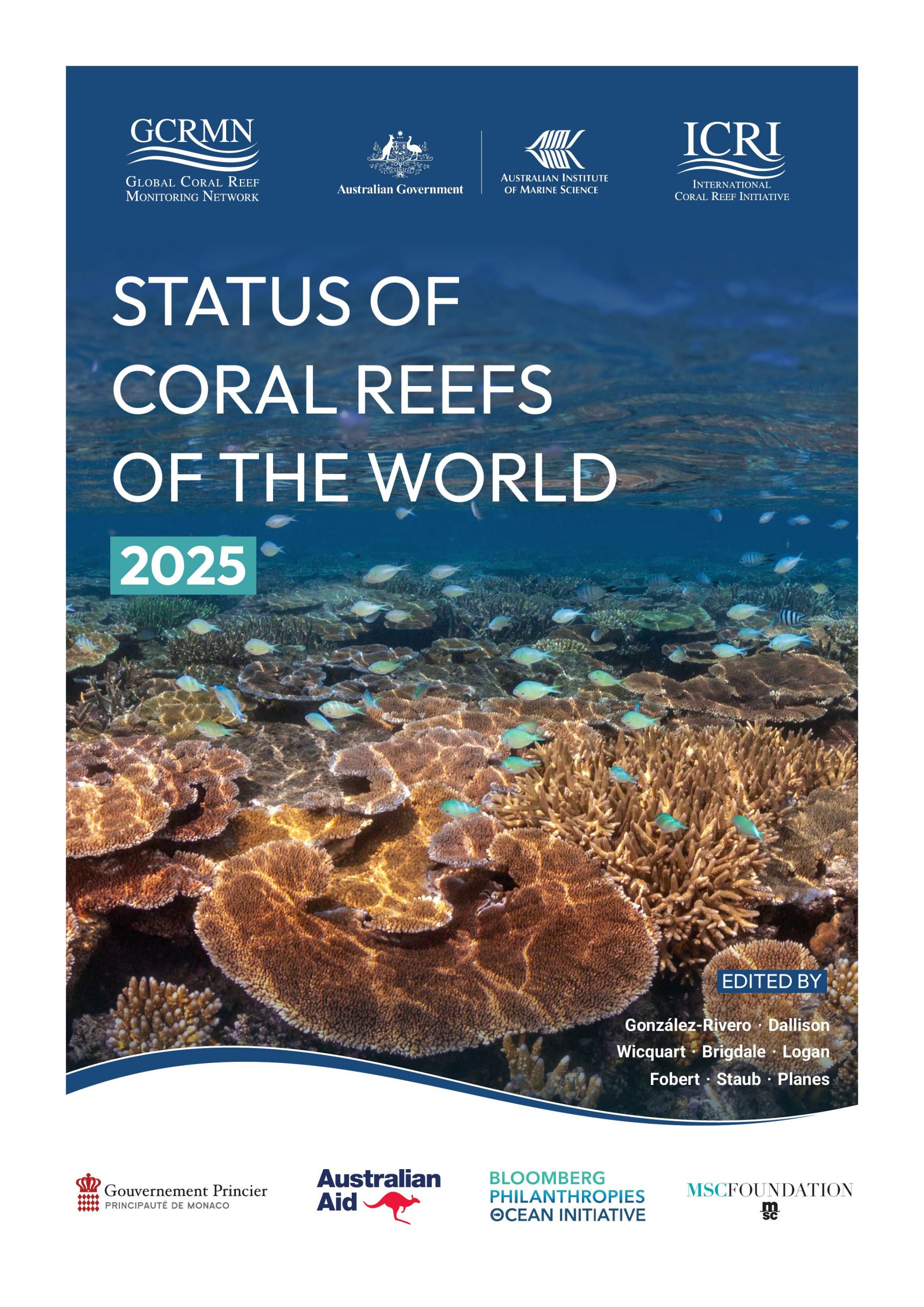
Today, the Global Coral Reef Monitoring Network (GCRMN) released Status of Coral Reefs of the World: 2025, the most comprehensive assessment to date of the status and trends of coral reefs worldwide. The report brings together an extraordinary amount of information collected over more than four decades—and the Khaled bin Sultan Living Oceans Foundation is proud to have contributed data from the Global Reef Expedition to this global effort. 

Read More
Privacy Overview

This website uses cookies so that we can provide you with the best user experience possible. Cookie information is stored in your browser and performs functions such as recognising you when you return to our website and helping our team to understand which sections of the website you find most interesting and useful.  You can view our complete Privacy Policy here.

Strictly Necessary Cookies

Most of our cookies are used to improve website security and reduce spam. These cookies should be enabled at all times. They also enable us to save your preferences for cookie settings.

3rd Party Cookies

This website uses Google Analytics to collect anonymous information such as the number of visitors to the site, and the most popular pages. Keeping this cookie enabled helps us to improve our website.