Photosynthetic Symbioses in Animals
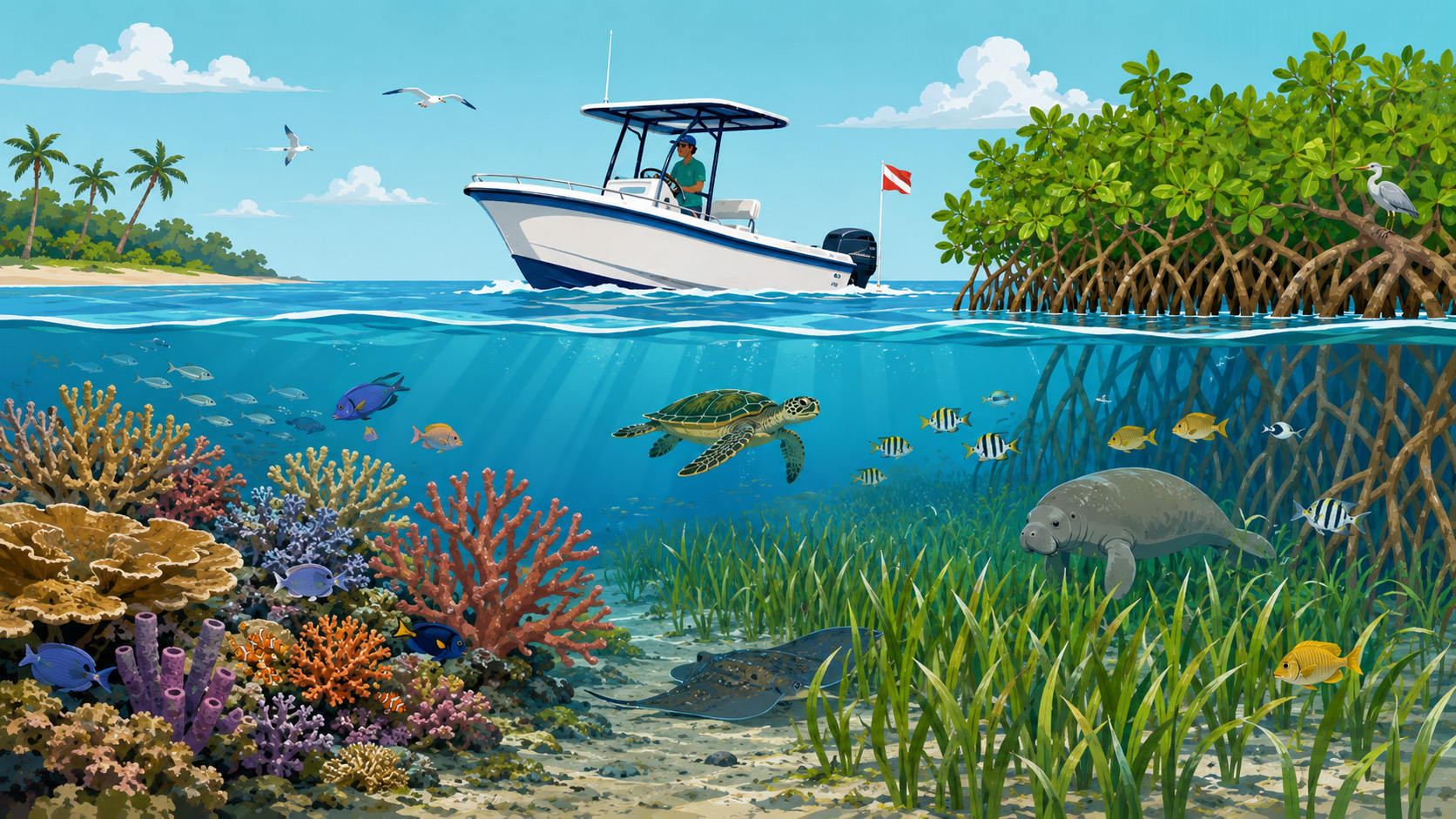
Marine animals acquire photosynthetically-fixed carbon by forming symbioses with algae and cyanobacteria. These associations are widespread in the phyla Porifera (sponges) and Cnidaria (corals, sea anemones etc.) but otherwise uncommon or absent from animal phyla. It is suggested that one factor contributing to the distribution of animal symbioses is the morphologically-simple body plan of the Porifera and Cnidaria with a large surface area:volume relationship well suited to light capture by symbiotic algae in their tissues. Photosynthetic products are released from living symbiont cells to the animal host at substantial rates. Research with algal cells freshly isolated from the symbioses suggests that low molecular weight compounds (e.g. maltose, glycerol) are the major release products but further research is required to assess the relevance of these results to the algae in the intact symbiosis. Photosynthesis also poses risks for the animal because environmental perturbations, especially elevated temperature or irradiance, can lead to the production of reactive oxygen species, damage to membranes and proteins, and ‘bleaching’, including breakdown of the symbiosis. The contribution of nonphotochemical quenching and membrane lipid composition of the algae to bleaching susceptibility is assessed. More generally, the development of genomic techniques to help understand the processes underlying the function and breakdown of function in photosynthetic symbioses is advocated.
INTRODUCTION
Oxygenic photosynthesis has apparently evolved just once, in the lineage that gave rise to all extant cyanobacteria (Cavalier-Smith, 2006). This metabolic capability has, however, been acquired on multiple occasions by eukaryotes through symbiosis either with cyanobacteria or with their unicellular eukaryotic derivatives generically termed ‘algae’. Overall, 27 (49%) of the 55 eukaryotic groups identified by Baldauf (2003) have representatives which possess photosynthetic symbionts or their derivatives, the plastids. These include the three major groups of multicellular eukaryotes: the plants, which are derivatives of the most ancient symbiosis between eukaryotes and cyanobacteria; the fungi, many of which are lichenized with algae or cyanobacteria; and the animals. We, the authors, and probably many readers were taught that animals do not photosynthesize. This statement is true in the sense that the lineage giving rise to animals did not possess plastids, but false in the wider sense: many animals photosynthesize through symbiosis with algae or cyanobacteria…