search-icon
Rate and Extent of Decline in Corallium (Pink and Red Coral) Populations: Existing Data Meet the Requirements for a CITES Appendix II Listing

Rate and Extent of Decline in Corallium (Pink and Red Coral) Populations: Existing Data Meet the Requirements for a CITES Appendix II Listing

In June 2007, the US government proposed Corallium (pink and red corals) for listing on Appendix II of the Convention on International Trade in Endangered Species (CITES). The proposal was adopted and later overturned due to perceived difficulties in implementing and enforcing a CITES listing and uncertainties on population status. An expert review (Food and Agriculture Organization) questioned whether populations had declined to 20–30% of the historic baseline, the level required for a CITES Appendix II listing. This review used colony abundance and density as surrogates of decline, which may be high (200 to 1300 colonies m–2) in the Mediterranean. Yet assessments of decline for colonial organisms should also consider changes in size, since reproductive output and survival increase exponentially with size. Colonies of C. rubrum historically achieved heights of 50 cm with complex first, second and third order branching patterns. Today, >90% of colonies in fished areas are 3 to 5 cm tall, <50% are sexually mature and most have only rudimentary branches. Few population data are available for Pacific Corallium spp.; however, landings over the last 15 yr have declined from 100–400 to <5 t yr–1. Recovery of populations to their natural state may require decades, as colonies in protected areas are less than half their historic size after 20 to 30 yr of protection. Minimum allowable size for harvest should be increased because traditionally determined growth rates appear to underestimate colony age, and corals are being removed long before achieving maximum sustainable yield. ‘Boom and bust’ cycles of Corallium fisheries and dramatic, long-lasting shifts in population demography highlight the need for improved management and trade regulations.
 

Related Posts

Everything You Need to Know About the 2027 Science Without Borders® Challenge

Are you ready to combine your creativity with ocean science?

The 15th Annual Science Without Borders® Challenge is now open! Whether you’re participating for the first time or returning for another year, this guide will help you get started.

This year’s theme, Navigate With Care, invites students to explore how responsible navigation helps protect both people and life in the ocean. Through your artwork, you can compete for scholarships and international recognition while inspiring others to protect both people and life in the ocean.

Read More

Global Reef Expedition Data Contributes to Landmark Report on the World’s Coral Reefs

More than a decade after scientists aboard the Global Reef Expedition surveyed coral reefs across the Pacific, the data they collected continues to contribute to our understanding of the world’s coral reefs.

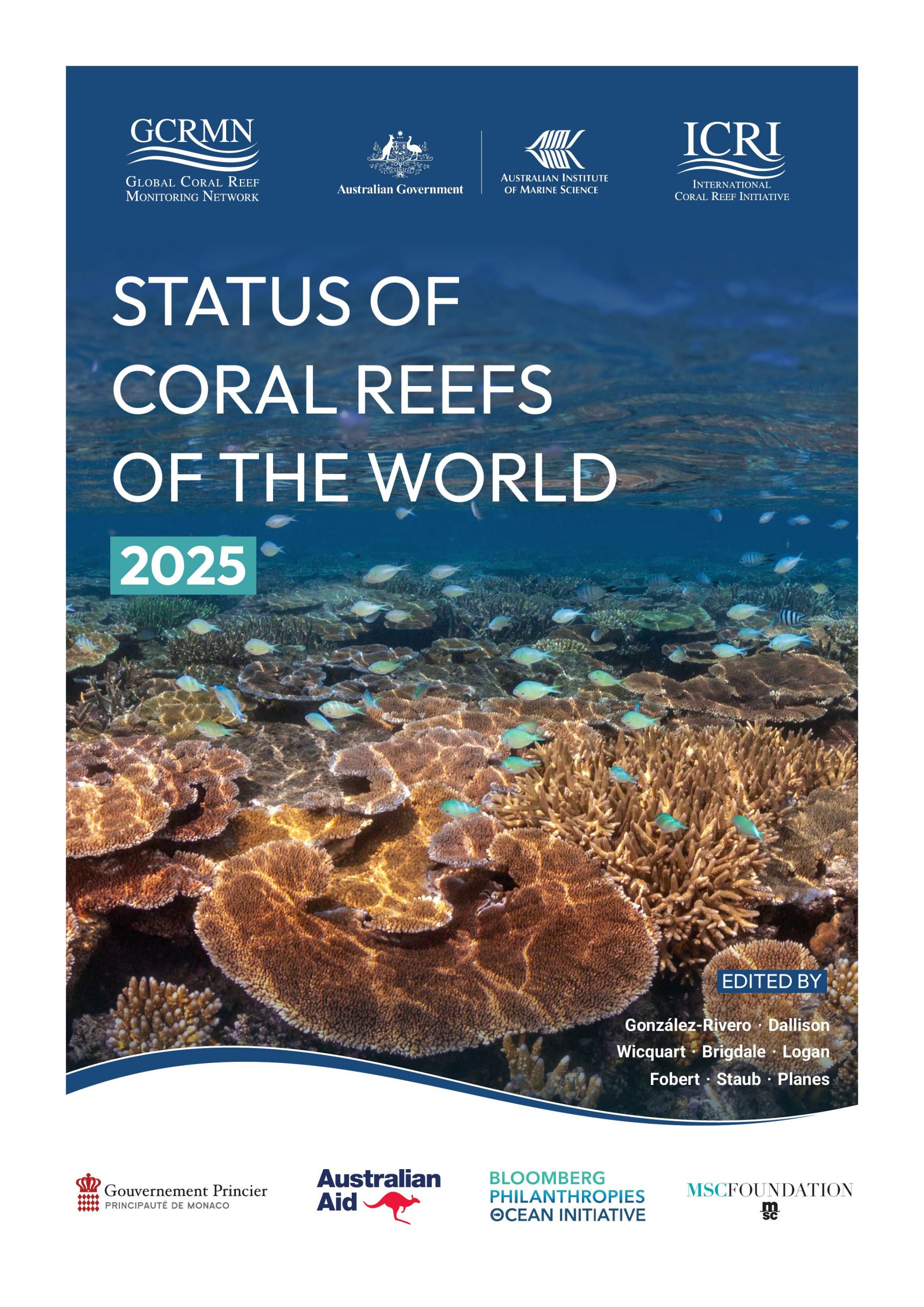
Today, the Global Coral Reef Monitoring Network (GCRMN) released Status of Coral Reefs of the World: 2025, the most comprehensive assessment to date of the status and trends of coral reefs worldwide. The report brings together an extraordinary amount of information collected over more than four decades—and the Khaled bin Sultan Living Oceans Foundation is proud to have contributed data from the Global Reef Expedition to this global effort. 

Read More
Privacy Overview

This website uses cookies so that we can provide you with the best user experience possible. Cookie information is stored in your browser and performs functions such as recognising you when you return to our website and helping our team to understand which sections of the website you find most interesting and useful.  You can view our complete Privacy Policy here.

Strictly Necessary Cookies

Most of our cookies are used to improve website security and reduce spam. These cookies should be enabled at all times. They also enable us to save your preferences for cookie settings.

3rd Party Cookies

This website uses Google Analytics to collect anonymous information such as the number of visitors to the site, and the most popular pages. Keeping this cookie enabled helps us to improve our website.