
search-icon
Ten Years of Change to Coral Communities Off Mona and Desecheo Islands, Puerto Rico, From Disease and Bleaching

Ten Years of Change to Coral Communities Off Mona and Desecheo Islands, Puerto Rico, From Disease and Bleaching

Remote reefs off southwest Puerto Rico have experienced recent losses in live coral cover of 30 to 80%, primarily due to the decline of Montastraea annularis and M. faveolata from disease and bleaching. These species were formerly the largest, oldest, and most abundant corals on these reefs, constituting over 65% of the living coral cover and 40 to 80% of the total number of colonies. From 1998 to 2001, outbreaks of yellow band disease (YBD) and white plague (WP) affected 30 to 60% of the M. annularis (complex) colonies. Disease prevalence declined beginning in 2002, and then increased immediately following the 2005 mass bleaching event. Colonies of M. annularis (complex) have been reduced in abundance by 24 to 32%, and remaining colonies are missing more than half their tissue. Both M. annularis and M. faveolata have failed to recruit, resheeting has been minimal, and exposed skeletal surfaces are being colonized by macroalgae, bioeroding sponges, and hydrozoans. Other scleractinian corals were smaller in size (mean = 28 cm diameter) and exhibited lower levels of partial mortality; these taxa were affected to a lesser extent by coral diseases and bleaching-associated tissue loss over the last decade. The numbers of small colonies (1 to 9 cm) of these species identified since 2005 also exceeded numbers of larger colonies that died. These reefs appear to be exhibiting shifts in species assemblages, with replacement of M. annularis (complex) by shorter-lived brooding species and other massive and plating corals (Agaricia, Porites, Meandrina, Eusmilia, Diploria, and Siderastrea spp.). To avoid a catastrophic and permanent loss of the dominant, slow-growing reef-building corals, the causes and effects of diseases need to be better understood, and possible control mechanisms must be developed. In particular, steps must be taken to mitigate environmental and anthropogenic stressors that increase the spread and severity of disease.
Related Posts

Global Reef Expedition Data Contributes to Landmark Report on the World’s Coral Reefs

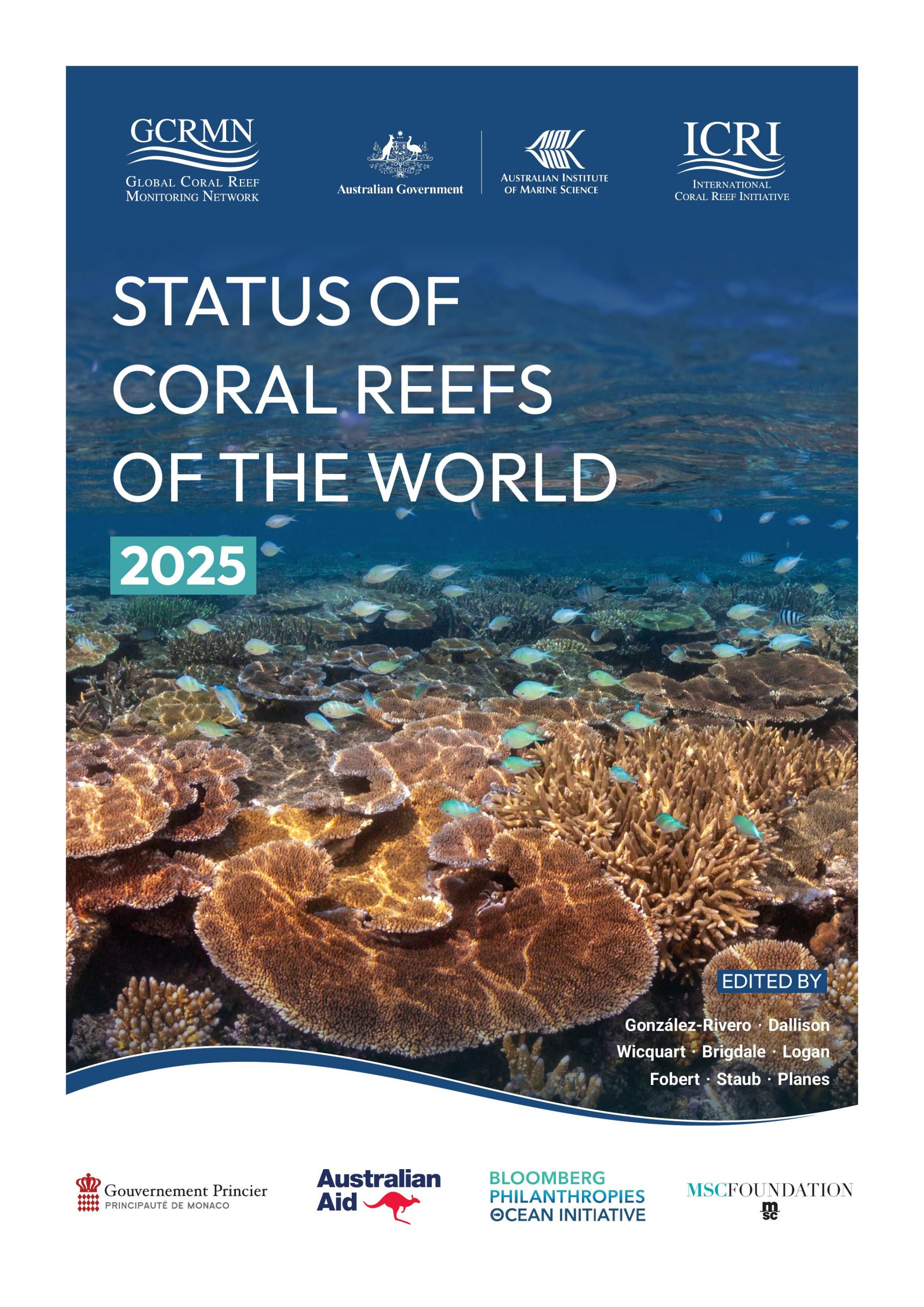
More than a decade after scientists aboard the Global Reef Expedition surveyed coral reefs across the Pacific, the data they collected continues to contribute to our understanding of the world’s coral reefs.

Today, the Global Coral Reef Monitoring Network (GCRMN) released Status of Coral Reefs of the World: 2025, the most comprehensive assessment to date of the status and trends of coral reefs worldwide. The report brings together an extraordinary amount of information collected over more than four decades—and the Khaled bin Sultan Living Oceans Foundation is proud to have contributed data from the Global Reef Expedition to this global effort. 

Read More

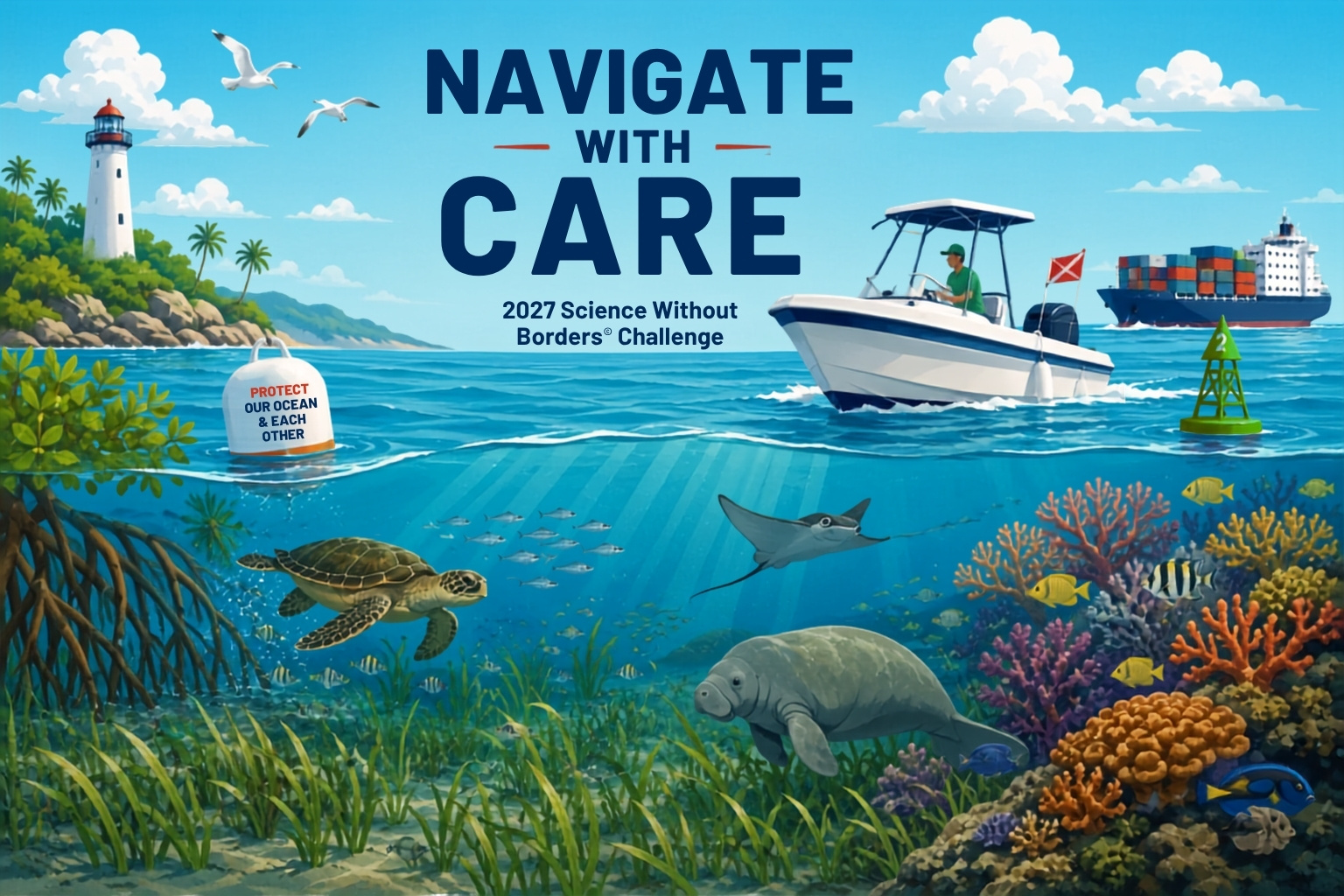
Announcing the 15th Annual Science Without Borders® Challenge: Navigate with Care

Every day, fishing boats, ferries, sailboats, kayaks, research vessels, cargo ships, whales, sea turtles, dolphins, seabirds, and countless other marine animals share the same waters. While people rely on the ocean for transportation, recreation, research, fishing, and exploration, it is also home to some of the most diverse and important ecosystems on Earth.

That simple but powerful idea is the inspiration behind the 15th Annual Science Without Borders® Challenge.

Read More
Privacy Overview

This website uses cookies so that we can provide you with the best user experience possible. Cookie information is stored in your browser and performs functions such as recognising you when you return to our website and helping our team to understand which sections of the website you find most interesting and useful.  You can view our complete Privacy Policy here.

Strictly Necessary Cookies

Most of our cookies are used to improve website security and reduce spam. These cookies should be enabled at all times. They also enable us to save your preferences for cookie settings.

3rd Party Cookies

This website uses Google Analytics to collect anonymous information such as the number of visitors to the site, and the most popular pages. Keeping this cookie enabled helps us to improve our website.