
search-icon
UNESCO Expands World Heritage Sites Into the Deep Ocean

This article in Yale University’s Environment 360 online digest highlights how UNESCO Expands World Heritage Sites Into the Deep Ocean to include deep-sea ecosystems of outstanding universal value. This campaign has been supported by Khaled bin Sultan Living Oceans Foundation, embodying our theme of Science Without Borders®.

UNESCO Expands World Heritage Sites Into the Deep Ocean

Yale University: Environment 360UNESCO expands world heritage sites
August 4, 2016

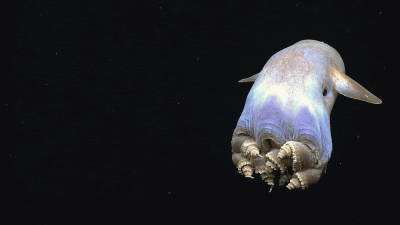
UNESCO has launched a campaign to include deep-sea ecosystems in its list of World Heritage Sites. Previously, only sites within national jurisdiction, either on land or close to shore, could be given heritage status and UNESCO protection. But ecosystems within the open ocean, which covers more than half the planet, deserve similar classification, UNESCO says. In a new report, World Heritage in the High Seas: An Idea Whose Time Has Come, the organization presents five biodiversity hotspots—many of which are at risk from climate change, pollution, over-fishing, and deep-sea mining—worthy of recognition: the Costa Rica Thermal Dome; the White Shark Café, a shark gathering point in the Pacific Ocean; the Sargasso Sea; the Lost City Hydrothermal Field, with its 200-foot carbonate towers, in the Atlantic Ocean; and the Atlantis Bank, a sunken fossil island, in the Indian Ocean…
Related Posts

Everything You Need to Know About the 2027 Science Without Borders® Challenge

Are you ready to combine your creativity with ocean science?

The 15th Annual Science Without Borders® Challenge is now open! Whether you’re participating for the first time or returning for another year, this guide will help you get started.

This year’s theme, Navigate With Care, invites students to explore how responsible navigation helps protect both people and life in the ocean. Through your artwork, you can compete for scholarships and international recognition while inspiring others to protect both people and life in the ocean.

Read More

Global Reef Expedition Data Contributes to Landmark Report on the World’s Coral Reefs

More than a decade after scientists aboard the Global Reef Expedition surveyed coral reefs across the Pacific, the data they collected continues to contribute to our understanding of the world’s coral reefs.

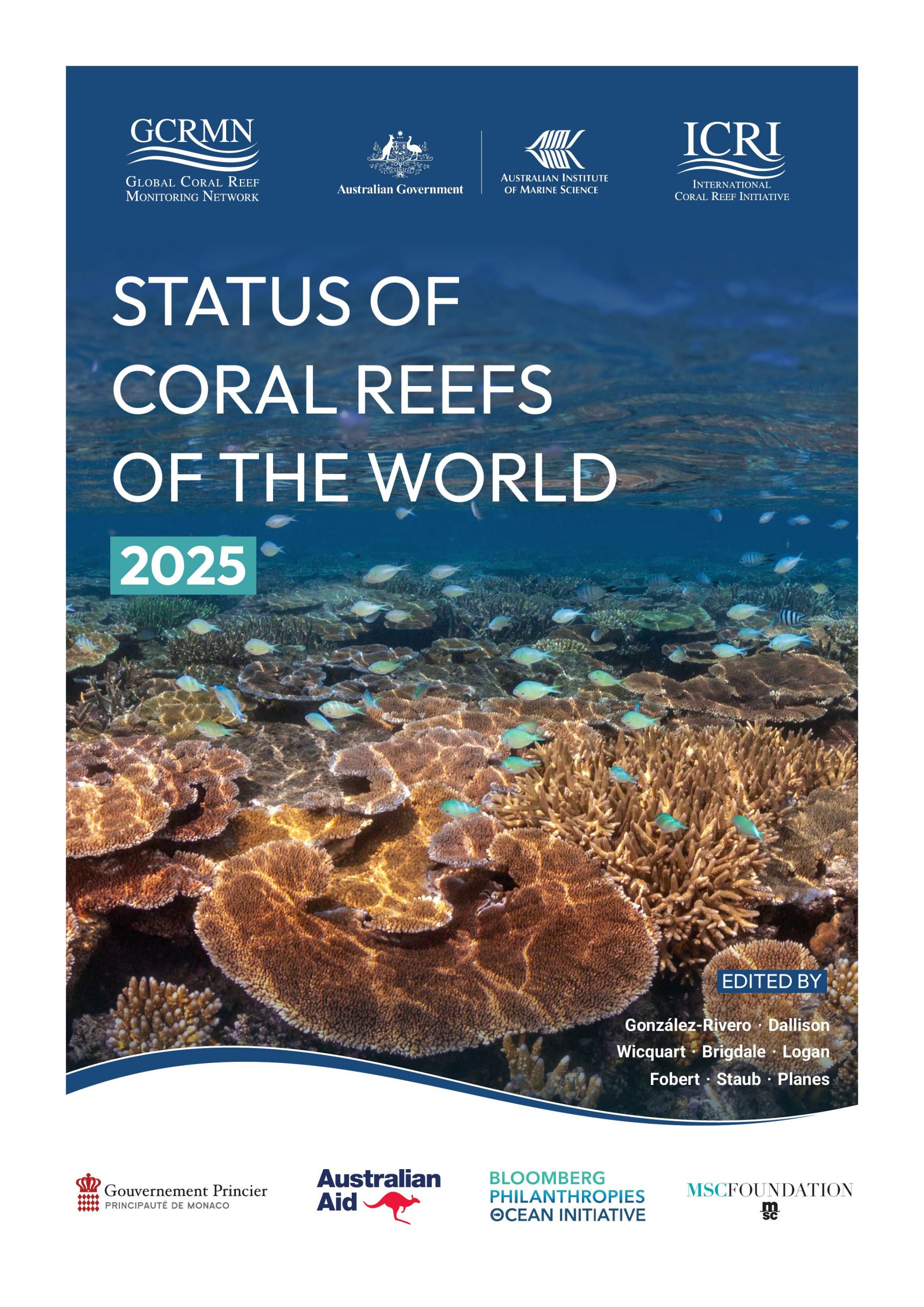
Today, the Global Coral Reef Monitoring Network (GCRMN) released Status of Coral Reefs of the World: 2025, the most comprehensive assessment to date of the status and trends of coral reefs worldwide. The report brings together an extraordinary amount of information collected over more than four decades—and the Khaled bin Sultan Living Oceans Foundation is proud to have contributed data from the Global Reef Expedition to this global effort. 

Read More
Privacy Overview

This website uses cookies so that we can provide you with the best user experience possible. Cookie information is stored in your browser and performs functions such as recognising you when you return to our website and helping our team to understand which sections of the website you find most interesting and useful.  You can view our complete Privacy Policy here.

Strictly Necessary Cookies

Most of our cookies are used to improve website security and reduce spam. These cookies should be enabled at all times. They also enable us to save your preferences for cookie settings.

3rd Party Cookies

This website uses Google Analytics to collect anonymous information such as the number of visitors to the site, and the most popular pages. Keeping this cookie enabled helps us to improve our website.