
search-icon
World Heritage in the High Seas: An Idea Whose Time has Come

Embodying our motto Science Without Borders®, the Khaled bin Sultan Living Oceans Foundation has supported the efforts of the UNESCO World Heritage Centre Marine Programme to identify ways in which World Heritage status could be used to protect outstanding places on the High Seas. This project resulted in the publication of this World Heritage High Seas Report by UNESCO and IUCN that proposes multiple ways in which World Heritage status could be used to protect places on the High Seas.

World Heritage in the High Seas: An Idea Whose Time has Come
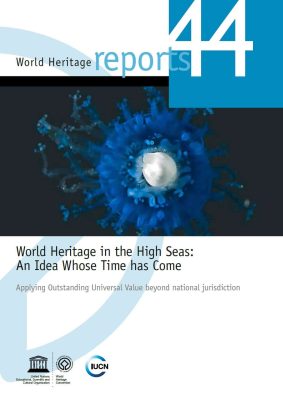
World Heritage High Seas ReportUNESCO World Heritage Centre Marine Programme
August 3, 2016
By Fanny Douvere

Just as on land, the deepest and most remote ocean harbours globally unique places that deserve recognition, just as we have given to the Grand Canyon National Park in the United States of America, to the Galápagos Islands in Ecuador or the Serengeti National Park of the United Republic of Tanzania. 70% of our planet is covered with ocean. Nearly two-thirds of the ocean lies beyond the jurisdiction of nations. The open ocean is a vast majestic place that covers half our globe.

Imagine a world with sunken fossilized islands covered in a great diversity of corals and other marine life, giant volcanoes forming vast seamounts that can all but dwarf the tallest mountains on land, a ‘floating golden rainforest’ on the ocean surface with its own unique creatures, or even a deep dark place with 60-metre-high white spires of rock that looks like a lost city beneath the waves.

Some of these places are not even powered by the light of the sun, like everything else on Earth, but by heat and energy emerging from the Earth and the ocean ridges, that has created some of the most exceptional ecosystems and species – most still unknown to science. Unique forms of life so extreme they form pivotal case studies for space agencies and others, providing critical analogues to help plan future missions to distant planets to search for life or spur innovation for the next generation of disease treatments. All these, and more, are found in the ‘High Seas’ and the deep seabed – which together we call Marine Areas beyond National Jurisdiction (ABNJ), lying as they do outside the territory of any single nation.

The purpose of this publication is to consider how such exceptional sites could be afforded the same level of recognition and protection that we are currently able to give to natural and cultural sites under the 1972 World Heritage Convention.1 The reason we do not already do so is largely a result of past history but now is the time to expand our horizons and bring such areas into consideration for their potential Outstanding Universal Value (OUV)…
Related Posts

From Dialogue to Action: Ocean Foundations Gather in Stockholm

What can philanthropy accomplish when foundations working across ocean science, conservation, and sustainable development come together around a shared purpose?

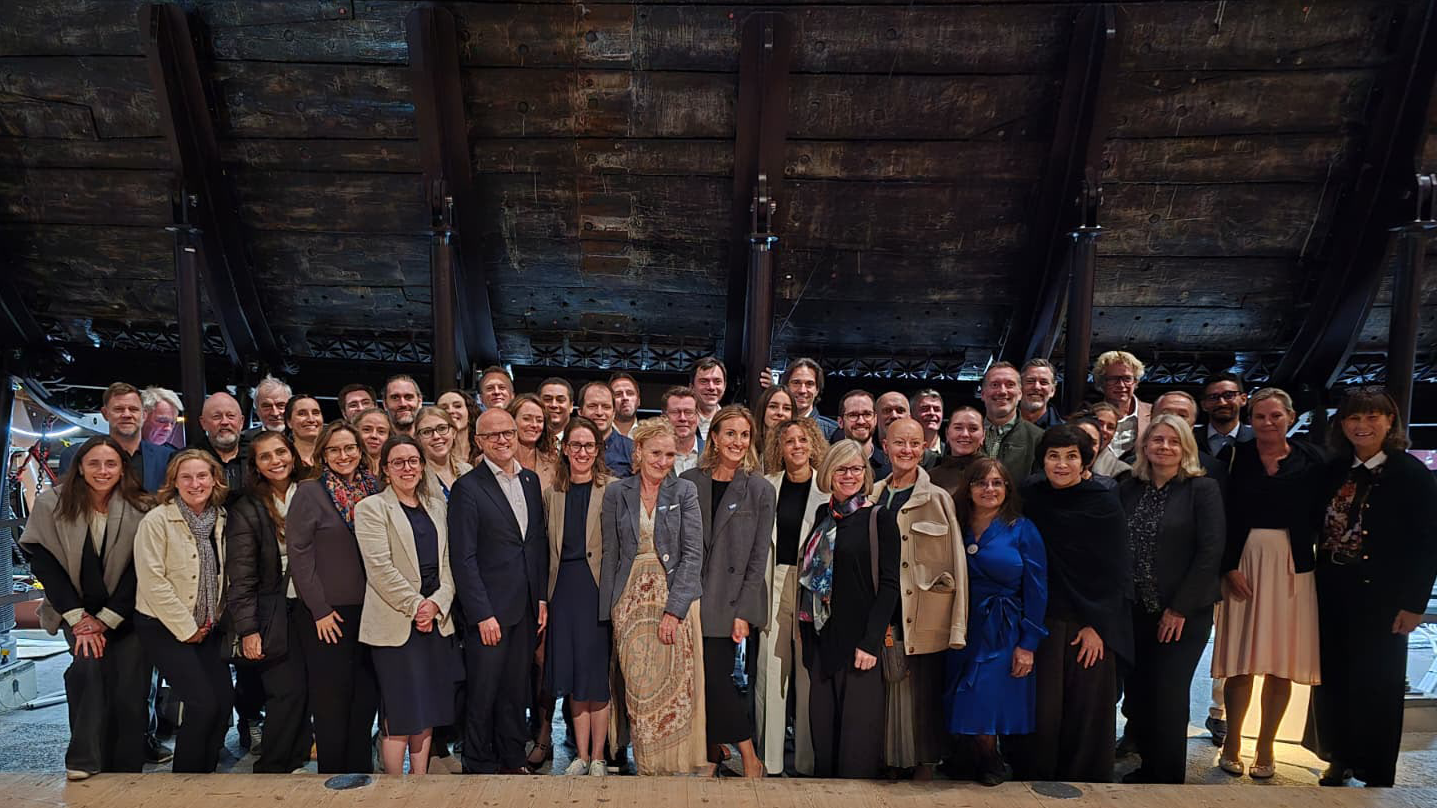
That question was at the heart of the 6th UN Ocean Decade Foundations Dialogue, held September 7–9 in Stockholm, Sweden. The Khaled bin Sultan Living Oceans Foundation joined philanthropic organizations from around the world for three days of discussion, collaboration, and planning focused on accelerating progress during the second half of the UN Decade of Ocean Science for Sustainable Development.

Facilitated by UNESCO’s Intergovernmental Oceanographic Commission (IOC), the UN Ocean Decade Foundations Dialogue is a growing network of more than 30 philanthropic organizations committed to advancing ocean science, collaboration, and action. Since its creation within the framework of the Ocean Decade, the Dialogue has provided foundations with a space to exchange ideas, develop partnerships, and explore how philanthropy can help advance a healthy and resilient ocean.

Hosted by the Voice of the Ocean Foundation (VOTO), this year’s gathering began with From Depth to Action, an Opening Forum that brought nearly 100 leaders from the Swedish and international ocean community together at…

Read More

Meet IFAN: Helping Bring Navigate with Care to the Next Generation

If you’ve ever seen a lighthouse flashing from the shore or a brightly colored buoy bobbing in the water, you’ve seen Aids to Navigation at work.

Aids to Navigation, often called AtoNs, help mariners navigate safely. They can mark channels, warn of hazards, help vessels determine their position, and provide other information people need to make safe decisions on the water. Around the world, these systems help guide everything from small recreational boats to large commercial or container ships. 

But safe navigation isn’t only about protecting vessels and the people aboard them. The choices mariners make can also affect the animals and ecosystems beneath and around them.

That connection between maritime safety and ocean conservation is at the heart of this year’s Science Without Borders® Challenge—and of our partnership with this year’s theme sponsor, the International Foundation for Aids to Navigation (IFAN).

Read More
Privacy Overview

This website uses cookies so that we can provide you with the best user experience possible. Cookie information is stored in your browser and performs functions such as recognising you when you return to our website and helping our team to understand which sections of the website you find most interesting and useful.  You can view our complete Privacy Policy here.

Strictly Necessary Cookies

Most of our cookies are used to improve website security and reduce spam. These cookies should be enabled at all times. They also enable us to save your preferences for cookie settings.

3rd Party Cookies

This website uses Google Analytics to collect anonymous information such as the number of visitors to the site, and the most popular pages. Keeping this cookie enabled helps us to improve our website.