search-icon
Rough Day at Bajo Nuevo

Suffice it to say there will be no more photos of a mirror-like sea surface anytime soon. This morning we fought high winds and 1.5-meter swells in the channel that runs between Bajo Nuevo’s two main reefs, but still managed to get in one regular and two conch survey dives. There was a nearly 2-meter nurse shark waiting for us as soon as we hit the bottom. And, as expected, we found a place very different from Alice Shoal.
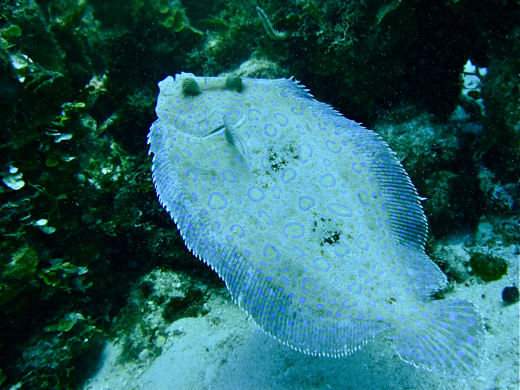
A peacock flounder
A peacock flounder

We dove near the edge of the islets’ deep channel because weather forecasts say things could get even worse. We thought it might be our only shot at getting down to see this part of the reef. Tomorrow, assuming conditions aren’t too rough, we’ll dive closer to the islets in a relatively protected lagoon, which looked incredible from the surface as we passed through this morning.

There’s far more coral here. Our dive site was a true coral reef with an extensive spur and groove structure built by corals themselves. We can’t say much after just one dive, but the corals we saw were healthy and widespread. Chief scientist Andy Bruckner was particularly pleased to find healthy star coral colonies of a size that’s difficult to find these days elsewhere in the Caribbean.

Star corals at the base of the reef


There’s also quite a bit less algae than at Alice Shoal, and we’re swimming with different fishes. There are fewer triggers and durgeons, though both are still quite plentiful. Here we find more parrotfishes and different species.

As I write, the swells are rocking us enough that I can watch the window in the room across the hall change back and forth from all sea blue to all sky blue. Tomorrow the winds are supposed to shift a bit so that the ship will get more protection from the islands. We shall see.
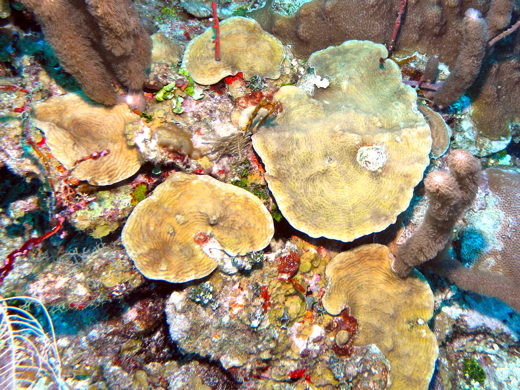
 

Lettuce coral at Bajo Nuevo
Lettuce corals at Bajo Nuevo


(Photos/Images by: 1 Felipe Cabeza, 2 Andrew Bruckner, 3 Felipe Cabeza)

To follow along and see more photos, please visit us on Facebook!  You can also follow the expedition on our Global Reef Expedition page, where there is more information about our research and team members.
 

Related Posts

Meet IFAN: Helping Bring Navigate with Care to the Next Generation

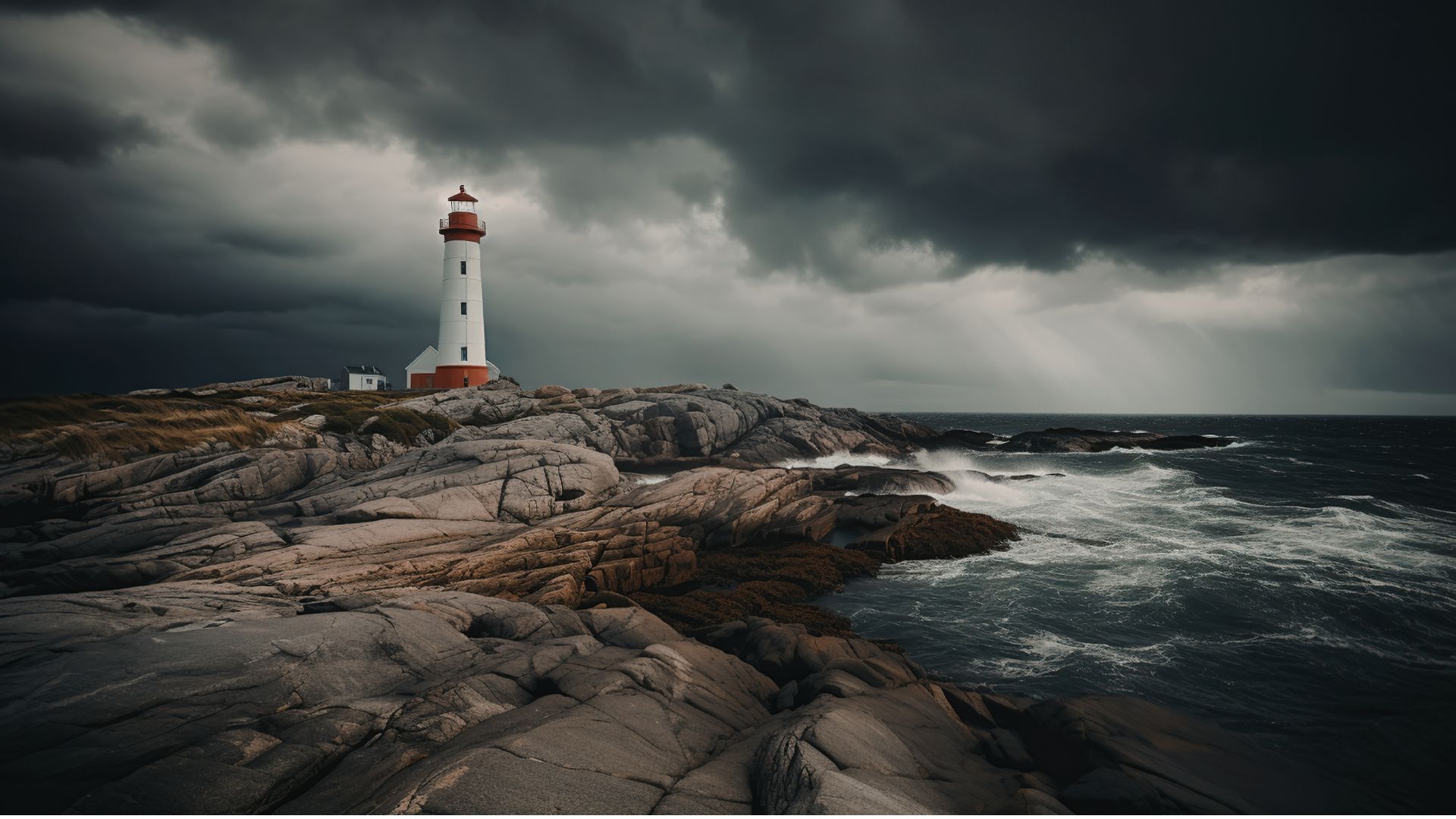
If you’ve ever seen a lighthouse flashing from the shore or a brightly colored buoy bobbing in the water, you’ve seen Aids to Navigation at work.

Aids to Navigation, often called AtoNs, help mariners navigate safely. They can mark channels, warn of hazards, help vessels determine their position, and provide other information people need to make safe decisions on the water. Around the world, these systems help guide everything from small recreational boats to large commercial or container ships. 

But safe navigation isn’t only about protecting vessels and the people aboard them. The choices mariners make can also affect the animals and ecosystems beneath and around them.

That connection between maritime safety and ocean conservation is at the heart of this year’s Science Without Borders® Challenge—and of our partnership with this year’s theme sponsor, the International Foundation for Aids to Navigation (IFAN).

Read More
OceanImageBank_TheOceanAgency_Bleaching_16-scaled-1

Coral Bleaching Awareness Month: Giving Coral Reefs a Chance to Recover

For hundreds of millions of years, coral reefs have supported life in our oceans. Although they cover less than 1% of the ocean floor, they provide habitat for at least 25% of all marine species. They also support people around the world by sustaining fisheries and tourism, providing food and livelihoods, and helping protect coastlines from waves and storms.

But coral reefs are under increasing pressure. Pollution, overfishing, coastal development, physical damage, and increasingly warm ocean temperatures can all affect reef health. One of the most visible signs that a coral reef is under stress is coral bleaching.

This September, in recognition of Coral Bleaching Awareness Month, we’re taking a closer look at what happens when corals bleach, why bleaching matters, and what scientists around the world are doing to better understand, protect, and restore coral reefs.

Read More
Privacy Overview

This website uses cookies so that we can provide you with the best user experience possible. Cookie information is stored in your browser and performs functions such as recognising you when you return to our website and helping our team to understand which sections of the website you find most interesting and useful.  You can view our complete Privacy Policy here.

Strictly Necessary Cookies

Most of our cookies are used to improve website security and reduce spam. These cookies should be enabled at all times. They also enable us to save your preferences for cookie settings.

3rd Party Cookies

This website uses Google Analytics to collect anonymous information such as the number of visitors to the site, and the most popular pages. Keeping this cookie enabled helps us to improve our website.