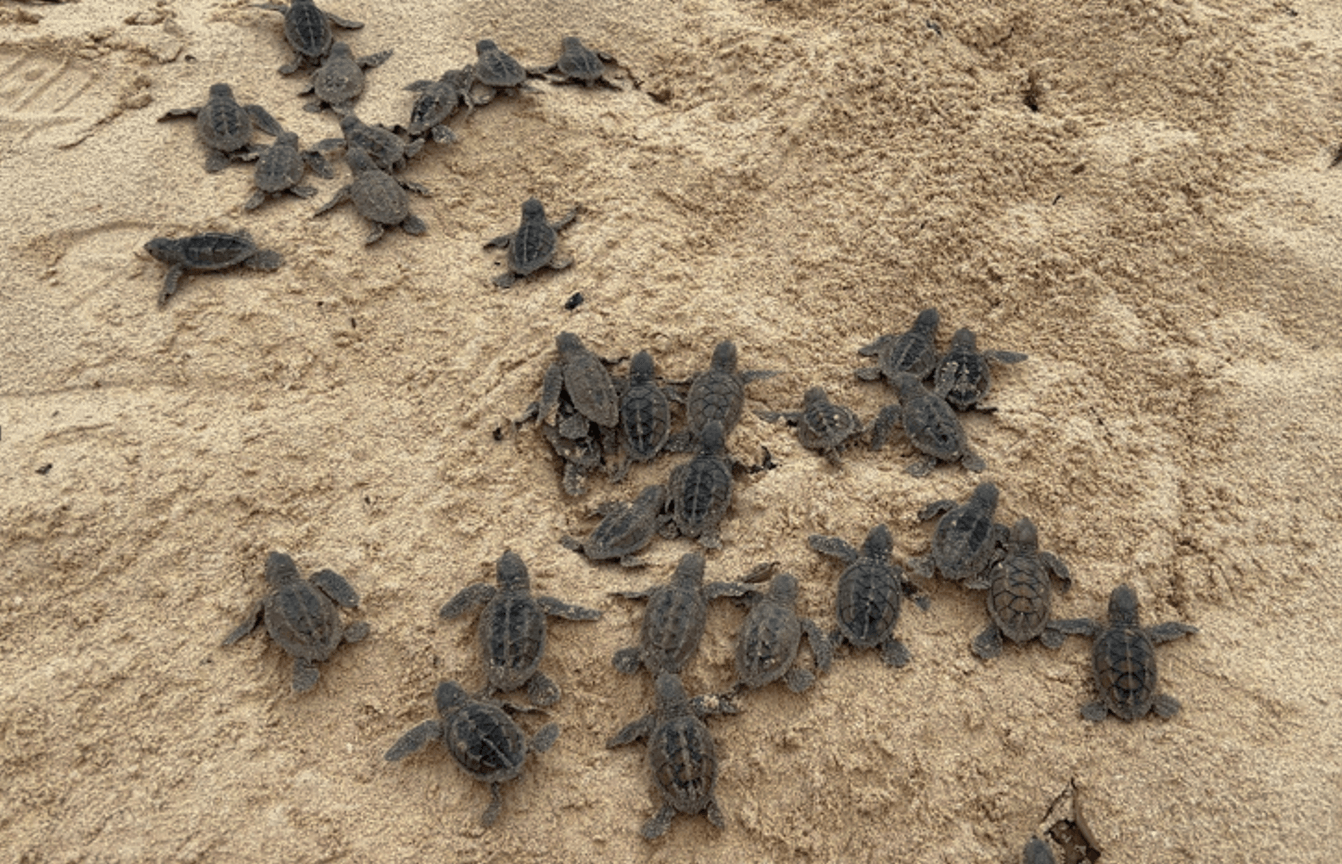
“103…104…105…,” Denise says as the sea turtle egg count ends. Occasionally, when I’m in Jamaica for the J.A.M.I.N. program, I get to volunteer to help my partners at the Alligator Head Foundation (AHF). One morning, it was a privilege to be invited to help monitor sea turtle nests on a beach in Portland.
There are seven species of sea turtles in the world. Four of these species are found in Jamaica – hawksbill, green, loggerhead, and leatherbacks. Globally, sea turtle populations are in decline. Sea turtles in Jamaica face threats including improper planning and development of beaches, illegally poaching eggs and adult turtles, and predators such as dogs, mongoose, and ants consuming eggs and hatchlings.
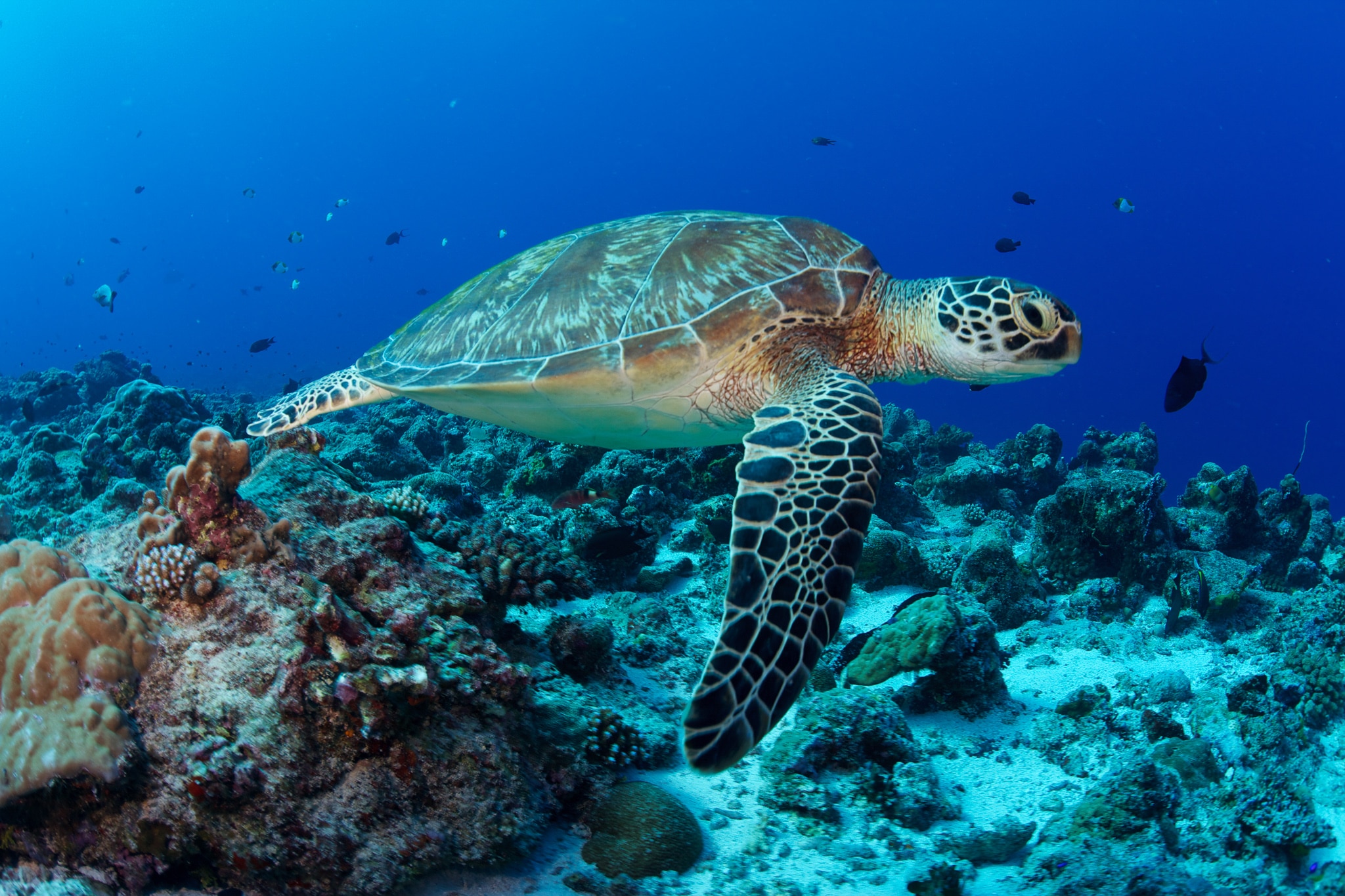
Around Jamaica, several organizations have sea turtle conservation plans, including our partners at Alligator Head Foundation. Monitoring sea turtle nests is a considerable part of this plan. Between May and December, Alligator Head Foundation staff are busy monitoring beaches in the Portland area looking for signs of sea turtle nesting. It’s during these months that female sea turtles return to the beach where they were born to lay their own eggs.
The female hauls her body onto the beach, and arduously propels her body forward using her fins. Seawater will destroy the eggs, so she finds a location away from the waterline. When she finds a site, the mother will start digging a hole using her fins. She fills the hole with her eggs. The number of eggs that she lays depends on the size and species of sea turtle. The most common sea turtle in Jamaica is the hawksbill, and this species can lay as many as 130-160 eggs per nest. She uses her fins like a shovel to cover the nest with sand. Exhausted, she returns to the sea, leaving her eggs to incubate in the sand. Sea turtles do not provide any parental care to their young. She will not return to her nest again; however, mature females may lay up to seven nests throughout the season.
The incubation period differs for each sea turtle species, but generally, the period lasts for 60 days. The gender of most species is determined during fertilization, but a sea turtle’s gender is not determined until after fertilization. Their gender is dependent on the temperature of the sand. When sand temperature is below 27.7° Celsius (81.86° Fahrenheit), then sea turtles will be male; however, when sand temperatures are above 31° Celsius (88.8° Fahrenheit), then hatchlings will be female. With climate change occurring, yet another concern for sea turtles is that there will be more female sea turtles as the Earth warms and potentially lethal temperatures that can destroy the eggs.
The most dangerous time in the life of a sea turtle is probably when they hatch and make the journey from their nest to the sea. En masse, the sea turtles hatch and begin digging their way out of the nest. Together, they rush to the sea. There is a safety in numbers – the large number of hatchlings increases the chances of some making it to the ocean. Sadly, many will not make it. They will be eaten by crabs, birds, and other animals.
Stay tuned for part 2 of this blog to learn more about what Alligator Head Foundation is doing to conserve sea turtle populations in Jamaica.