A cultural view of Totoya sharks written by the high chief.
As a young boy growing up Totoya, I recall that there were incidents of shark attacks on some of our villagers. In our culture, this type of incident is an indication that the shark attack victim committed an offense against the traditional protocol of our people – the tabu. (For more about the meaning of the tabu read http://www.sciencewithoutborders.org/totoyas-sacred-marine-protected-area/). It’s our belief that qio or sharks represent our ancestral god “Dakuwaqa.” This tradition links us to other chiefly households in other provinces like Cakaudroven.
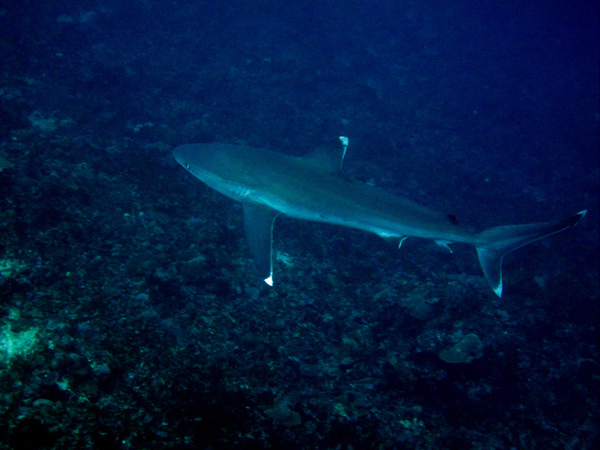
If someone misuses the sacred passage, Daveta Tabu, then there will be three ‘waves’ of warning. The first wave will rock the boat. The second will cause you to fall out of the boat. The final warning is a shark bite. We believe that the shark does not bite for food, nor does it tear away the flesh. They only leave teeth marks to warn that person of their misuse. A villager can avoid the second and third wave by taking the first wave as a warning or escape the third wave by heeding the warning of the second.
I tested the taboo one time myself to see if the tradition was true. The boat was immediately hit with a crashing wave. I took this as a warning and left the sacred area. This proved to me that the sacred area is guarded by the Totoya sharks and the other two waves.
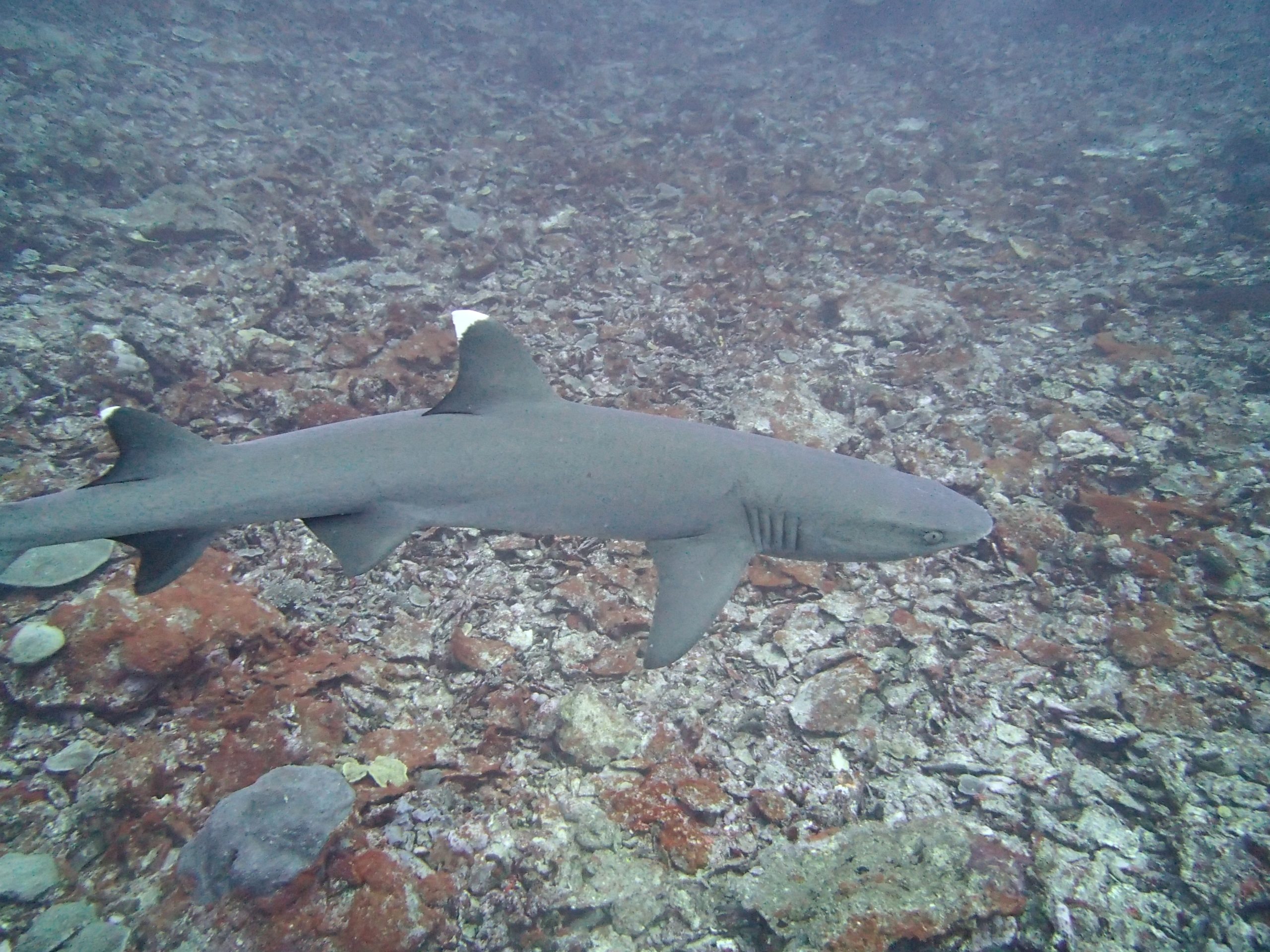
When someone is bit by a shark, they must reconcile with the village. The traditional means for reconciliation involves the presentation of kava or yaqona by the victim to his clan for any wrong doing against their traditional leader and protocol.
Even today, Totoya sharks are never caught for food because of the connection and respect that we have for them. We believe that sharks are the keepers of our sacred passage, Daveta Tabu.
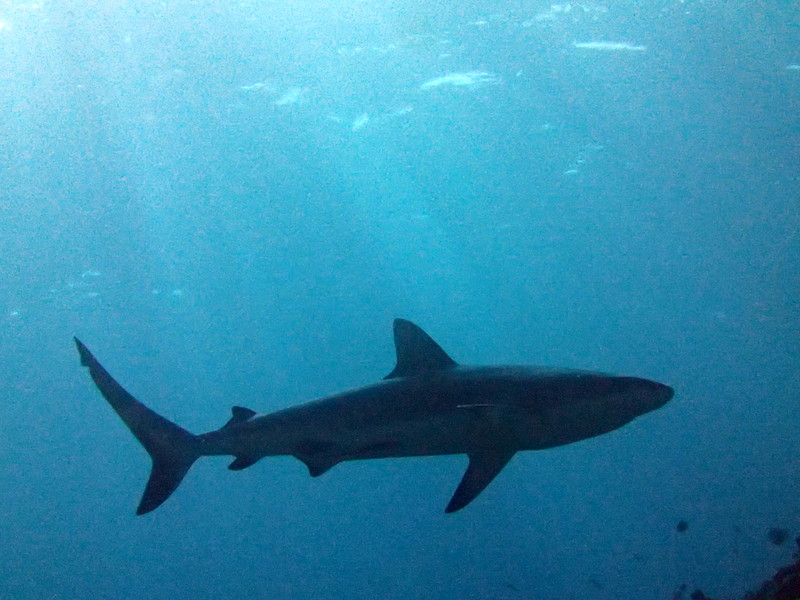
It’s sad to see that sharks are now being exploited in Fiji waters by overseas fishing companies. While on the Global Reef Expedition, I have learned the importance of sharks from a scientific point of view and how this also coincides with our cultural beliefs. We will continue to protect Totoya sharks for the sake of science and our culture.
Photos/Images by: 1 Stacy Jupiter; 2 Alex Dempsey; 3 Amy Heemsoth
To follow along and see more photos, please visit us on Facebook!