This Earth Day, the Khaled bin Sultan Living Oceans Foundation is focusing on the coral reef crisis and what can be done to save coral reefs. The Foundation embarked on the Global Reef Expedition and nearly circumnavigated the globe studying coral reef health and resiliency. What we found gives us hope that despite finding evidence of human impacts everywhere we went, there are concrete actions people can take that can help reefs recover.
Throughout the world, coral reefs are rapidly declining and threatened by a variety of factors, including overfishing, pollution, and climate change. If nothing is done to save them, many coral reefs will no longer exist as functioning ecosystems by the end of the century.
What can people do to ensure the survival of coral reefs? Through strong conservation measures and effective management of coral reef resources, people can mitigate some of the threats reefs face from local human activities. Individuals can also make a difference through their actions, such as making sustainable seafood choices, reducing greenhouse gas emissions, and supporting efforts to protect coral reefs.
Each reef faces its own suite of problems and may require a tailored solution, but as we surveyed reefs around the world, many of the recommendations we made to government officials and coastal communities came up over and over again. We share those here in hope that these localized efforts can help to reduce the compound stressors reefs face, helping them to recover from the next major disturbance event.
1. Regulate nearshore fishing and ban destructive fishing practices
Aside from climate change, overfishing is one of the biggest threats to coral reefs. Almost everywhere we went on the Global Reef Expedition, the big fish were gone from the reef. Healthy reefs depend upon fish to keep the reef clear of algae, allowing new corals to settle and grow. The effects of removing fish from a reef have far-reaching implications that go well beyond the fish population and affect the entire food web. In addition to overfishing, harmful fishing practices such as dynamite fishing, cyanide fishing, and harvesting live coral, can cause severe damage to the reef itself. By regulating fishing around coral reefs and banning fishing that harms the reef, communities can help to ensure that the reef continues to provide food and livelihoods for their communities for generations.
2. Establish marine protected areas
Often, the best way to conserve a coral reef is by establishing a Marine Protected Area (MPA). MPAs define what is allowed to happen where, and can be set up to achieve a wide variety of objectives. The benefit of MPAs is that rules can be set in place that protects life on the reef while still allowing for sustainable human use. MPAs can be set up by the government, but in many places, traditional and local leaders have established their own community management areas which they also monitor and enforce.
3. Reduce land-based pollution and runoff
Upstream land use can have a huge impact on coral reef health, as corals require clear clean waters to thrive. Most nearshore water pollution stems from land-based sources such as farming, sewage, deforestation, and coastal development. Hard structures like roads and roofs cause less water to be absorbed into the ground, resulting in more runoff to the ocean. Destruction of coastal habitats like mangrove forests, salt marshes, and seagrass beds, reduces the water quality further, as these natural habitats act as a filter for the water running into the ocean.
4. Improved monitoring and enforcement
The key to the success of any coral reef management plan is effective monitoring and enforcement of whatever rules and regulations are already in place to protect the reefs. Regular monitoring can also help local managers identify and address any potential issues—such as an outbreak of crown of thorns starfish—before they decimate a reef. In places where resources for monitoring and enforcement are limited, community-based management efforts can engage stakeholders to monitor their own coral reef resources.
5. Education and outreach
Educating stakeholders, community members, and even school children about coral reefs can help people understand how they are connected to the reef and what they can do to protect it.
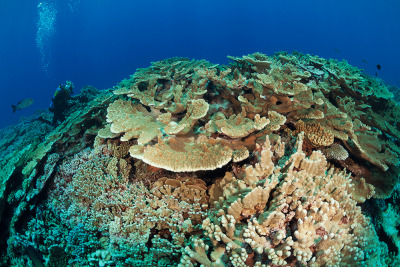
Image:© Michele Westmorland/iLCP