
search-icon

2005

Post-tsunami Coral Reef Rapid Assessment Survey in Sumatra, Indonesia

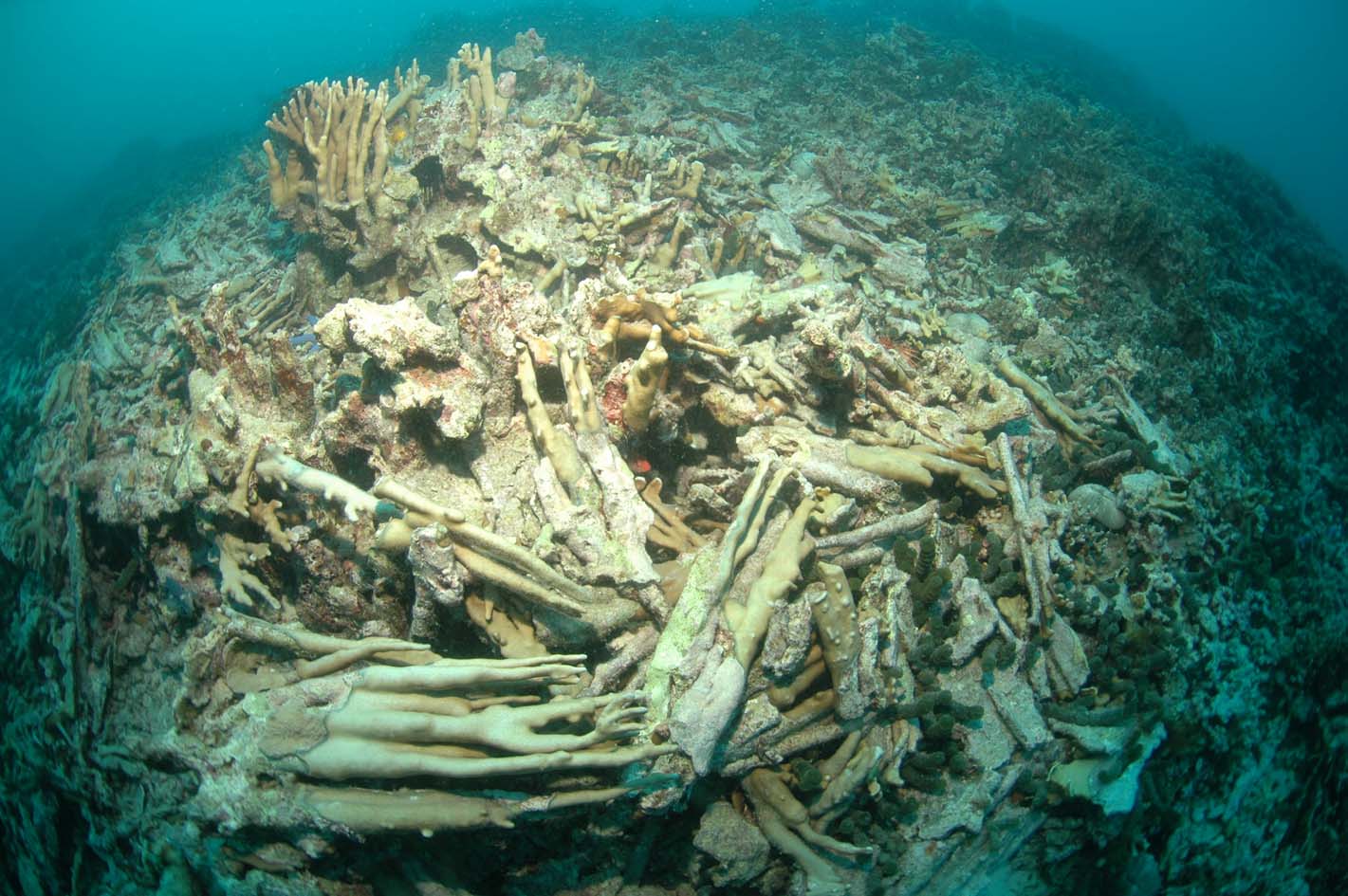
Following the devastating “Boxing Day” Indian Ocean earthquake and tsunami, we joined a collaborative effort launched by the International Coral Reef Initiative to conduct surveys and compile a report on the post-tsunami status of coral reefs in affected countries.

In October 2005, the Foundation joined with Reef Check and The World Conservation Union (IUCN) to assess the damage to coral reefs on the west coast of Aceh Province, Sumatra, Indonesia, associated with the December 26, 2004 earthquake and tsunami in which the earthquakes caused more physical damage to coral reefs than did the tsunami. The expedition covered over 600 kilometers of the northwestern tip of Indonesia and unveiled that human activities were the persistent cause of the long-term degradation of reefs in the Aceh area. After which, a comprehensive report was published by the Global Coral Reef Monitoring Network (GCRMN). The report highlighted the findings of the project and raised global awareness to the need for tsunami early warning systems and better management measures.
Related Posts

Ten Years of B.A.M.: Rooted in Partnership, Growing in Purpose

Ten years ago, the Bahamas Awareness of Mangroves (B.A.M.) program began with a simple but meaningful commitment: to connect Bahamian students with the mangrove ecosystems that shape and protect their island home.

Since 2015, B.A.M. has been implemented in partnership with Friends of the Environment, whose dedication to environmental stewardship in Abaco has made this program possible year after year. Together, we have worked alongside Patrick J. Bethel High School and Forest Heights Academy to bring hands-on mangrove science into classrooms and out into the field.

What makes ten years remarkable is not just longevity — it is consistency…

Read More

From Mangrove Mud to Meaningful Work: Desta’s J.A.M.I.N. Journey

Some students I remember for their grades, their quick answers, or a moment that made the whole class laugh. Others I remember for the way they stepped into the mangroves.

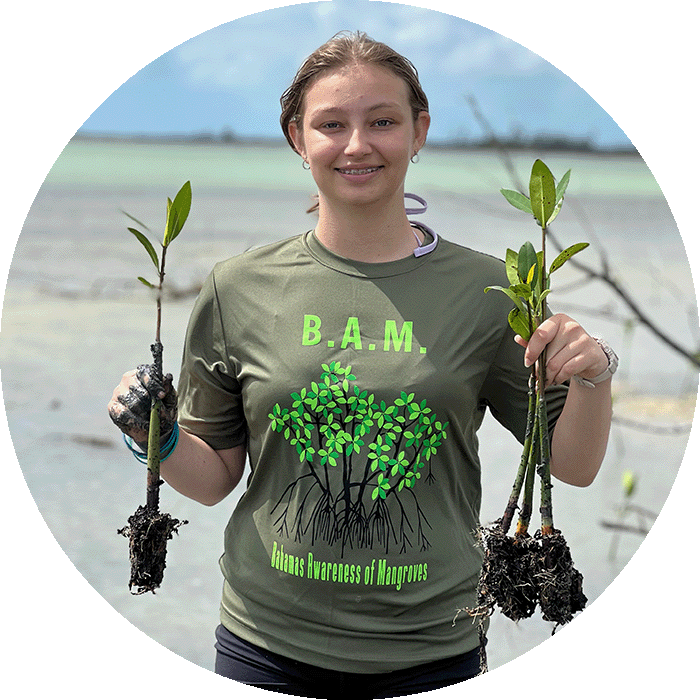
Desta was the kind of student who thrived outdoors. While some students hesitated at the edge of the mud, he walked right in. And when he inevitably got stuck — because everyone does — he didn’t get frustrated. He laughed. Covered in mud, holding mangrove propagules in his hands, he embraced the experience fully.

Even then, it was clear that he was connecting with the environment in a way that went beyond the lesson plan…

Read More