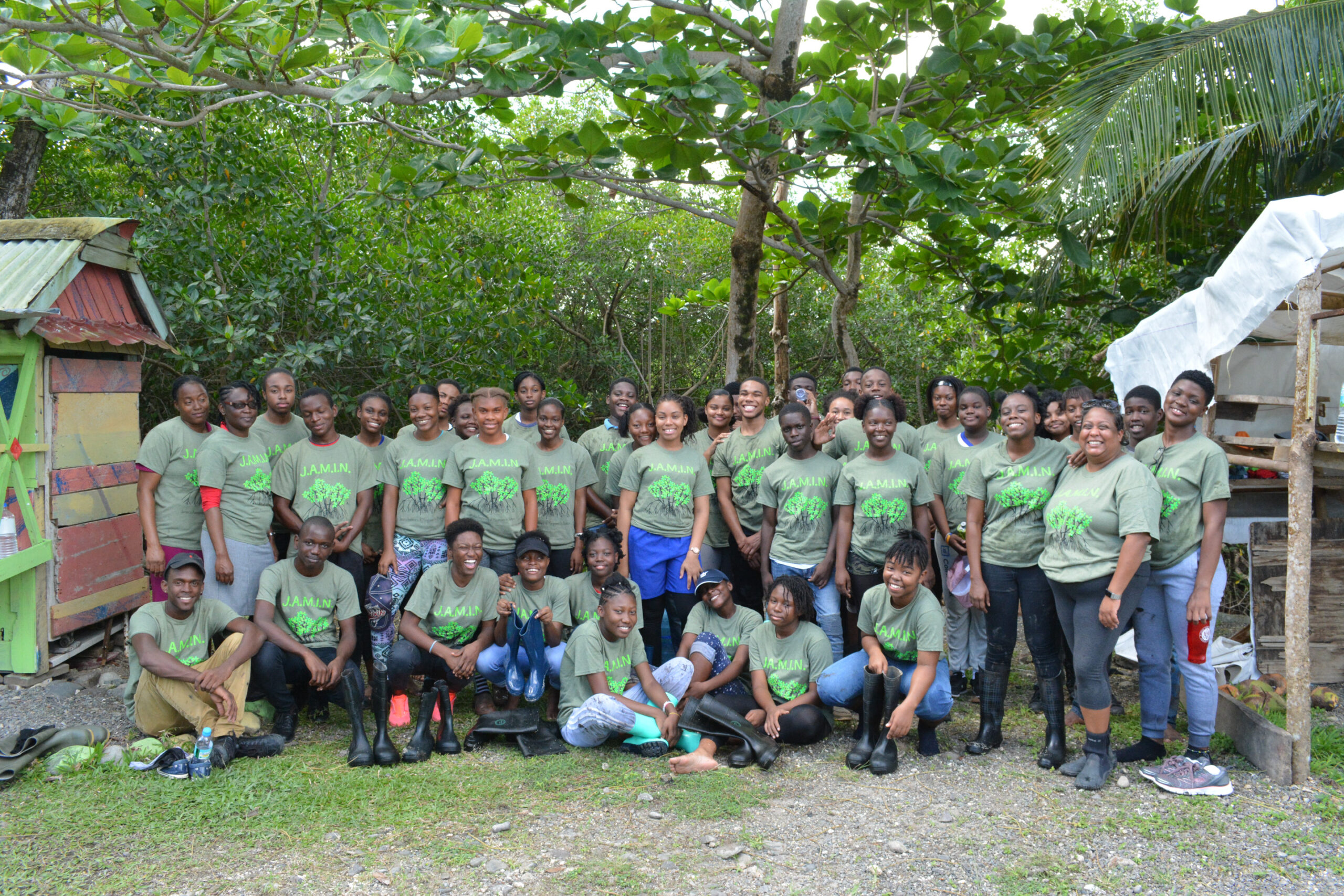
Some students I remember for their grades, their quick answers, or a moment that made the whole class laugh. Others I remember for the way they stepped into the mangroves.
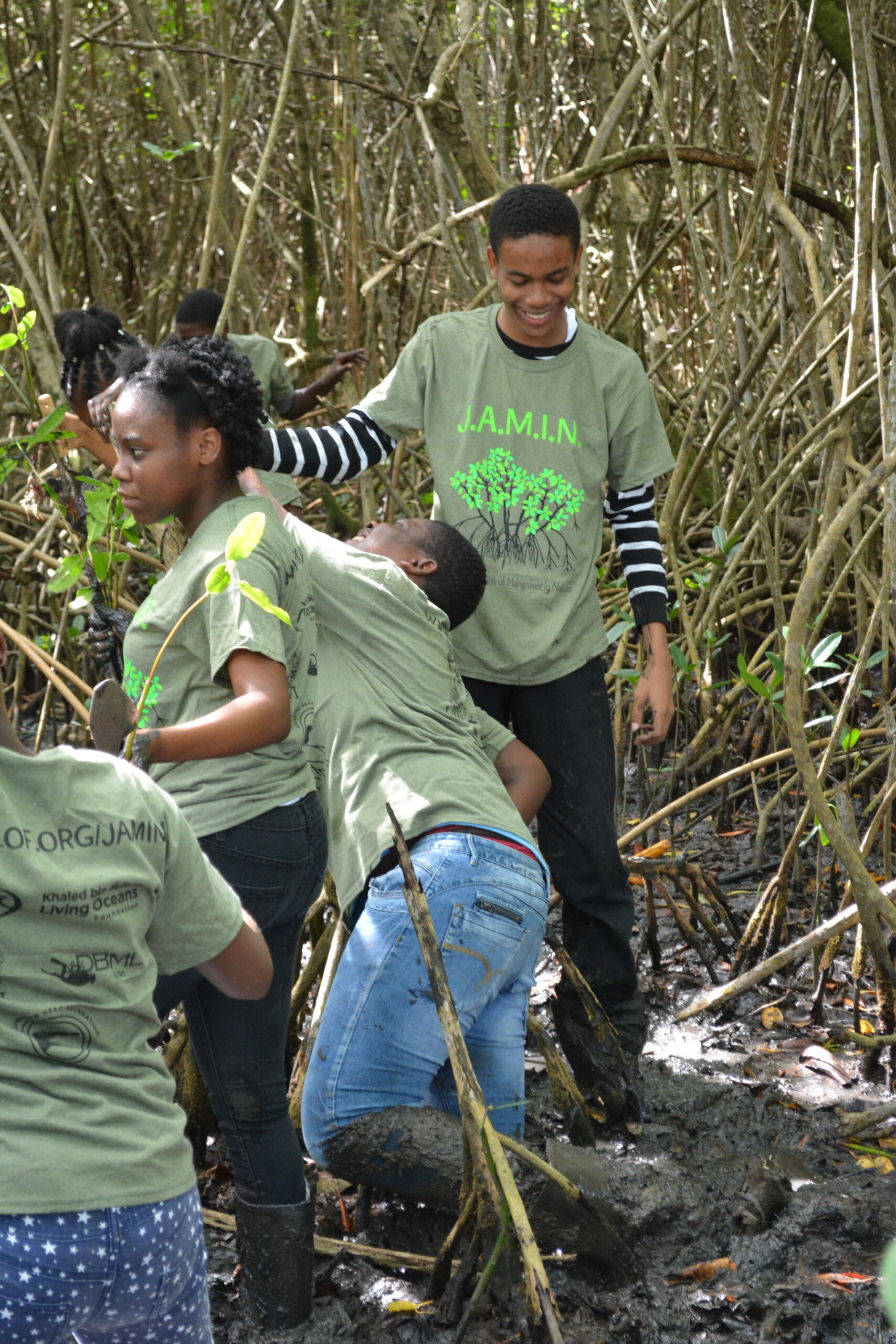
Desta was the kind of student who thrived outdoors. While some students hesitated at the edge of the mud, he walked right in. And when he inevitably got stuck — because everyone does — he didn’t get frustrated. He laughed. Covered in mud, holding mangrove propagules in his hands, he embraced the experience fully.
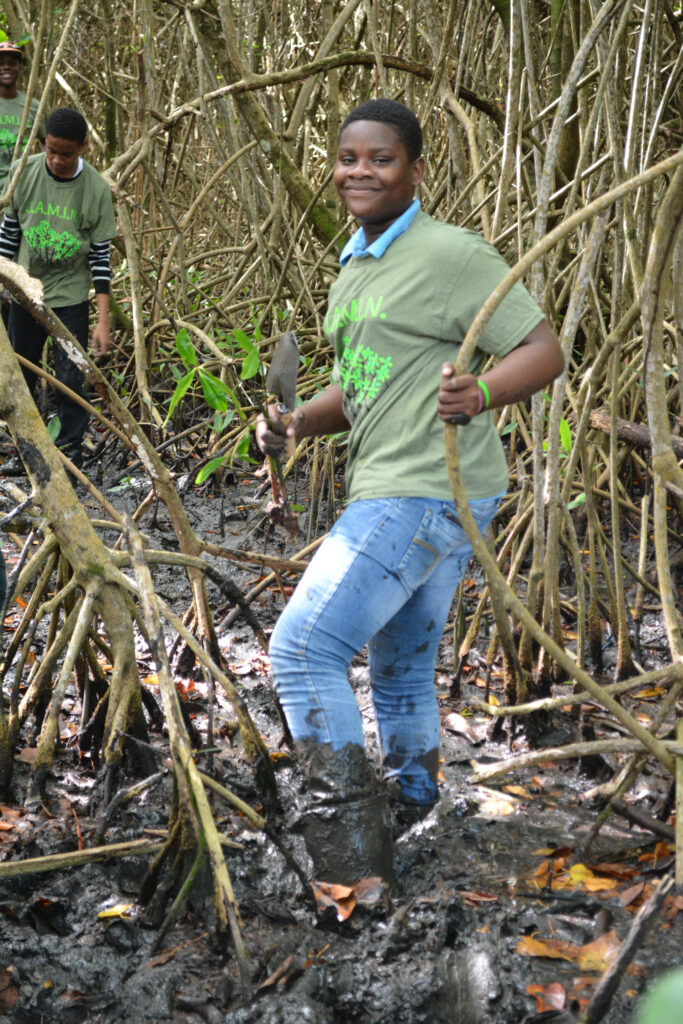
Even then, it was clear that he was connecting with the environment in a way that went beyond the lesson plan.
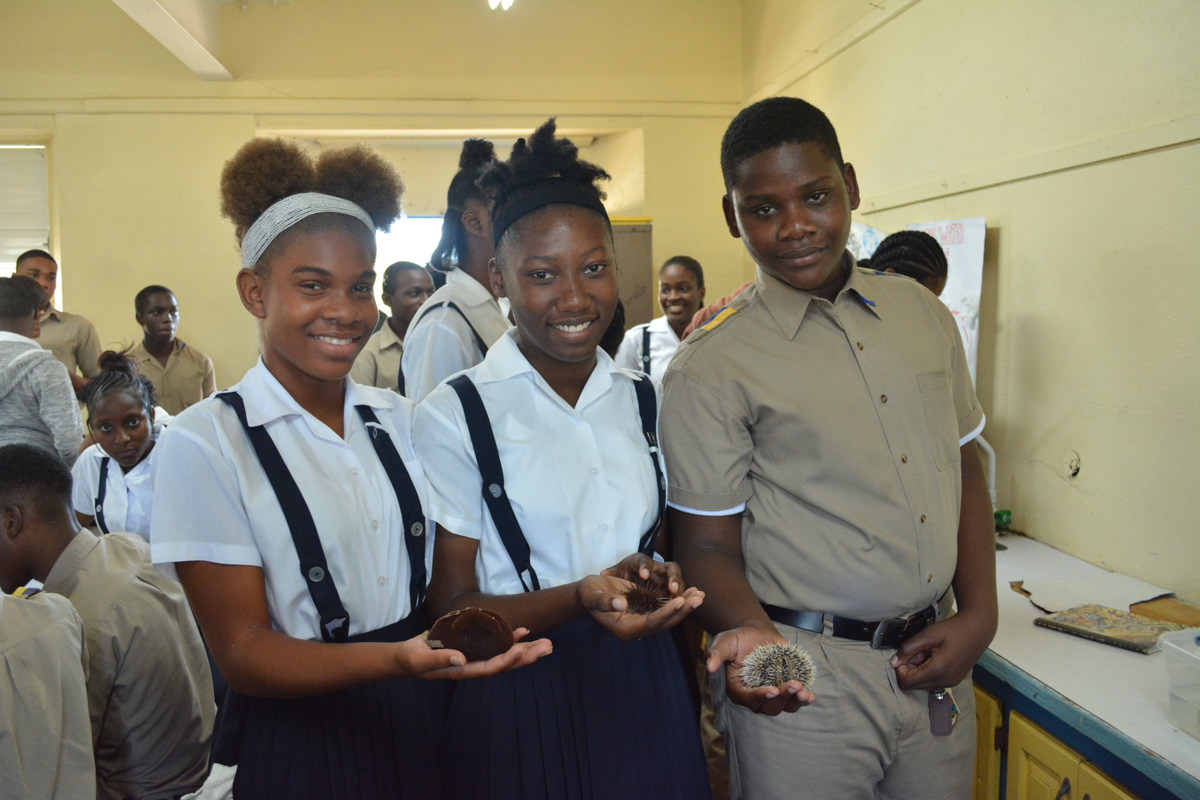
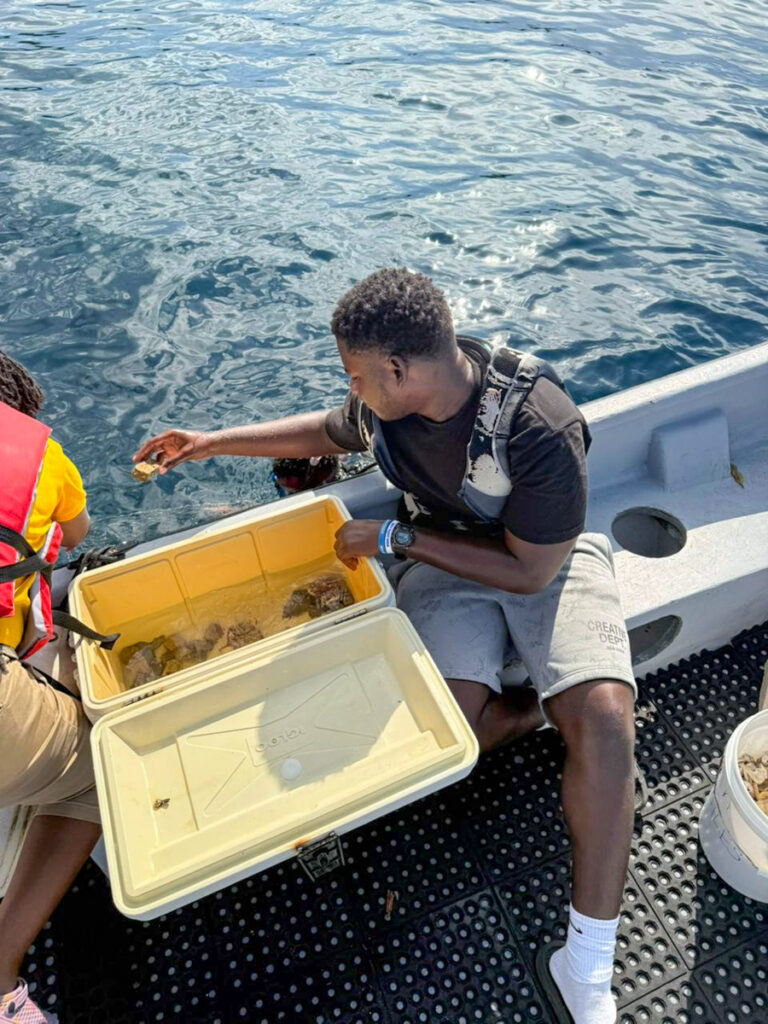
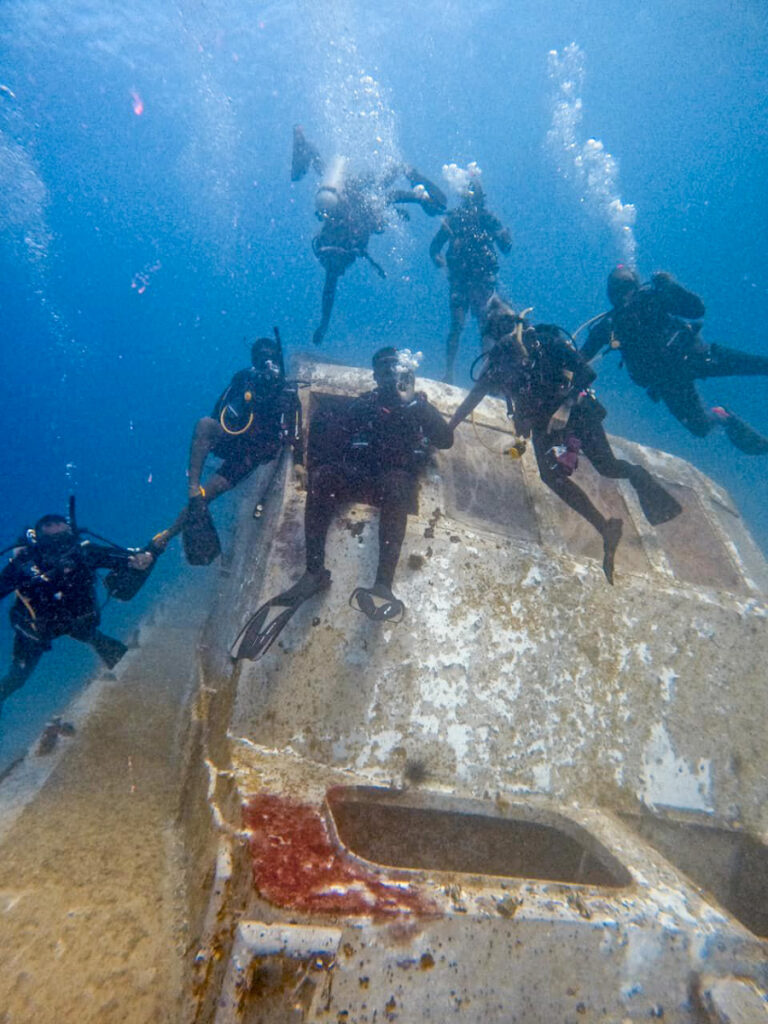
Today, Desta, a recent graduate of the College of Agriculture, Science, and Education (CASE) with a Bachelor’s degree in Environmental Science, is interning with the Alligator Head Foundation. We asked him to reflect on his journey from a Jamaica Awareness of Mangroves in Nature (J.A.M.I.N.) student to an environmental professional.
Q&A with Desta Pinks
What first sparked your interest in the environment and environmental science?
My interest in the environment started back in high school, when I began learning more about how our actions affect the world around us. I’ve always loved nature, but once I began to understand the science behind issues like pollution, habitat destruction, and climate change, I felt a strong pull to get involved. That’s what led me to environmental science; it combined my curiosity with my desire to make a positive impact.
How did participating in the J.A.M.I.N. program influence your decision to pursue this career path?
Participating in the J.A.M.I.N. program during high school had a major impact on my career path. It was the first time I really got to experience environmental work outside the classroom. J.A.M.I.N. gave me the chance to do hands-on projects, work in the field, and see real environmental challenges up close. It helped me realize that environmental science wasn’t just something to study—it was something I could actually do.
Do you remember a particular moment or activity from J.A.M.I.N. that really stuck with you?
Absolutely. One memory I’ll never forget is planting mangroves. But what really hit me was the strong smell. It honestly smelled like rotten eggs! At first, I was shocked, but then I learned that the smell comes from the natural gases released in the mangrove soil, and it’s a normal part of that ecosystem. That moment made me realize how unique and complex nature is, and it stuck with me as a symbol of how even the “messy” parts of nature are important and worth protecting.
How do you think programs like J.A.M.I.N. help prepare students for careers in environmental science and conservation?
Programs like J.A.M.I.N. are so important because they give students real-world experiences. They take what you learn in the classroom and bring it to life. You learn how to observe, ask questions, collect data, and think critically about environmental issues. It also builds confidence and shows students that they can play a role in protecting the environment, no matter their background.
Looking back, what would you tell your younger self when you first started in the J.A.M.I.N. program?
I’d tell myself to take it all in, every smell, every muddy moment, every new word or idea. You don’t have to have all the answers; just be open to learning.
What advice would you give to current J.A.M.I.N. students or high schoolers who might want to follow a similar path?
Don’t be afraid to get involved. Ask questions, try new things, and take every opportunity to learn. Environmental science is such a broad field that you might end up in conservation, education, agriculture, or research. Programs like J.A.M.I.N. are a great place to start exploring what you’re passionate about. You don’t need to have it all figured out right away; just start where you are.
Watching Desta continue this path has been one of those quiet, full-circle moments that make this work so meaningful.
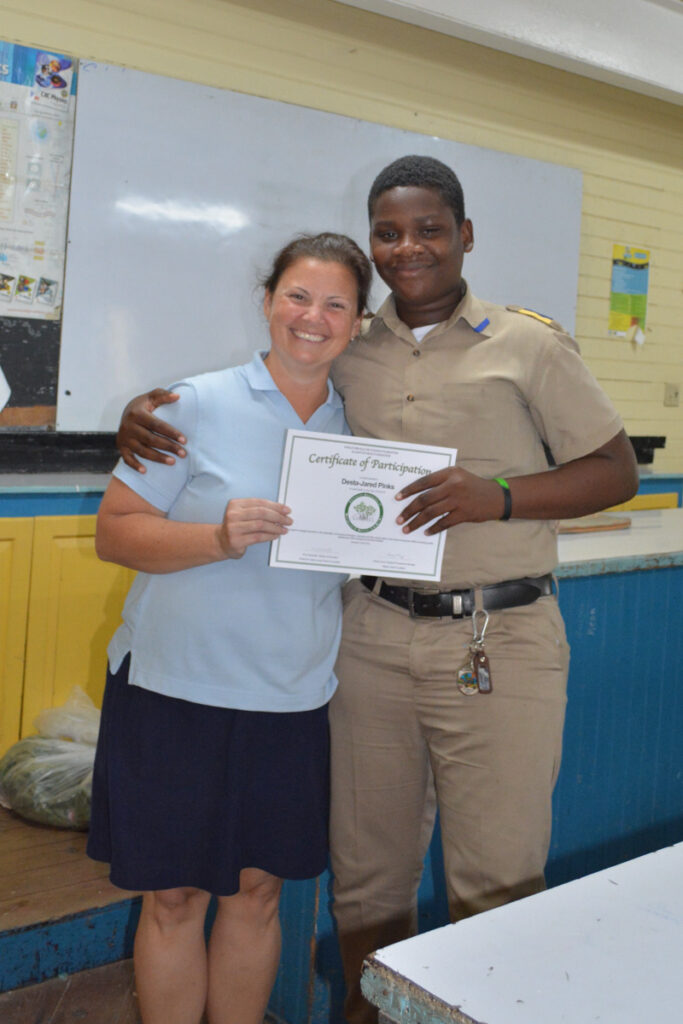
When students step into the mangroves during J.A.M.I.N., we hope they gain knowledge. We hope they build confidence. We hope they begin to see themselves as capable of contributing to something larger than themselves.
With Desta, we’ve had the privilege of seeing that growth firsthand.
The student who once laughed while stuck in the mangrove mud is now helping protect and study the ecosystems that first inspired him. And that is exactly why programs like J.A.M.I.N. matter.