search-icon
Working Together

Over the past two weeks we’ve been meeting up with local leaders and fishers of the Vava’u island group in Tonga.

The shallow-water reefs and lagoons surrounding the islands provide a vital source of protein for local people. The sharing nature of Tongan society is reflected in the open-access nature of their fisheries. There are few restrictions on where fishers can fish, or the size and species of their catch. This means that the first-come-first-served approach is an incentive to harvest as much as possible, as fast as possible. Fishers have voiced their concerns to us about dwindling fish stocks and how they have to travel further offshore to catch enough fish to make a profit.
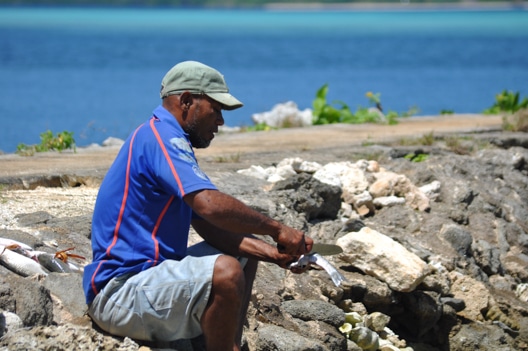
A Tonga fisherman cleans his catch by the water's edge at Vava'u.
A Tonga fisherman cleans his catch by the water’s edge.

The government is aware of threats to the marine environment and is taking measures to protect certain species as well as whole areas. However, there is still work to be done to convince everyone that reefs are more valuable intact and alive.

The Tonga Fisheries Department is working to help educate the public about the long-term benefits of specially managed areas. These are places where fish and other marine organisms can breed in safety, boosting fish populations so that there are more of them to catch in the surrounding areas. Town officers play a leading role as intermediary agents between the government and the local communities. Together, the government and local people can manage and conserve their marine resources.
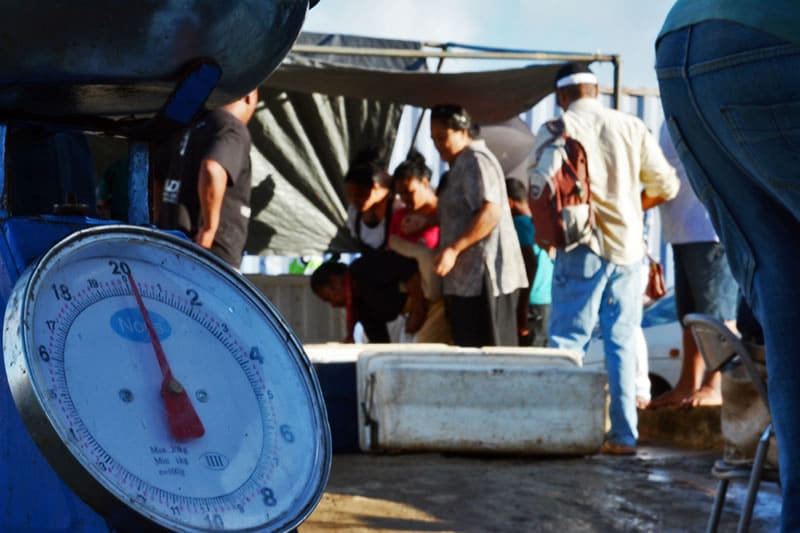
Scales at the fish market in Vava'u, Tonga.
Scales at the fish market in Vava’u, Tonga.

A major component of our research during this trip focuses on obtaining socio-economic information from fishers to use in combination with biological information that we collected during the Global Reef Expedition last September. We’re going to combine this data to develop a simulation model which may assist the people of Tonga in sustainably managing their marine resources.
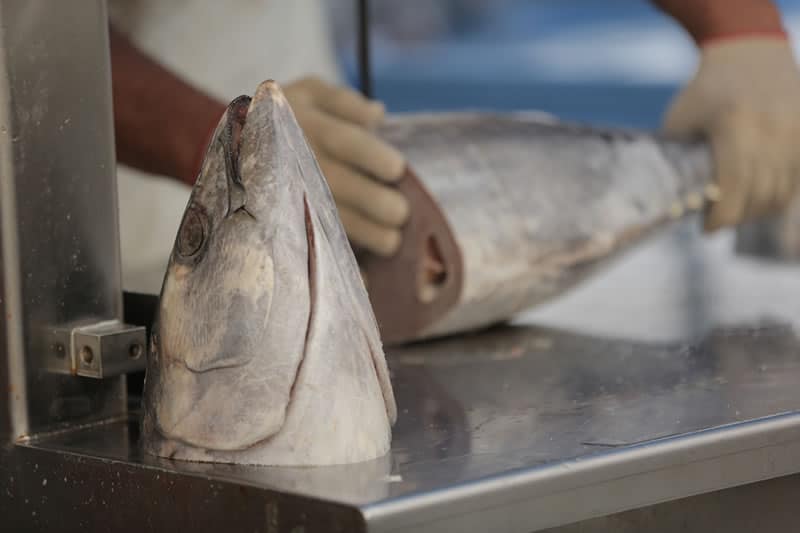
Tuna are cut up and sold at the Vava'u fish market in Tonga.
Tuna are cut up and sold at the Vava’u fish market in Tonga.


Photos by: 1- Amy Heemsoth; 2- Stefan Andrews; 3- James Ball.
Related Posts

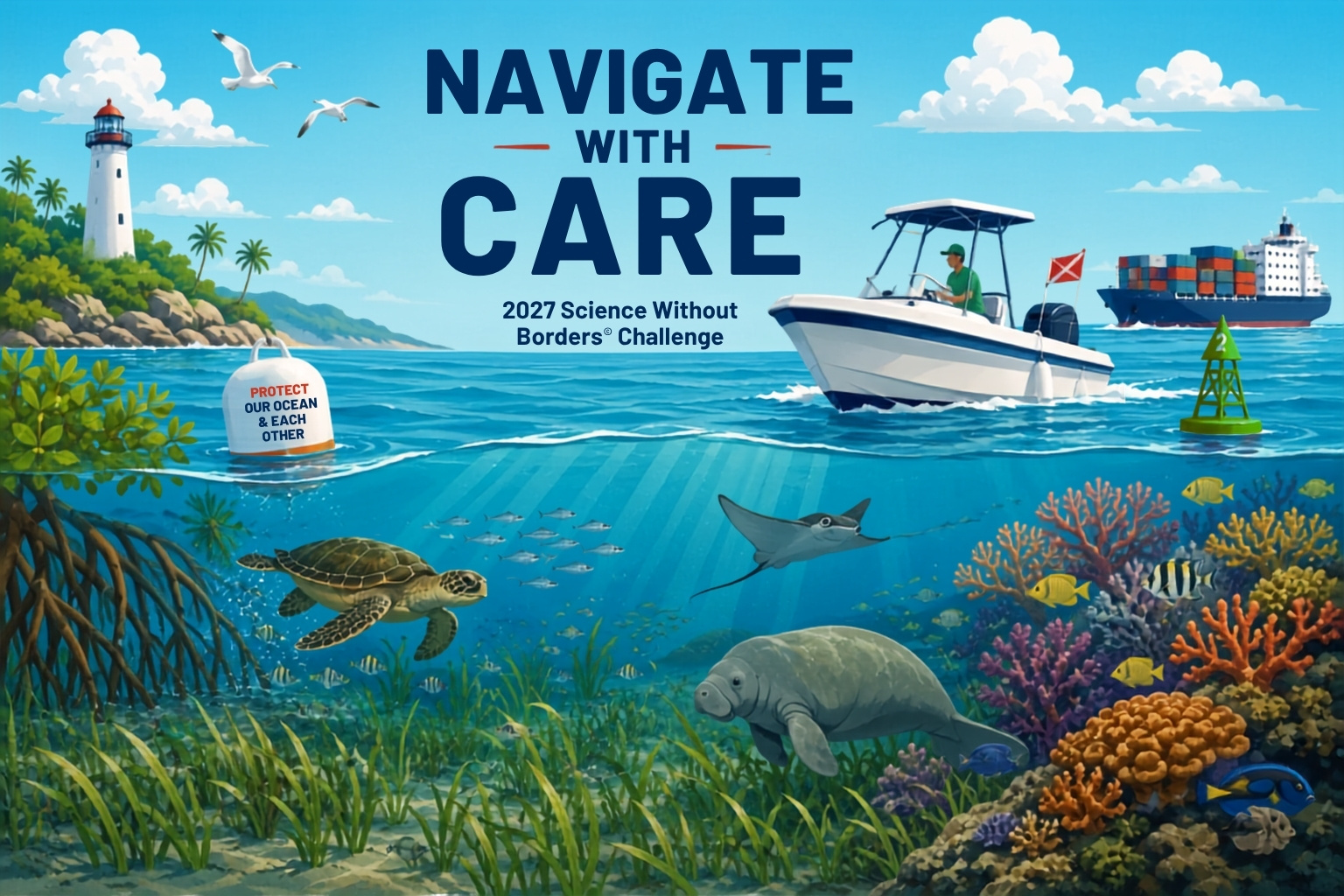
Announcing the 15th Annual Science Without Borders® Challenge: Navigate with Care

Every day, fishing boats, ferries, sailboats, kayaks, research vessels, cargo ships, whales, sea turtles, dolphins, seabirds, and countless other marine animals share the same waters. While people rely on the ocean for transportation, recreation, research, fishing, and exploration, it is also home to some of the most diverse and important ecosystems on Earth.

That simple but powerful idea is the inspiration behind the 15th Annual Science Without Borders® Challenge.

Read More

2025-2026 B.A.M. Student Voices

Throughout the Bahamas Awareness of Mangroves (B.A.M.) and Jamaica Awareness of Mangroves in Nature (J.A.M.I.N.) programs, we evaluate each phase of the mangrove education and restoration process to better understand how students are learning, growing, and connecting with their coastal environments.

Before the programs begin, students share what they already know about mangroves and how they feel about them. As the program progresses, we continue to gather feedback to see how their knowledge evolves from identifying mangrove species and understanding food webs to recognizing the role mangroves play in coastal protection and climate change mitigation.

But the surveys go beyond science content.

We also ask students…

Read More
Privacy Overview

This website uses cookies so that we can provide you with the best user experience possible. Cookie information is stored in your browser and performs functions such as recognising you when you return to our website and helping our team to understand which sections of the website you find most interesting and useful.  You can view our complete Privacy Policy here.

Strictly Necessary Cookies

Most of our cookies are used to improve website security and reduce spam. These cookies should be enabled at all times. They also enable us to save your preferences for cookie settings.

3rd Party Cookies

This website uses Google Analytics to collect anonymous information such as the number of visitors to the site, and the most popular pages. Keeping this cookie enabled helps us to improve our website.