search-icon
Conservation Benefits of the Great Barrier Reef Marine Park Zoning System

Over the next month our research team will explore the remote northern Great Barrier Reef Marine Park to evaluate the effectiveness of management in protecting biodiversity and enhancing the resilience of the reef system to climate change.  The Marine Park is a multiple-use area that supports a large number of communities and industries that depend on the reef for food, livelihoods and recreation.
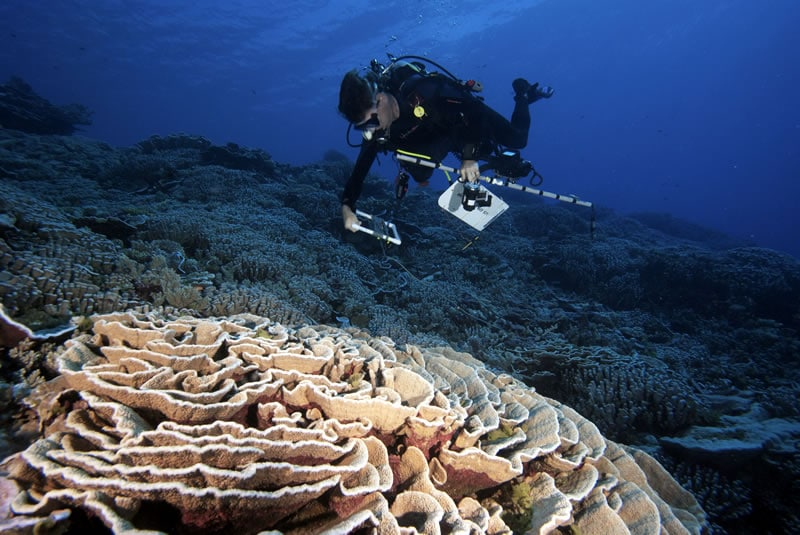
Diver surveys Great Barrier Reef

Diver surveying a healthy coral community.

The entire Marine Park is managed through a multiple use zoning plan that identifies where particular activities are permitted and where others are not permitted.  The Plan is designed to separate conflicting uses, and includes 33 per cent no-take zones where fishing and collecting is not permitted.   The inclusion of no take zones is a globally accepted management strategy to successfully protect exploited species, yet the added benefits of no –take zones in protecting corals and other species from climate change stressors and in maintaining ecosystem structure and function is not well known.
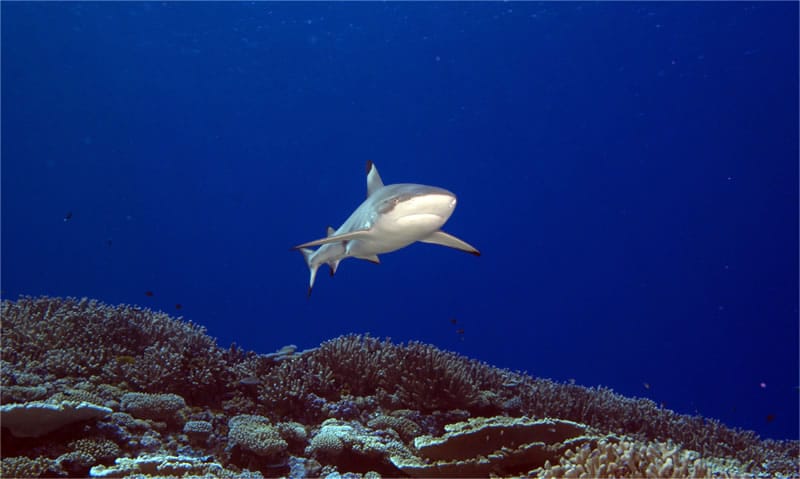
Great Barrier Reef Black Tip Reef Shark

Apex predators such as the black tip reef shark are sensitive to noise from engines and may be more common in Pink Zones

Our surveys and research will compare three zones, within nearshore, midshelf and offshore reef systems.  The reefs extend from Cairns to the northern tip of Australia near Thursday Island, spanning a distance of 1100 km.  We will examine differences in the abundance and health of populations of apex predators, other reef fishes, coral and benthic communities within a total of 180 locations on 30 reefs. The zones are identified by color and include open access Blue Zones, no-take Green Zones and no-take, no entry Pink Zones.  We hope to demonstrate the effectiveness of no-take zones in enhancing exploited reef fish and also will determine what effects boat engine noise has on apex predators by comparing the Green and Pink Zones.
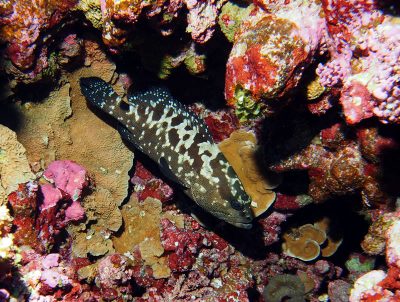
Great Barrier Reef Grouper

No-take areas should have large populations of exploited species such as grouper.
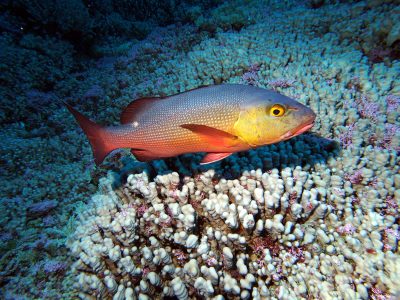
Great Barrier Reef Snapper

In addition to higher number of predatory fishes such as snapper, coral communities may be healthier in no-take areas.

Photos by João Monteiro
Related Posts

From Mangrove Mud to Meaningful Work: Desta’s J.A.M.I.N. Journey

Some students I remember for their grades, their quick answers, or a moment that made the whole class laugh. Others I remember for the way they stepped into the mangroves.

Desta was the kind of student who thrived outdoors. While some students hesitated at the edge of the mud, he walked right in. And when he inevitably got stuck — because everyone does — he didn’t get frustrated. He laughed. Covered in mud, holding mangrove propagules in his hands, he embraced the experience fully.

Even then, it was clear that he was connecting with the environment in a way that went beyond the lesson plan…

Read More

From Students to Stewards: A Full-Circle Moment for J.A.M.I.N.

There are certain faces you never forget.

Over the years, hundreds of students have stepped into mangrove forests with us through the Jamaica Awareness of Mangroves in Nature (J.A.M.I.N.) program. I may not always remember every name, but I remember the expressions — the hesitation before stepping into thick mud, the laughter when someone loses a shoe, the look of surprise when they catch that unmistakable sulfur smell rising from the mangrove soil…

Read More
Privacy Overview

This website uses cookies so that we can provide you with the best user experience possible. Cookie information is stored in your browser and performs functions such as recognising you when you return to our website and helping our team to understand which sections of the website you find most interesting and useful.  You can view our complete Privacy Policy here.

Strictly Necessary Cookies

Most of our cookies are used to improve website security and reduce spam. These cookies should be enabled at all times. They also enable us to save your preferences for cookie settings.

3rd Party Cookies

This website uses Google Analytics to collect anonymous information such as the number of visitors to the site, and the most popular pages. Keeping this cookie enabled helps us to improve our website.