Everyone has probably eaten tannin at some point in their life. Tannin can be found in a variety of plant-based foods such as fruits (e.g. cranberries, blueberries), nuts (e.g. walnuts, pecans), legumes (e.g. black beans, chickpeas), spices (e.g. cinnamon, vanilla), chocolate, and beverages such as tea, coffee, and wine. When consumed, tannin provides multiple health benefits because it contains antioxidant and anti-inflammatory properties.
Throughout human history, compounds found in plants and animals have been used to heal an array of medical conditions. Traditional medicine, sometimes referred to as “bush” or “folk” medicine, was used to treat ailments prior to the emergence of modern medicine. Many of these customs are still being practiced today. The healing properties of mangroves were first discovered by those practicing traditional medicine. Like with modern-day medicine, many of its uses were discovered through trial and error. When a cure worked, the knowledge and information was passed along from generation to generation.
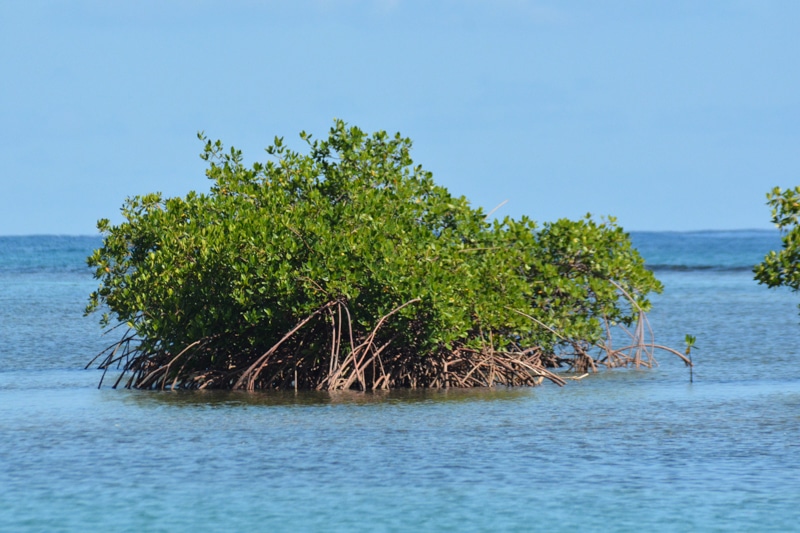
In traditional medicine, different mangrove species around the world have been found to have numerous healing abilities because their tannin contains antifungal, antibacterial, and antiviral properties. Mangrove tree bark, leaves, fruits, roots, seedlings, and stems are used to treat various conditions. Some of these conditions include healing wounds, diarrhea, stomachaches, diabetes, inflammation, skin infections, conjunctivitis (pink eye), and toothaches. It can even be used as mosquito repellent.
It is no surprise, then, that mangroves have piqued the interest of the pharmaceutical and medical industries. Researchers are studying mangrove tannin to see how it may help to prevent, heal, or cure a variety of conditions. One study shows that compounds in red mangrove (Rhizophora mangle) tannin reduced gastric acid and increased mucosal protection to help heal stomach ulcers. Another revealed that the tannin reduced bacterial strains such as the Staphylococcus aureus, which can cause skin and respiratory infections as well as food poisoning. Pharmaceutical research is likely to unveil many more uses for this healing compound.

As recently seen with COVID-19, infectious diseases can spread and quickly become global pandemics. Creating new drugs for these new threats presents a constant challenge; however, the development of new vaccines and medicine is often a long and arduous process. And, despite the fact that many other ailments once considered incurable are now treatable, things are far from perfect. Antibiotics have become less effective and resistant to new pathogens. Many synthetic medicines have long lists of dangerous side effects. Additionally, it is difficult to know the long-term effects of recently created synthetic drugs, as opposed to naturally derived traditional medicines whose use over many generations has proven them to be both effective and safe. Perhaps, then, the natural world will remain our best hope. Mangroves and thousands of other medicinal plants around the world have the power of healing contained within them. As new diseases emerge and stubborn ones remain with us, nature may continue to be the great untapped source for more potential solutions just waiting to be discovered. Solutions that can heal, cure, and save lives.
If you missed our first blog about mangrove tannin, visit “Mangrove Tannin: What is Tannin?”