search-icon
Together Again: The Return of B.A.M. and J.A.M.I.N.

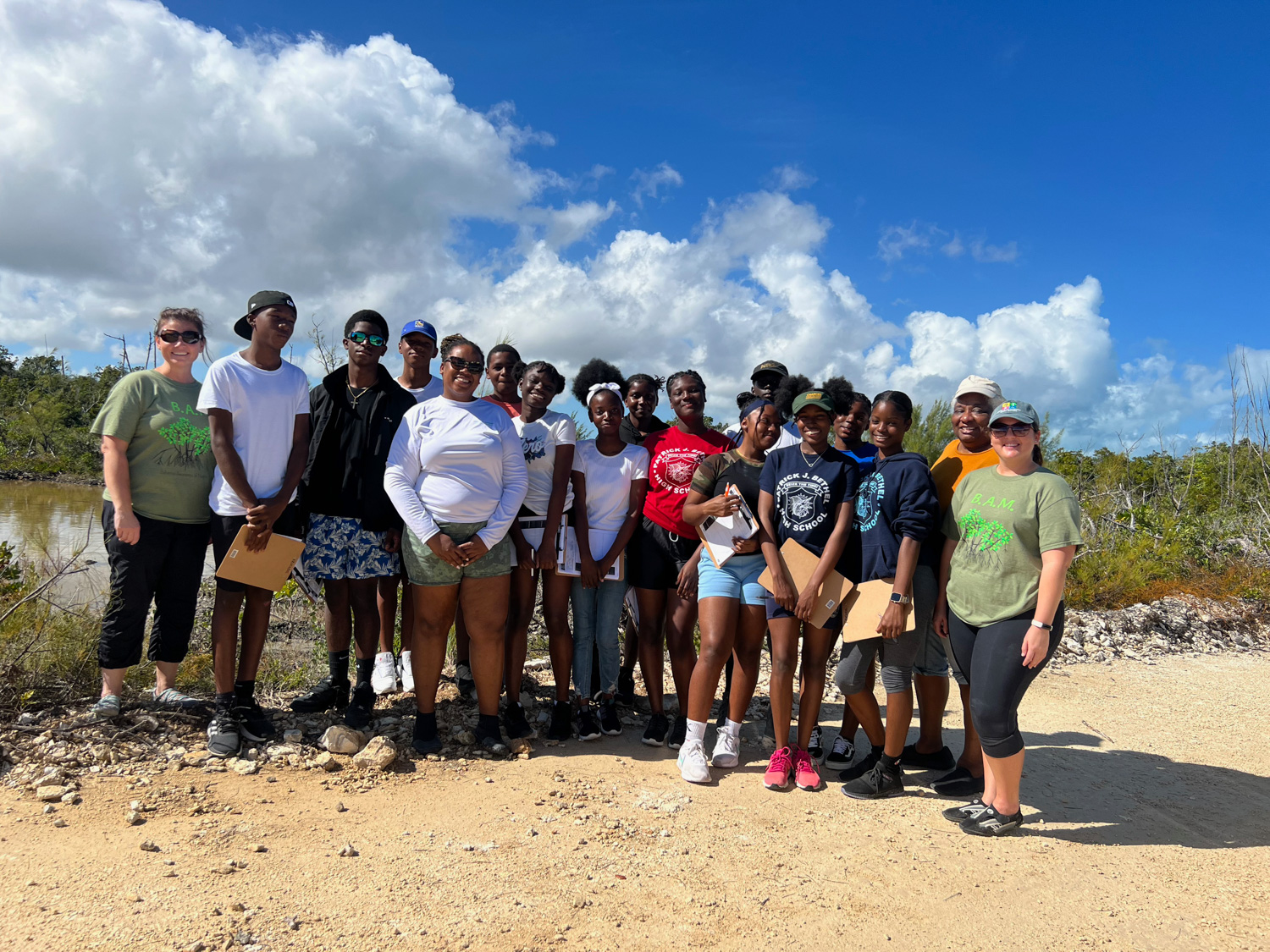
The chilly winter season doesn’t seem so dreary now that I’m returning, not only to Jamaica to implement the second phase of our Jamaica Awareness of Mangroves in Nature (J.A.M.I.N.) program, but I’m also getting the Bahamas Awareness of Mangroves (B.A.M.) program operational again after a three year hiatus!  

In late January, I returned to The Bahamas for the first time since Hurricane Dorian devasted much of Abaco Island in September 2019, including the schools where we worked and our partners at Friends of the Environment’s facilities. Shortly thereafter, the COVID-19 pandemic struck the world, causing lockdowns and slowing the rebuilding of Abaco. 
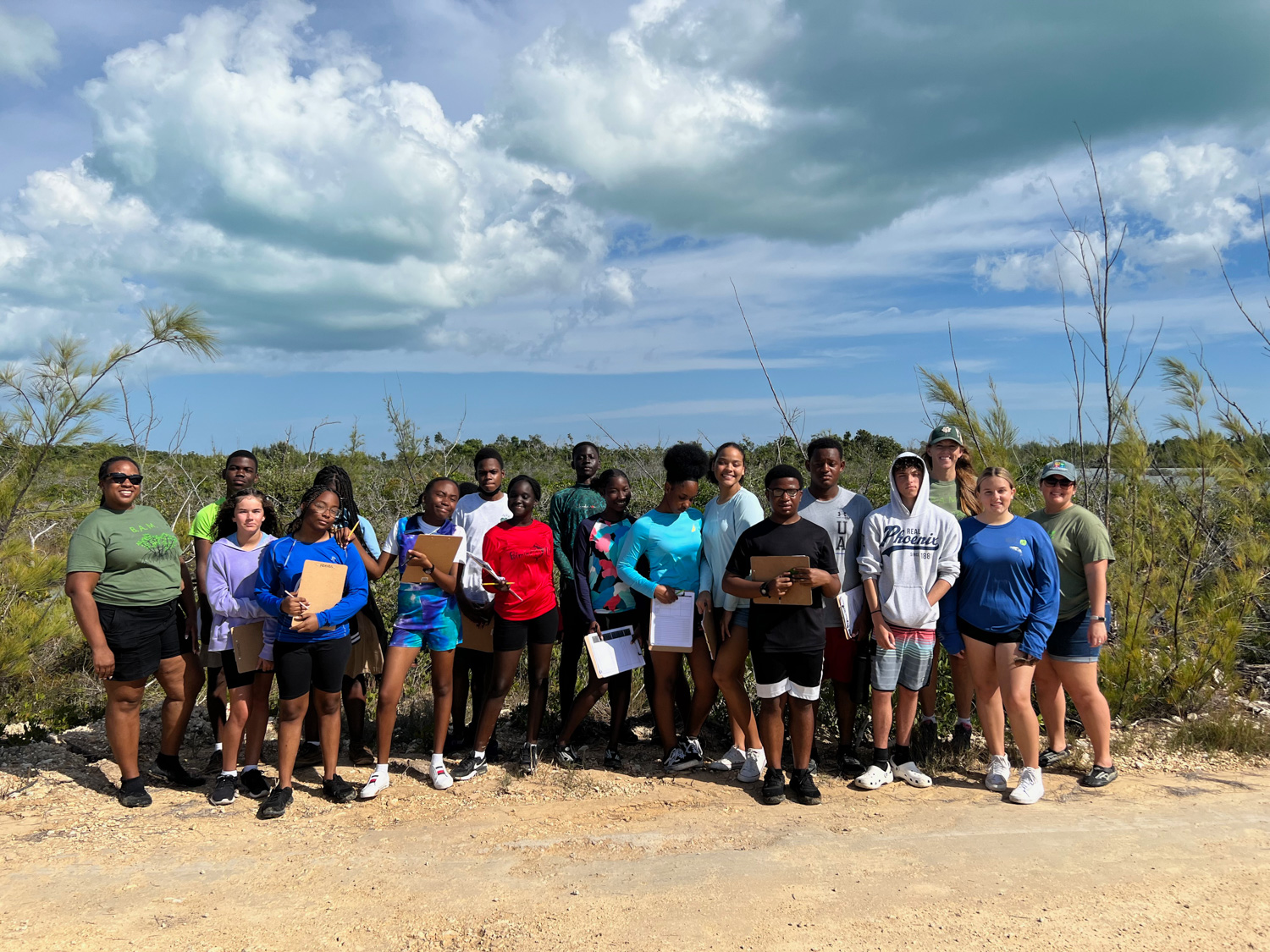
Teachers and students returned to in-person schooling in early 2022, most of them to newly renovated and repaired school facilities. Although interested in the B.A.M. program, the teachers were not sure if they should take it on given the many adjustments that students would encounter upon returning to the classroom after such a long absence. Thus, we decided to postpone the program in the 2022-2023 academic year.

Then, while implementing the first phase of J.A.M.I.N., our partners at Friends of the Environment reached out to say that the teachers decided that it would be beneficial to implement B.A.M. again, despite teacher shortages and residual infrastructure issues from the hurricane. 

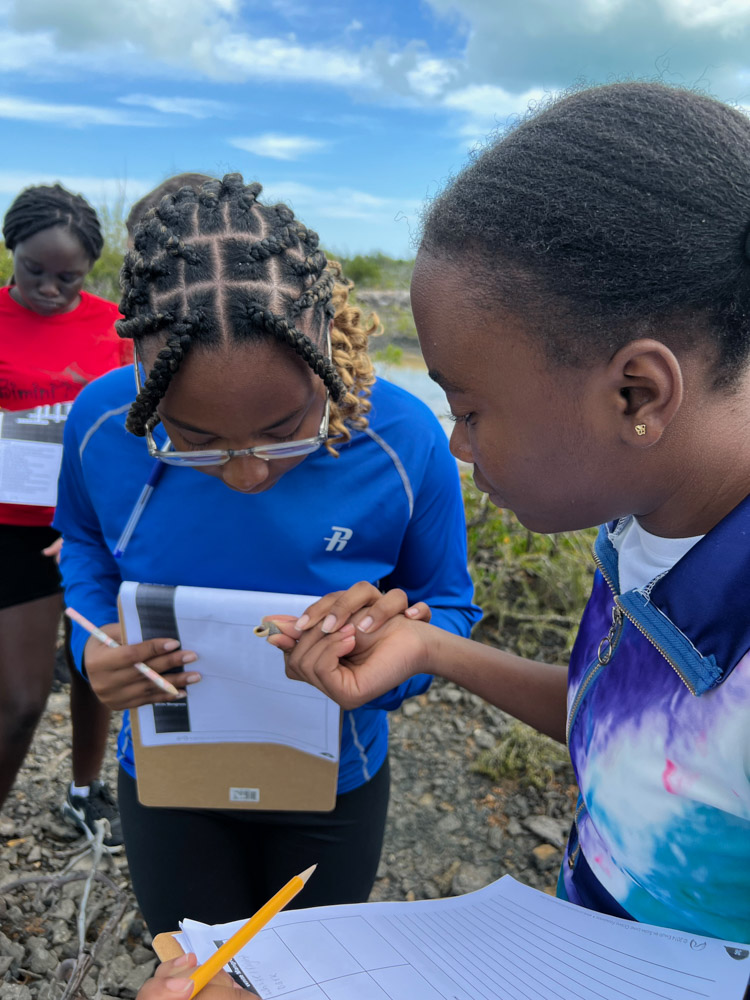
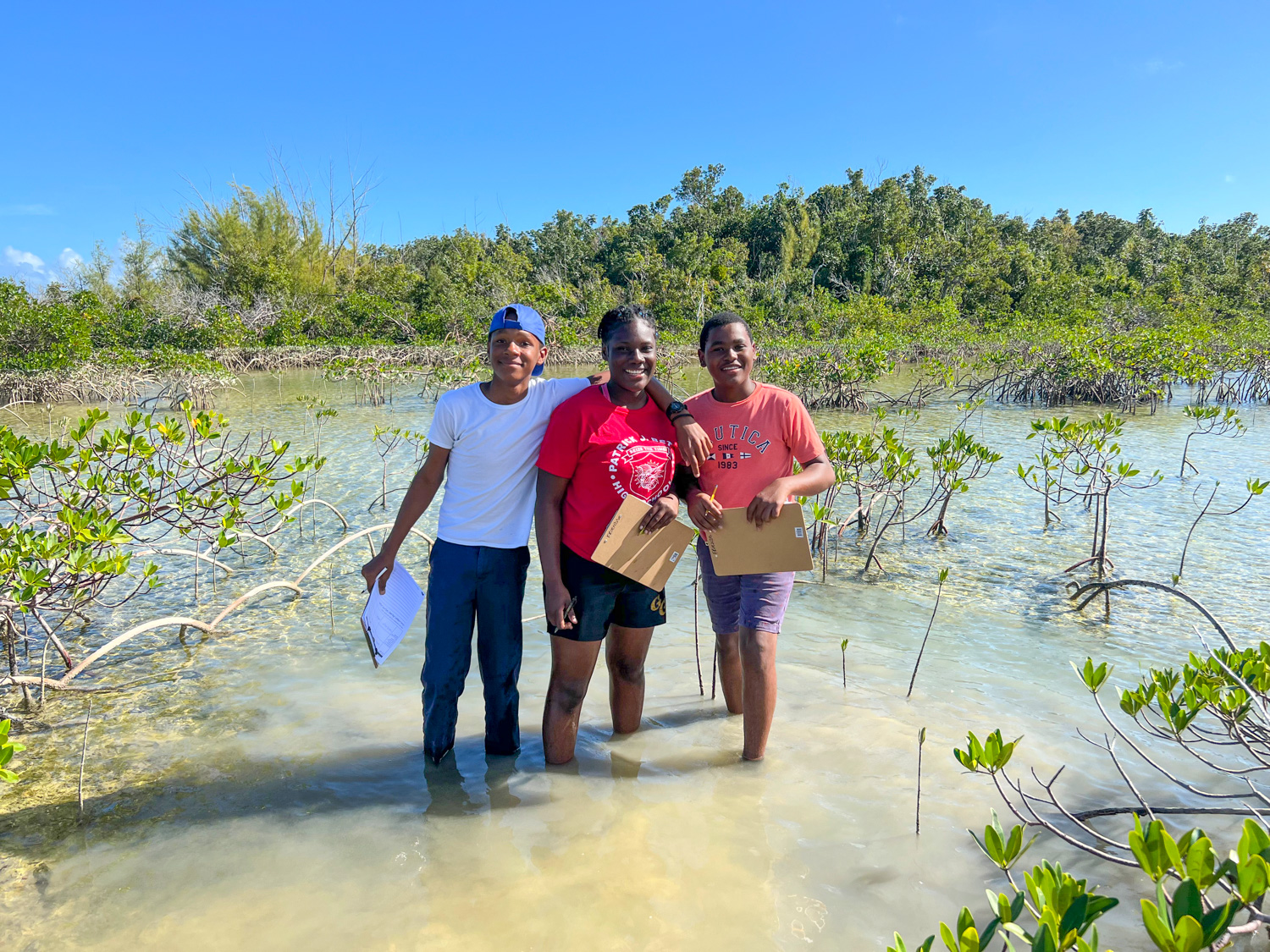
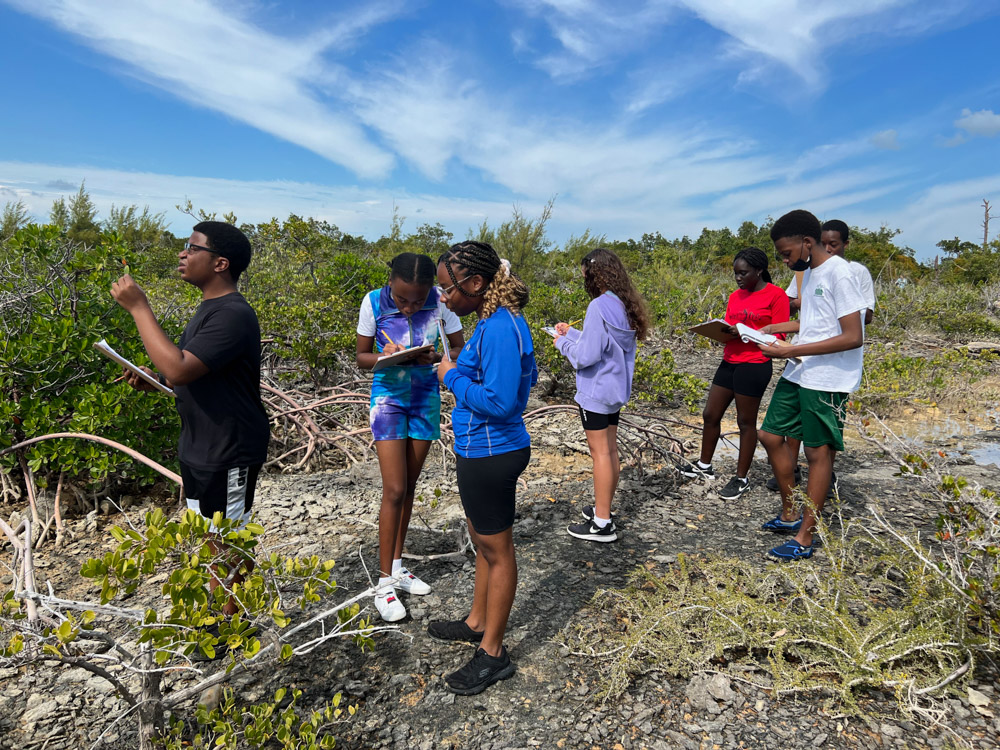
Although starting late, we agreed not to sacrifice the first phases’ lectures, field trip, and mangrove growth experiment; therefore, we decided to begin the B.A.M. program again in January and modified it to include components of both phase 1 and 2. Needless to say, it was a busy, but successful week.
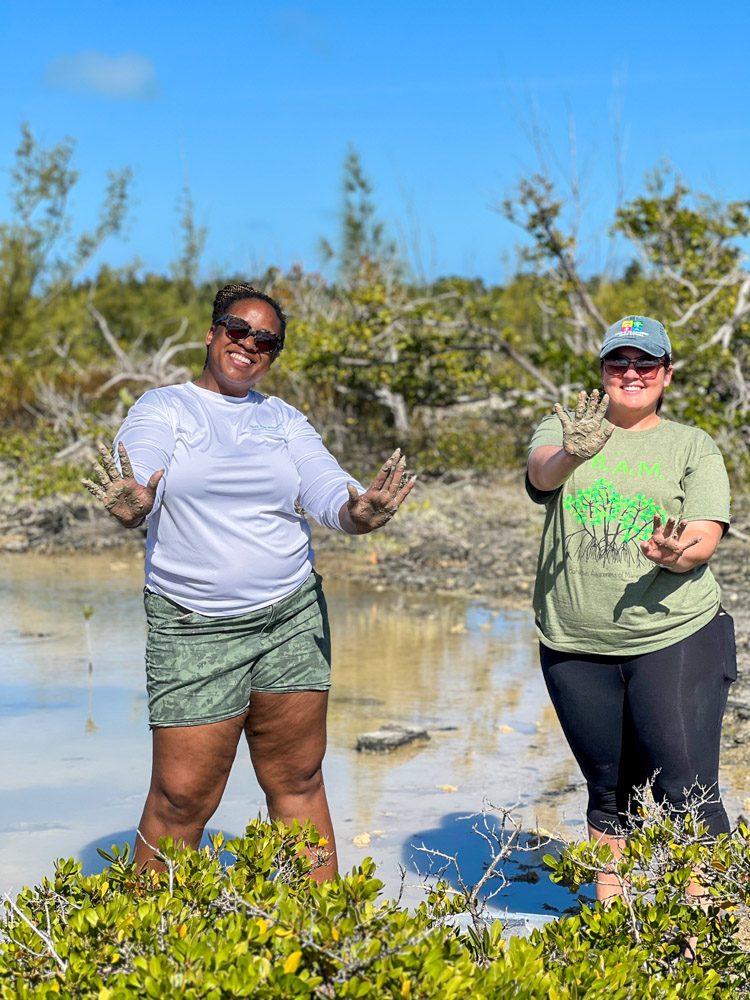
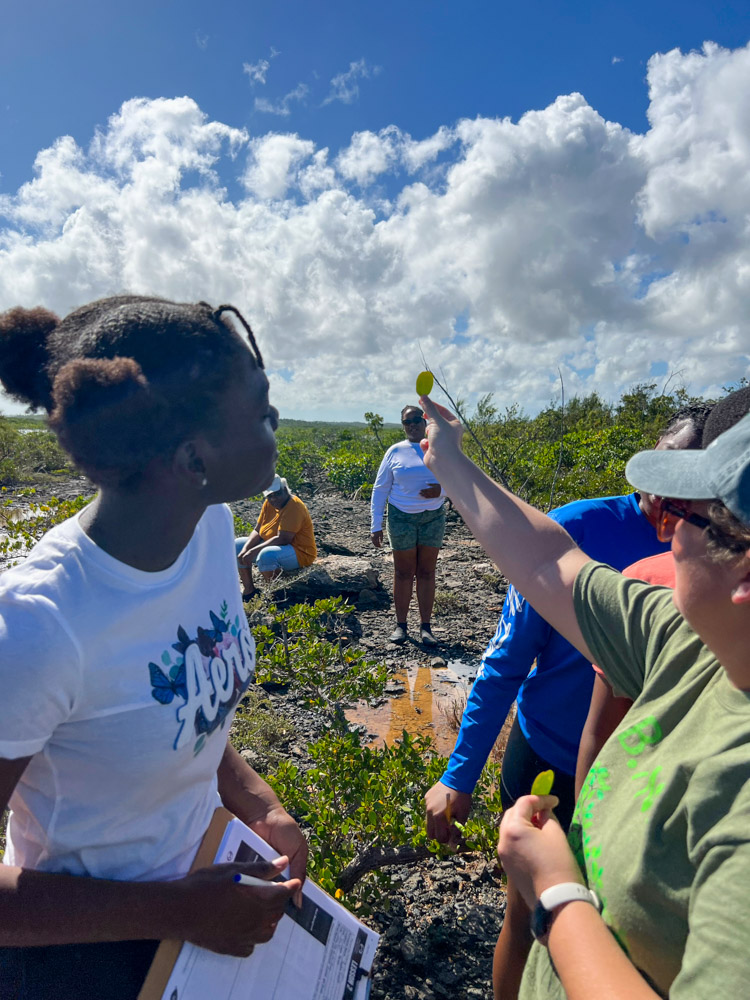
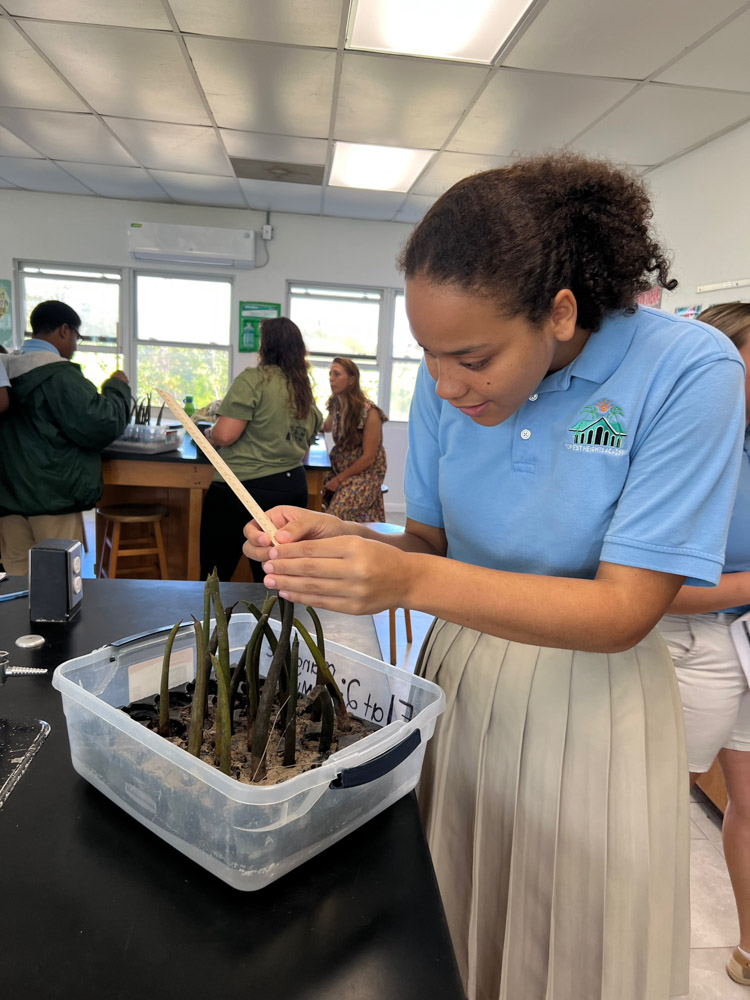
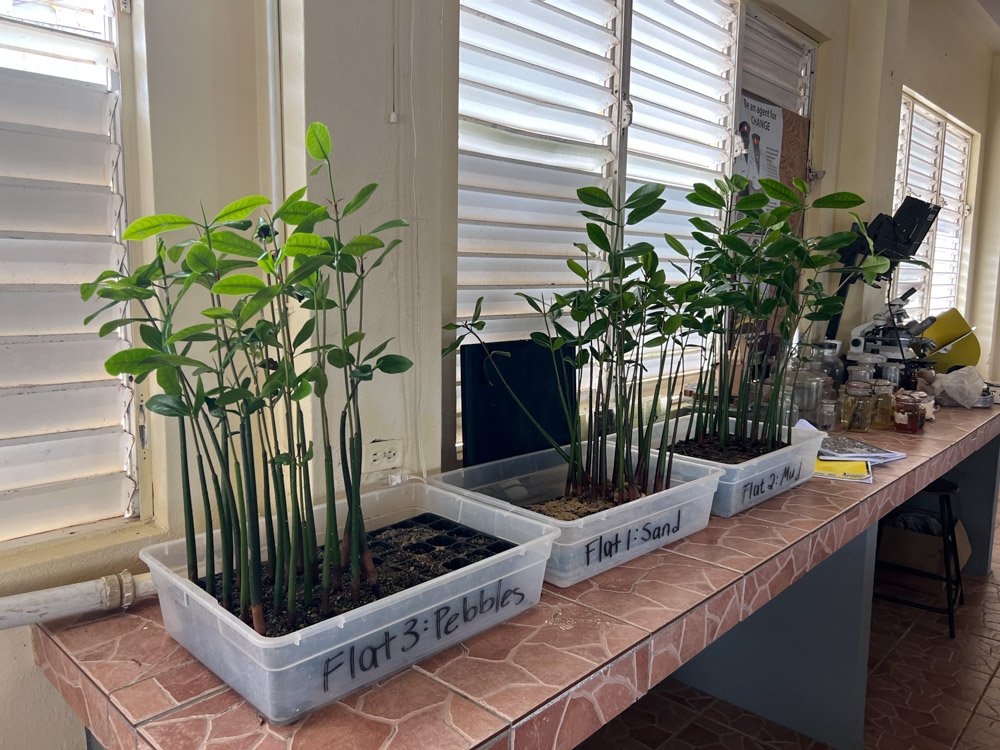
Students in the B.A.M. program planted their mangrove propagules (seedlings) for their growth experiment, while seedlings planted by J.A.M.I.N. students grew tall, even outgrowing the plant trays.
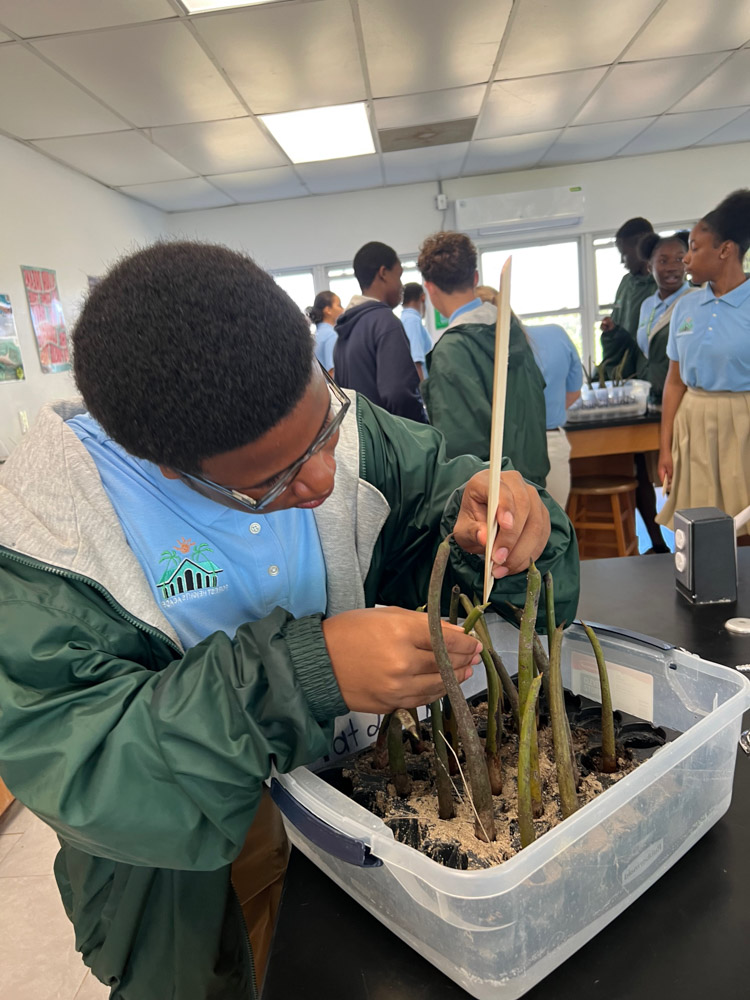
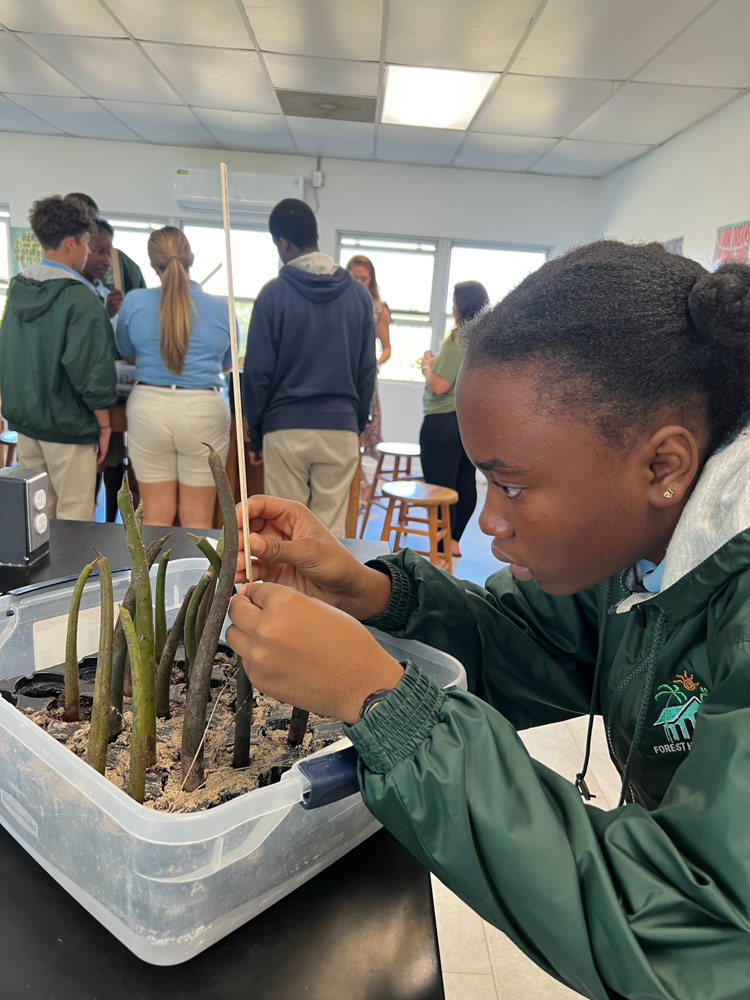
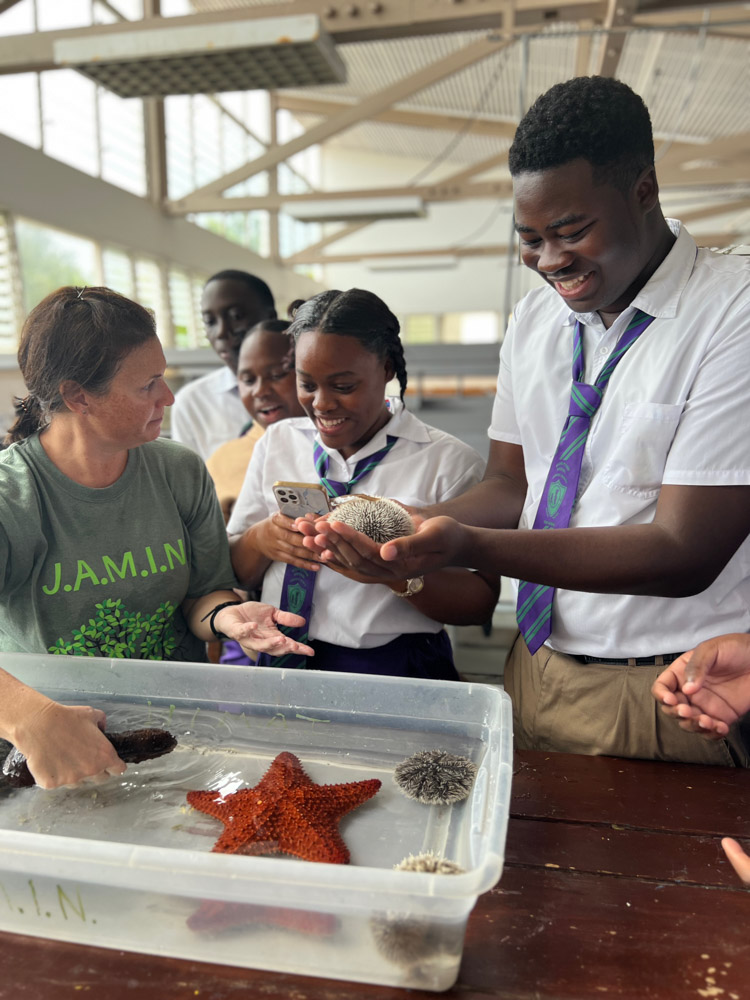
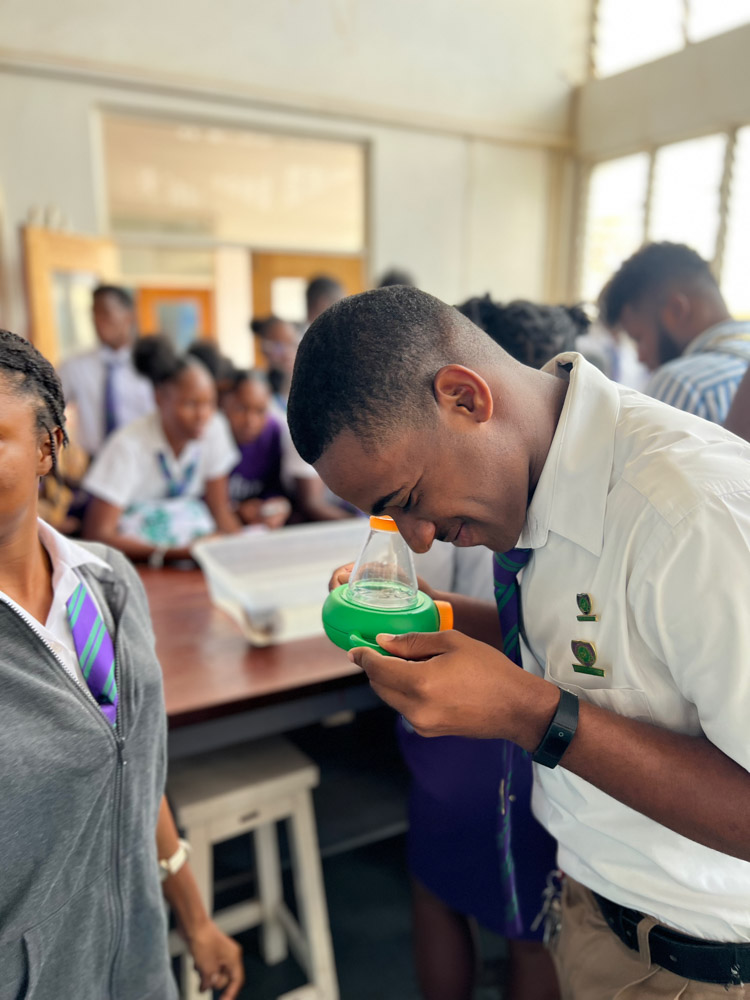
In the second phase of both programs, students learned about the mangrove food web. To reinforce ideas learned in lectures, students participated in a mangrove touch tank activity, where they received an up-close and personal experience observing, touching, and even holding some of these creatures. Ending the phase, students created a physical mangrove food web to understand the feeding strategies of these organisms. 
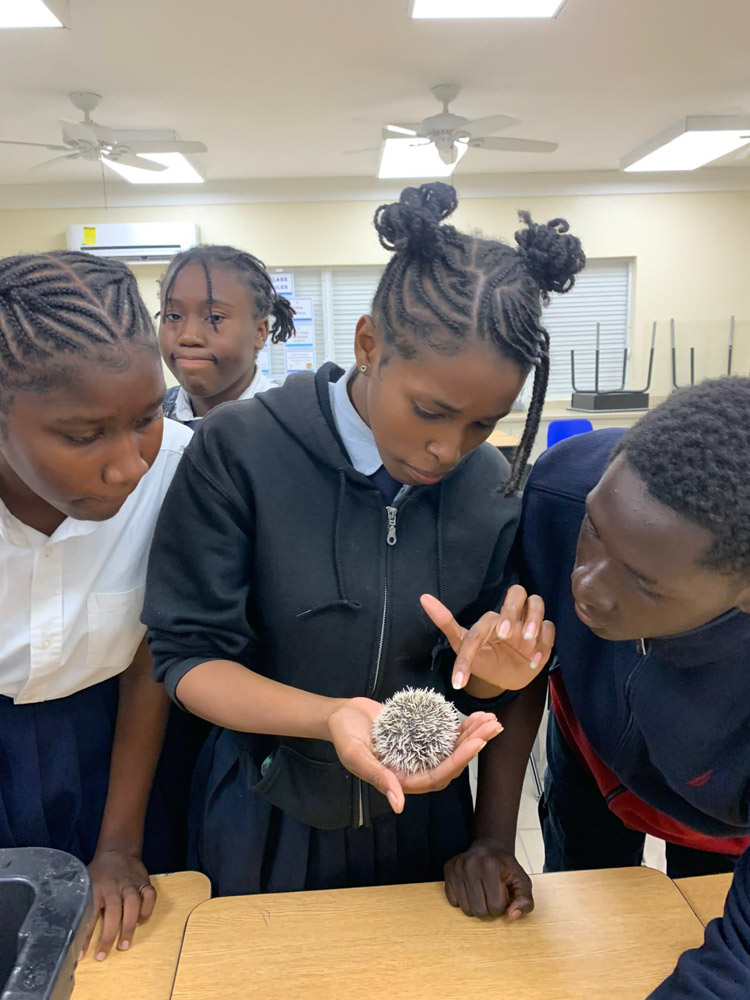
As we continue our goal of providing hands-on experiential education to students, I am thrilled to see both programs fully operational again! With online learning becoming more prevalent, our B.A.M. and J.A.M.I.N. programs are now more important than ever in fostering interest in the natural world and creating the next generation of environmental stewards. 
Related Posts

After the Storm: Standing with Our J.A.M.I.N. Family in Jamaica

There are moments in this work that feel heartbreakingly familiar.

Two weeks after we completed our Jamaica Awareness of Mangroves in Nature (J.A.M.I.N.) programming, Hurricane Melissa made landfall. A powerful Category 5 hurricane, Melissa is now tied with Hurricane Allen in 1980 for the strongest winds ever recorded in an Atlantic storm. Like Hurricane Dorian, which devastated The Bahamas in 2019, Melissa will be remembered as one of the strongest hurricanes on record in the region.

For 11 years, the University of the West Indies Discovery Bay Marine Laboratory and William Knibb Memorial High School have been more than program partners. They have welcomed us into their classrooms and labs, shared meals and laughter, and committed themselves to educating their students about mangroves and coastal resilience. These colleagues and students are not distant collaborators. They are family.

And they were hit hard…

Read More

B.A.M. Turns 10: A Year of Milestones, Resilience, and Growth

The 2025–2026 academic year was one of those defining years for our Bahamas Awareness of Mangroves (B.A.M.) and Jamaica Awareness of Mangroves in Nature (J.A.M.I.N.) programs. It was a year marked by celebration, challenge, growth, and powerful full-circle moments, and a reminder of why mangrove education matters.

In The Bahamas, B.A.M. reached a major milestone: ten years of partnership and environmental education in Abaco. Since 2015, in collaboration with Friends of the Environment, we have worked alongside Patrick J. Bethel High School and Forest Heights Academy to bring hands-on mangrove science into classrooms and into the field. This year, we were proud to expand the program to S.C. Bootle High School, increasing access for students who live…

Read More
Privacy Overview

This website uses cookies so that we can provide you with the best user experience possible. Cookie information is stored in your browser and performs functions such as recognising you when you return to our website and helping our team to understand which sections of the website you find most interesting and useful.  You can view our complete Privacy Policy here.

Strictly Necessary Cookies

Most of our cookies are used to improve website security and reduce spam. These cookies should be enabled at all times. They also enable us to save your preferences for cookie settings.

3rd Party Cookies

This website uses Google Analytics to collect anonymous information such as the number of visitors to the site, and the most popular pages. Keeping this cookie enabled helps us to improve our website.