Science Without Borders®
Conserving the Tropics
A United Nations Ocean Decade Endorsed Action
Science Without Borders® Conserving the Tropics
A United Nations Ocean Decade Endorsed Action
About the Project
Co-designing science-based solutions to conserve coral reefs, mangrove forests, and seagrass meadows
Science Without Borders®: Conserving the Tropics is an initiative dedicated to preserving and restoring tropical marine ecosystems—critical habitats like coral reefs, mangrove forests, and seagrass meadows. These ecosystems are essential for coastal resilience, biodiversity, and food security, yet they are under increasing pressure from climate change, pollution, and unsustainable human activities. Through a combination of cutting-edge conservation science, traditional knowledge, and community engagement, this initiative empowers local stakeholders to sustainably manage and protect their marine environments.
At the heart of this initiative is a co-designed approach that brings together scientists, conservationists, marine managers, and coastal communities to implement science-based conservation solutions. The project focuses on Small Island Developing States (SIDS) and Least Developed Countries (LDCs), where communities rely on healthy marine ecosystems for food and income. By integrating traditional knowledge with modern conservation strategies, we can equip local stakeholders with the tools and resources they need to actively restore and sustainably manage their coastal marine ecosystems.
Endorsed by the United Nations Ocean Decade, the Conserving the Tropics project leverages our extensive scientific research, outreach programs, and global partnerships to enhance ocean literacy, promote community-driven conservation, and develop low- and no-cost management solutions. By working closely with in-country partners, this initiative delivers scalable, science-based strategies to safeguard the future of tropical marine ecosystems while ensuring that the communities who depend on them play a central role in their protection.
PROJECT GOALS
Identify Priority Sites for Conservation
Co-design management plans to protect coral reefs, mangrove forests, and seagrass meadows
We work with local communities and scientists to identify and protect marine habitats critical to biodiversity and coastal resilience. Using cutting-edge research and traditional knowledge, we develop science-based management plans that safeguard coral reefs, mangrove forests, and seagrass meadows from threats like climate change, pollution, and overfishing.
Improve Ocean Literacy
Increase awareness of the vital role marine ecosystems play in coastal resilience
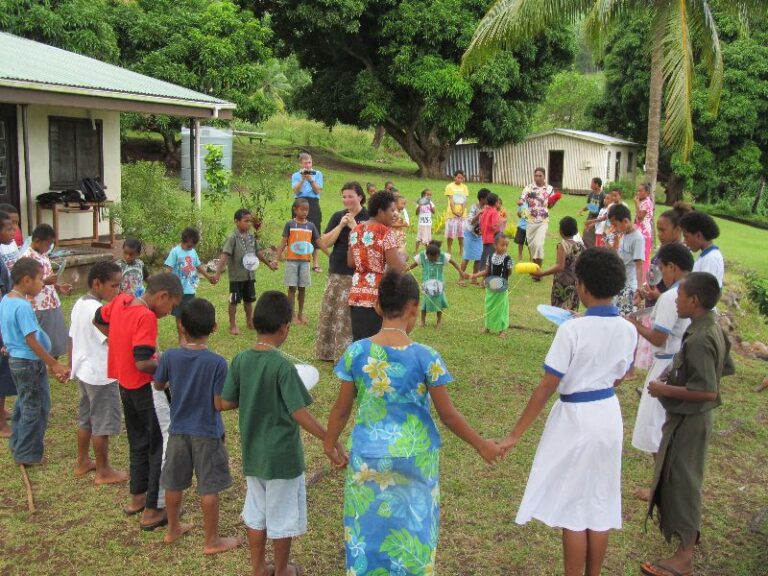
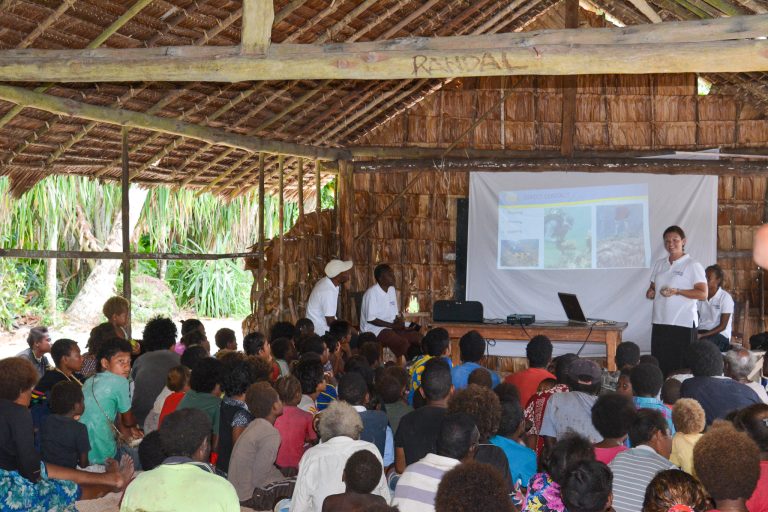
Understanding the importance of marine ecosystems is key to their protection. Through educational programs and outreach initiatives, we help people recognize how coral reefs, mangroves, and seagrass meadows support fisheries, protect shorelines, and sustain biodiversity.
Empower Local Communities
Provide knowledge, tools, and technology to support marine conservation efforts
We equip communities with the skills and resources they need to take an active role in protecting their marine environment. By making scientific data accessible and integrating emerging free and low-cost technologies, we help local stakeholders monitor ecosystems, manage resources effectively, and advocate for policies that support conservation.
Inspire Conservation Action
Provide knowledge, tools, and technology to support marine conservation efforts
Long-term conservation success depends on community-driven action. We inspire people to take responsibility for the ocean by promoting sustainable practices, supporting grassroots initiatives, and encouraging behaviors that protect marine habitats. Together, we can create lasting change for future generations.
LOCATION
Beqa Lagoon, Fiji
Beqa Lagoon, Fiji
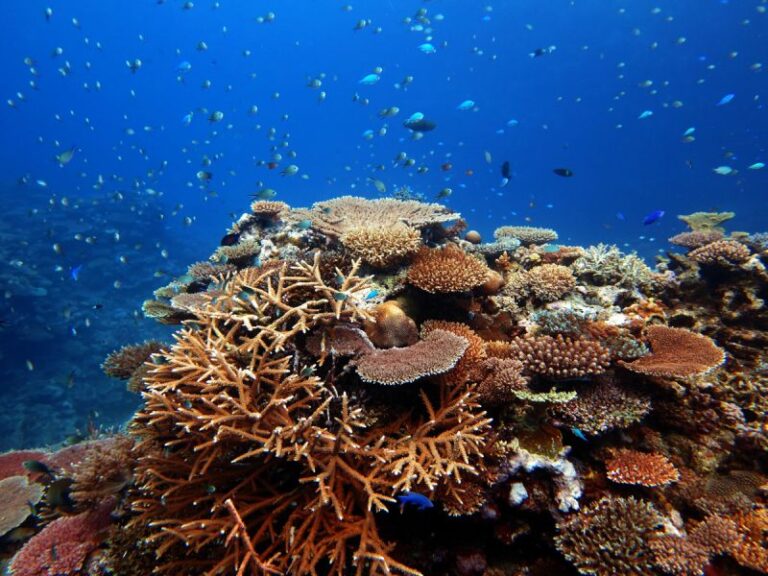
The first pilot location for the Conserving the Tropics project is in Beqa Lagoon, Fiji, where we are working with a local NGO, the Pacific Blue Foundation, on a community-based coral reef monitoring initiative. Home to vibrant coral reefs and diverse marine life, Beqa Lagoon is vital to local communities that rely on it for food security, cultural traditions, and livelihoods. However, climate change, overfishing, and natural disturbances threaten its fragile ecosystem.
To address these challenges, the Foundation is working with local environmental officers to implement a cost-effective monitoring program using CoralNet, a machine-learning tool that analyzes reef health through imagery. This initiative empowers Fijian communities to actively manage their marine resources, helping them protect traditional fishing grounds (qoliqoli) and locally managed marine areas (tabu). By providing training and science-based solutions, this project aims to safeguard Beqa Lagoon’s marine biodiversity for future generations while supporting sustainable development in small island nations.
Beqa Lagoon, Fiji
Partner
Pacific Blue Foundation
Pacific Blue Foundation (PBF) is a non-profit organization based in Fiji dedicated to preserving the biological and cultural diversity of coastal communities. Since 2004, PBF has worked to advance marine conservation through scientific research, education, and the promotion of sustainable practices. By collaborating with local communities, policymakers, and researchers, PBF supports the protection and restoration of critical marine ecosystems, including coral reefs, mangrove forests, and seagrass meadows. Learn more at Pacific Blue Foundation.
This project is officially endorsed by the United Nations Decade of Ocean Science for Sustainable Development, a global effort to catalyze ocean science for sustainable development. Our work contributes to the Decade’s goals of improving ocean health and creating sustainable and equitable solutions for communities.
Latest Updates
Support Our Work
Science Without Borders®: Conserving the Tropics
This project will enable communities to actively play a part in the conservation of their marine resources.
The program will work closely with coastal communities, integrating traditional conservation practices into management plans, sharing knowledge of monitoring and management of coastal marine resources, and inspiring behavior change to conserve the oceans.