Mangroves are disappearing at an alarming rate due to a variety of factors, including coastal development, pollution, and climate change. These ecosystems play a crucial role in protecting shorelines, supporting marine biodiversity, and storing carbon, yet they continue to be lost worldwide. Without intervention, the decline of mangroves could have severe consequences for coastal communities, marine life, and the planet.
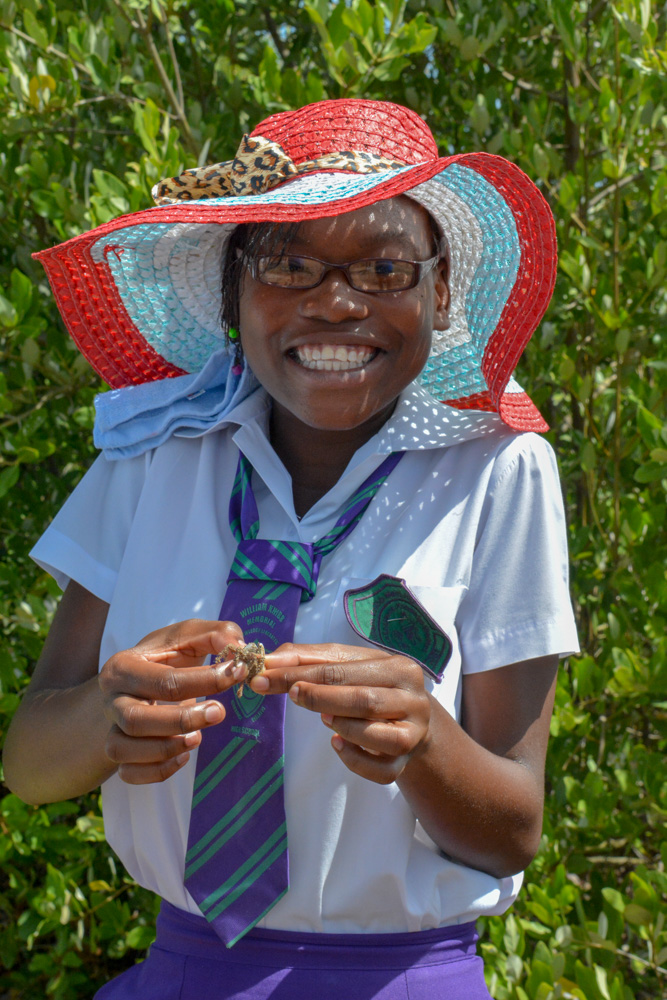
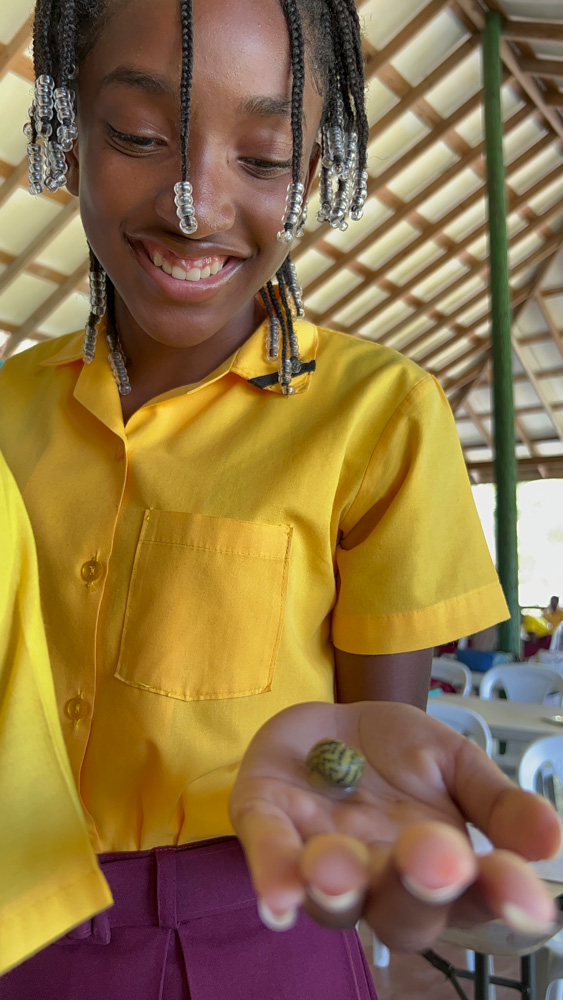
Recognizing the urgency of this crisis, the Khaled bin Sultan Living Oceans Foundation launched the Mangrove Education and Restoration Program a decade ago. This initiative empowers students to not only learn about these vital ecosystems but also take meaningful action to restore them. Students become stewards of their coastal environments through hands-on activities, scientific research, and restoration efforts.
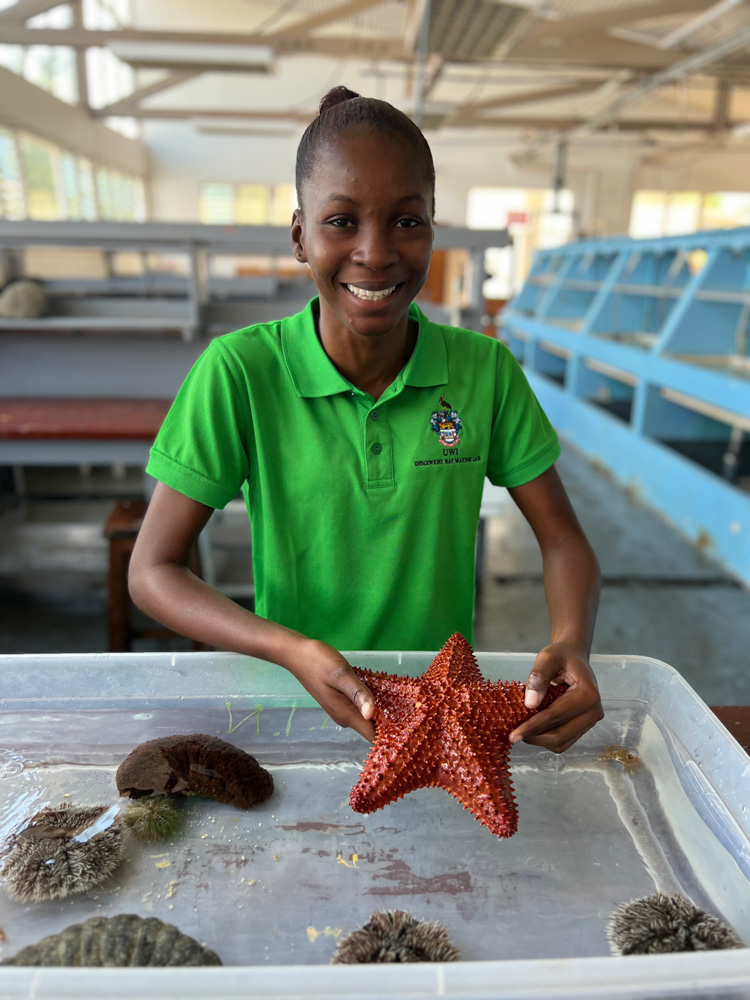
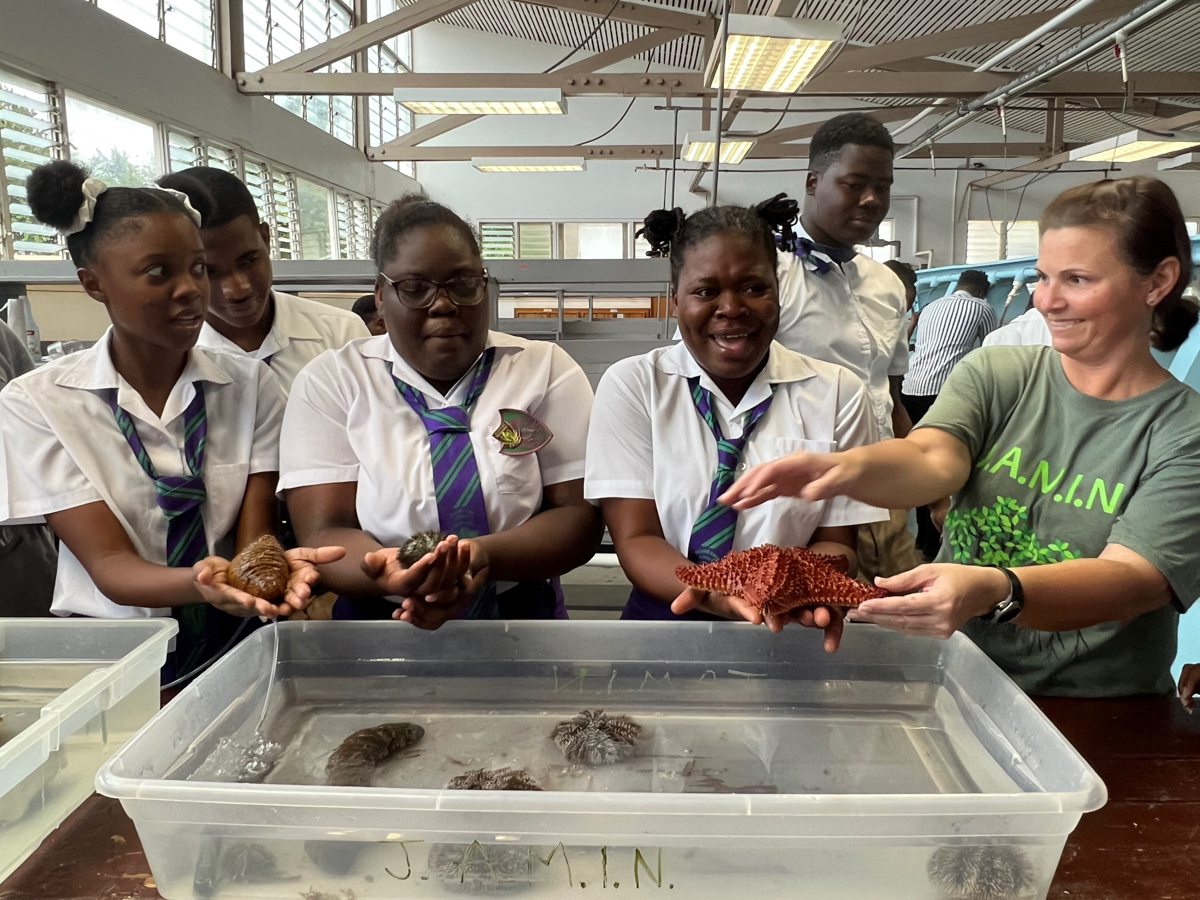
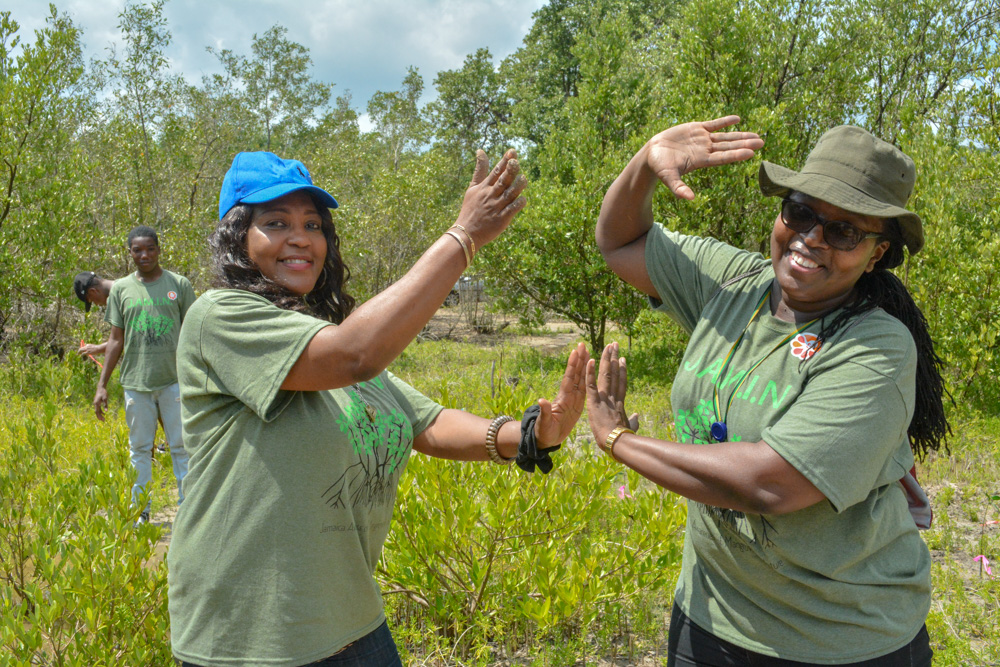
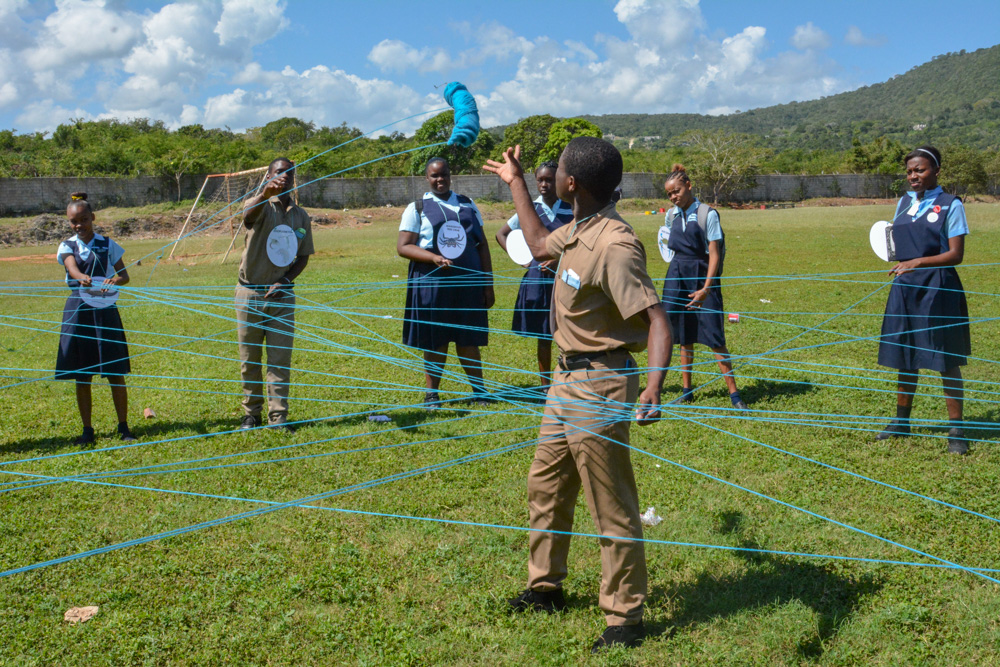
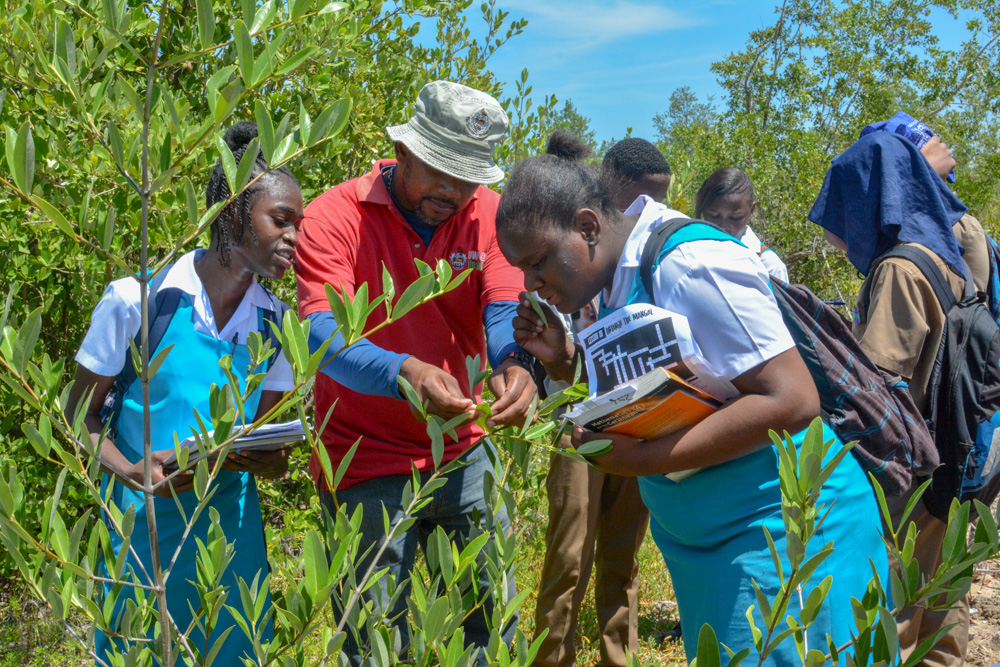
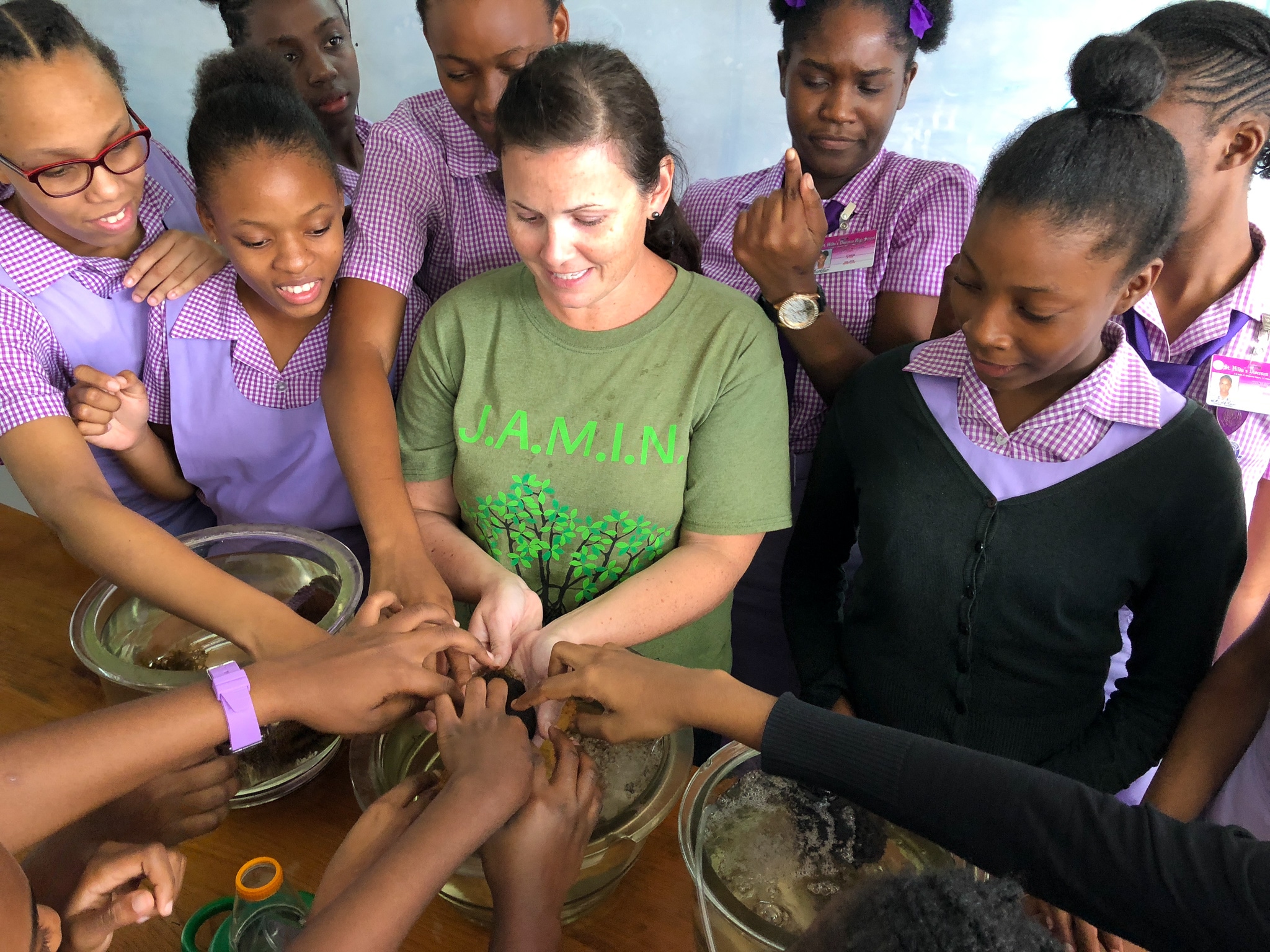
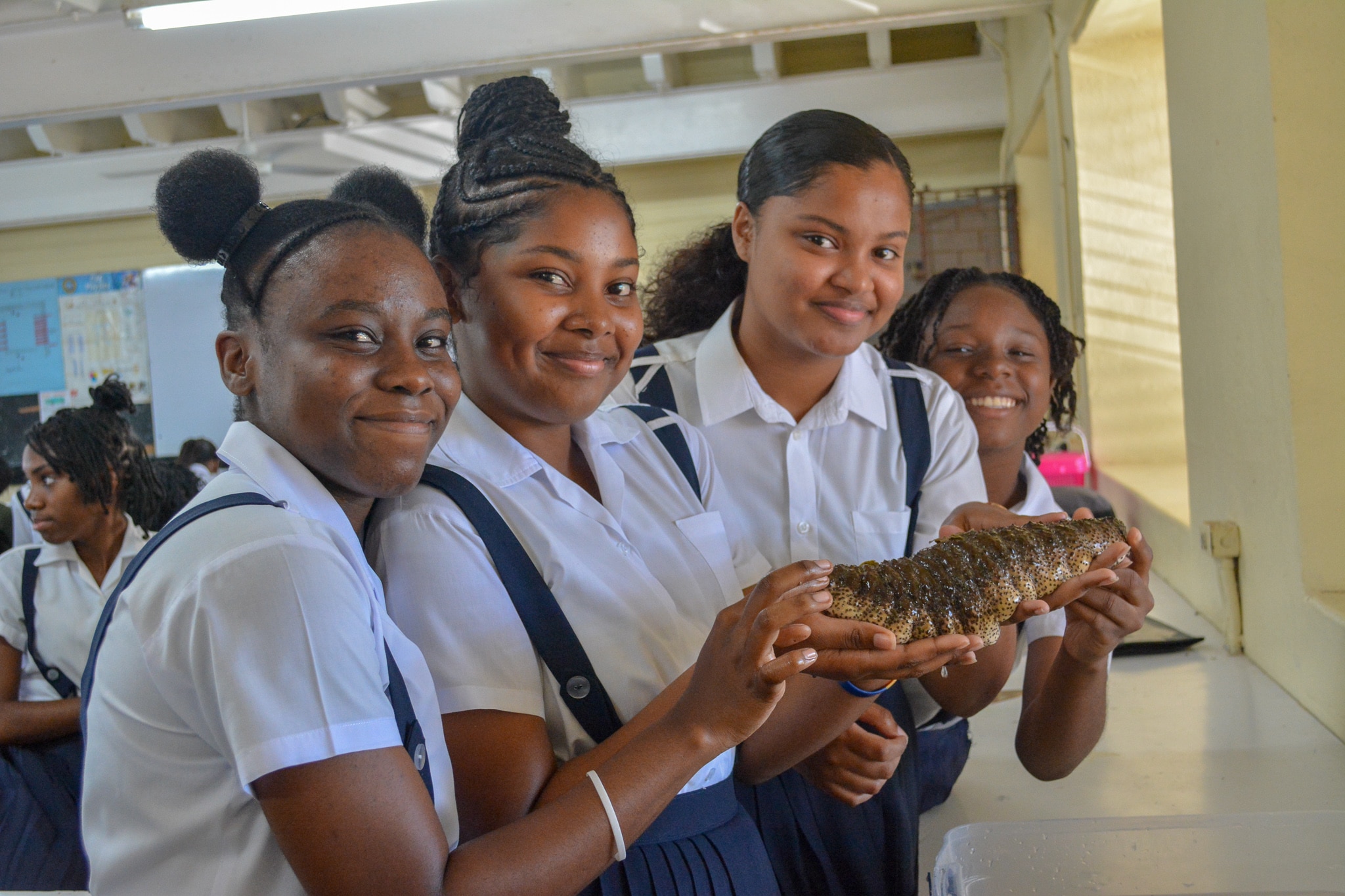
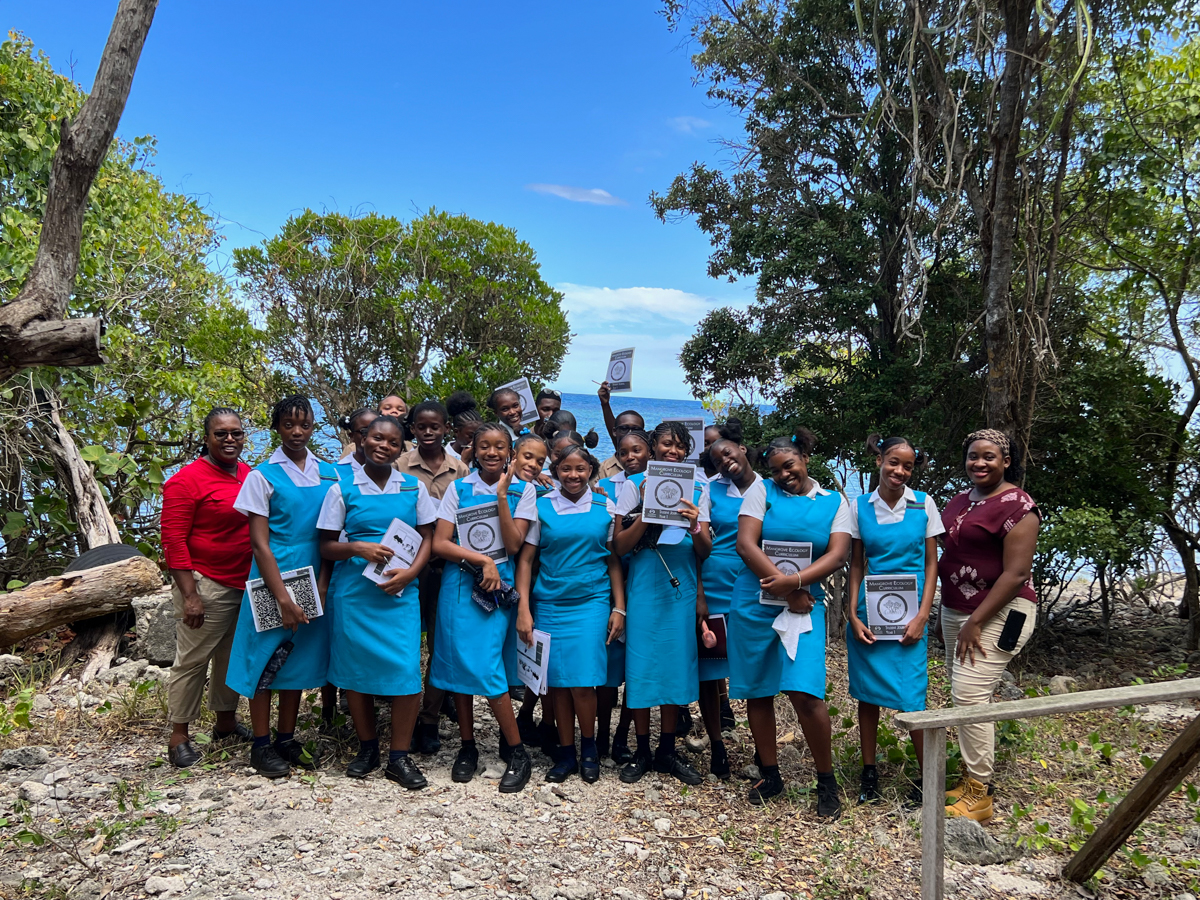
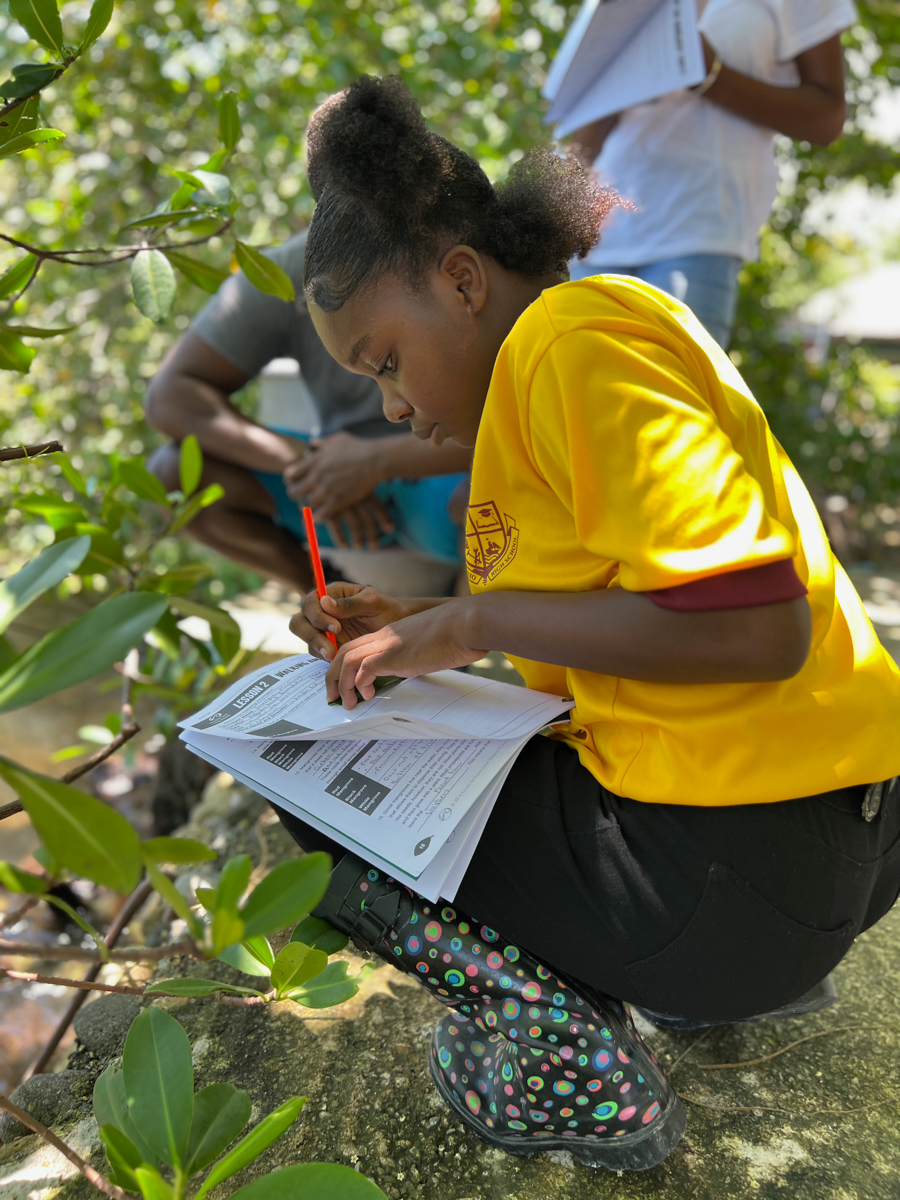
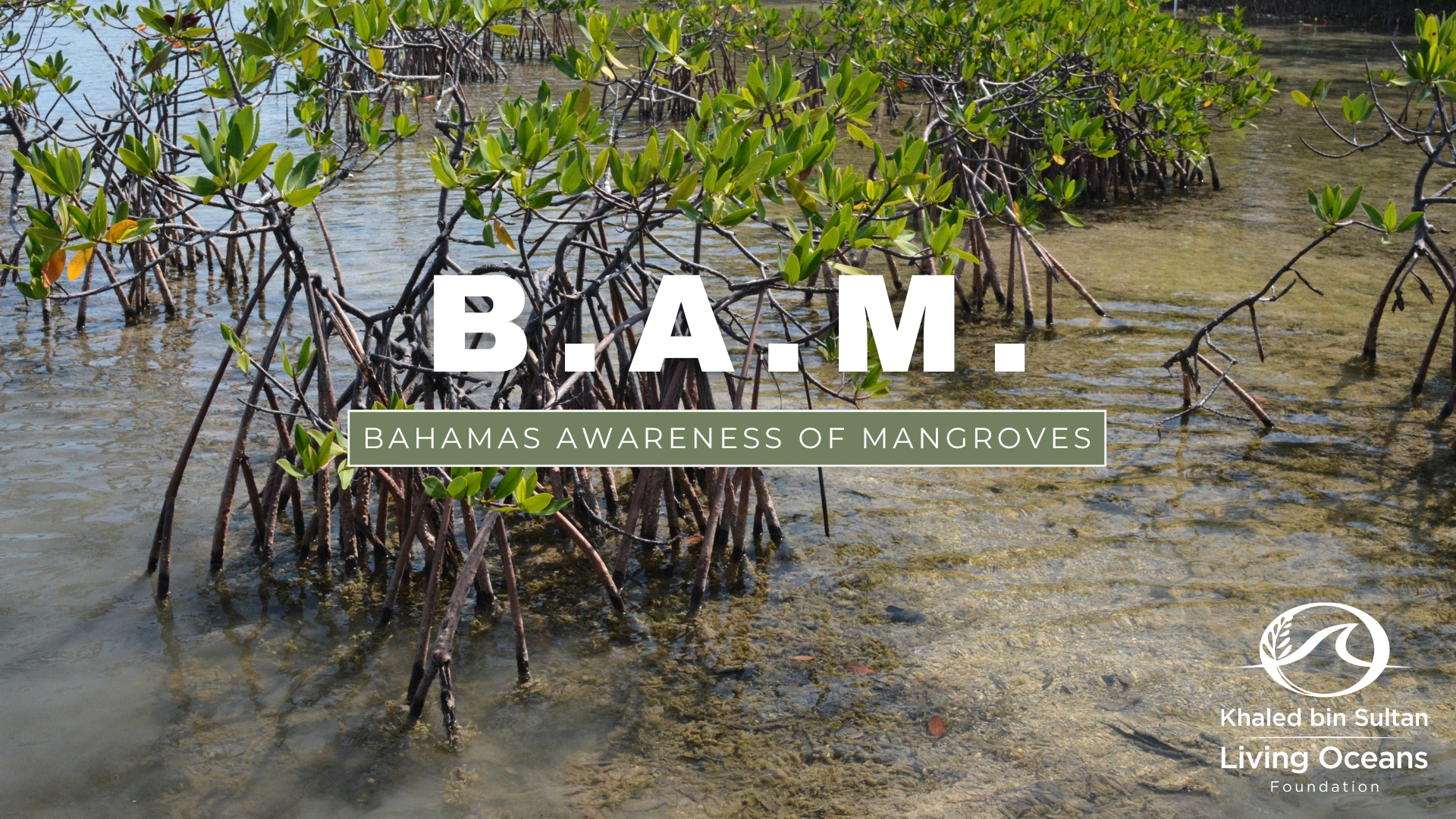
Our program first took ‘root’ in Jamaica with the Jamaica Awareness of Mangroves in Nature (J.A.M.I.N.) initiative. A year later, we expanded to the Bahamas with Bahamas Awareness of Mangroves (B.A.M.), extending opportunities for high school students to explore, cultivate, and restore these crucial coastal ecosystems. Each year-long program has three structured phases, each containing teacher professional development opportunities, classroom learning, and hands-on and field-based activities. This comprehensive learning experience ensures that students don’t just absorb facts about mangroves—they engage in real-world scientific inquiry and develop critical thinking skills that will serve them for life.
As part of these programs, we developed a Mangrove Ecology Curriculum designed to introduce students to the importance of mangroves while incorporating STEAM education and place-based and project-based learning methodologies. The curriculum has been custom-tailored for each country and aligns with national educational standards. To ensure the curriculum is culturally and environmentally relevant, we work closely with in-country partners – such as the University of the West Indies Discovery Bay Marine Lab in Jamaica and Friends of the Environment in the Bahamas – to implement the program and ensure that students gain relevant and meaningful insights into their local ecosystems.
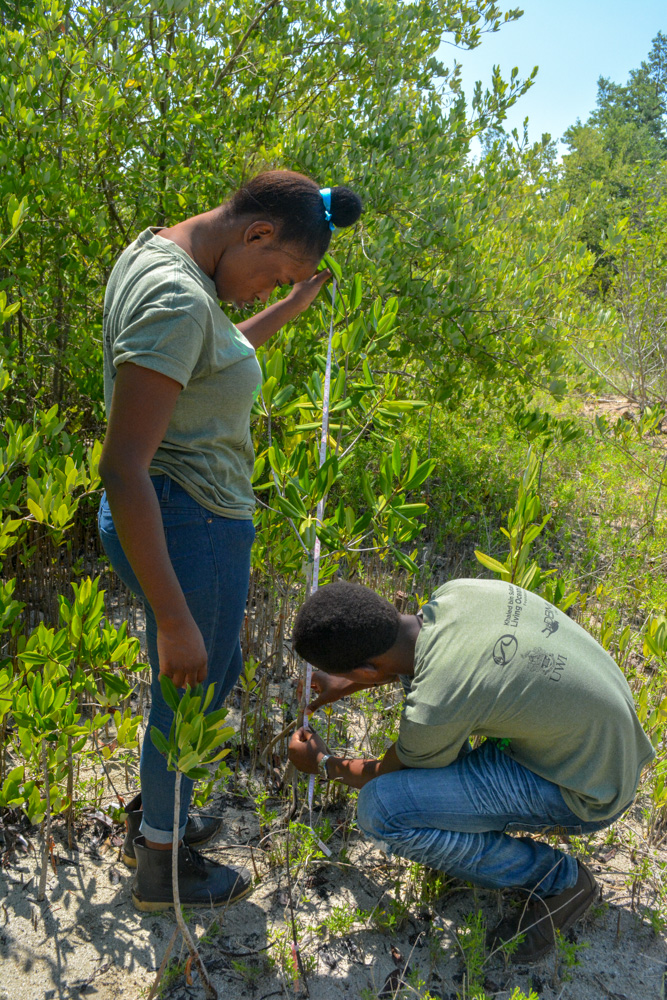
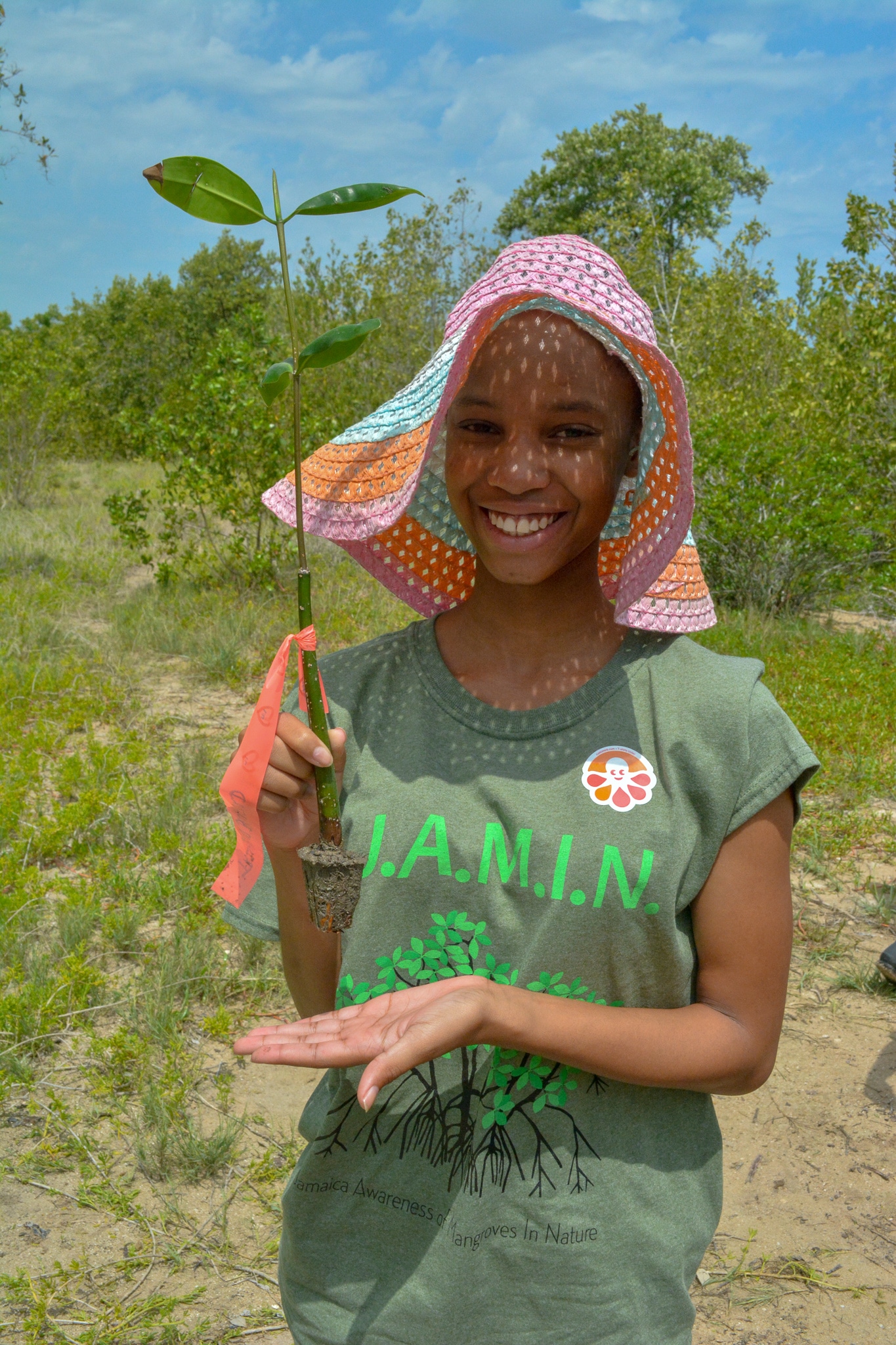
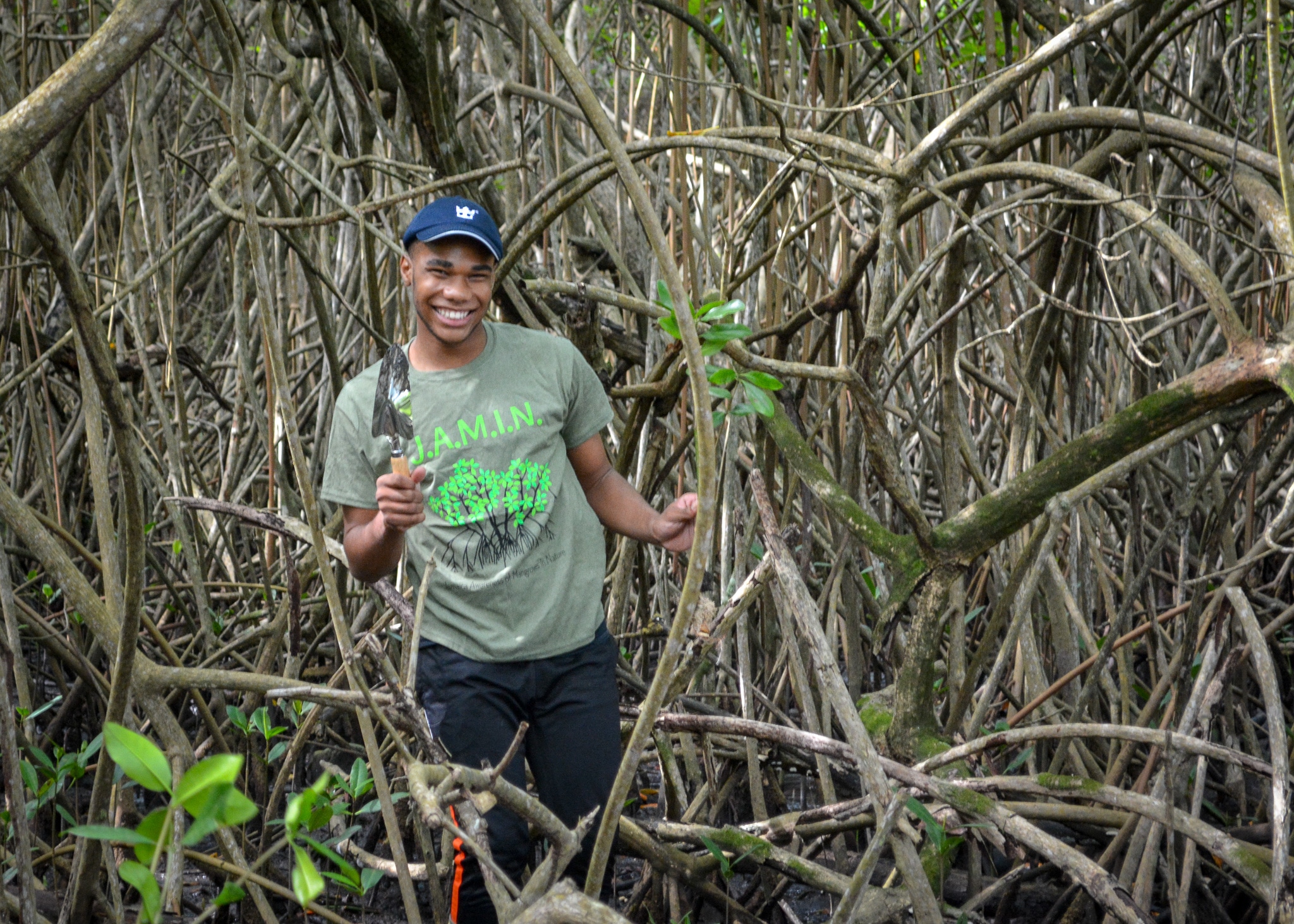
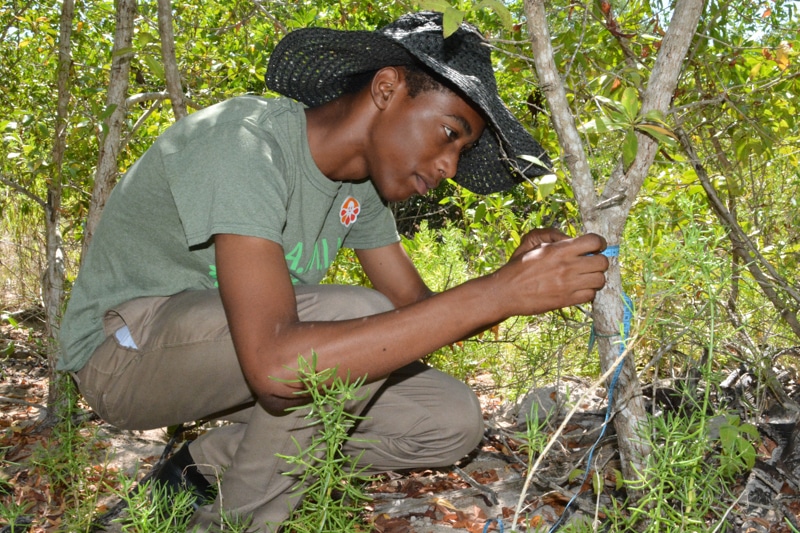
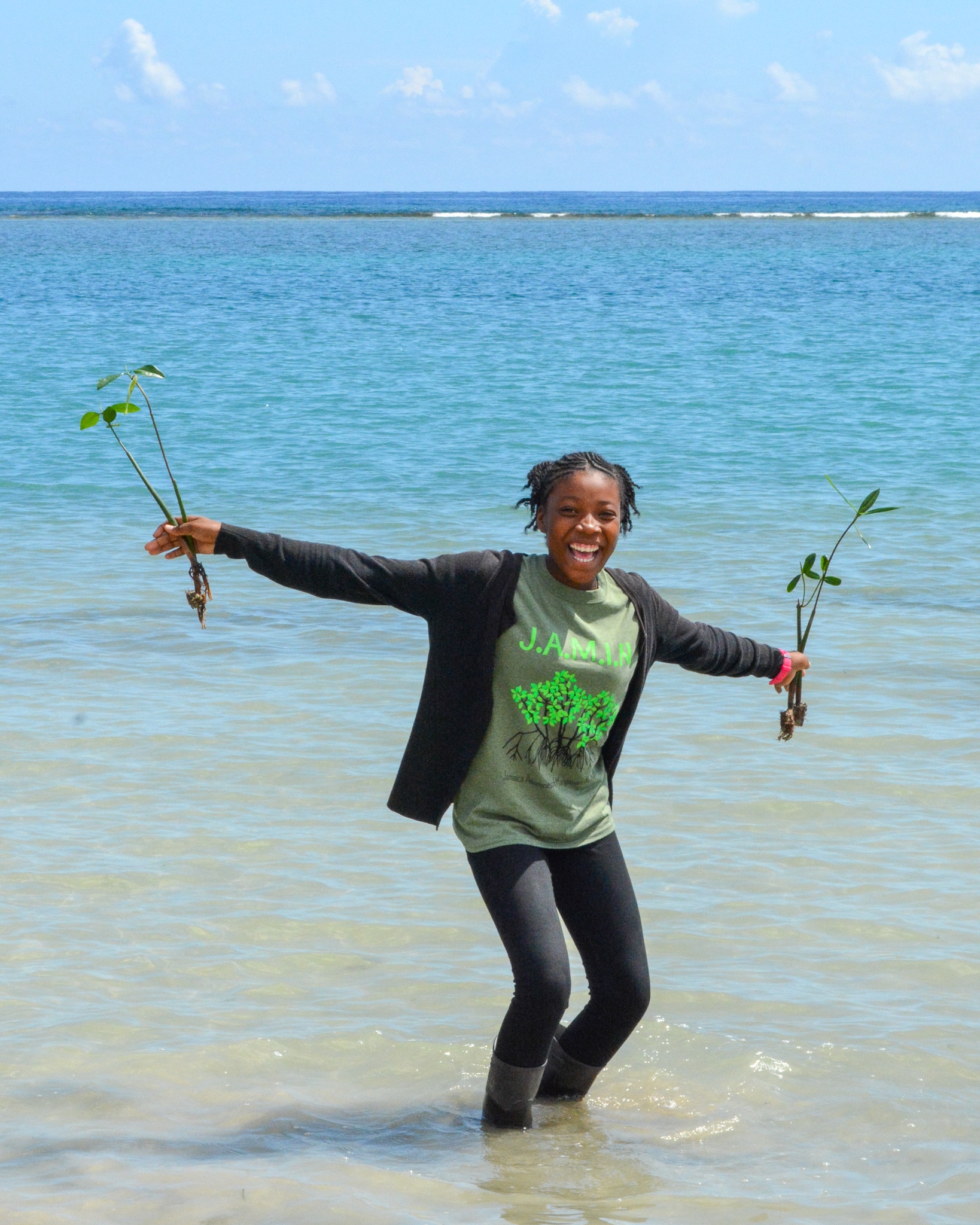
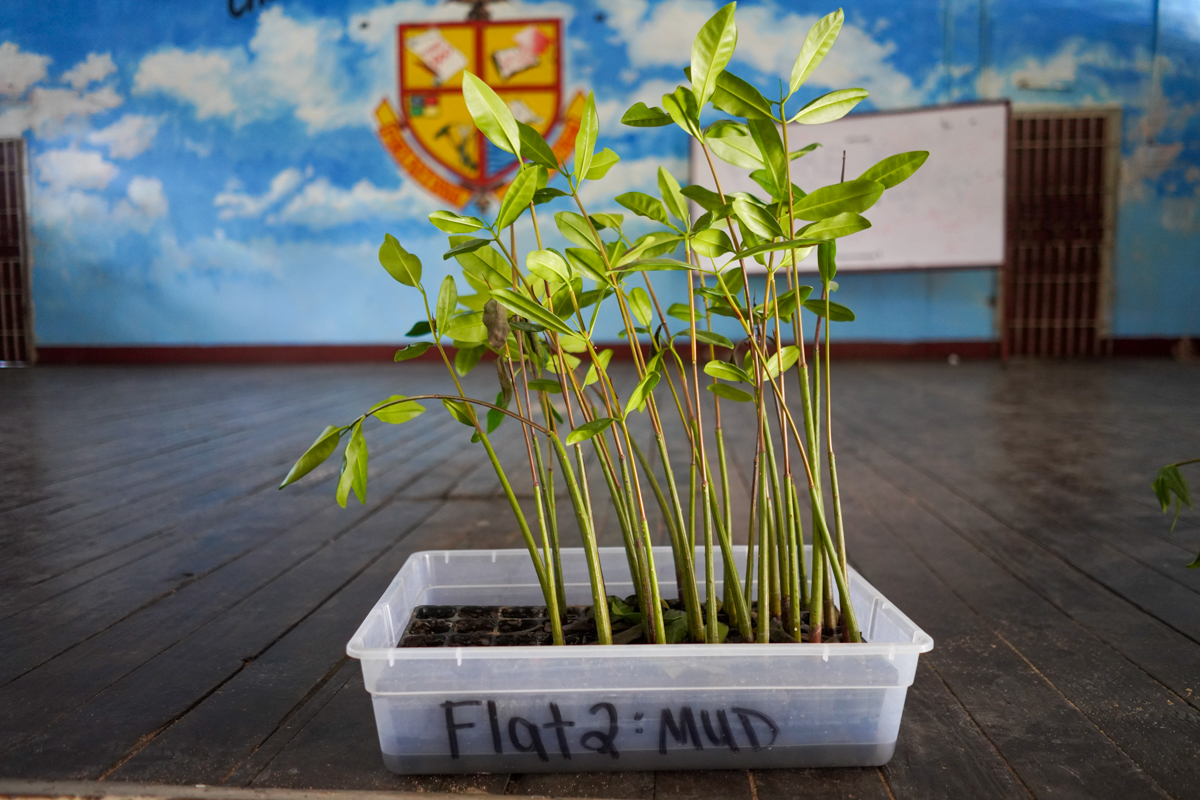
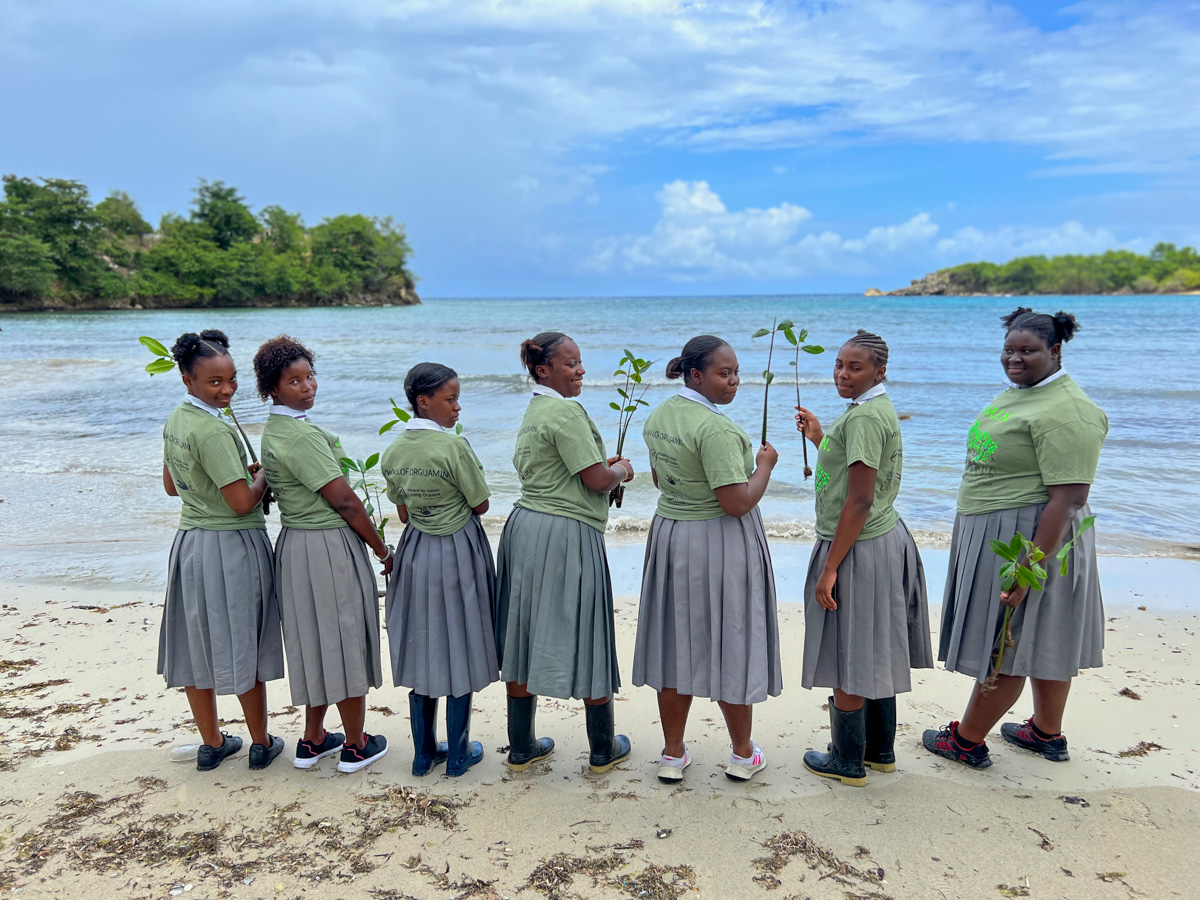
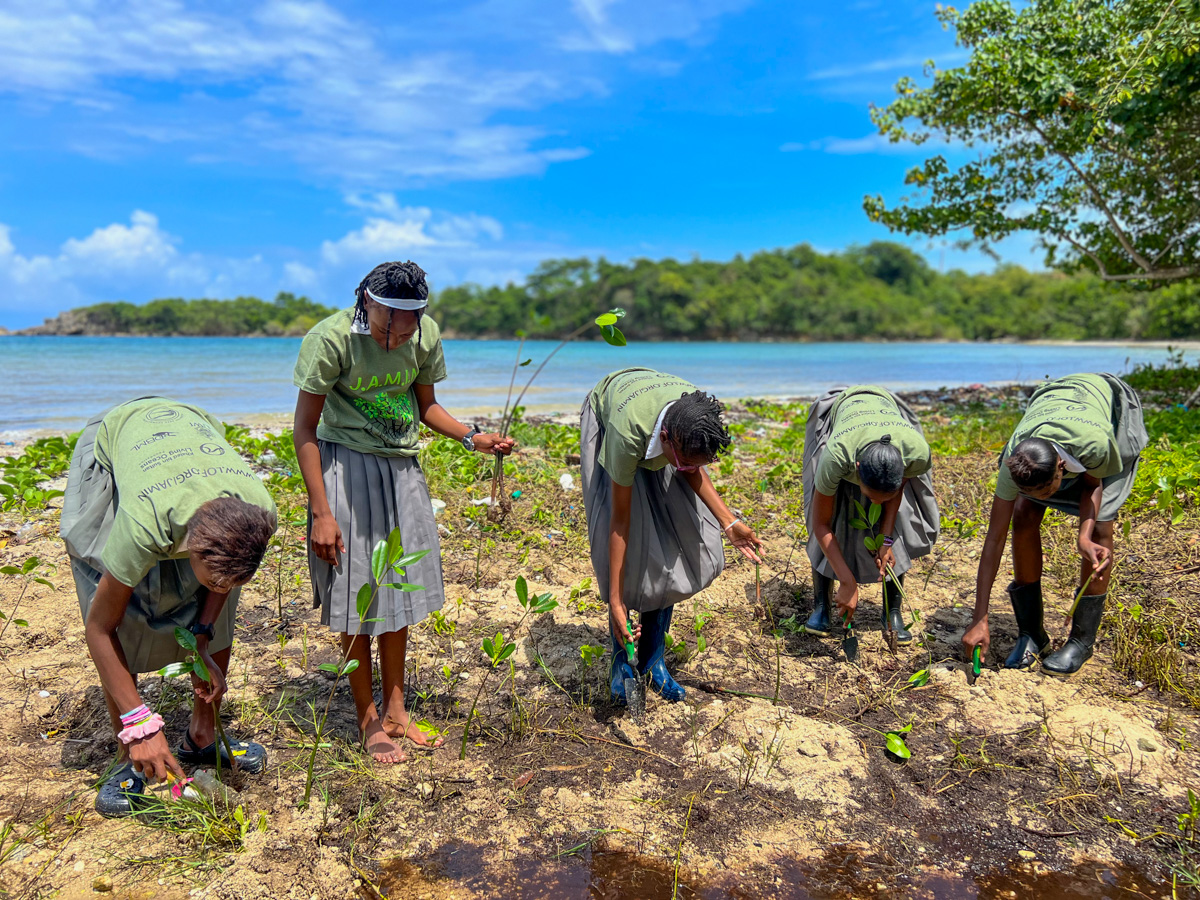
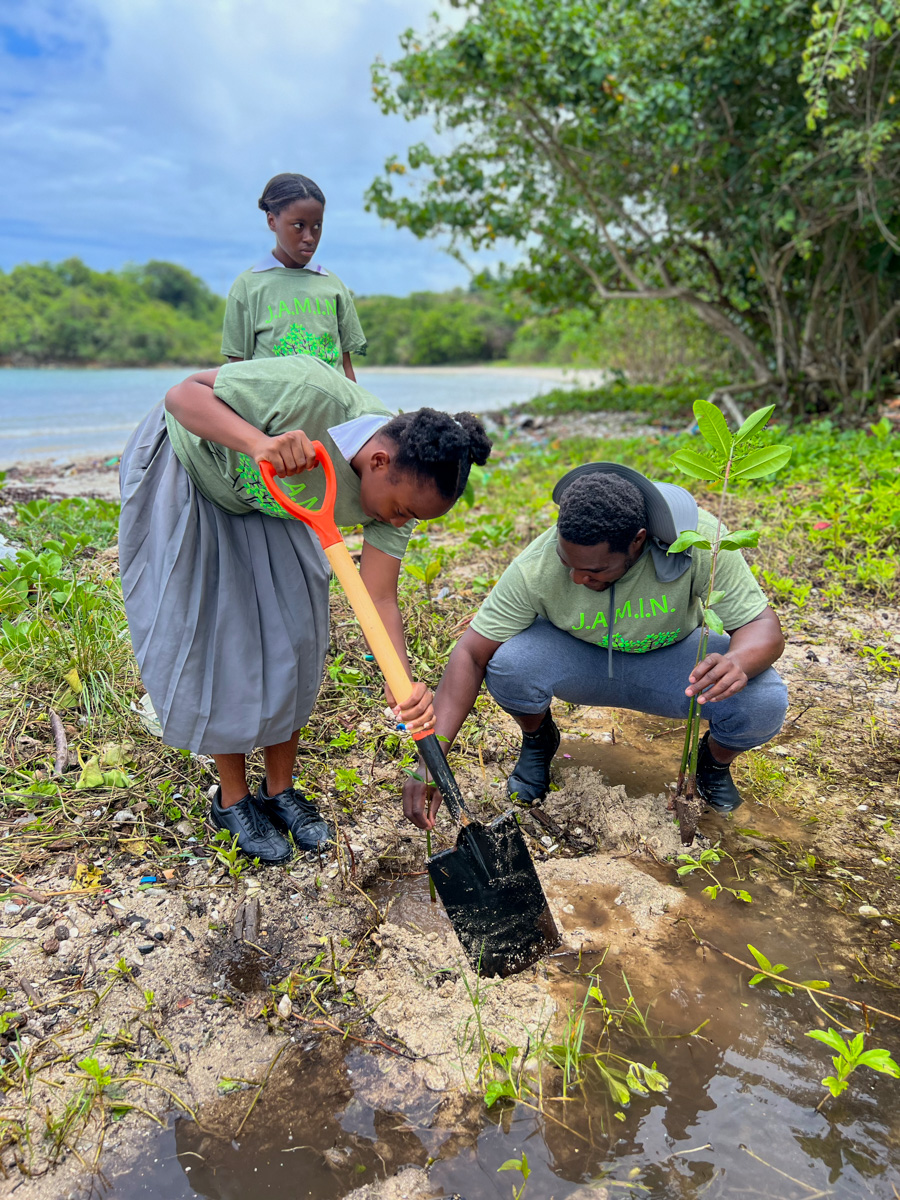
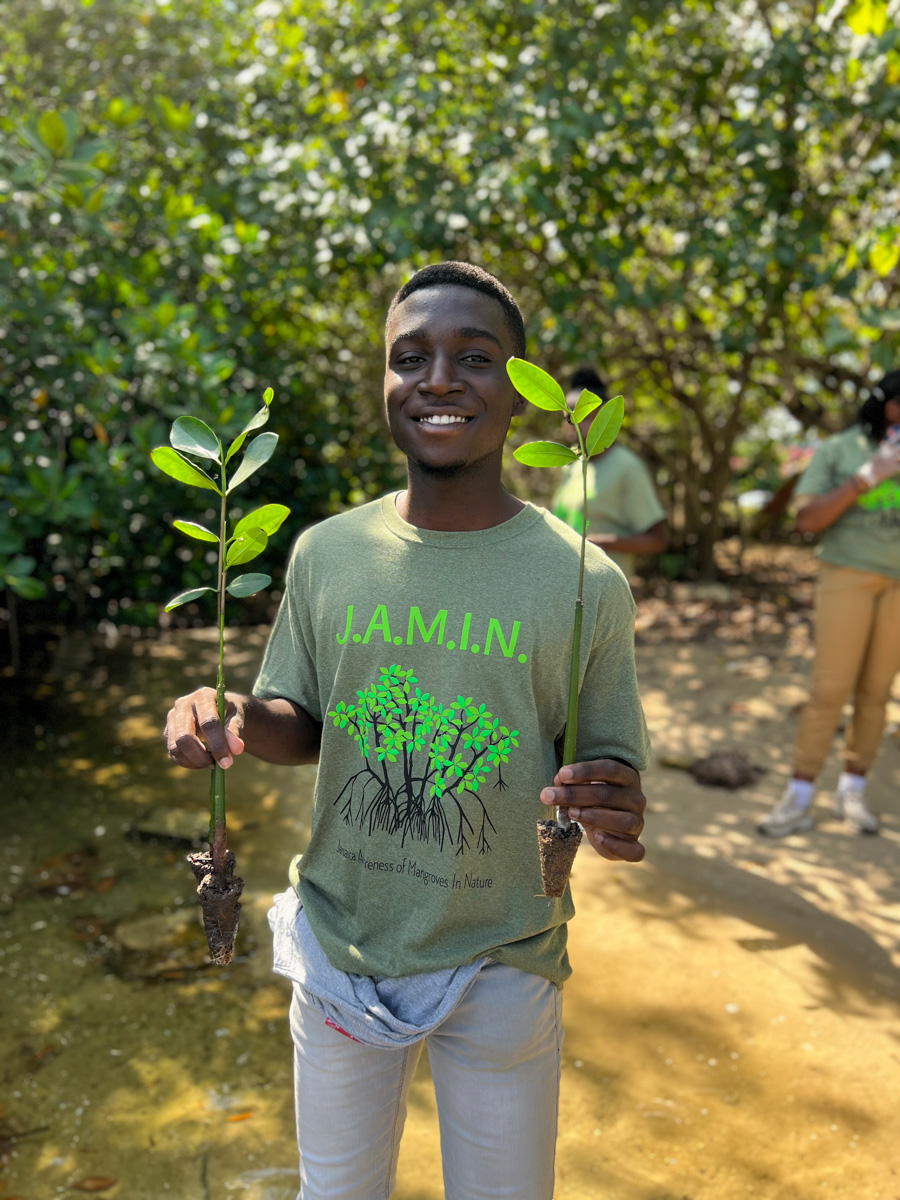
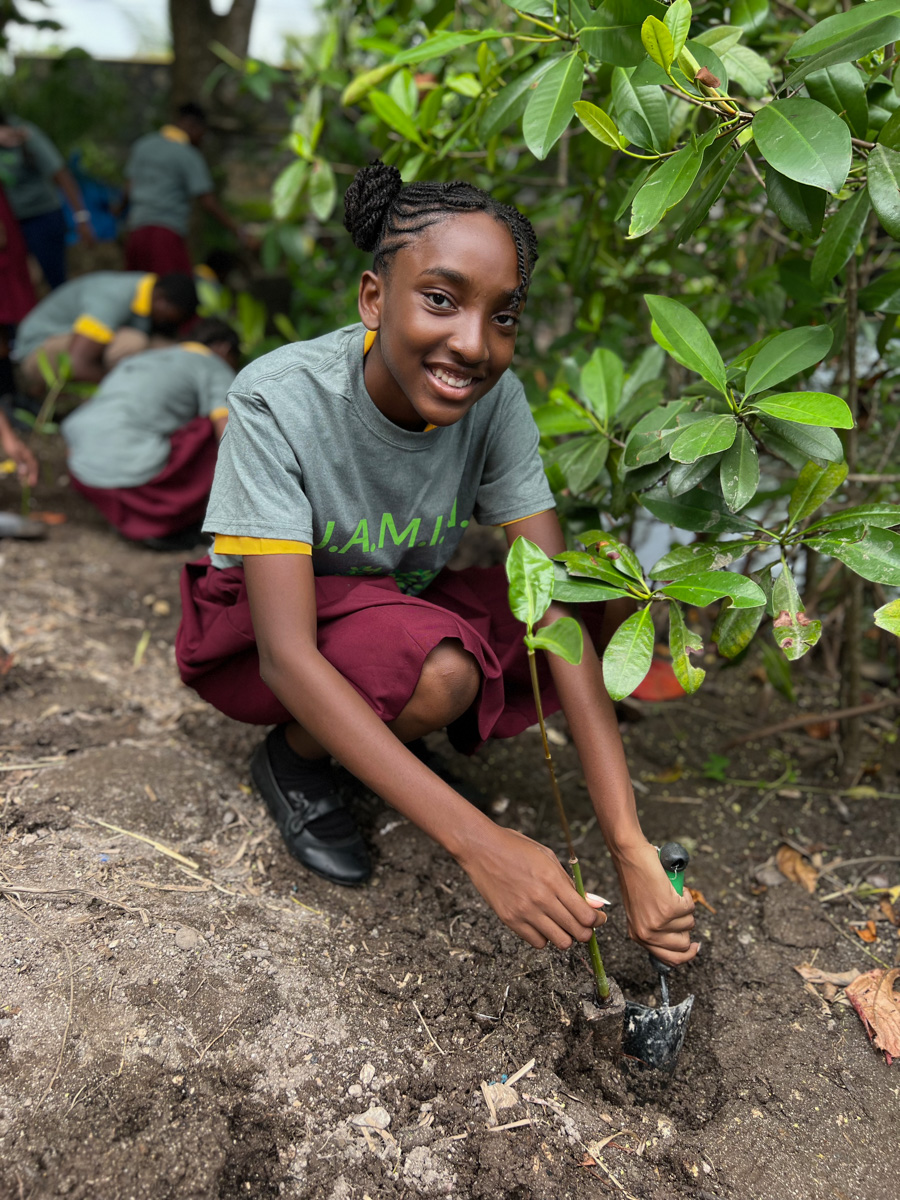
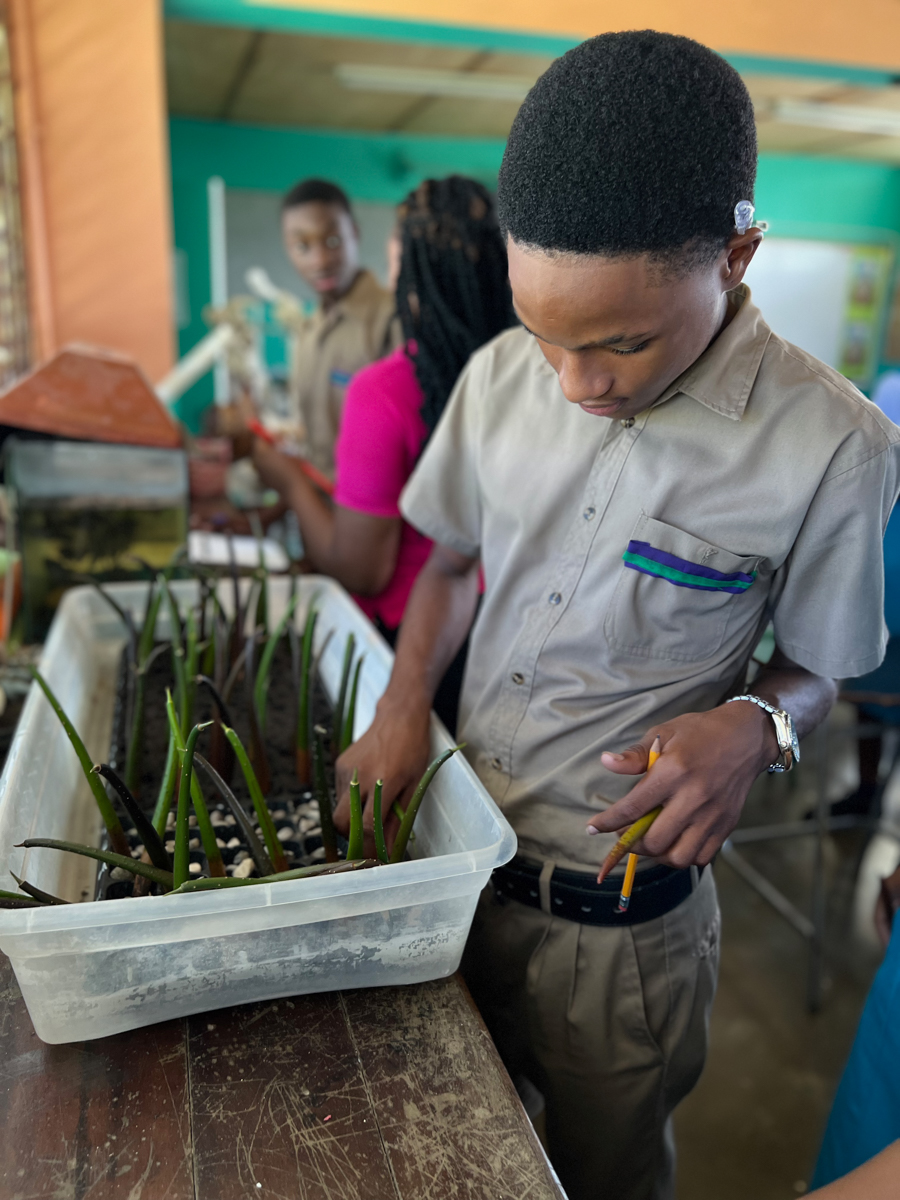
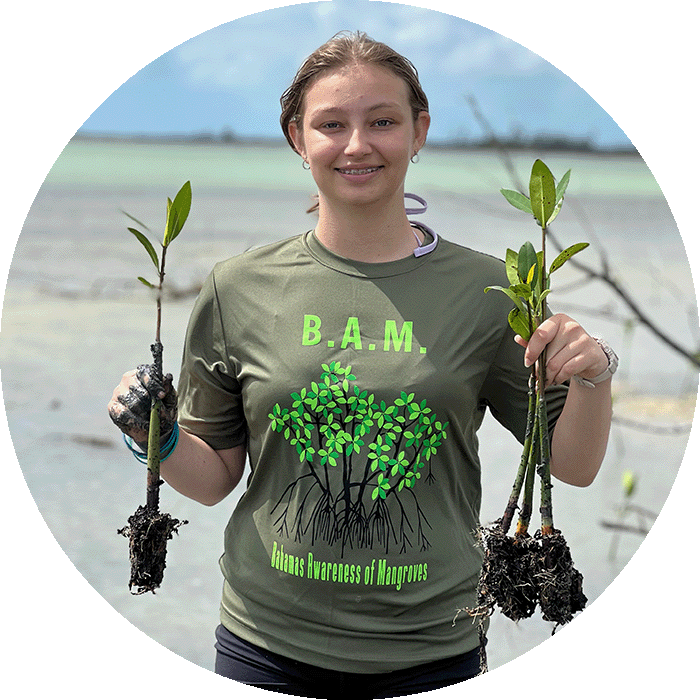
At the heart of these programs lies a long-term scientific experiment – growing mangroves. Over eight months, students grow red mangrove propagules (seedlings) in their classrooms, conducting experiments to determine the best soil conditions. This hands-on approach allows them to develop a hypothesis and collect, graph, and analyze data, reinforcing the scientific process and inquiry skills. By the end of the program, students participate in a mangrove restoration event, transplanting their seedlings into coastal areas near their schools to aid in ecosystem recovery. Beyond the science, this experience fosters a personal connection to conservation. Students don’t just learn about mangroves – they become invested environmental stewards.
Our evaluations consistently reveal that the program sparks transformative change in students. They gain a deeper understanding of mangrove ecosystems and develop a lasting sense of environmental responsibility. Many program graduates continue their advocacy work, spreading awareness and championing conservation efforts long after their classroom days are over.
By integrating education with action, the J.A.M.I.N. and B.A.M. programs instill a sense of responsibility in students and inspire them to become advocates for mangrove conservation in their communities.

Help us grow our Mangrove Education & Restoration Program to provide this essential experience to more students. Please consider donating today.
Celebrating 10 Years of JAMIN
Take a look back at a decade of inspiring work in our Jamaican Awareness of Mangroves in Nature (J.A.M.I.N.) program! This gallery highlights moments from 10 years of educating students, restoring mangroves, and fostering a new generation of environmental stewards in Jamaica.