By Tatyana McNeil and Daniel Appleton
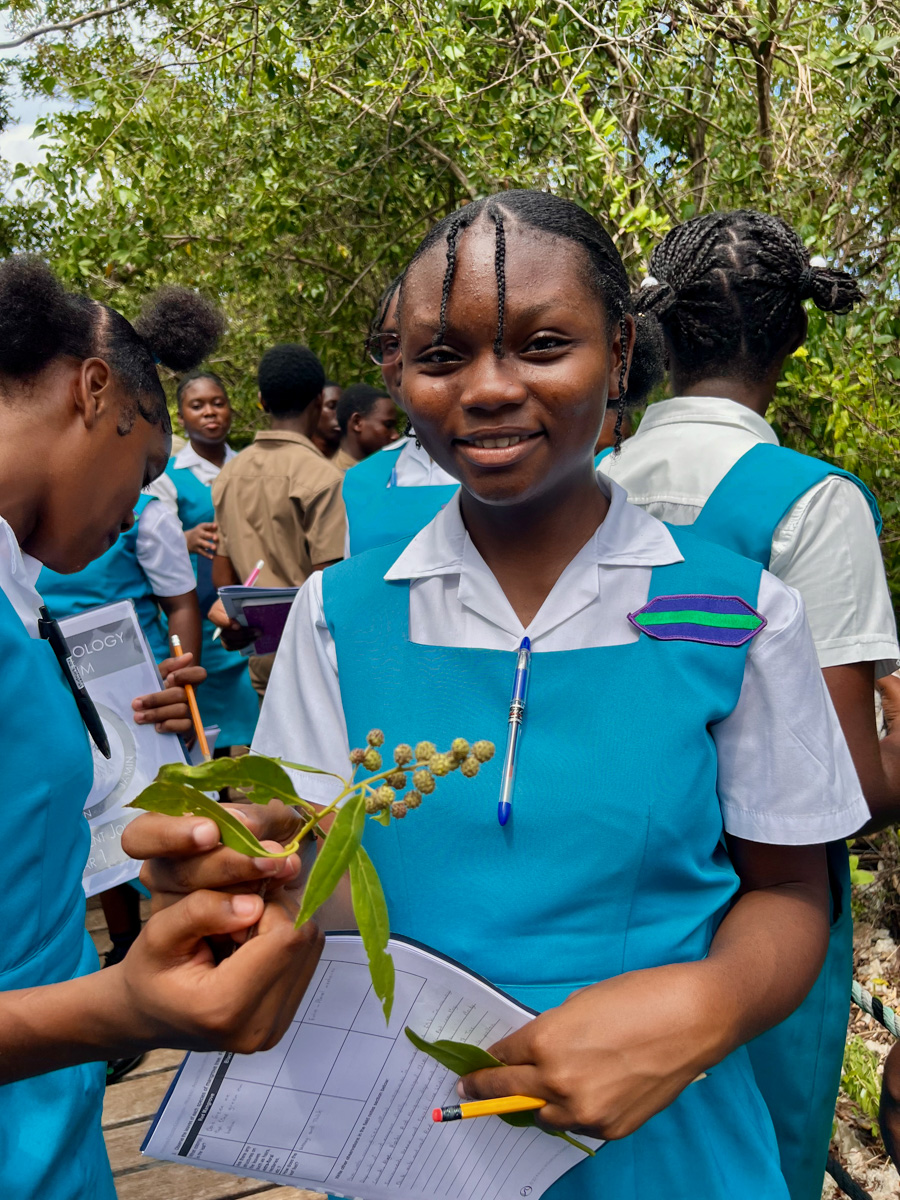
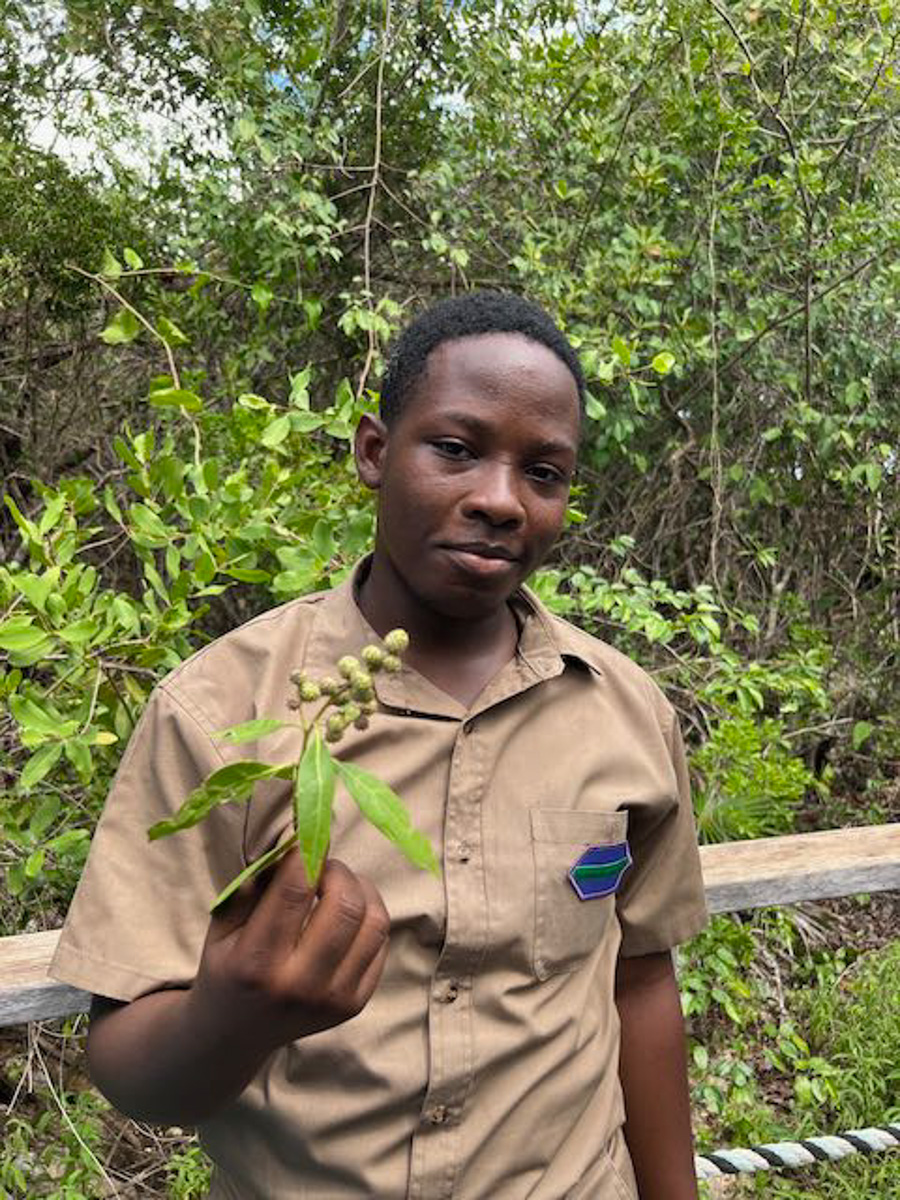
This guest blog comes to us from Tatyana McNeil and Daniel Appleton, students from William Knibb Memorial High School and proud participants in our Jamaica Awareness of Mangroves in Nature (J.A.M.I.N.) program. Their journey with J.A.M.I.N. has taken them from planting mangrove propagules along the shores of Jobson Bay Eco-Beach Park to sharing their voices as youth stakeholders at a recent workshop dedicated to shaping the park’s future as a mangrove reserve and fish sanctuary.
A new initiative aimed at saving Jamaica’s natural resources is underway, initiated by Mikhail Jobson, Executive Director of the Sea the Change Foundation and a partner of the Khaled bin Sultan Living Oceans Foundation’s J.A.M.I.N. program. At the heart of this vision is Jobson Bay Eco-Beach Park, a breathtaking 385-acre stretch of coastline brimming with mangrove forests, beaches, and vital marine habitats. The goal? To transform it into a living classroom, a sanctuary, and a symbol of sustainable development for future generations.
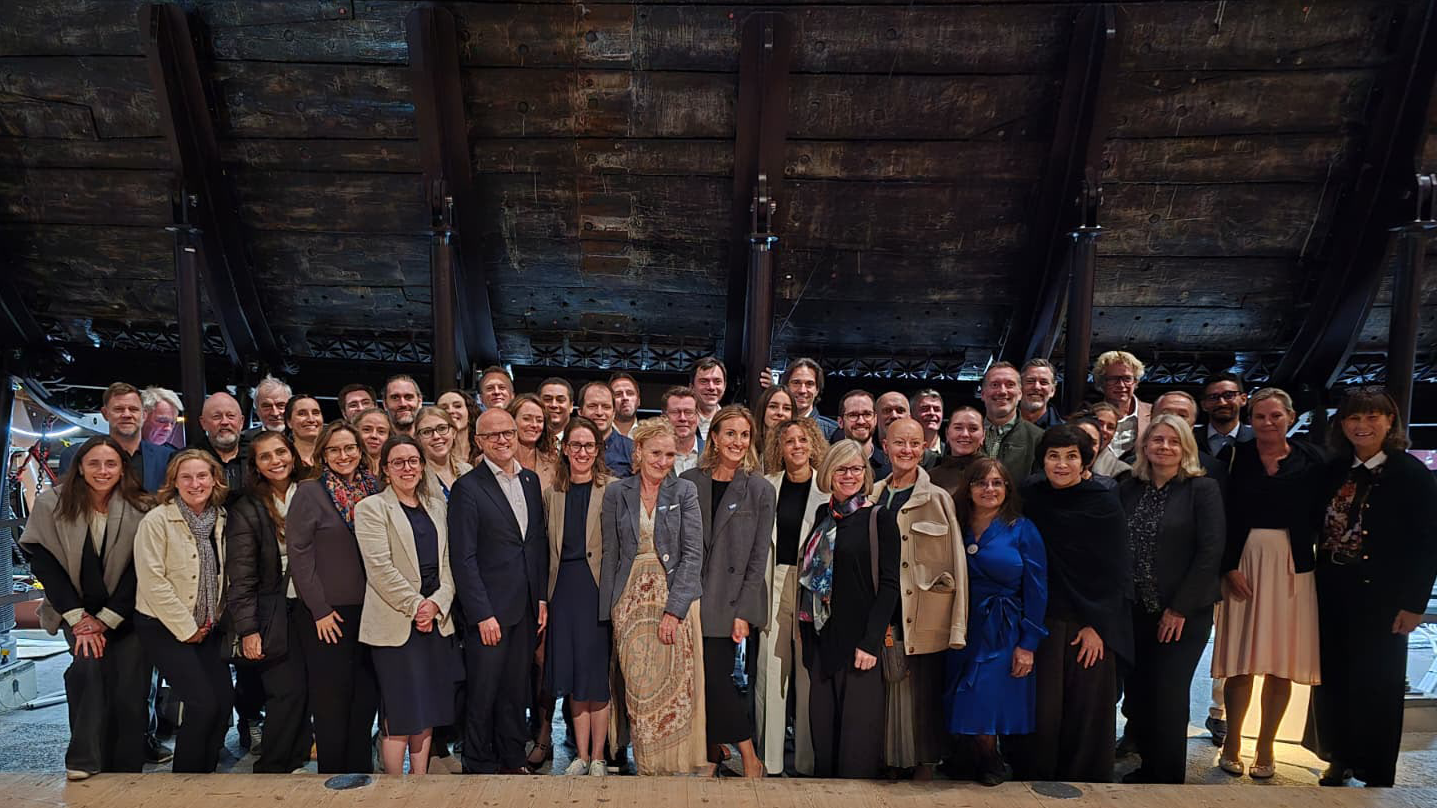
Recently, we had the honor of representing William Knibb Memorial High School at a special stakeholder workshop sponsored by the UNDP Implemented Global Environment Facility Small Grants Programme (GEF SGP). The workshop was dedicated to shaping the future of this park and its potential designation as both a mangrove reserve and a fish sanctuary. Joining us was our mentor, Ms. Fulvia Nugent, our Head of Science and a longtime champion of the J.A.M.I.N. program.
As J.A.M.I.N. students, we’re no strangers to Jobson Bay Eco-Beach Park. We’ve taken field trips to study its ecosystems firsthand and even planted our own mangrove seedlings along its shores. Because of our ongoing involvement with the park and our growing knowledge of mangrove conservation, we were proud to be invited to the table as youth stakeholders in this important project.
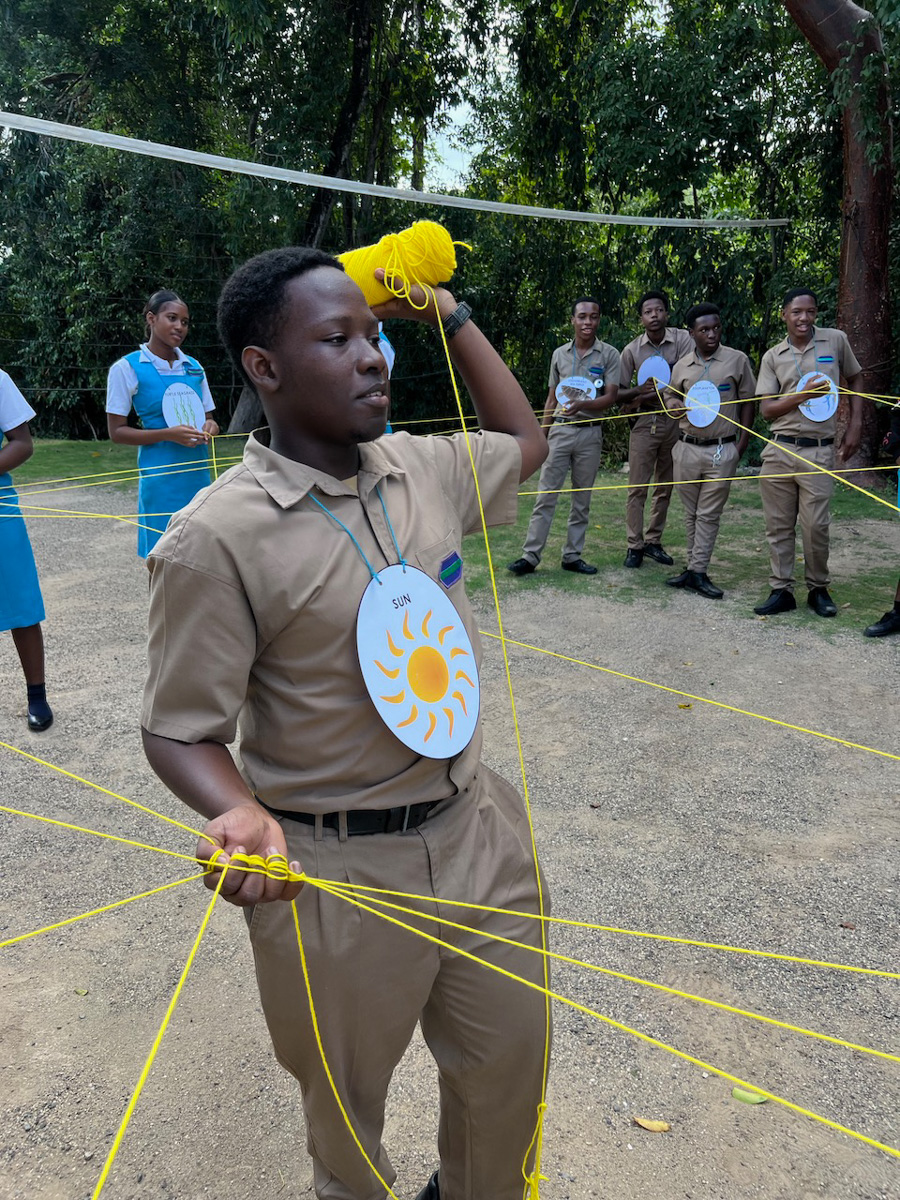
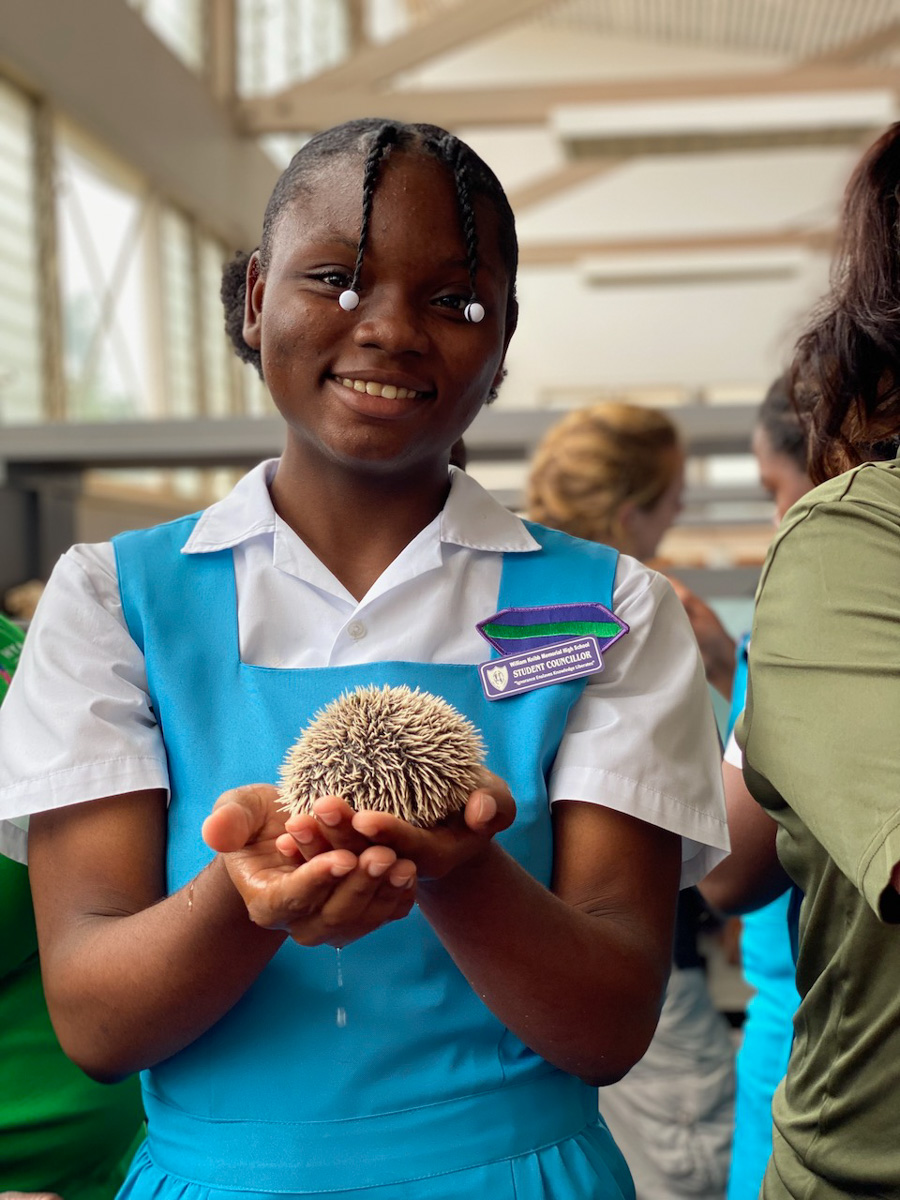
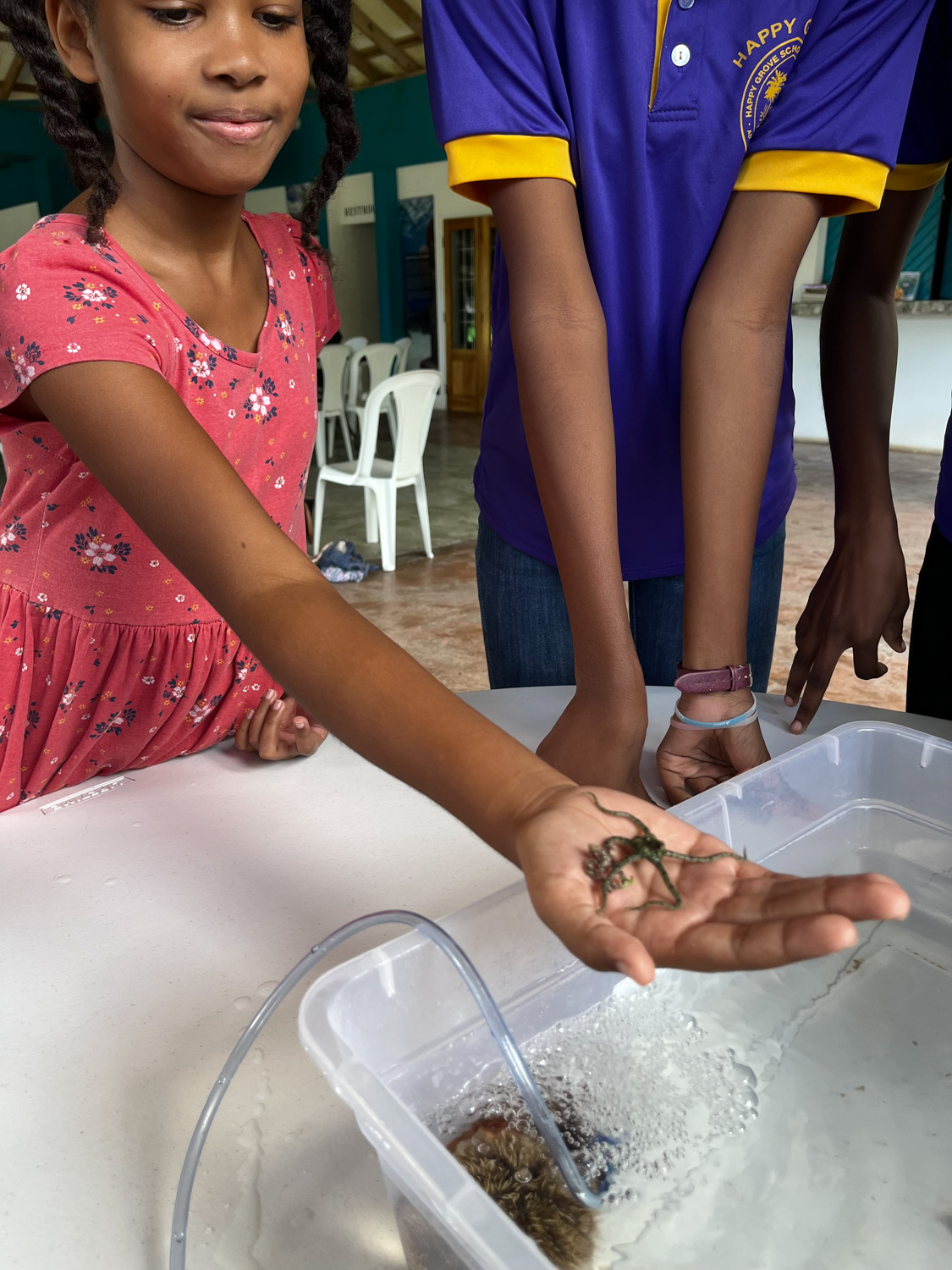
We entered a room filled with passionate voices from the Half Moon Bay Fishers Association, Scarlett Hall, the Forestry Department, and many other community and environmental leaders. It was inspiring—and a little nerve-wracking—to sit at the same table as the people making real decisions for Jamaica’s future. But we quickly felt at home, thanks to the warmth and openness of everyone involved.
The workshop kicked off with an icebreaker, sharing two words: one to describe ourselves and another to express our hopes for the workshop. Tatayana’s words were “reliable” and “unity.” Simple words, but powerful when echoed around the room.
From there, the energy built. We delved into discussions about the park’s size, the biodiversity it supports, and what community data tells us about how people use and depend on it. After a lively presentation, we were split into two groups: one focused on the mangrove protection area, the other on the fish sanctuary. Thanks to all the knowledge we’d gained through J.A.M.I.N, we naturally gravitated to the mangrove team.
With markers in hand and ideas swirling, we began drafting mission and vision statements. It felt like a spark had been lit. People of all ages and backgrounds came together, brainstorming, questioning, and laughing. We were all equals in that moment—united by a shared love for our environment and a desire to protect it.
After a short break, we tackled the stakeholder analysis, mapping out the roles and influences of different groups using an interest and influence matrix. It was like piecing together a puzzle, seeing where everyone fits in and how their voices can help shape the future.
Our final challenge was a SWOT analysis, which evaluated the project’s strengths, weaknesses, opportunities, and threats. This sparked some deep, eye-opening conversations. And while it was empowering, it wasn’t unfamiliar. Through J.A.M.I.N., we’ve had the chance to think critically about conservation before. This time, though, our ideas weren’t just part of a classroom—they were part of a real-world plan.
As the workshop wrapped up, we were met with a surprise: applause. Applause for our ideas, our presence, our participation. It was a moment we’ll never forget. Afterward, the room buzzed with new connections, laughter, handshakes, and shared dreams.
We didn’t become stewards of the environment in one afternoon—we’ve been growing into that role for years, thanks to J.A.M.I.N. But this experience reminded us just how important our voices are. We’re one step closer to saving our island, and we know this is only the beginning.
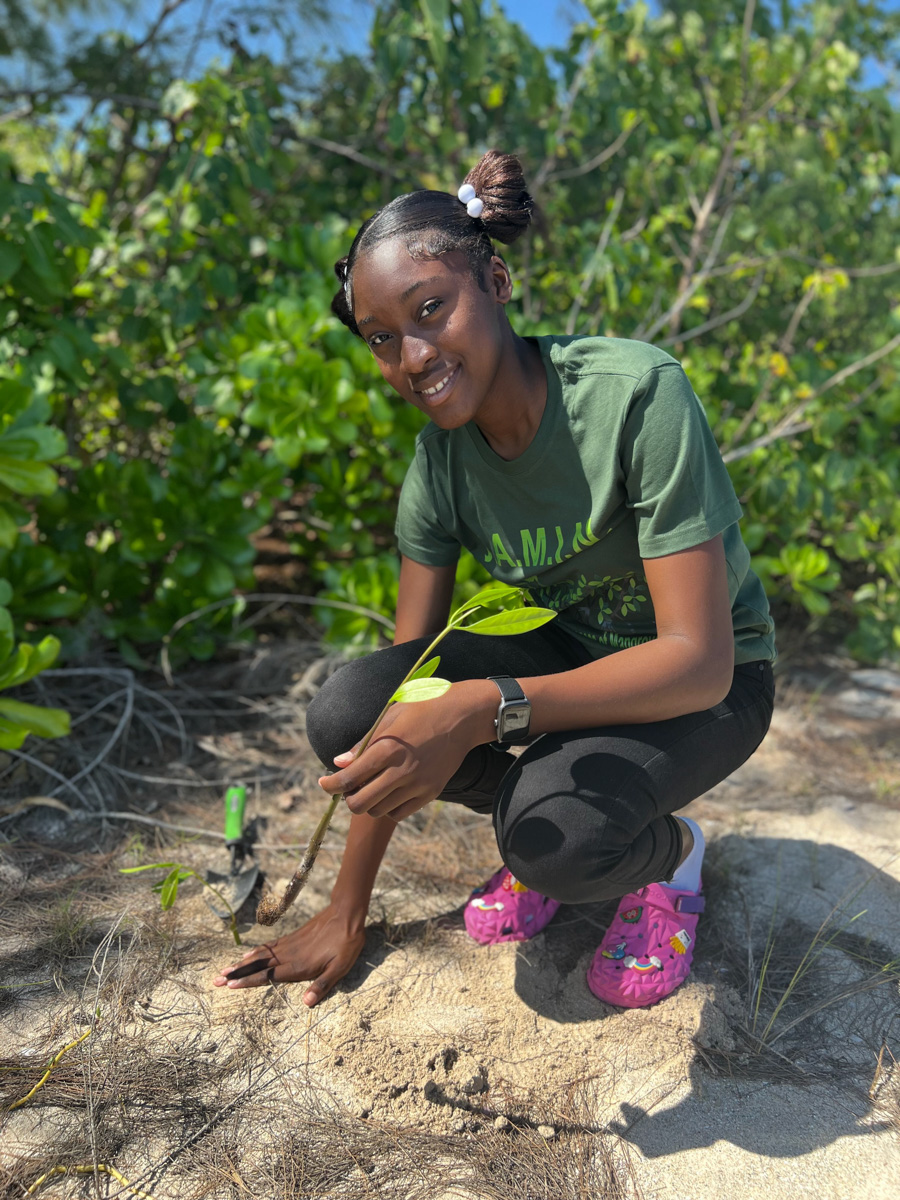
Mangrove Education & Restoration
The Khaled bin Sultan Living Oceans Foundation’s Jamaican Awareness of Mangroves in Nature (J.A.M.I.N.) and Bahamas Awareness of Mangroves (B.A.M.) programs teach students about mangrove ecosystems through classroom lessons, hands-on experiments, and field-based restoration, inspiring the next generation of environmental stewards.