
search-icon
A statistical platform for evaluating coral health in an era of changing global climate

Published in Platax 15: 1-35, 2018 

By Anderson Mayfield, Alexandra Dempsey, Javed Inamdar, and Chii-Shiarng Chen


Abstract

Given the significant threats against coral reef ecosystems, there is an urgent need to develop the capacity to make predictions as to which coral reefs are most stress-susceptible, as well as which are most resilient. However, there is such extensive variation in coral physiology, even in conspecifics reared in the same laboratory tank, that prior works have been characterized by too low statistical power to even explain previously obtained datasets with confidence, let alone predict the behavior of to-be-sampled corals. To obtain a better grasp of the environmental and organismal factors that contribute to variation in coral physiology, a published coral reef dataset from Fiji’s remote, understudied Lau Archipelago was re-analyzed herein with a variety of both univariate and multivariate statistical approaches. Of the 12 environmental parameters hypothesized to influence reef coral physiology, only two both significantly drove variation in the multivariate coral physiological response and featured readily in the best-fit models produced by stepwise regression and partial least squares analyses: island and host coral species. That being said, the majority of the models were characterized by low predictive capacity; more data are clearly needed to generate statistical algorithms capable of forecasting coral behavior with confidence in this era of rapidly changing global climate.
Related Posts

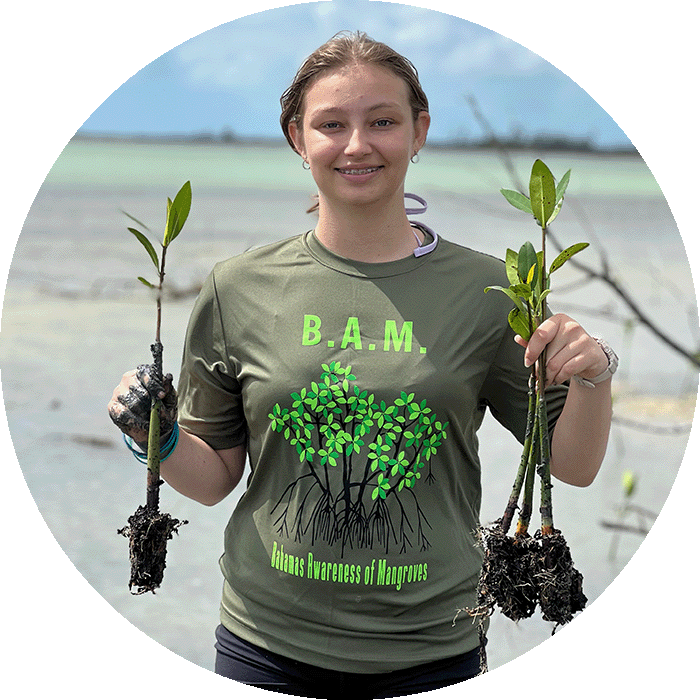
2025-2026 B.A.M. Student Voices

Throughout the Bahamas Awareness of Mangroves (B.A.M.) and Jamaica Awareness of Mangroves in Nature (J.A.M.I.N.) programs, we evaluate each phase of the mangrove education and restoration process to better understand how students are learning, growing, and connecting with their coastal environments.

Before the programs begin, students share what they already know about mangroves and how they feel about them. As the program progresses, we continue to gather feedback to see how their knowledge evolves from identifying mangrove species and understanding food webs to recognizing the role mangroves play in coastal protection and climate change mitigation.

But the surveys go beyond science content.

We also ask students…

Read More

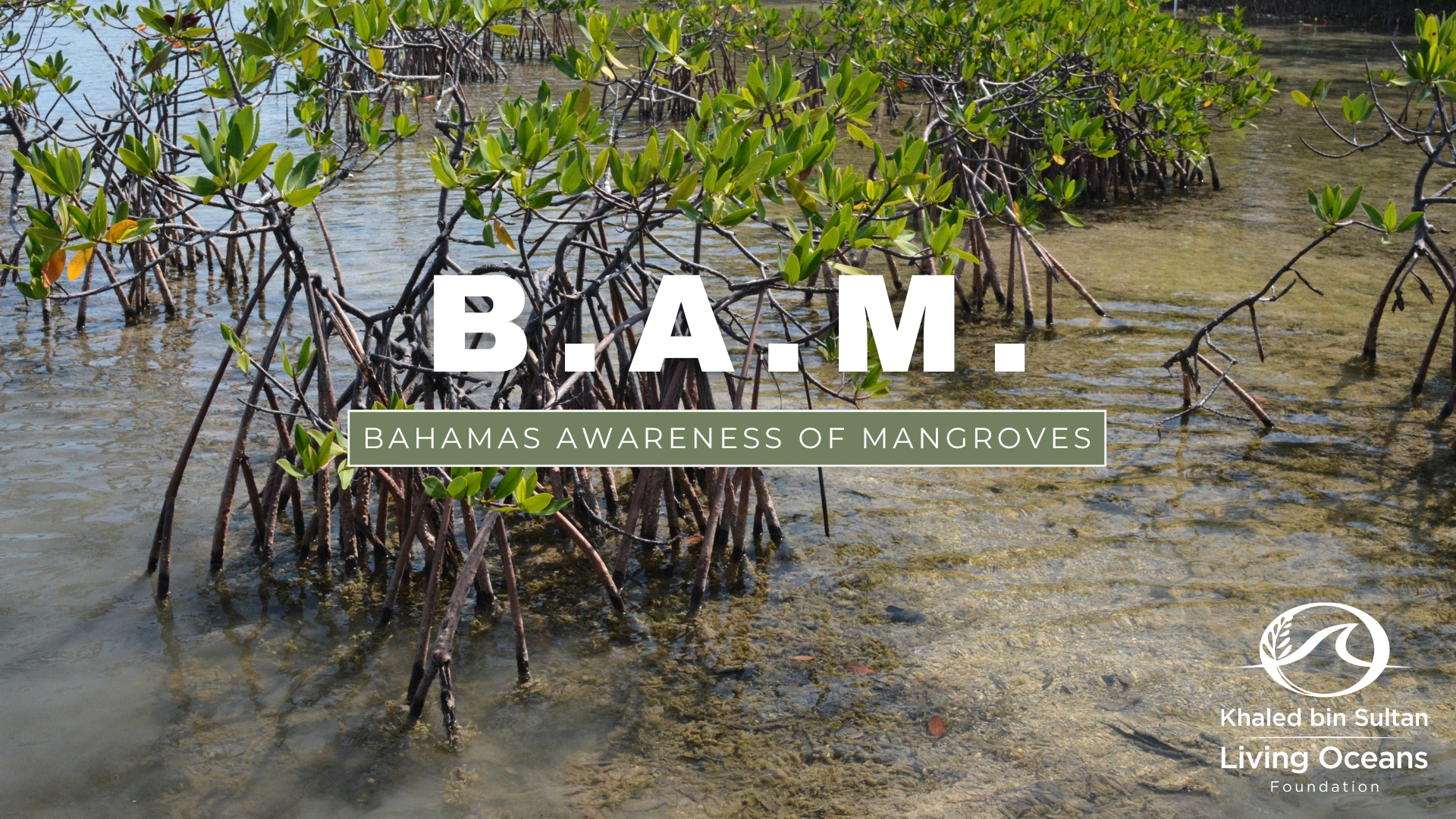
Ten Years of B.A.M.: Rooted in Partnership, Growing in Purpose

Ten years ago, the Bahamas Awareness of Mangroves (B.A.M.) program began with a simple but meaningful commitment: to connect Bahamian students with the mangrove ecosystems that shape and protect their island home.

Since 2015, B.A.M. has been implemented in partnership with Friends of the Environment, whose dedication to environmental stewardship in Abaco has made this program possible year after year. Together, we have worked alongside Patrick J. Bethel High School and Forest Heights Academy to bring hands-on mangrove science into classrooms and out into the field.

What makes ten years remarkable is not just longevity — it is consistency…

Read More
Privacy Overview

This website uses cookies so that we can provide you with the best user experience possible. Cookie information is stored in your browser and performs functions such as recognising you when you return to our website and helping our team to understand which sections of the website you find most interesting and useful.  You can view our complete Privacy Policy here.

Strictly Necessary Cookies

Most of our cookies are used to improve website security and reduce spam. These cookies should be enabled at all times. They also enable us to save your preferences for cookie settings.

3rd Party Cookies

This website uses Google Analytics to collect anonymous information such as the number of visitors to the site, and the most popular pages. Keeping this cookie enabled helps us to improve our website.