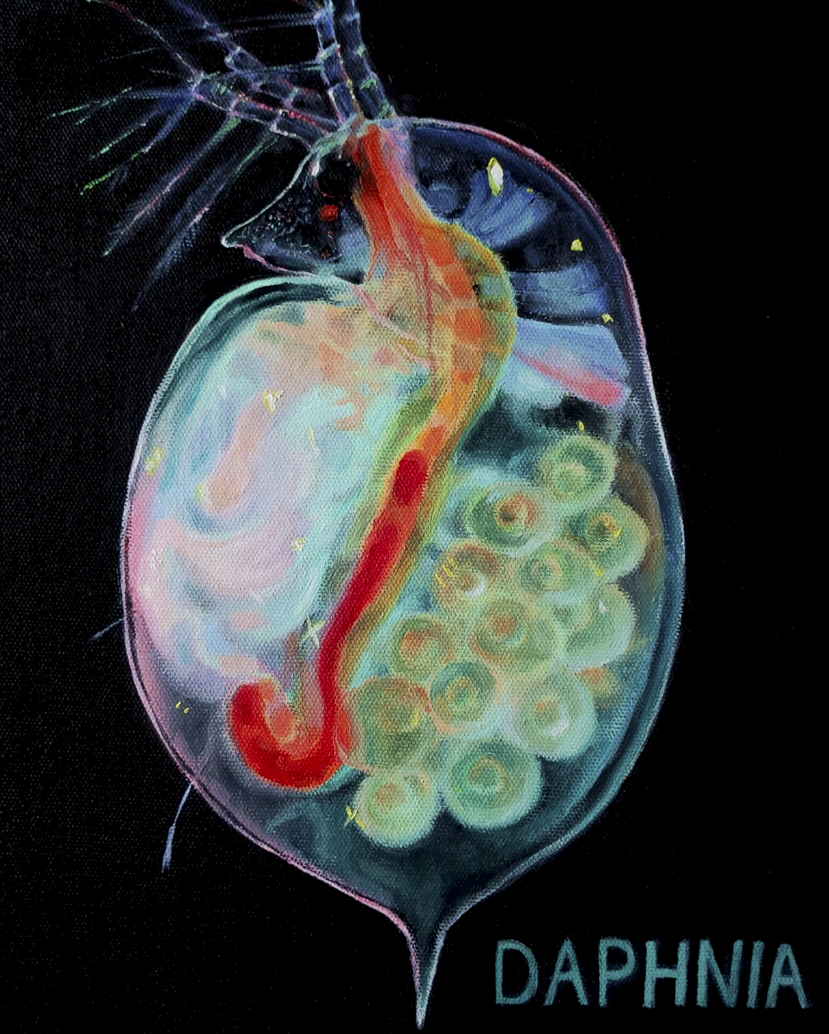
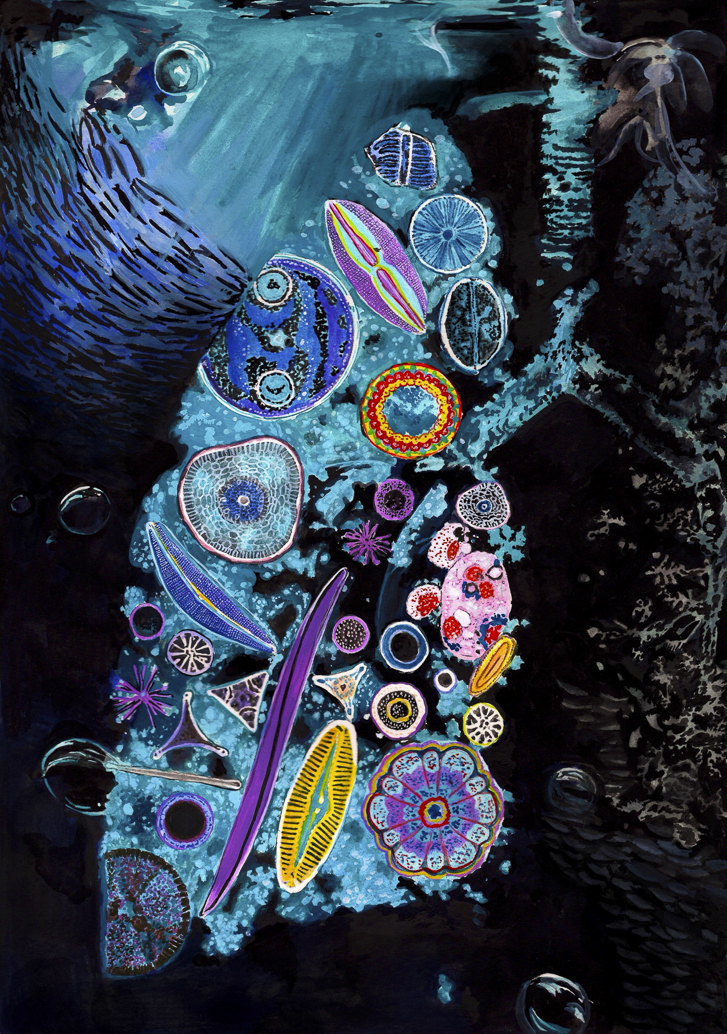
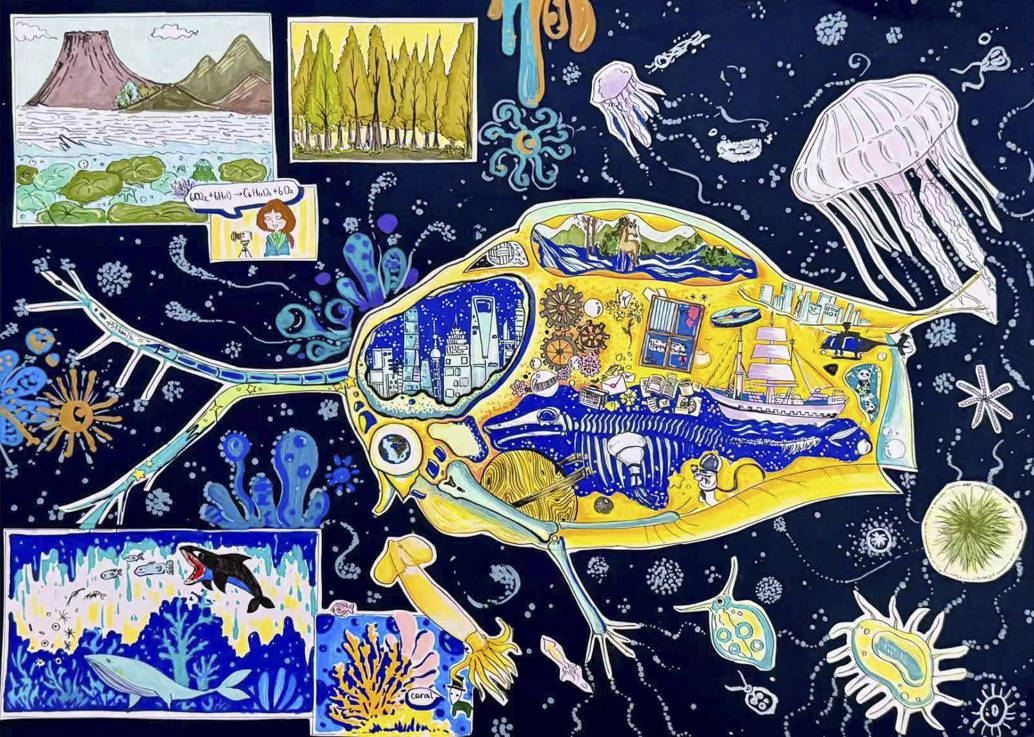
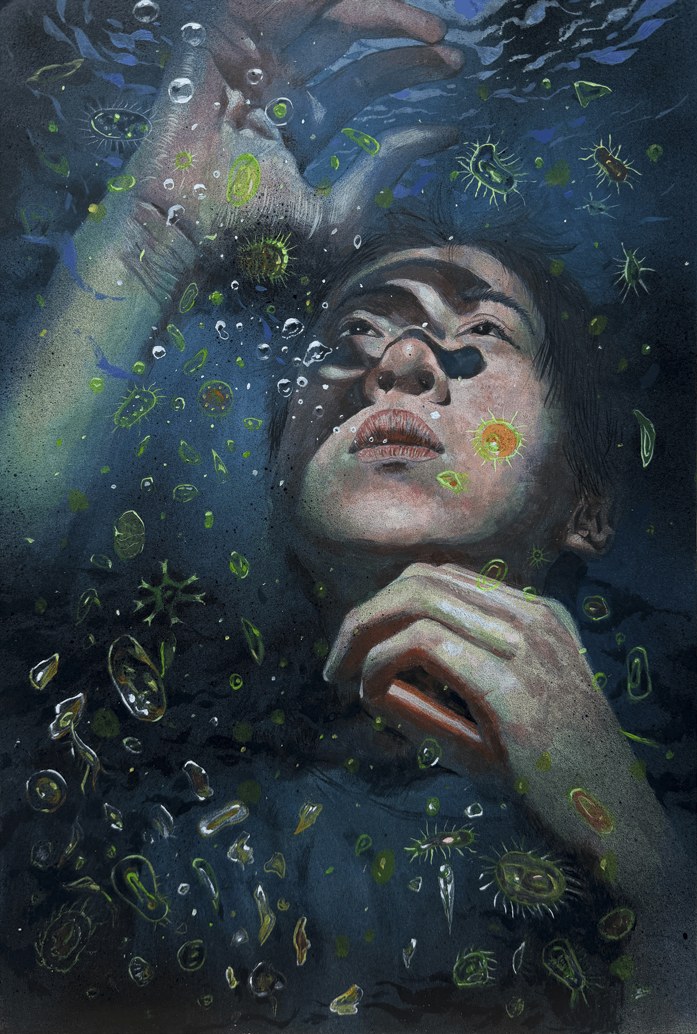
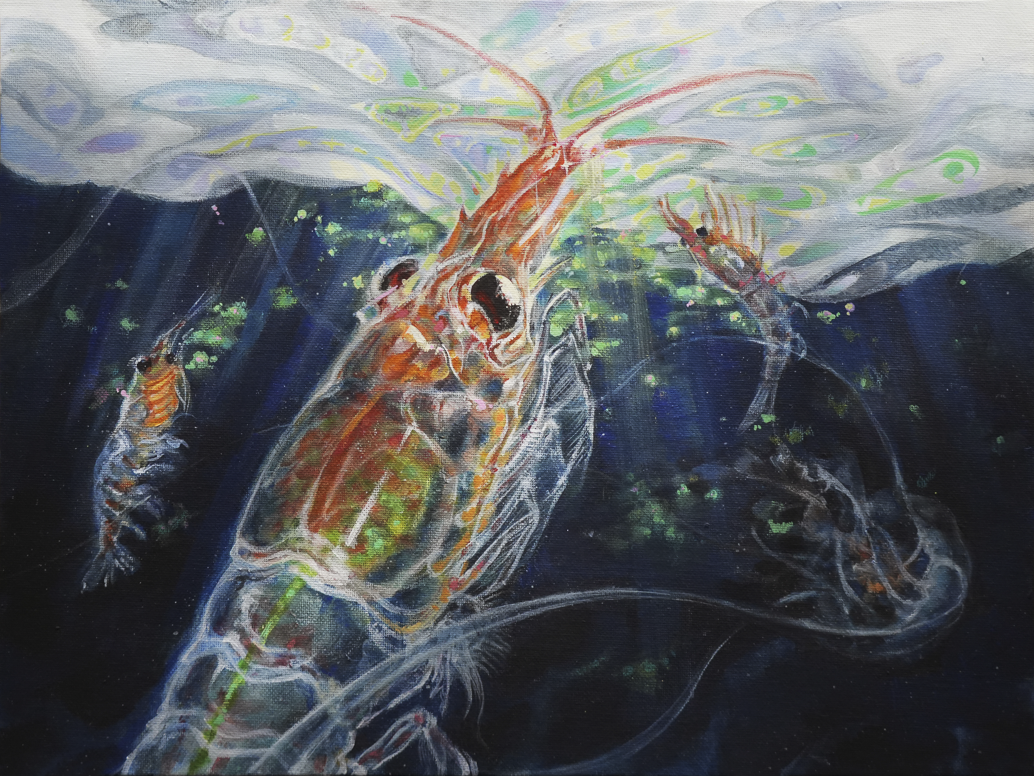
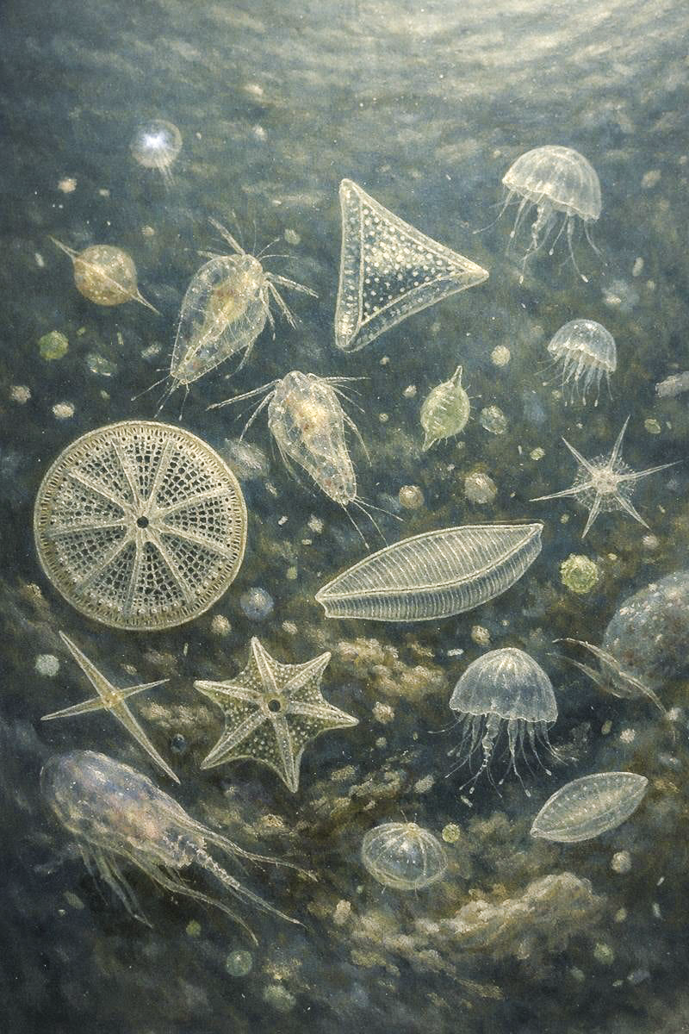
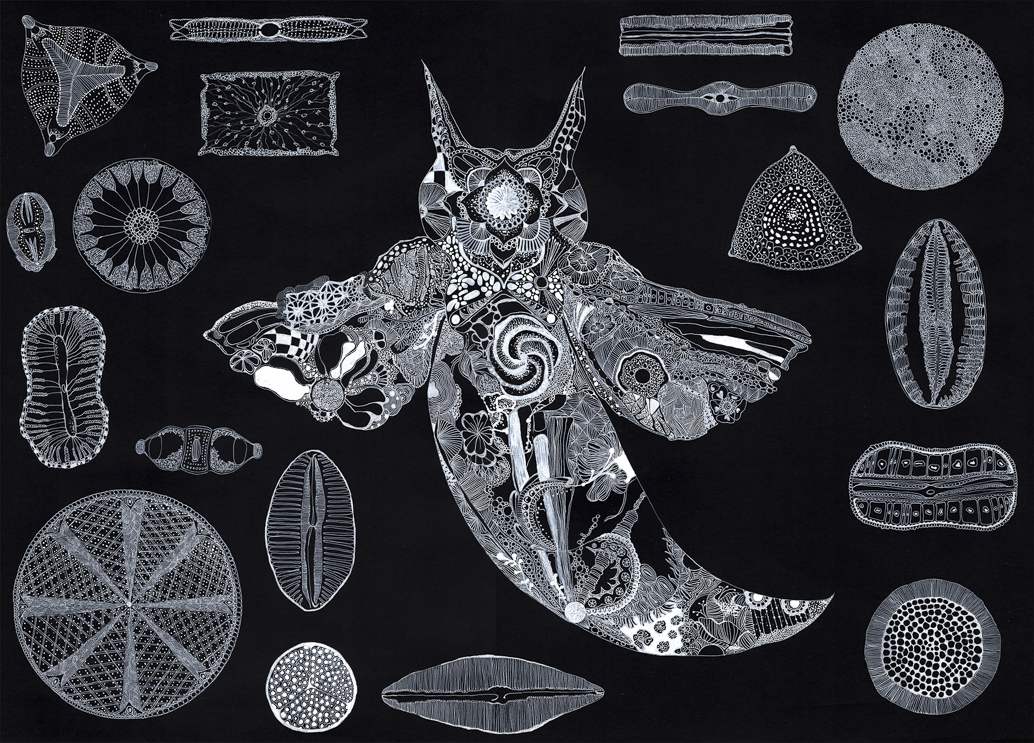
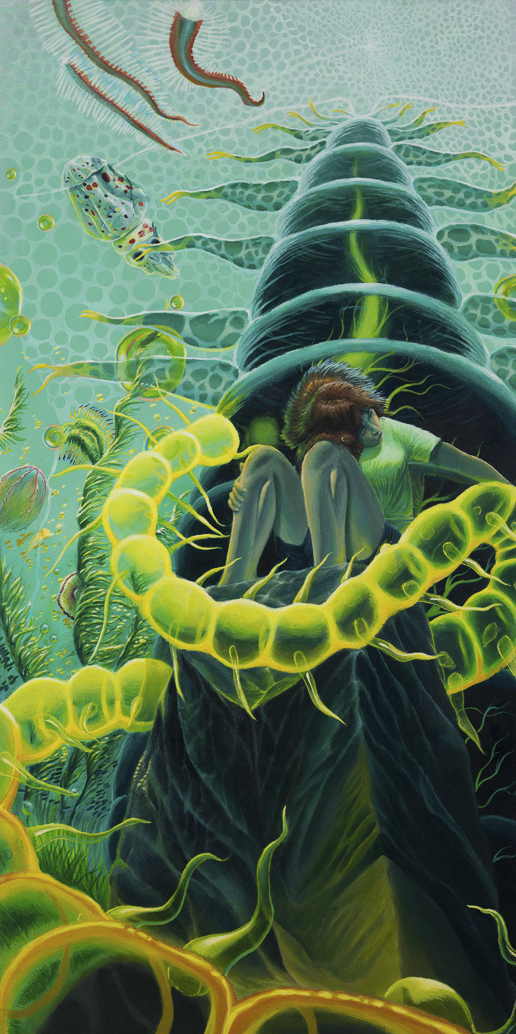
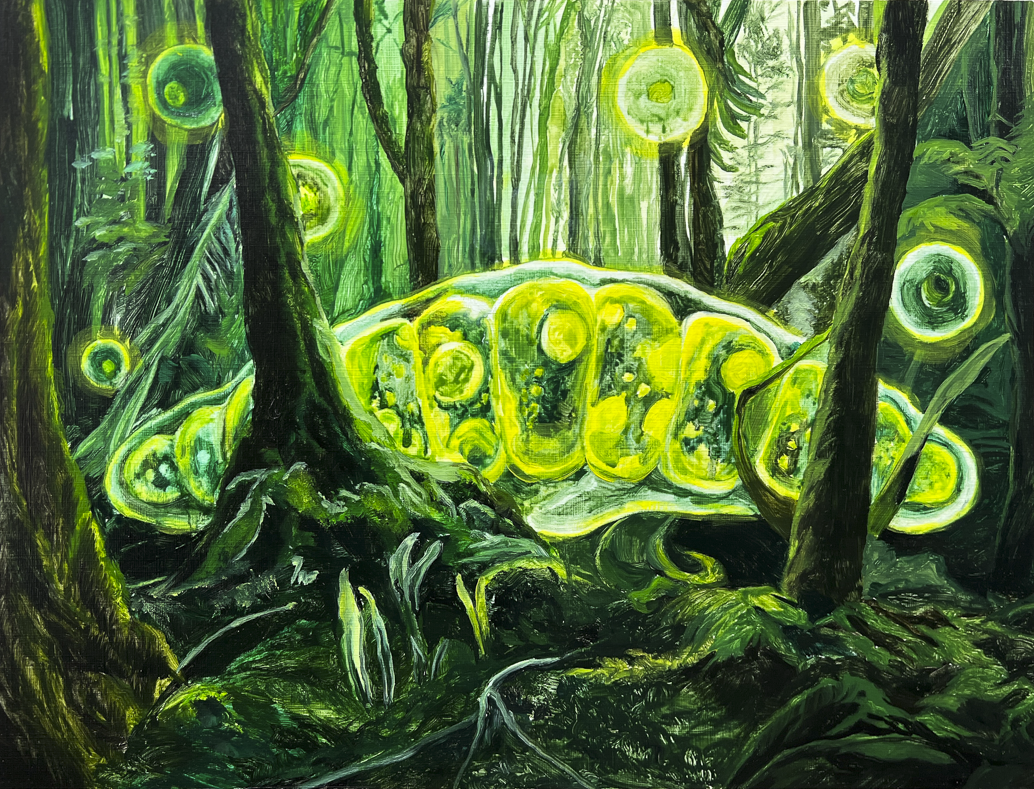
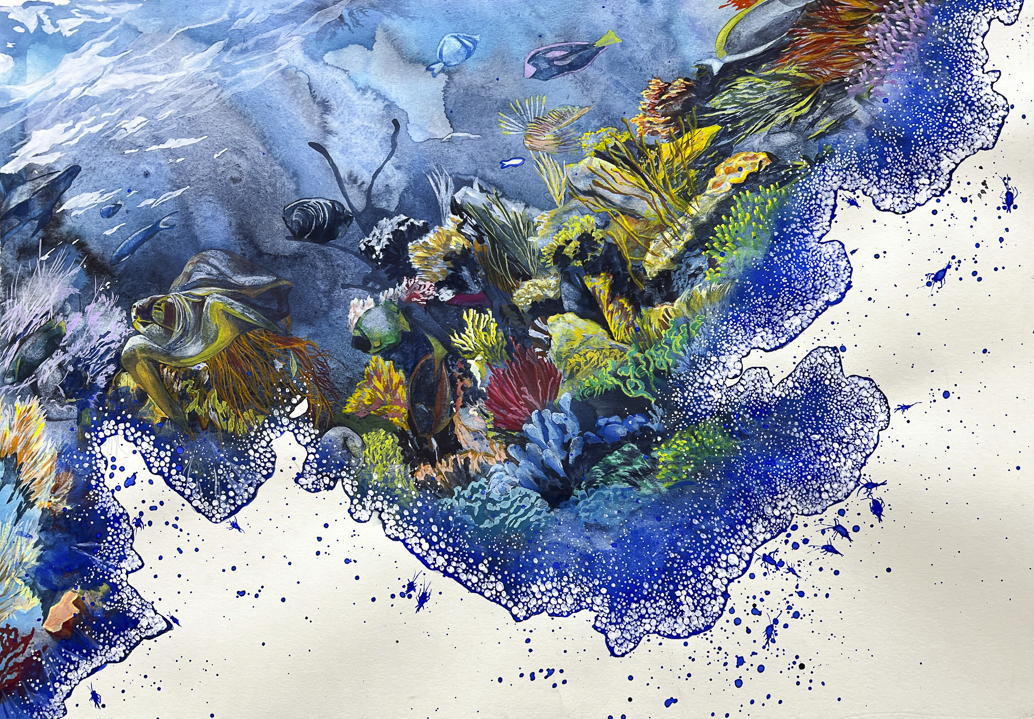
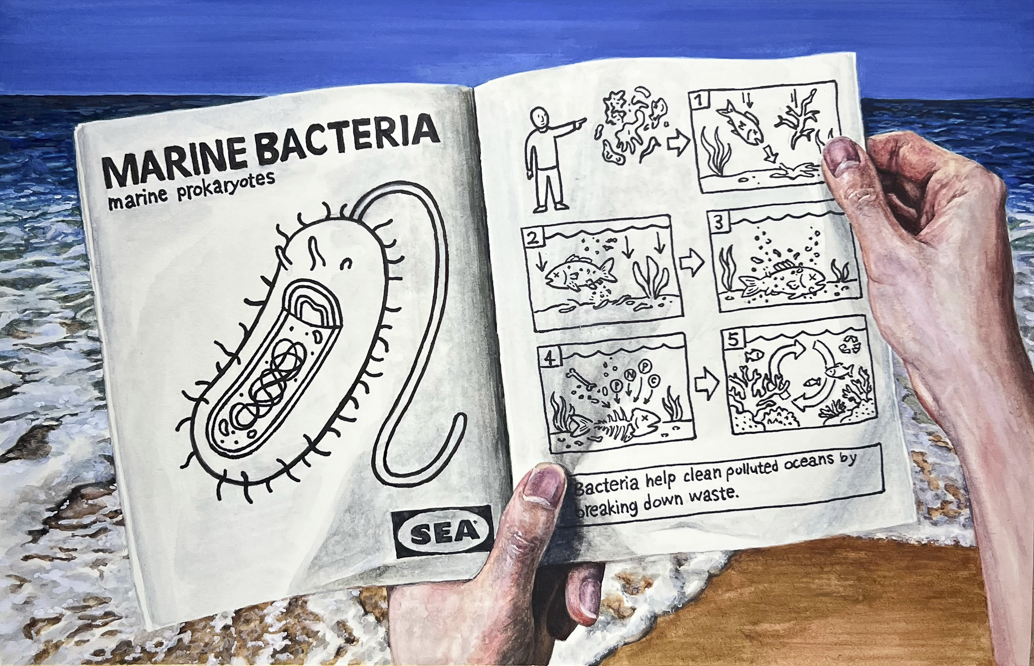
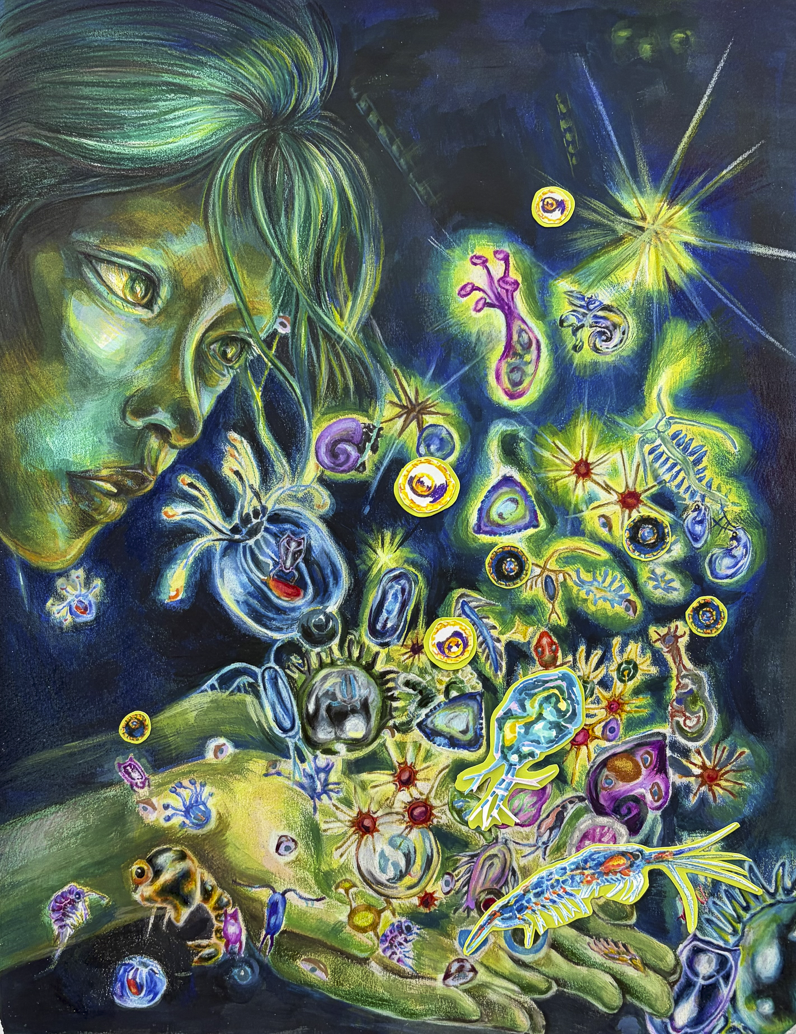
Following the announcement of our 11–14-year-old semi-finalists, we are excited to spotlight the remarkable students selected as semi-finalists in the 15–19-year-old category of the 2026 Science Without Borders® Challenge. Their artwork demonstrates not only artistic talent but also a deep understanding of the science behind this year’s theme.
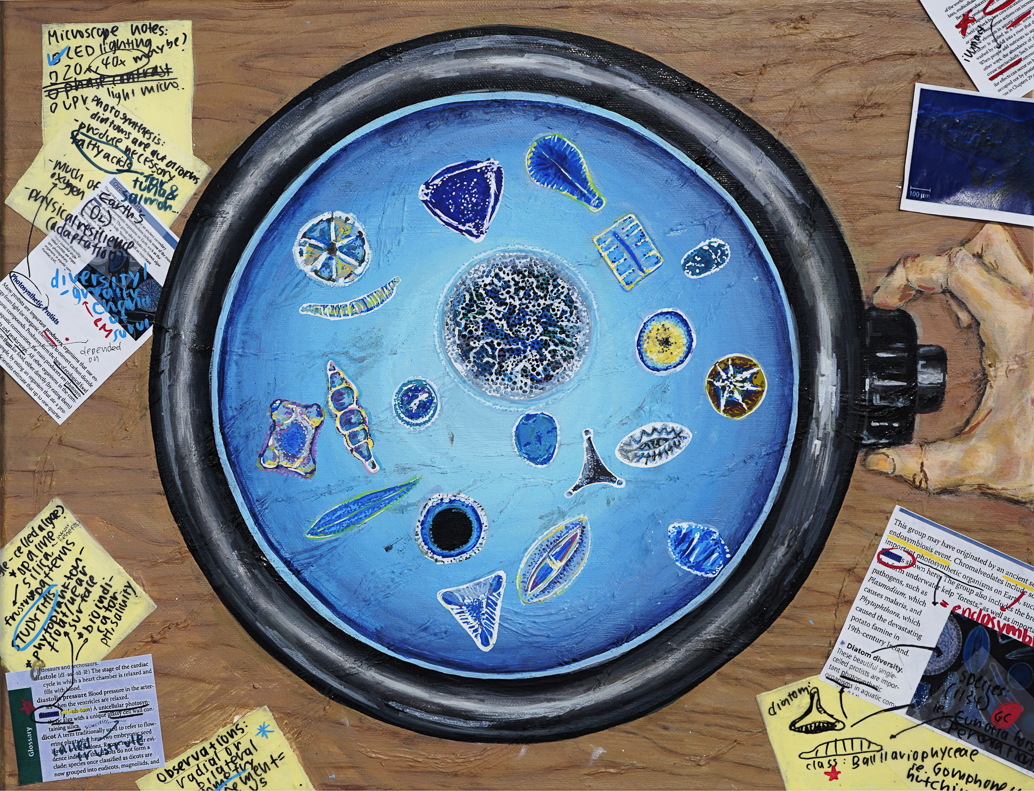
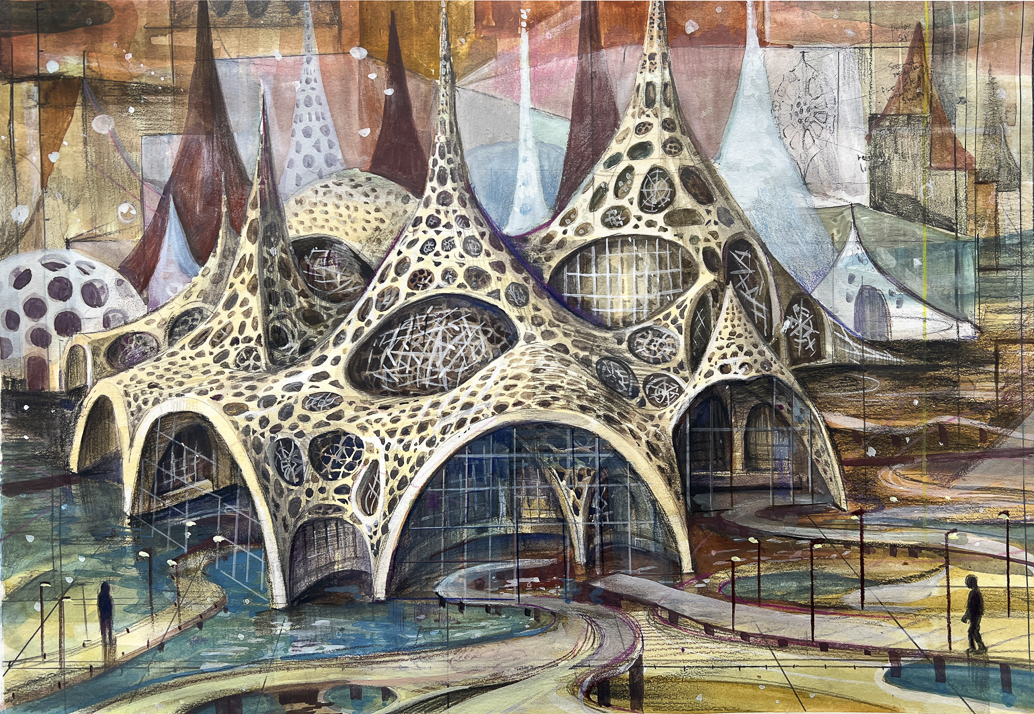
This year’s theme, “Microscopic Marine Life,” challenged students to explore the hidden world of ocean microorganisms and illustrate how these tiny organisms support life throughout the marine environment. Although invisible to the naked eye, microscopic marine life plays a critical role in maintaining ocean health—from producing oxygen and forming the base of marine food webs to recycling nutrients and regulating the planet’s climate.
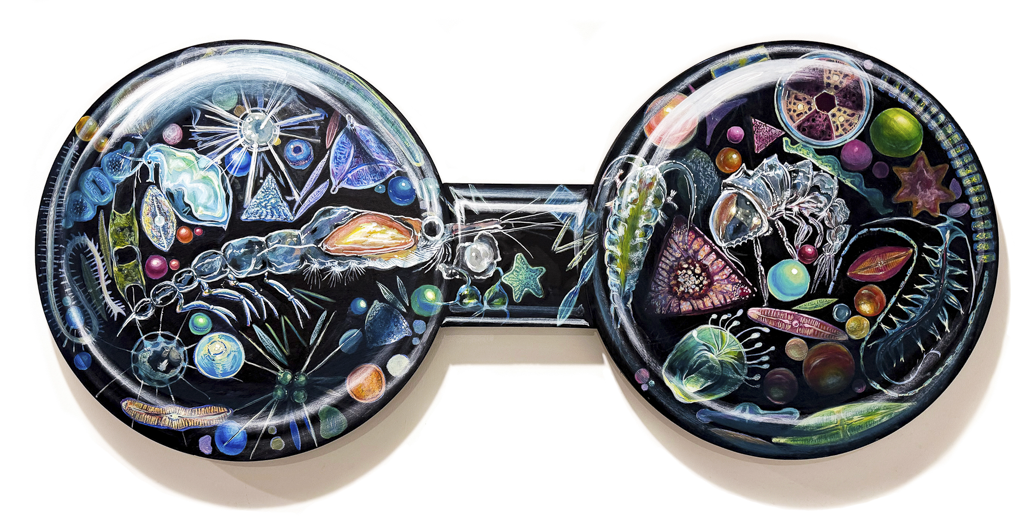
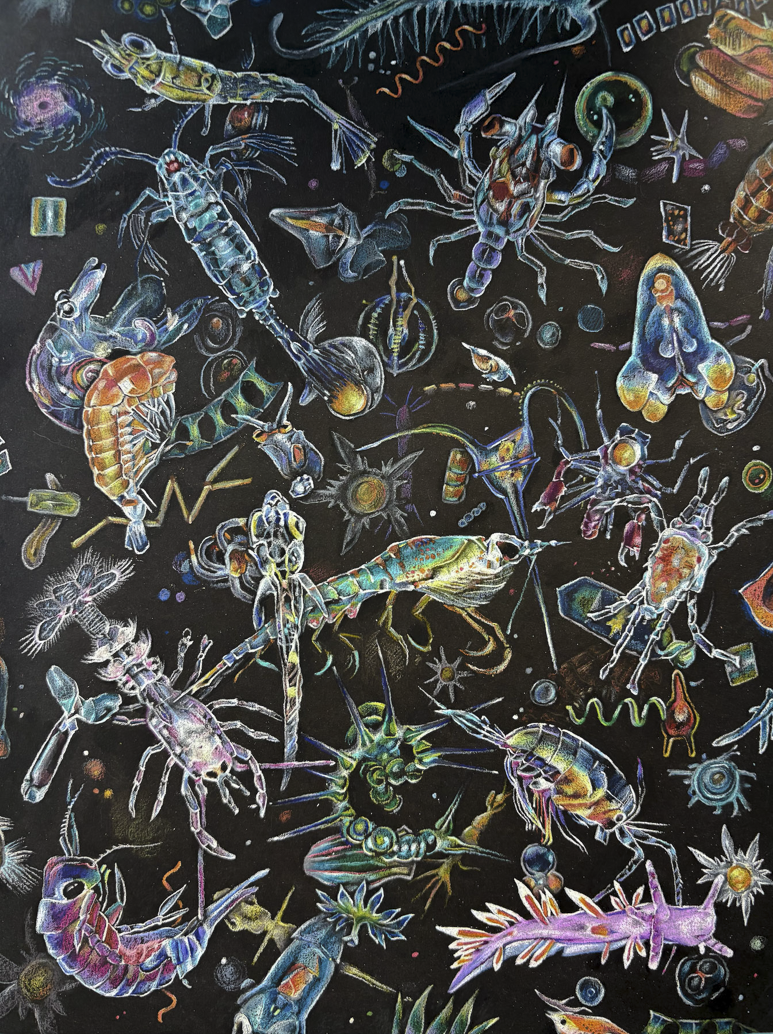
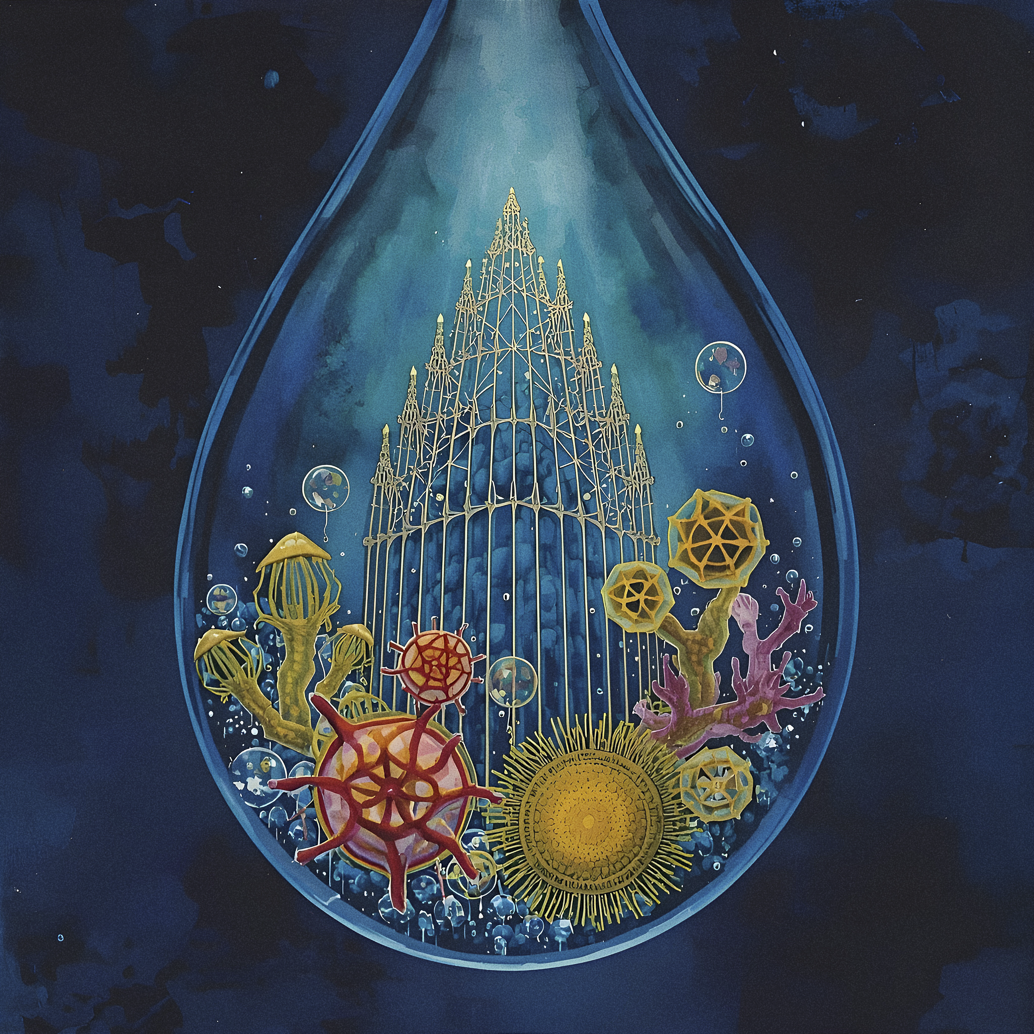
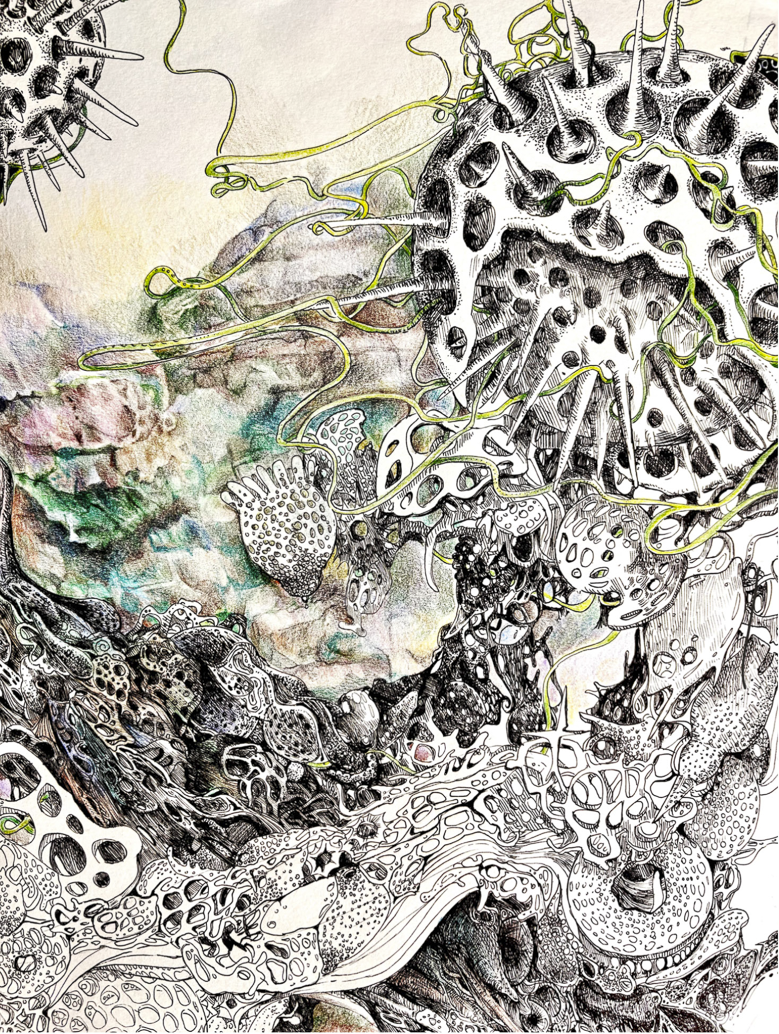
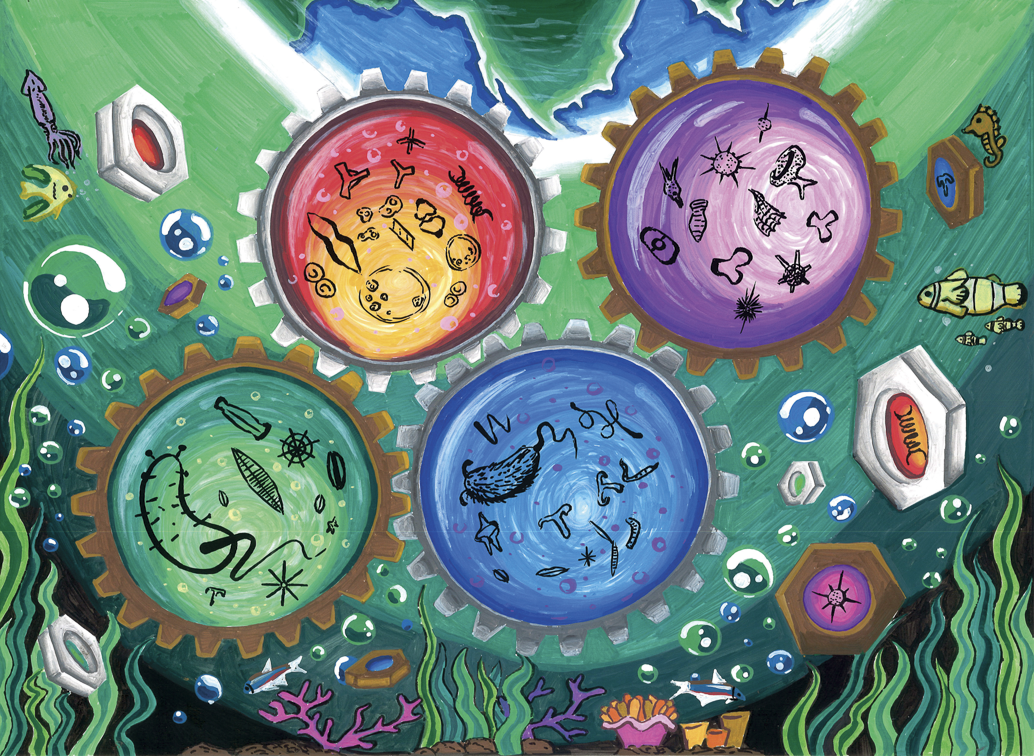
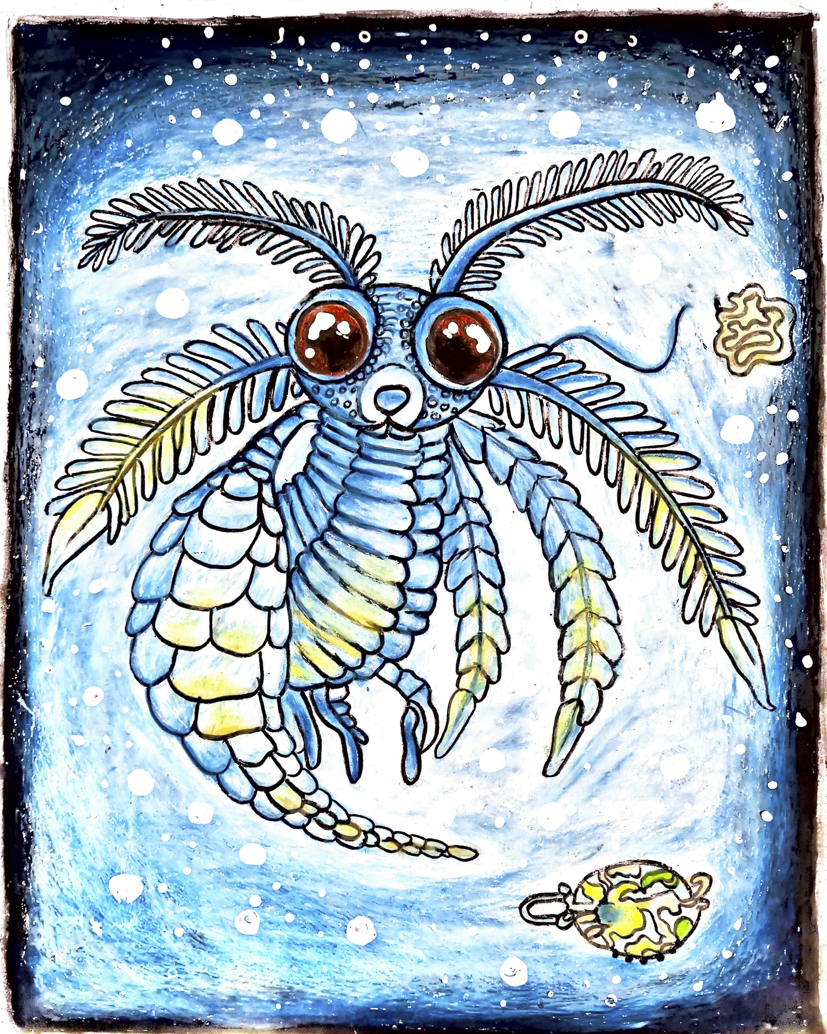
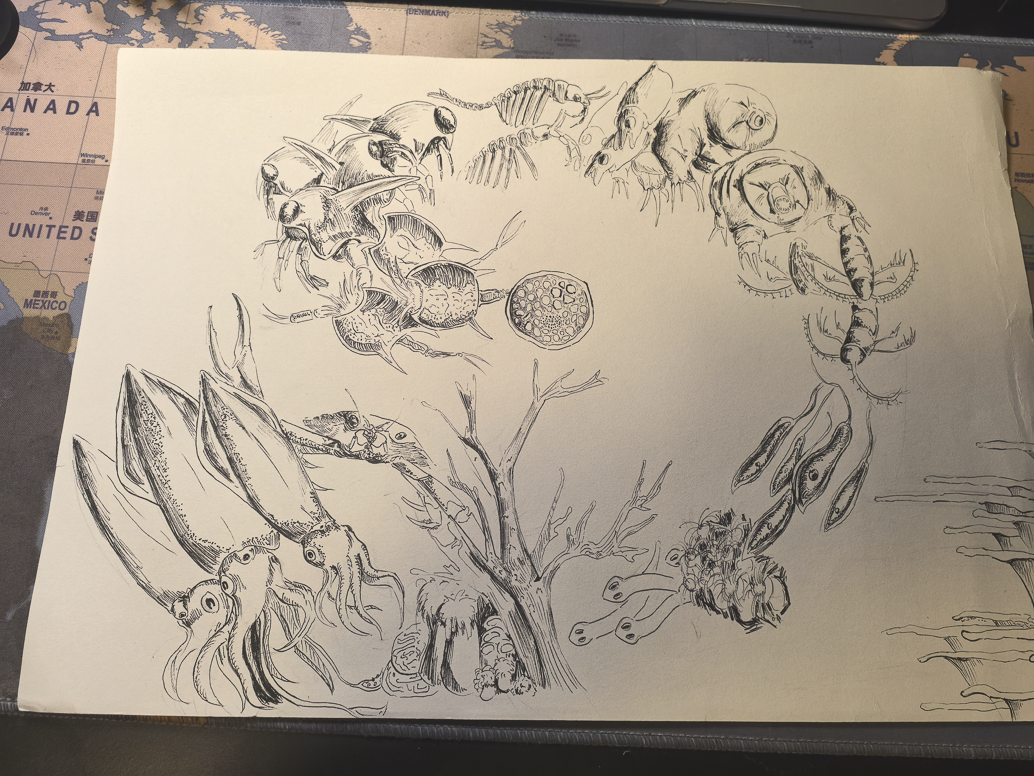
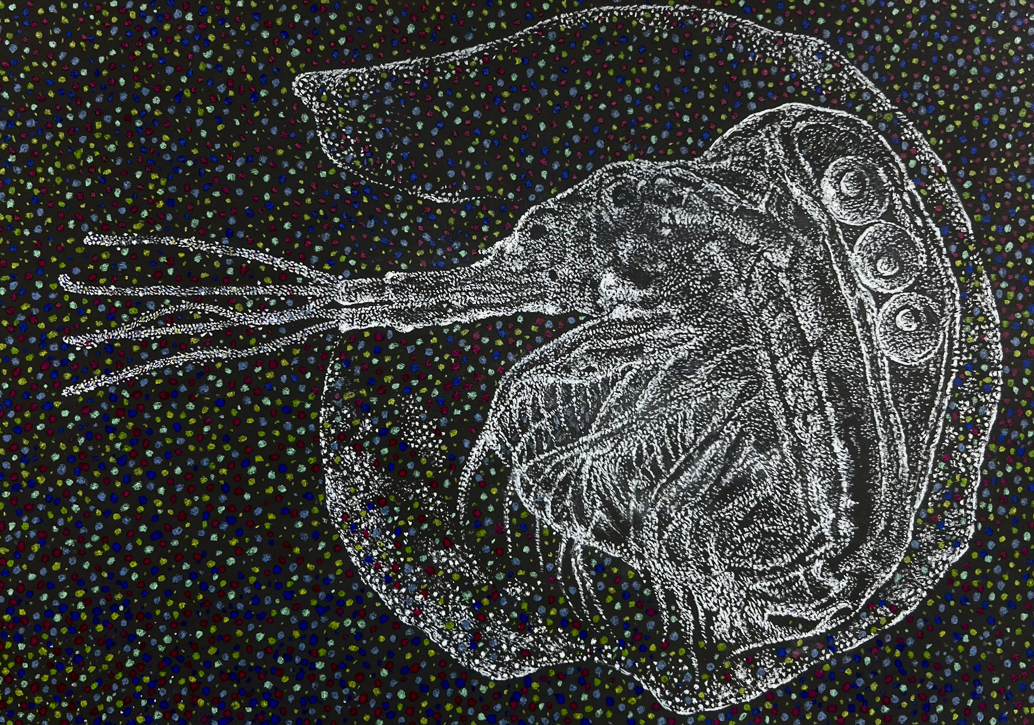
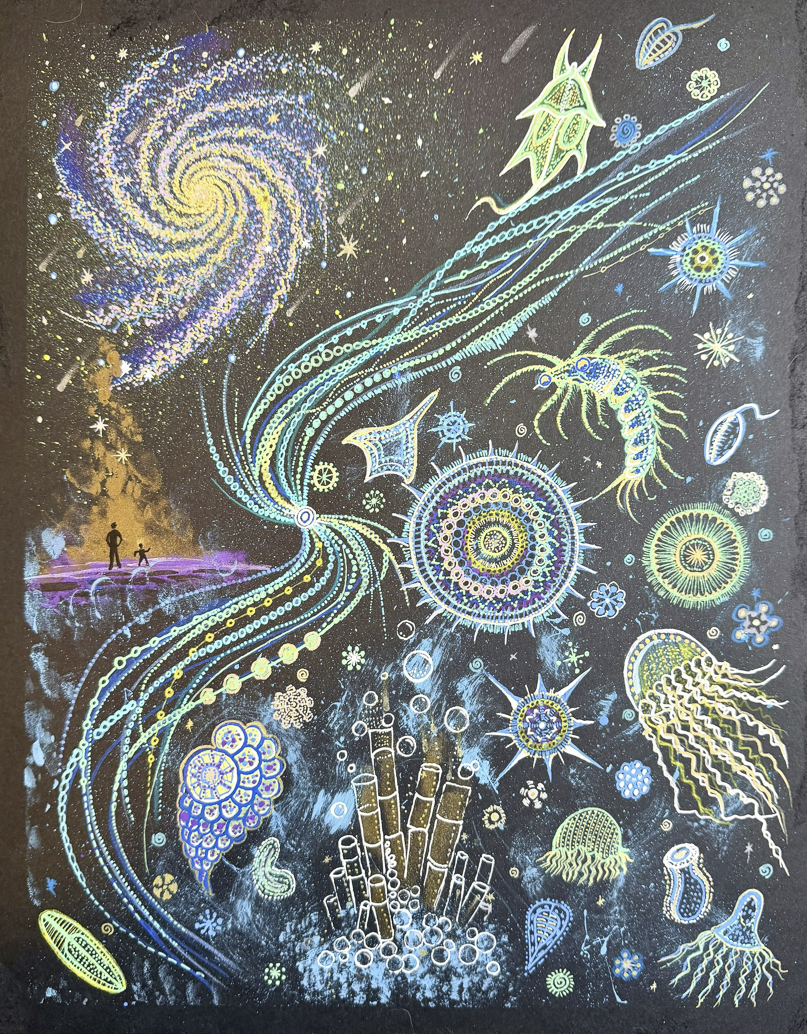
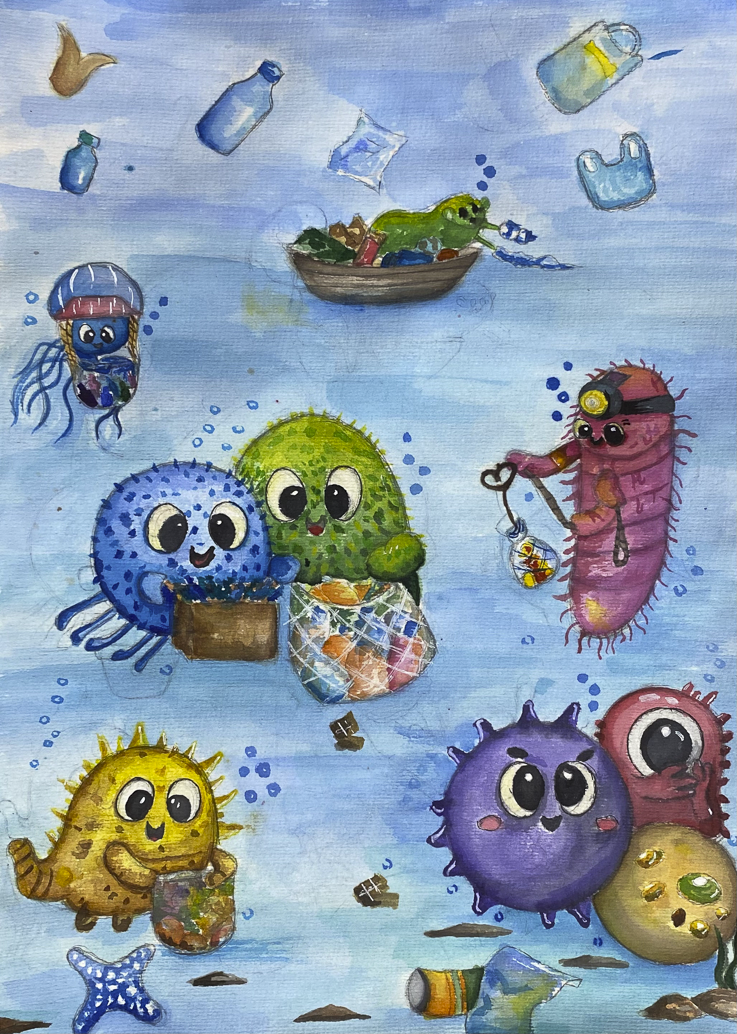
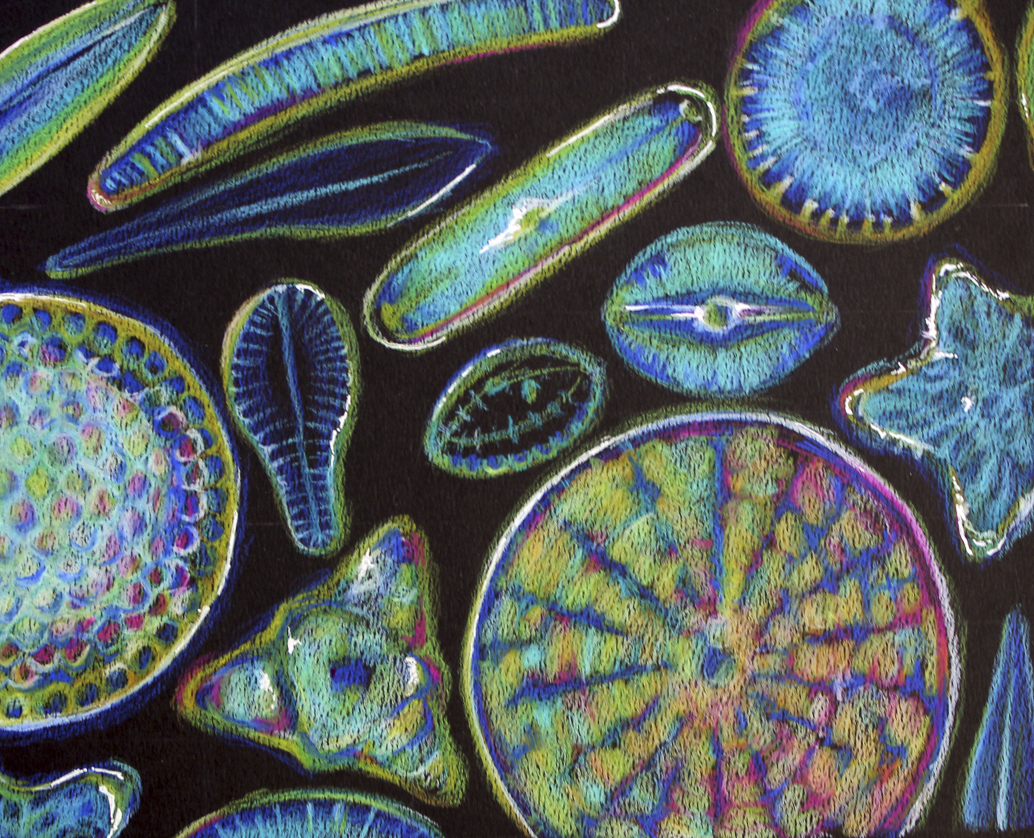
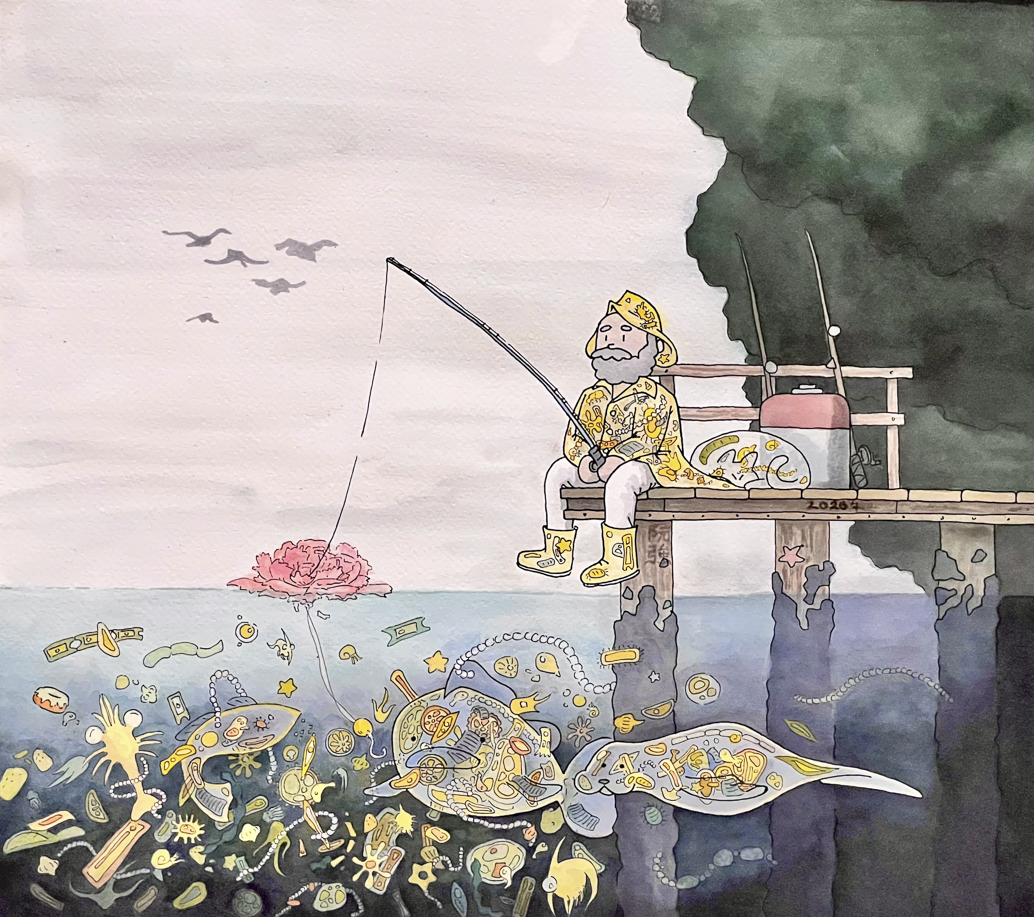
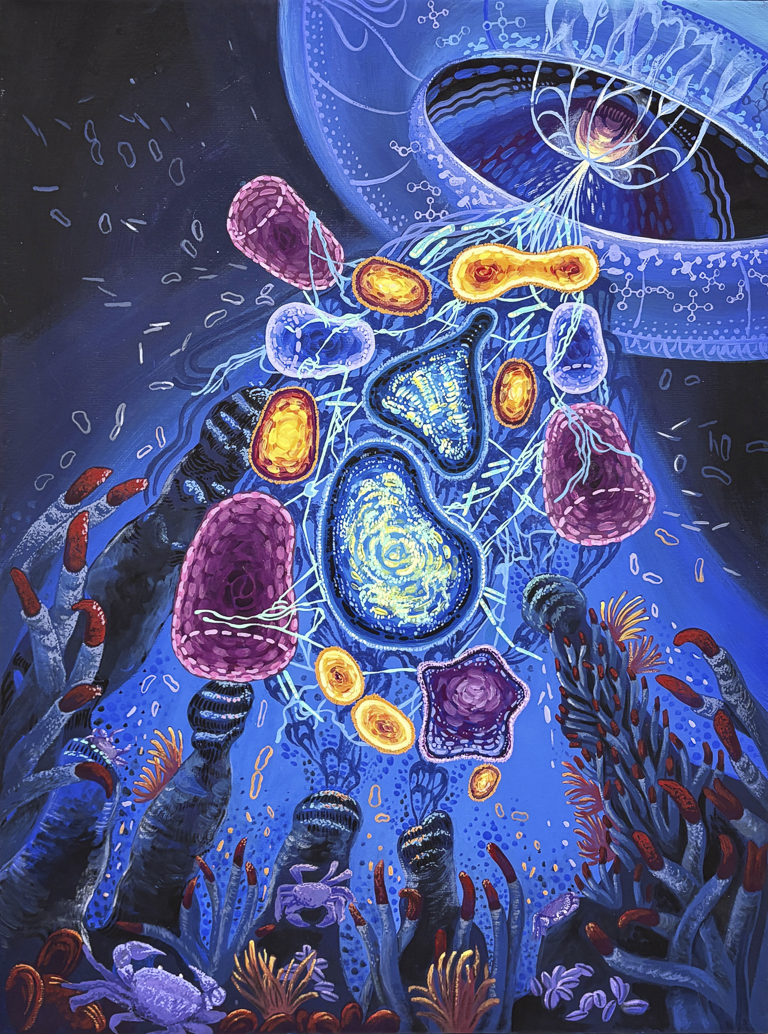
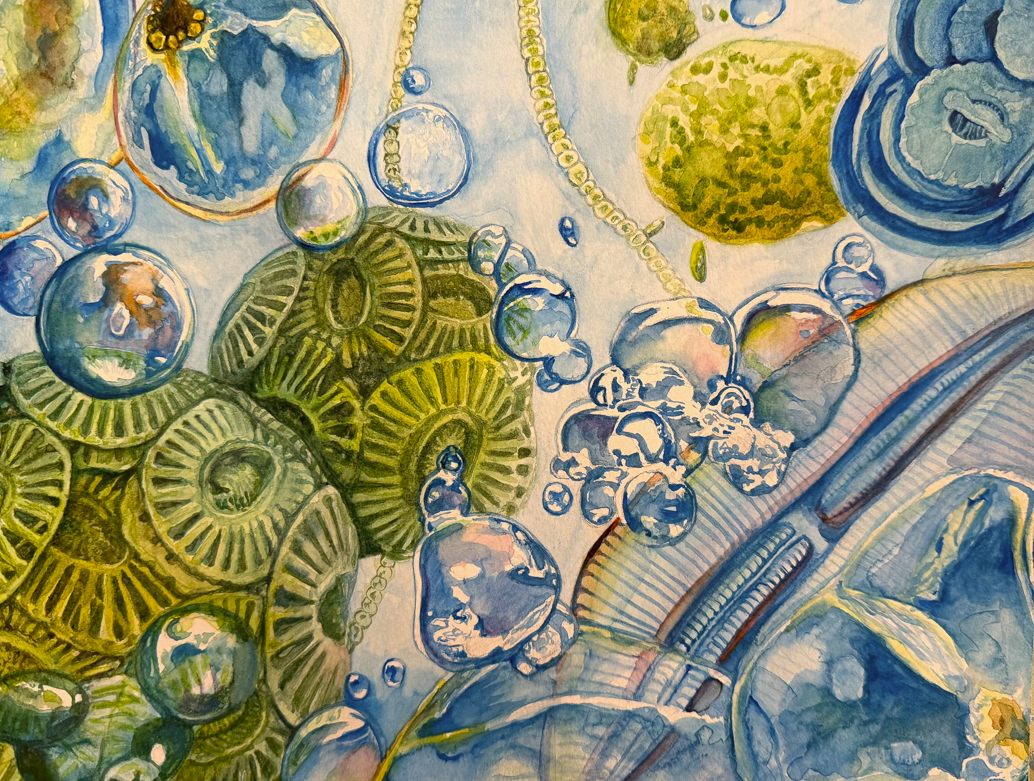
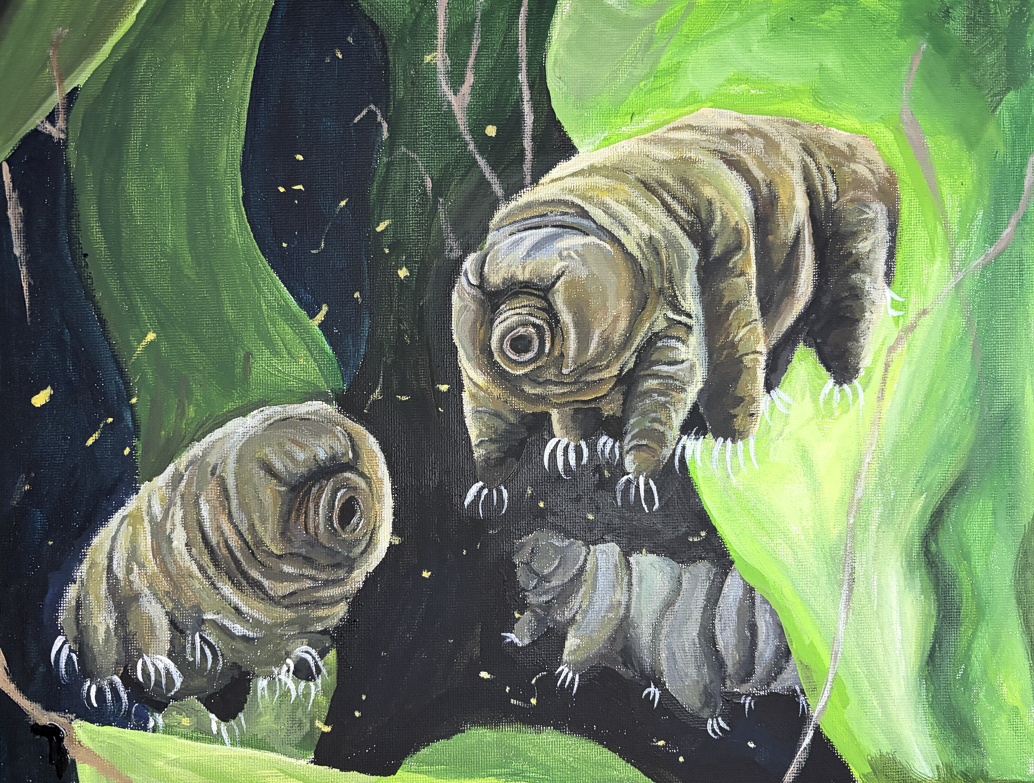
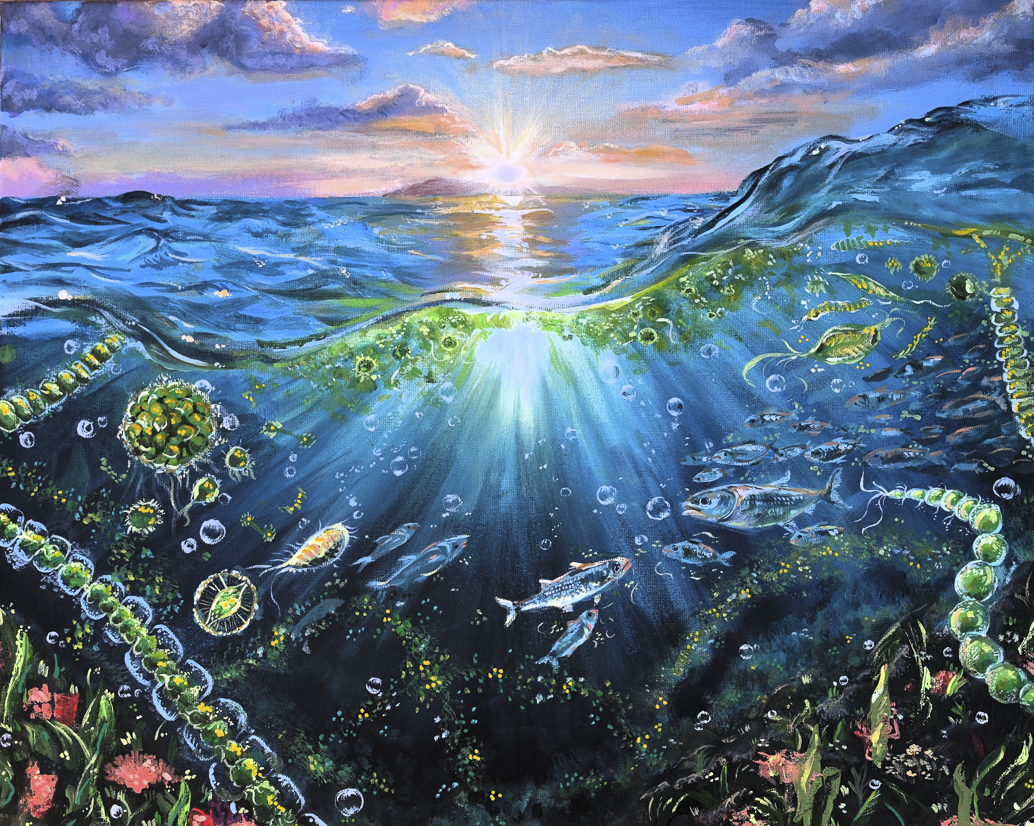
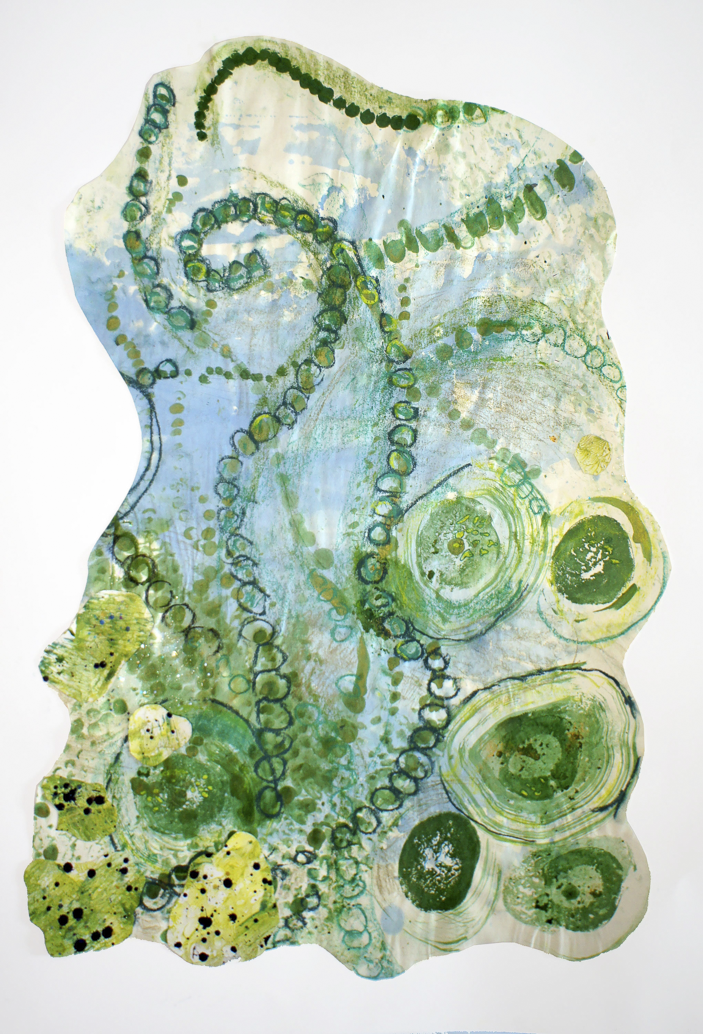
Students brought this theme to life by portraying a remarkable diversity of microscopic organisms, including phytoplankton such as diatoms, dinoflagellates, coccolithophores, and cyanobacteria, as well as zooplankton like copepods, radiolarians, Daphnia, and larval marine animals. Some artworks also highlighted marine bacteria, protozoa, and archaea, emphasizing their roles in decomposition, nutrient cycling, and even sustaining deep-sea ecosystems such as hydrothermal vents. Others explored resilient micro-animals, such as tardigrades, or illustrated entire plankton communities interacting within complex marine food webs.
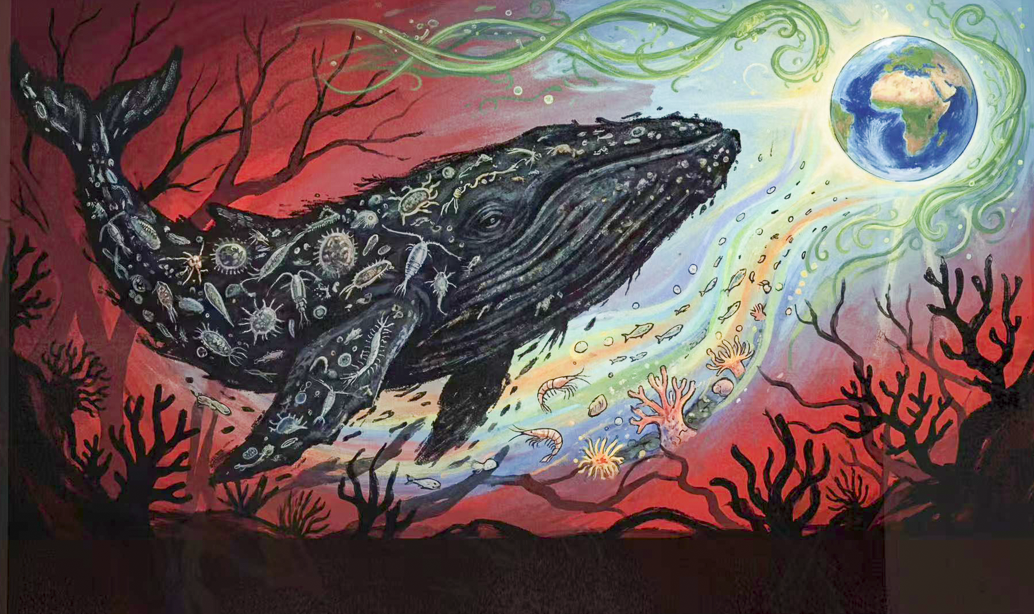
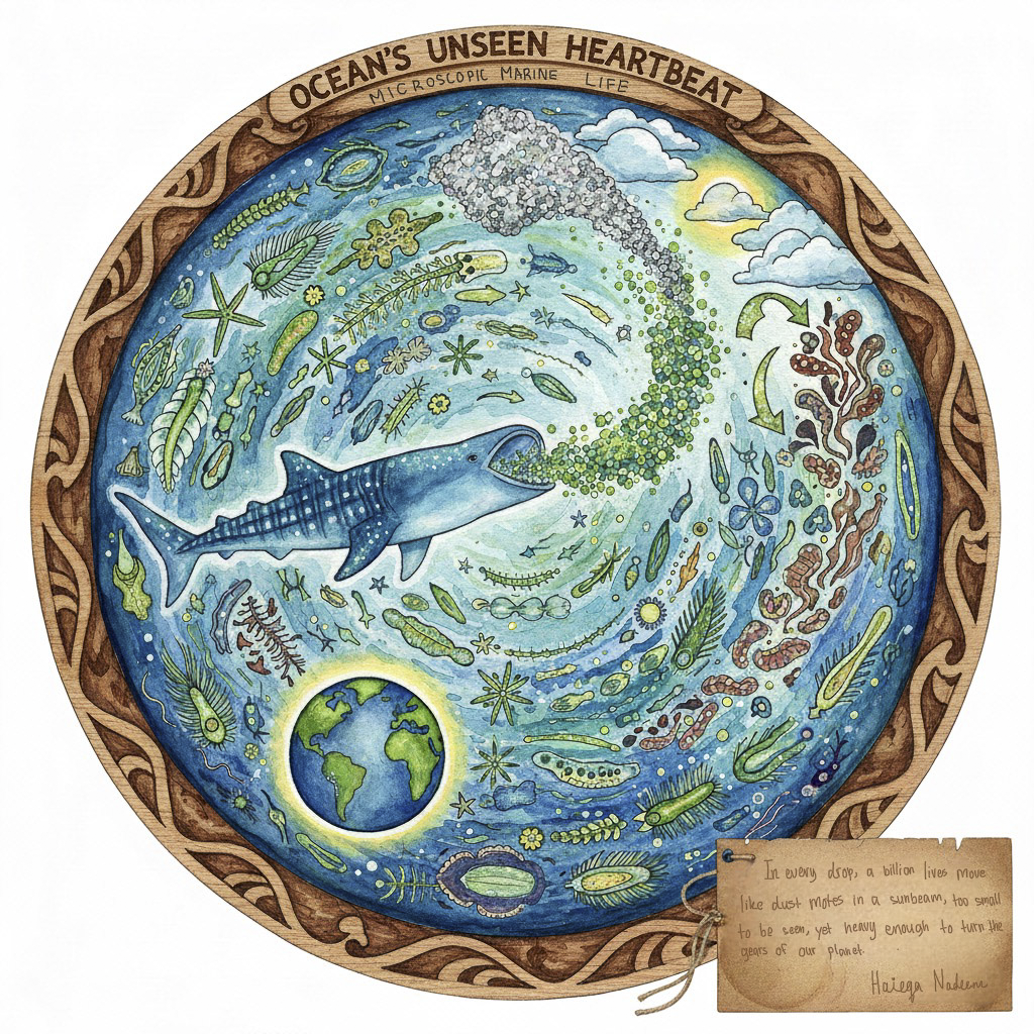
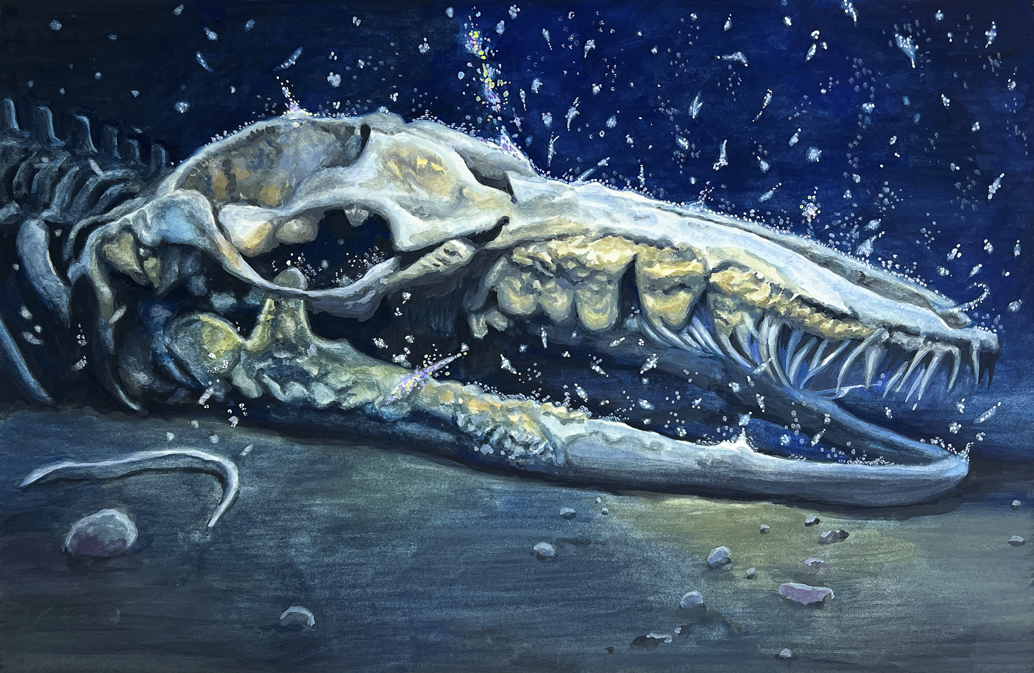
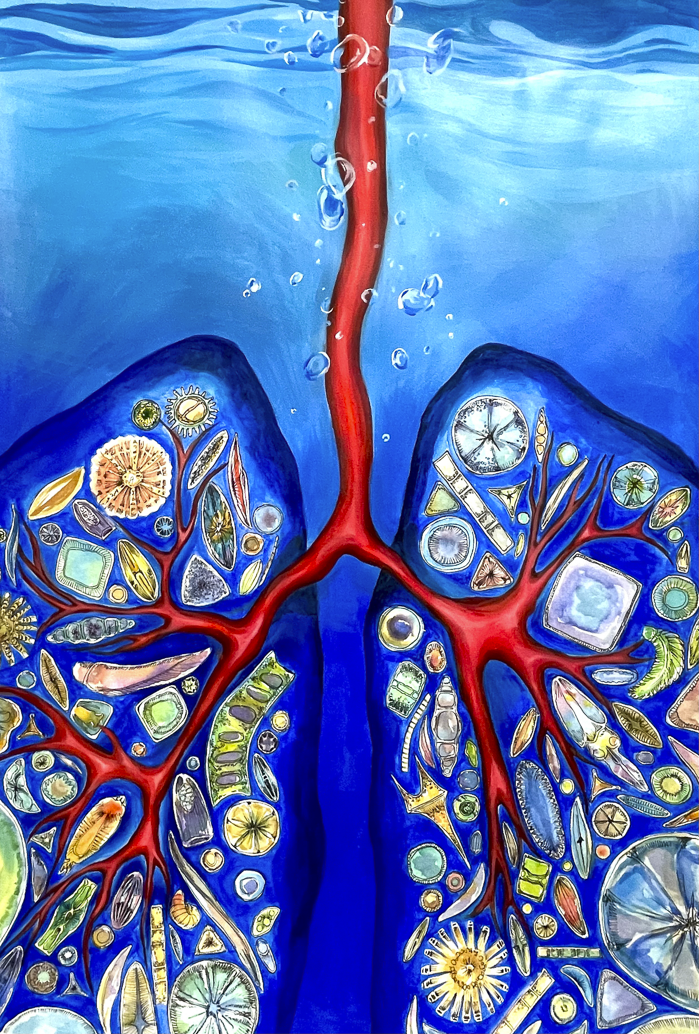
Beyond depicting individual organisms, many students used visual metaphors to communicate the importance of microscopic marine life. Some artworks portrayed microorganisms as the “lungs” or “engine” of the ocean, emphasizing their role in producing much of the oxygen we breathe. Others illustrated the connections between microscopic life and larger marine species like whales, demonstrating how these tiny organisms support entire ecosystems. Several students also explored broader themes such as carbon cycling, marine snow, bioluminescence, symbiosis, and the relationship between microscopic life and global climate systems.
This year, we received almost 900 submissions from 65 countries, with 450 entries in the 15–19 year-old category alone. From this talented group, our judges selected 34 exceptional semi-finalists representing 12 countries. These students not only demonstrated artistic skill and creativity but also showed impressive scientific understanding in their written explanations of the organisms and processes featured in their artwork.
Now, it’s time to celebrate their talent and dedication. Meet our 2026 Science Without Borders® Challenge Semi-finalists (ages 15–19):
2026 Science Without Borders® Challenge Semi-finalists (Ages 15-19)