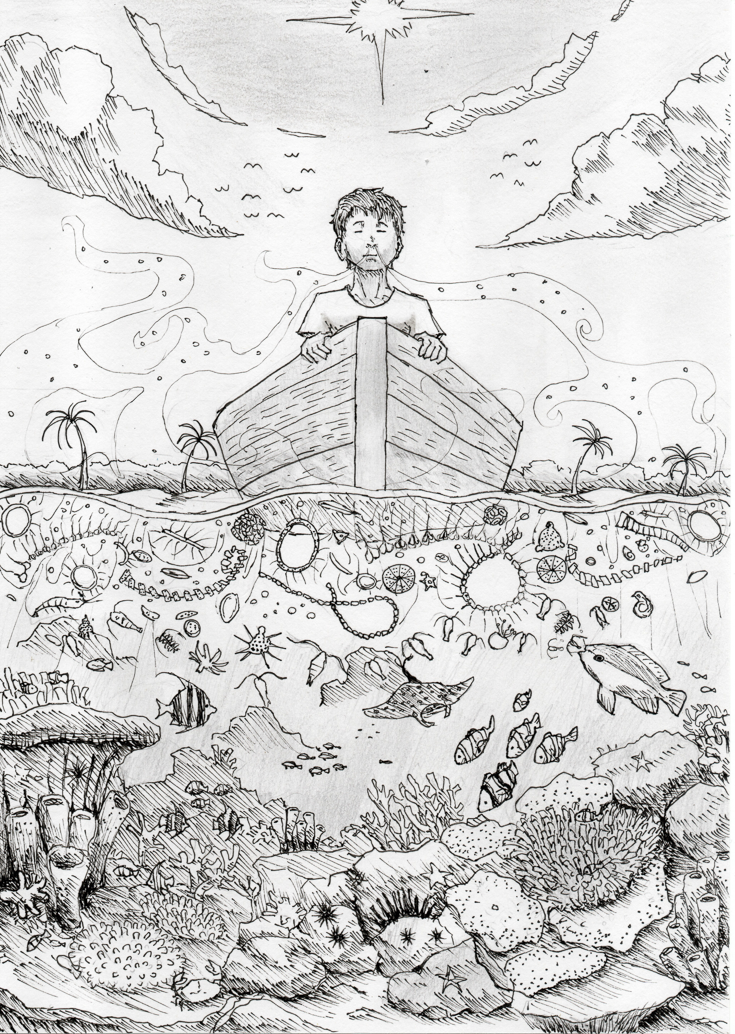
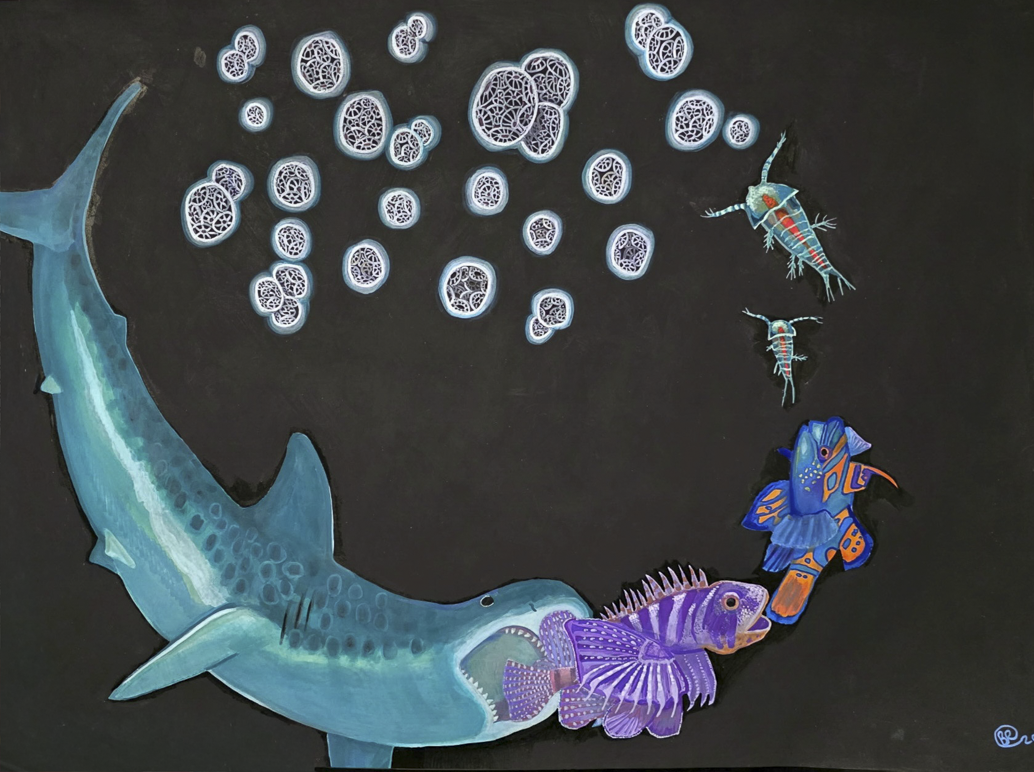
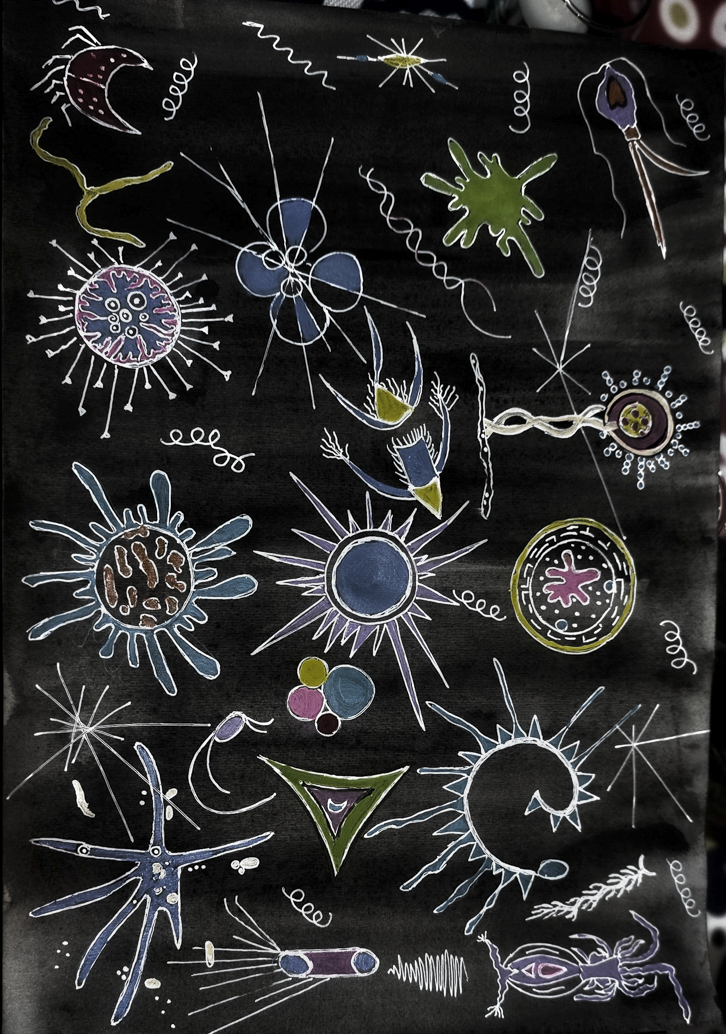
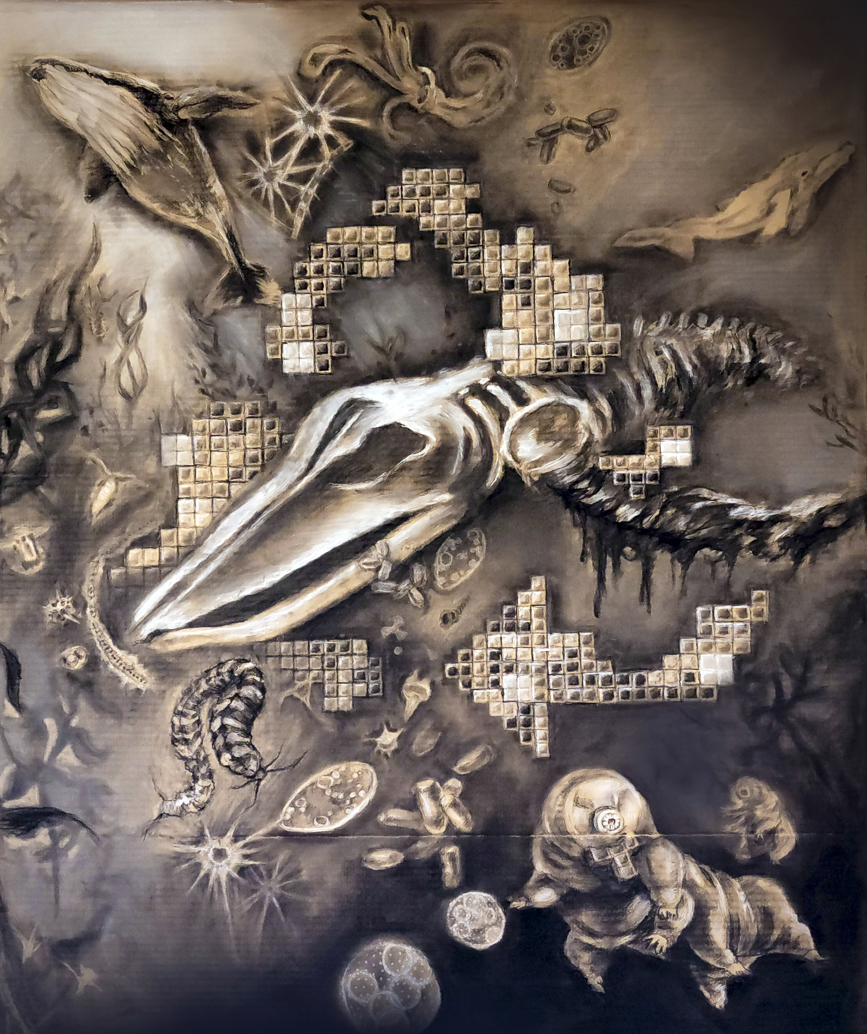
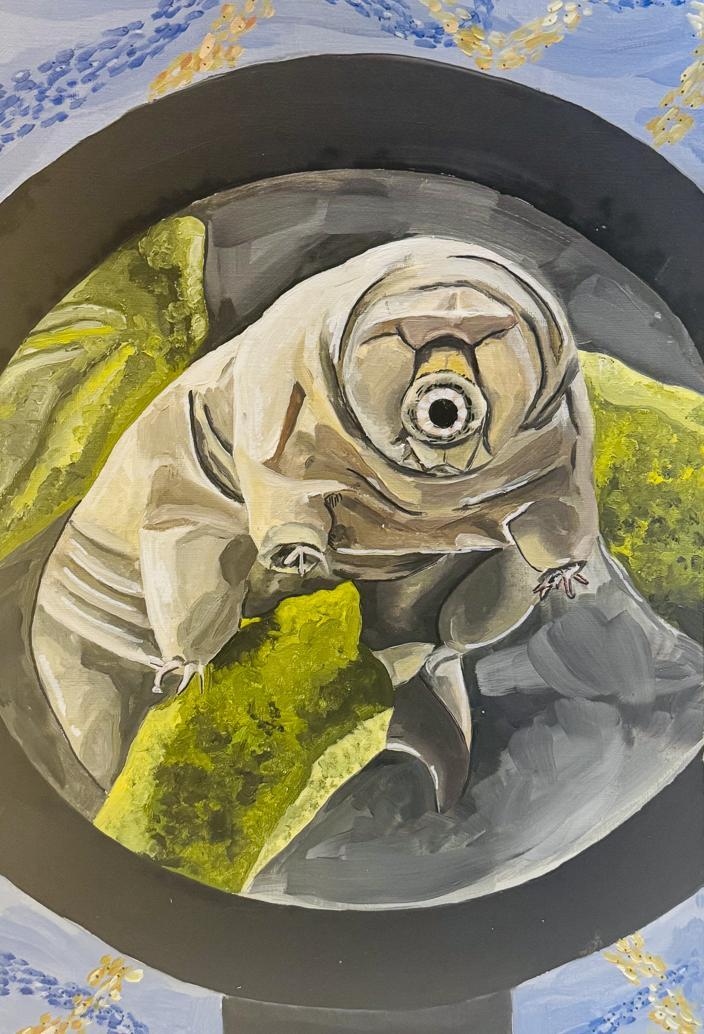
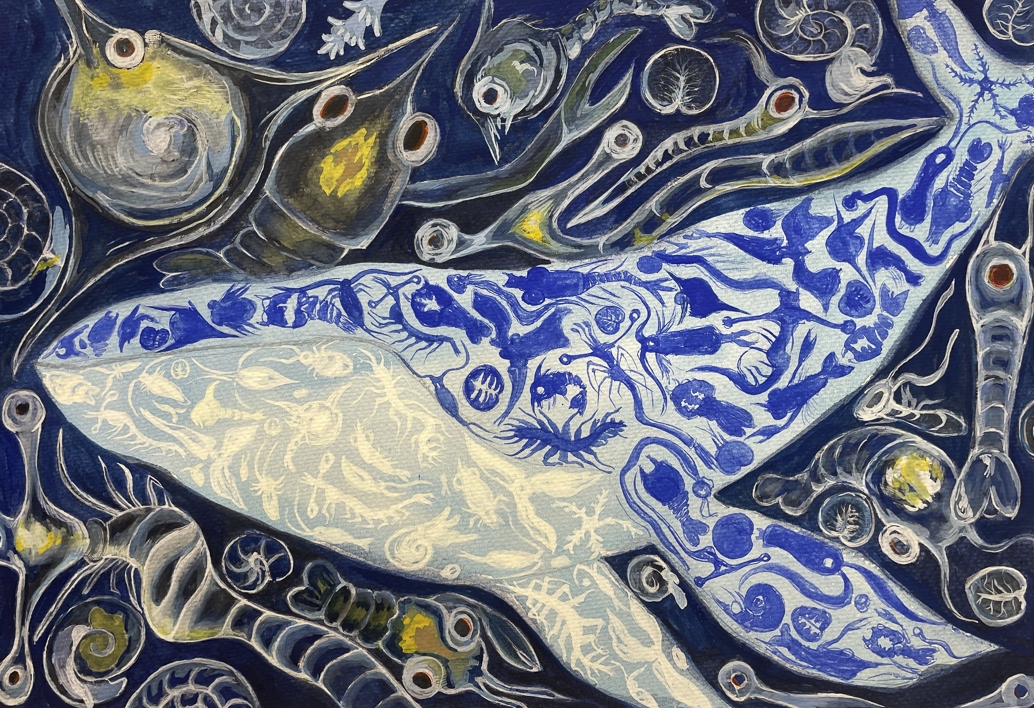
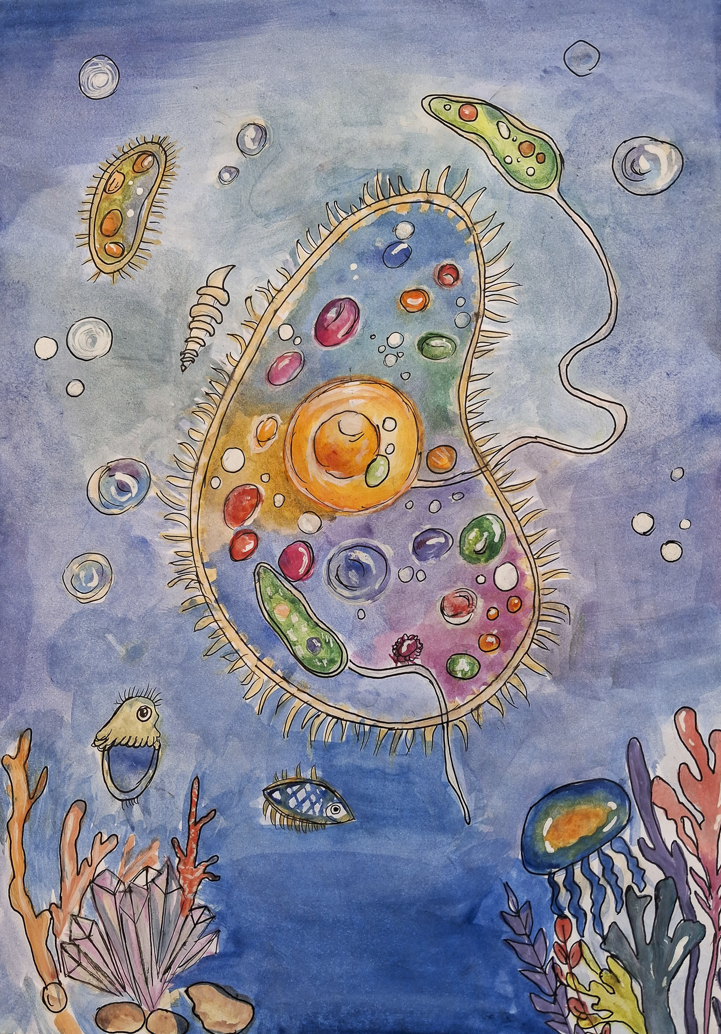
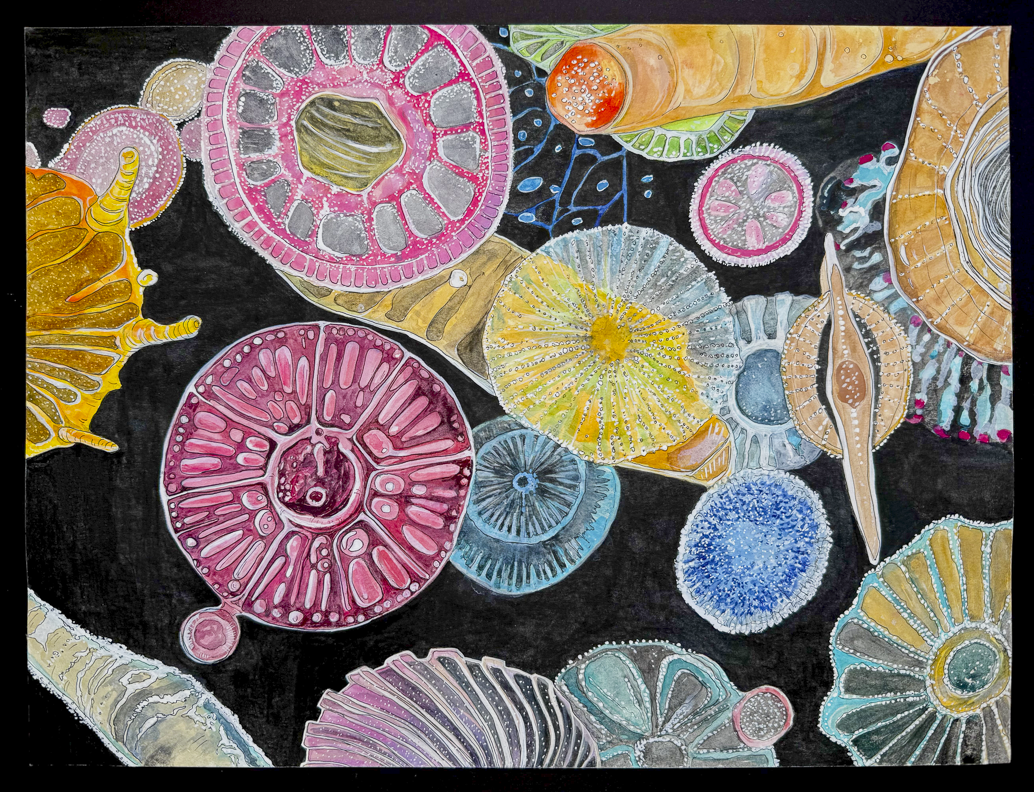
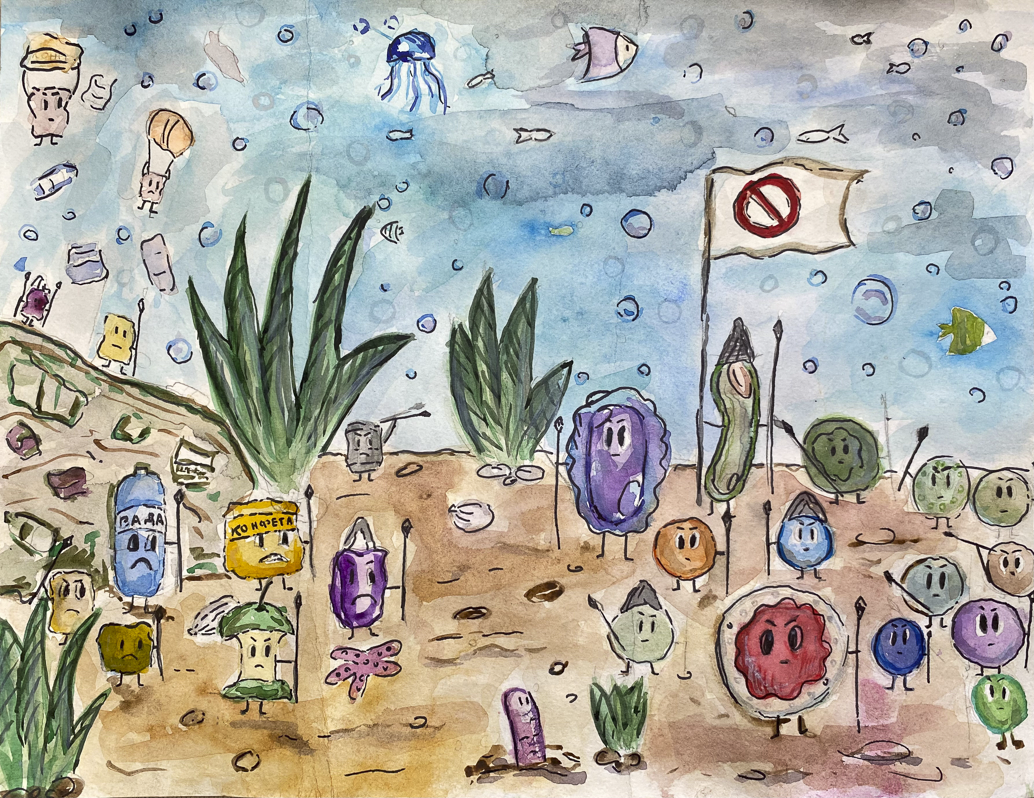
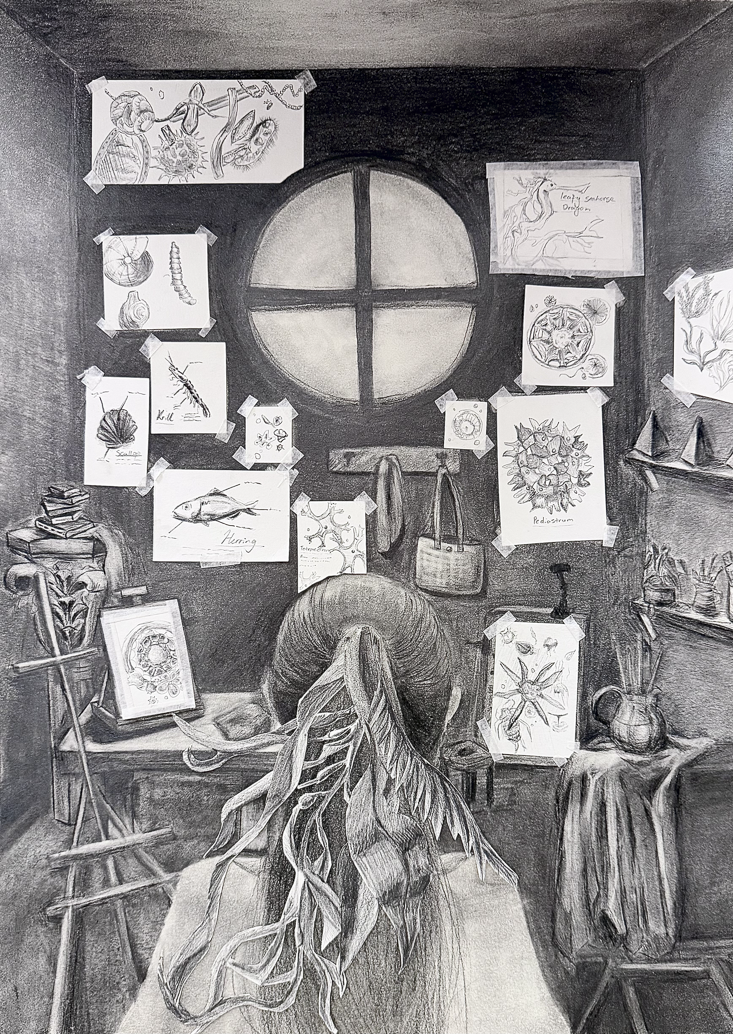
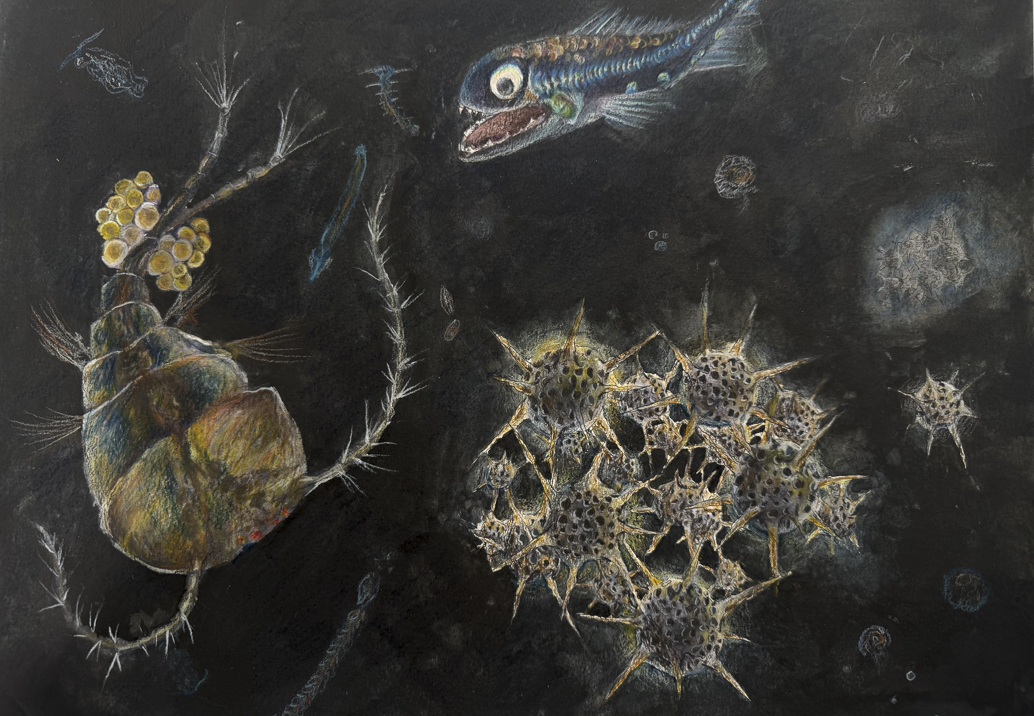
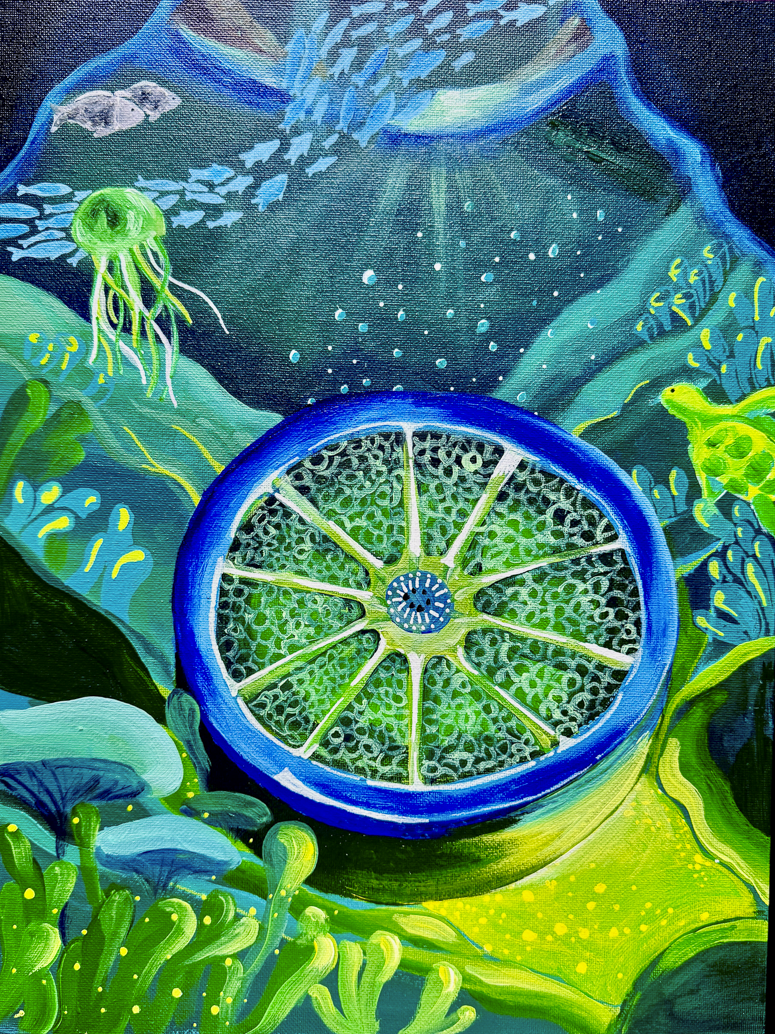
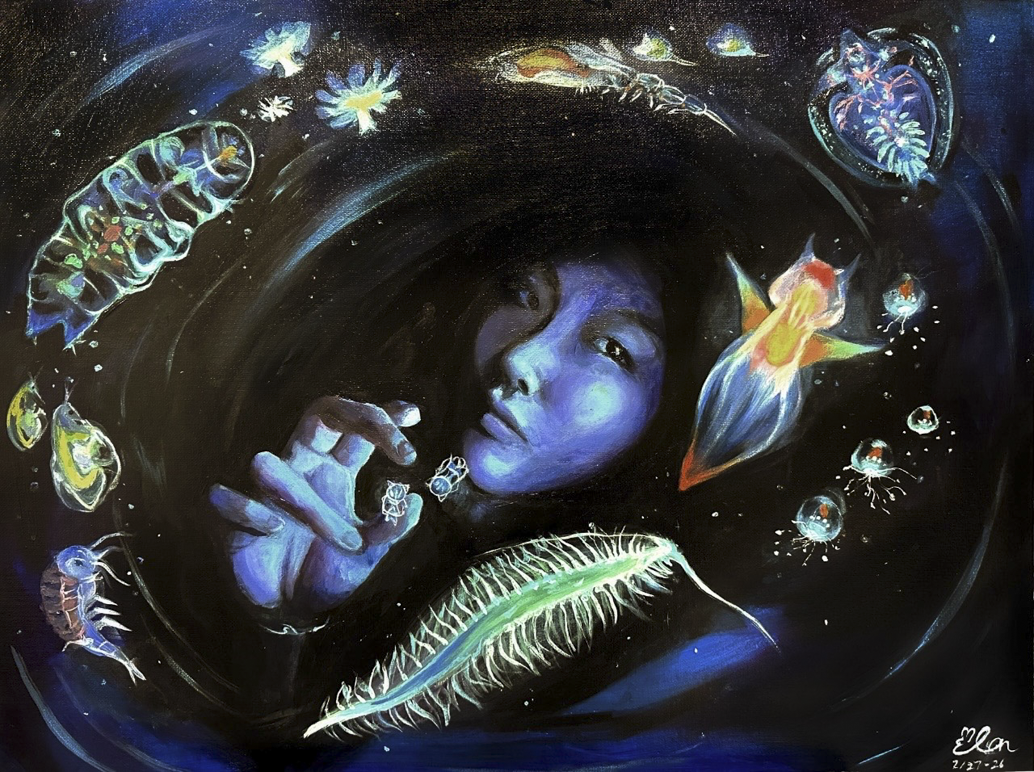
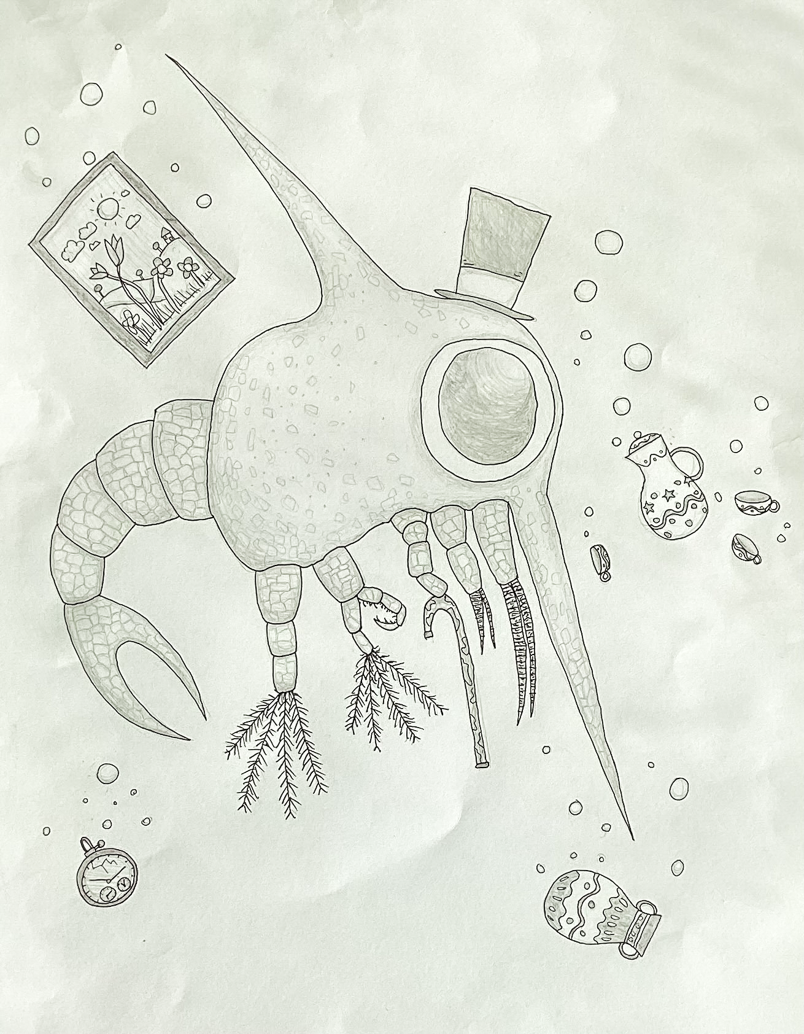
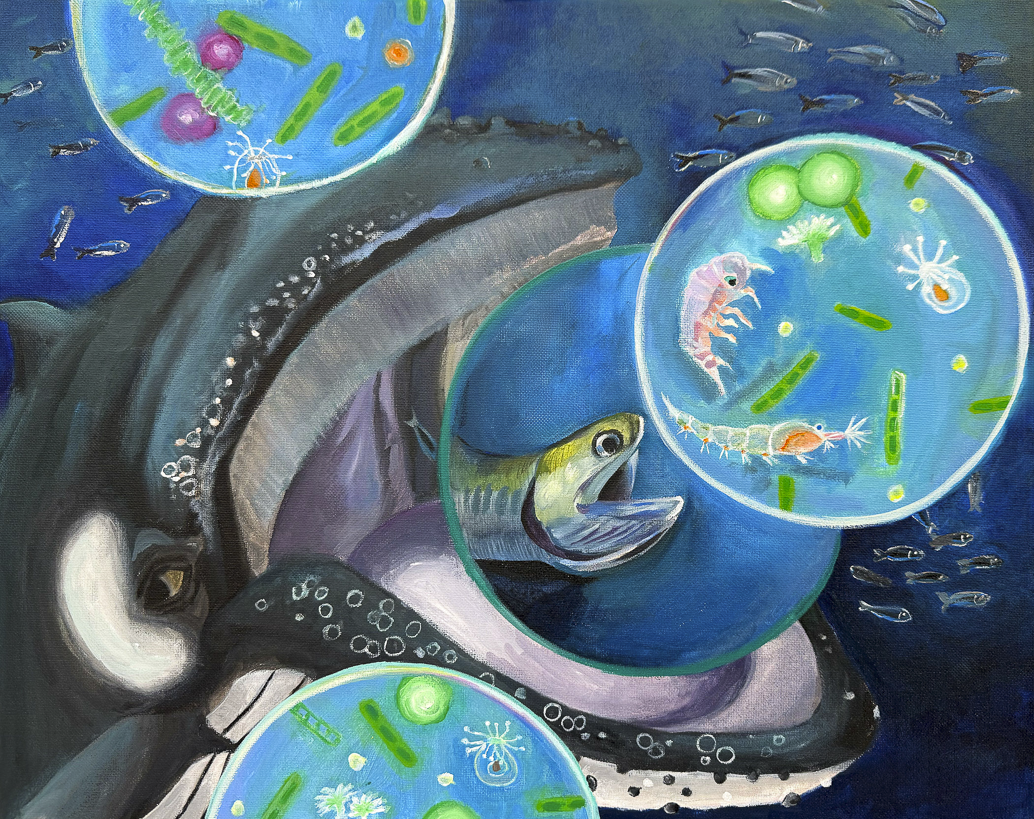
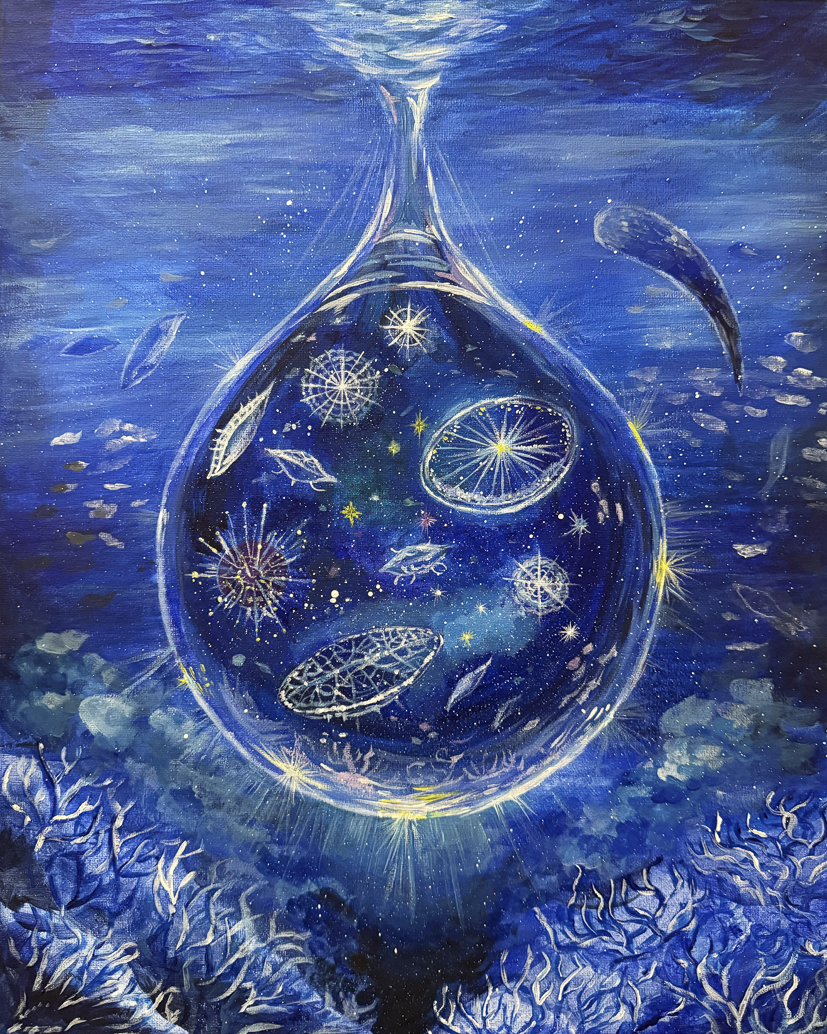
The 2026 Science Without Borders® Challenge once again highlighted the incredible creativity and scientific curiosity of students from around the world. This year’s theme, “Microscopic Marine Life,” invited young artists to explore the tiny organisms that form the foundation of ocean ecosystems.
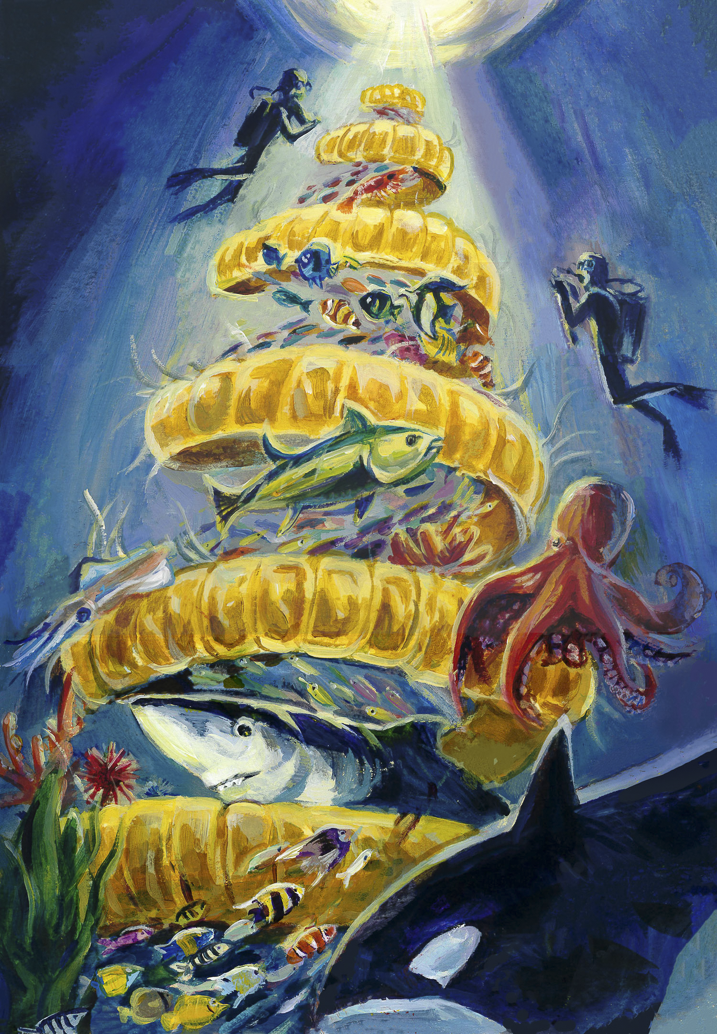
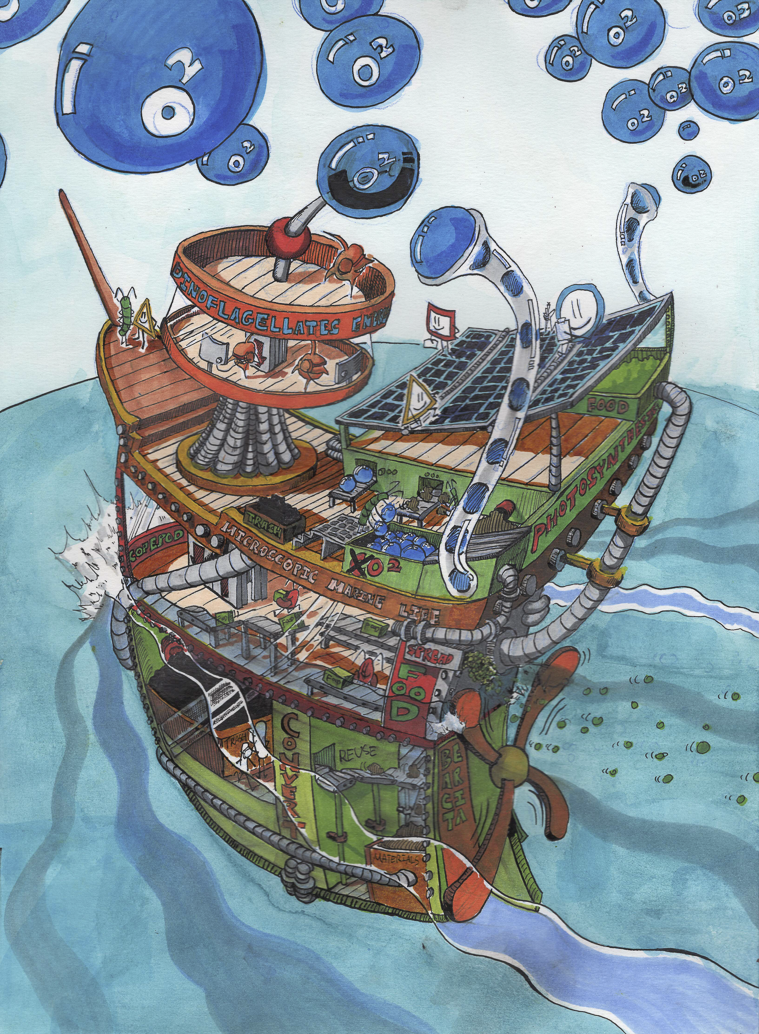
Although invisible to the naked eye, microscopic marine life plays an essential role in the health of our oceans. From producing oxygen and absorbing carbon dioxide to forming the base of marine food webs, these organisms support life throughout the ocean. Through their artwork, students illustrated how these microscopic organisms contribute to marine biodiversity and sustain countless marine species.
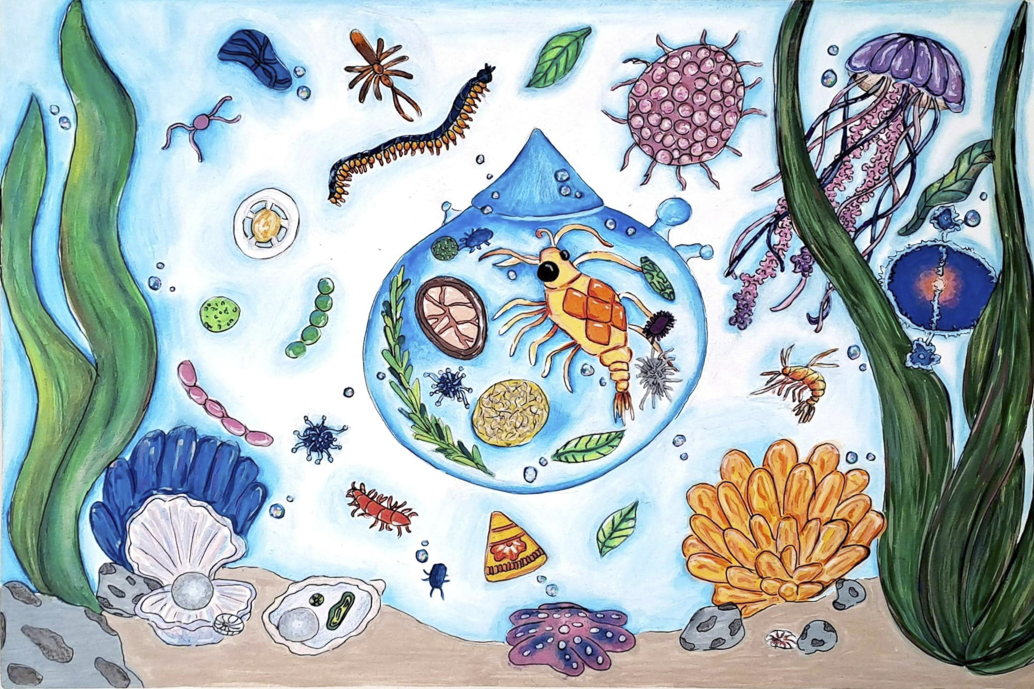
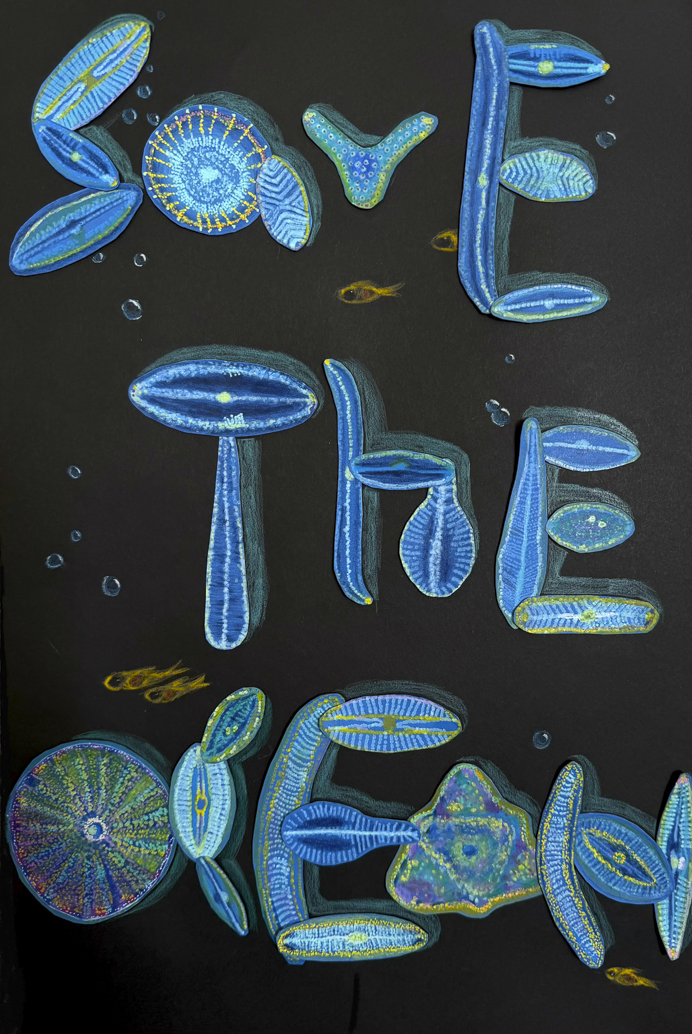
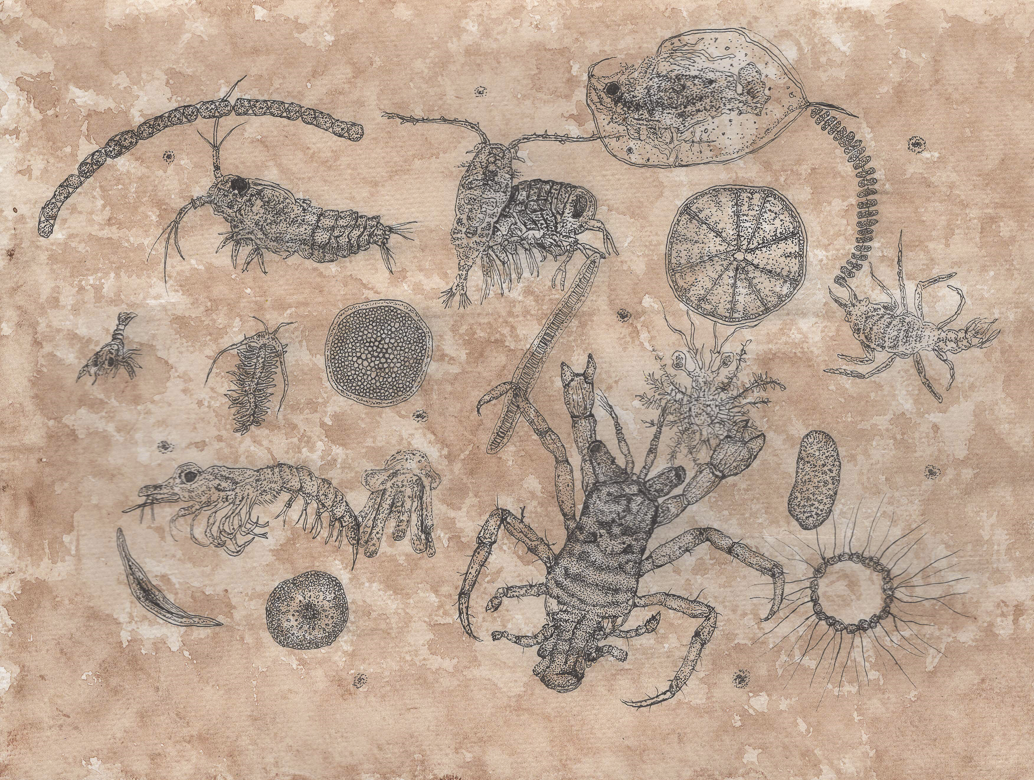
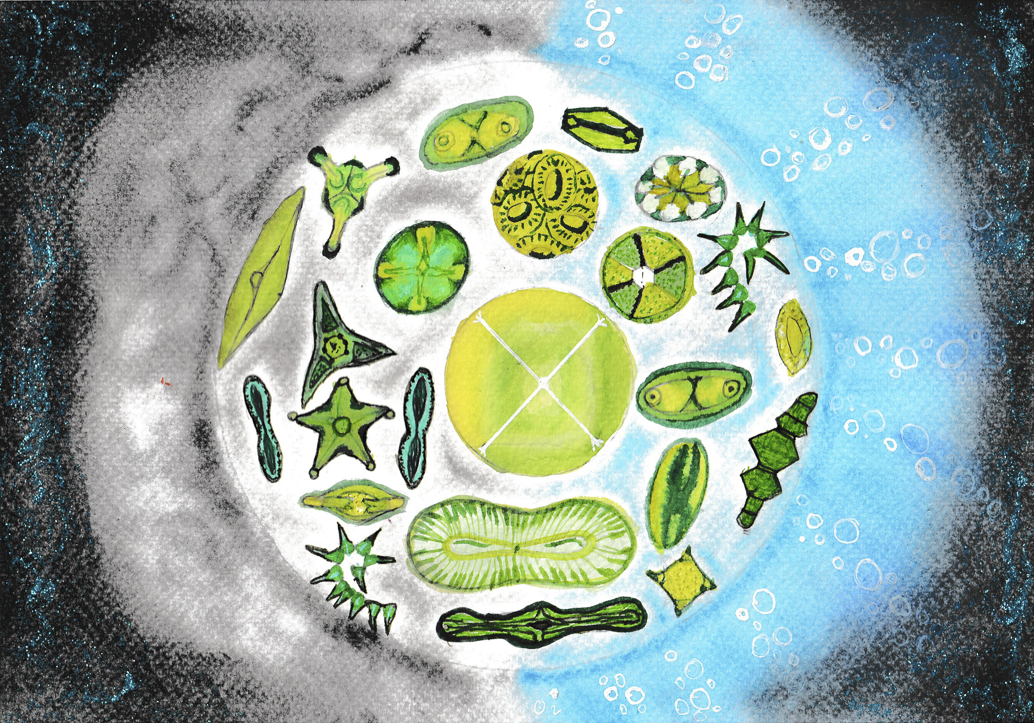
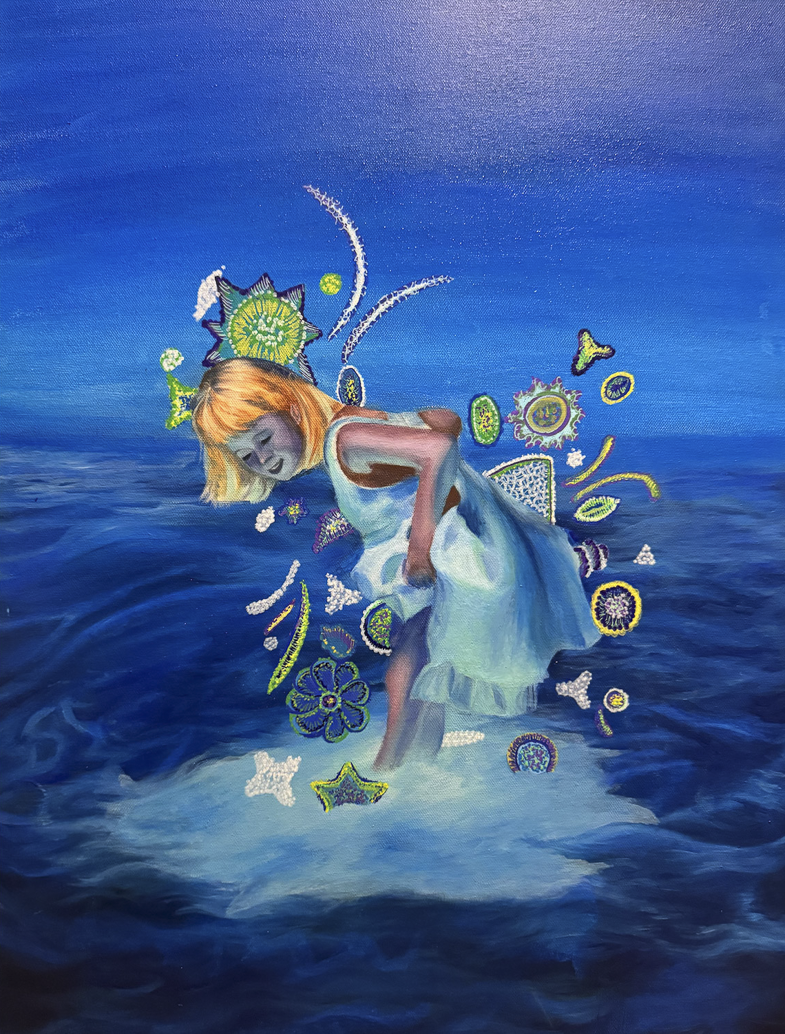
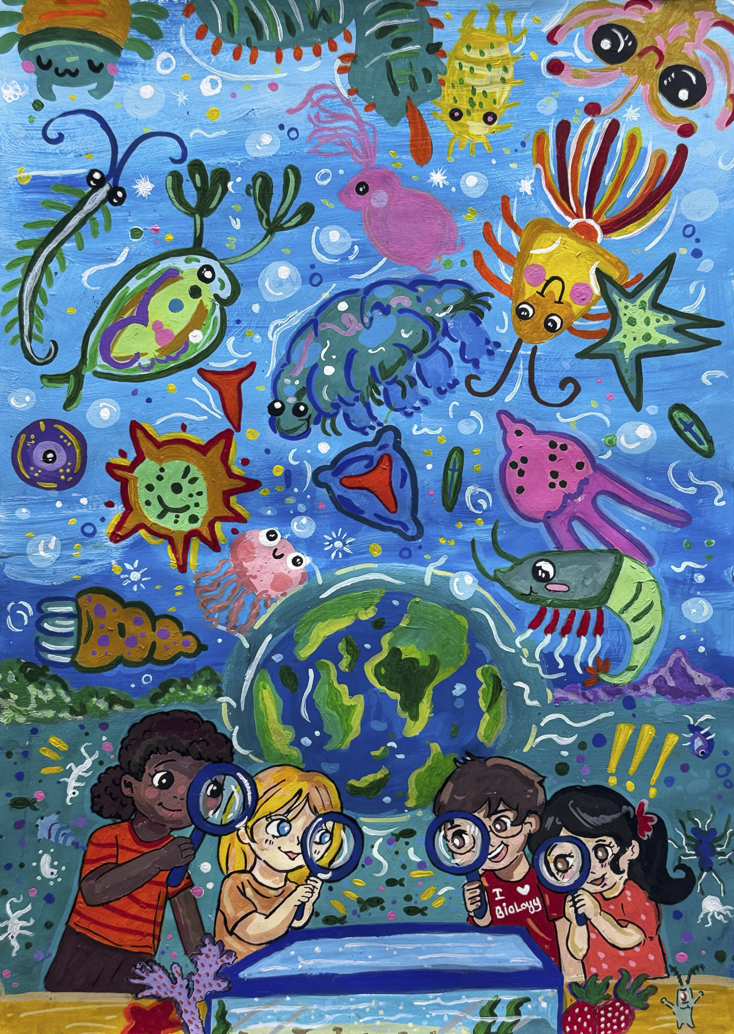
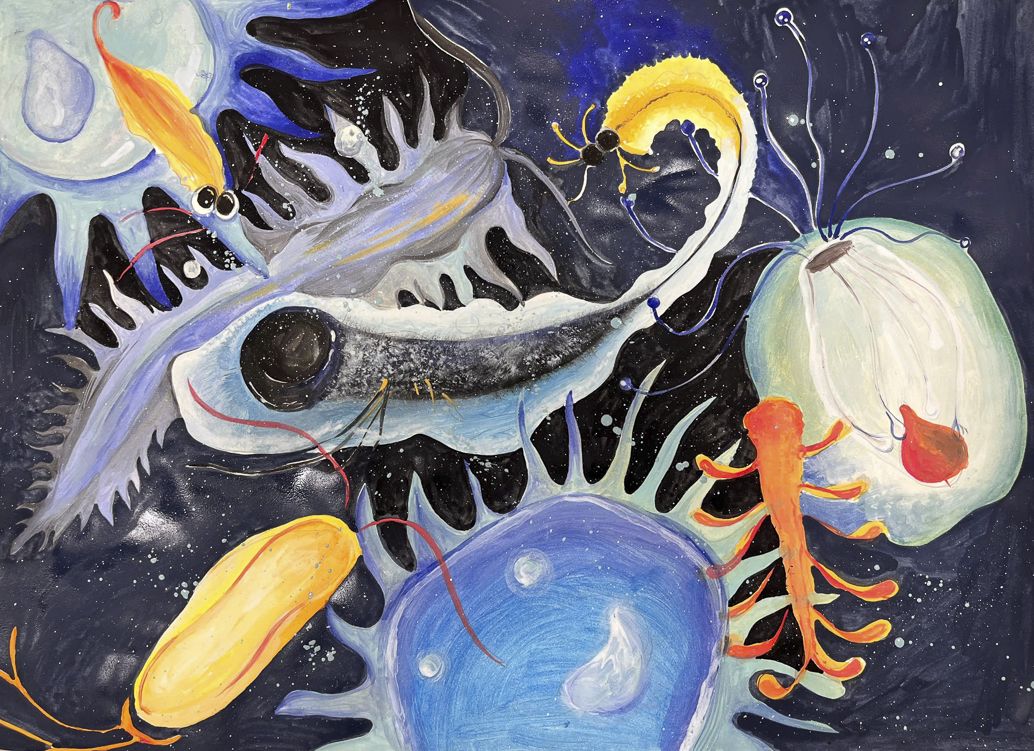
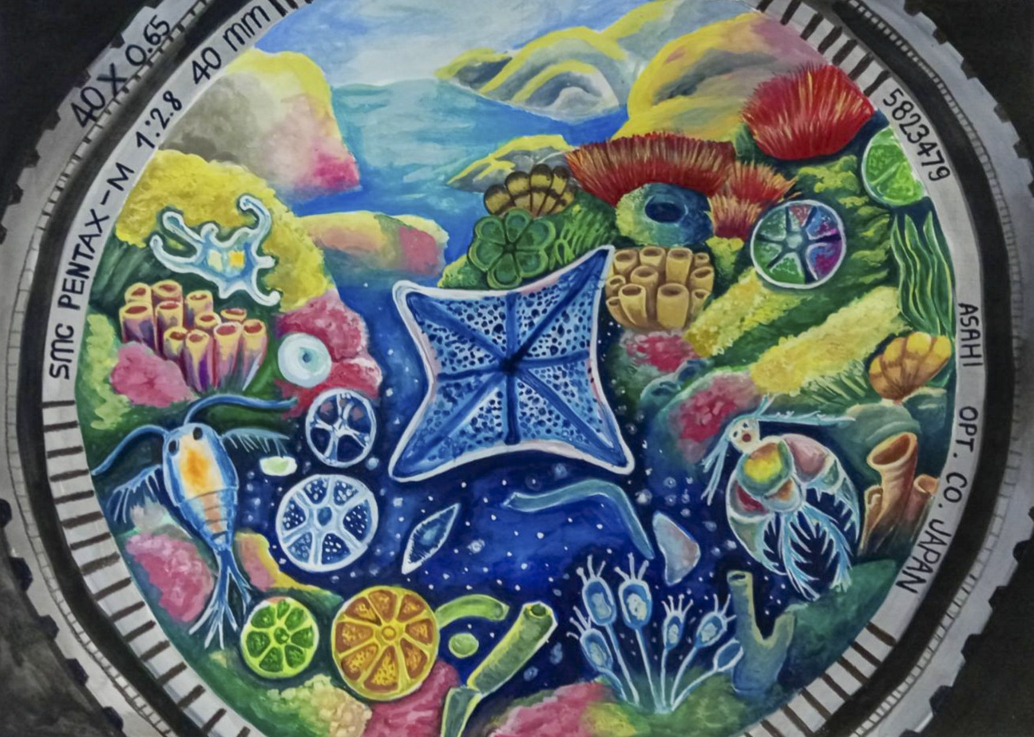
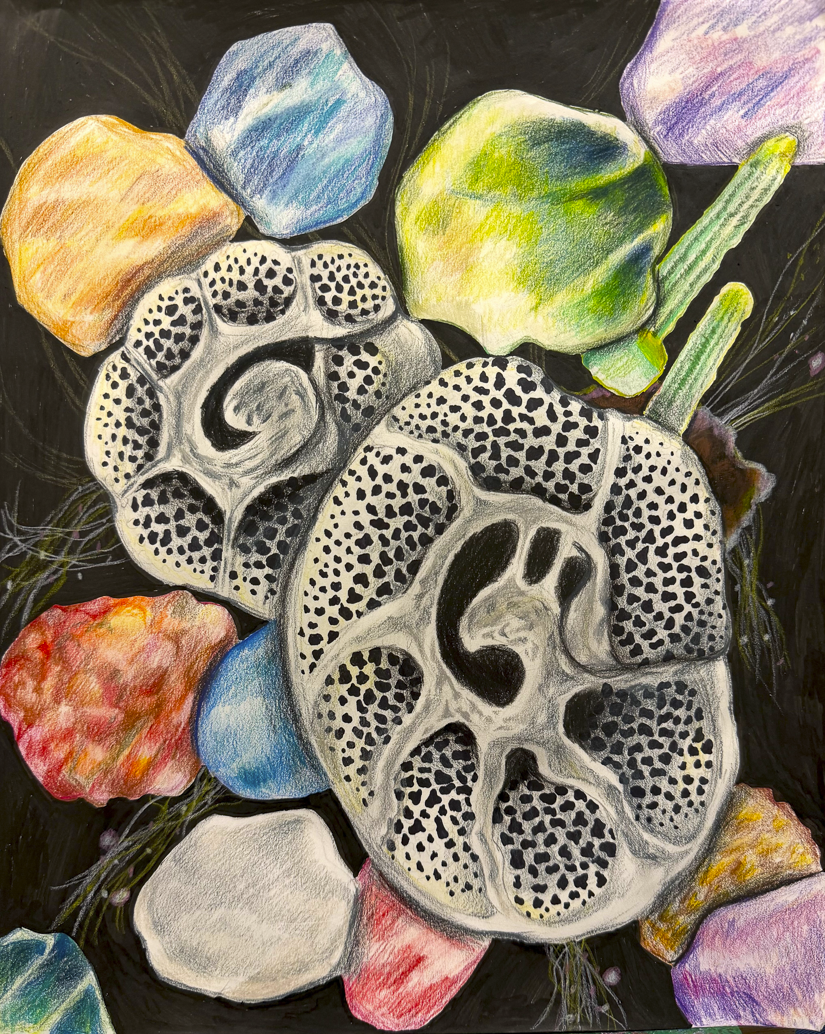
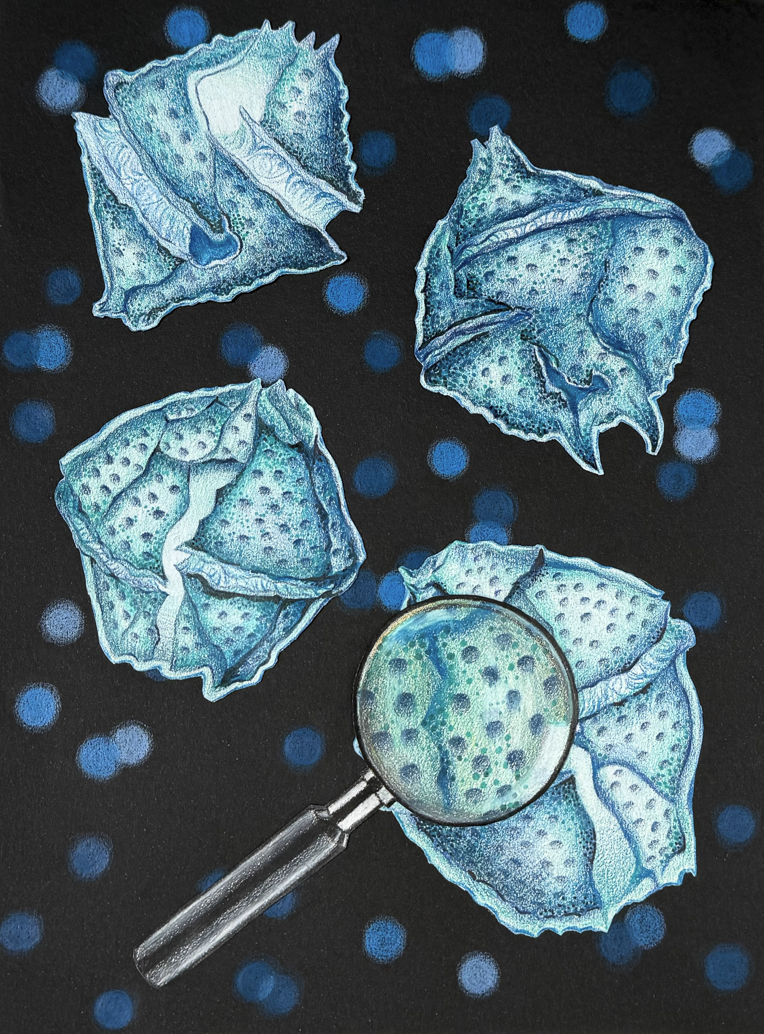
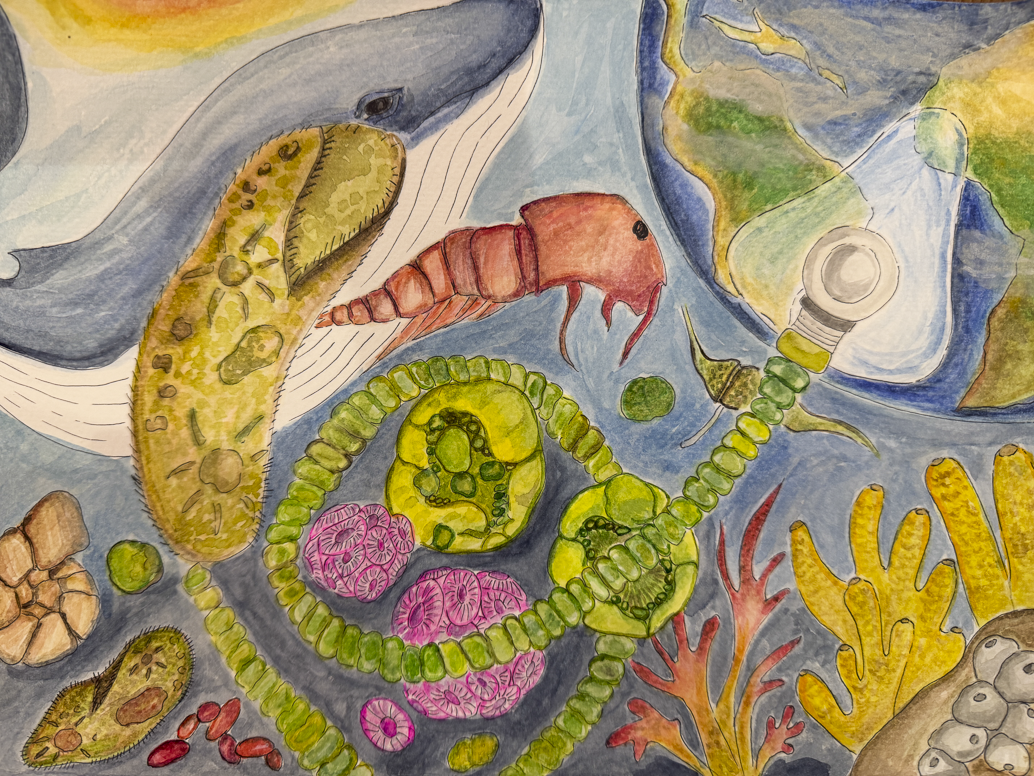
This year’s submissions featured a wide range of microscopic organisms. Many students focused on microscopic groups such as diatoms, dinoflagellates, cyanobacteria, coccolithophores, radiolarians, and foraminifera, highlighting their intricate shapes and vibrant structures. Others showcased zooplankton species such as copepods, Daphnia, and larval marine animals, emphasizing their role as an important link in the marine food chain.
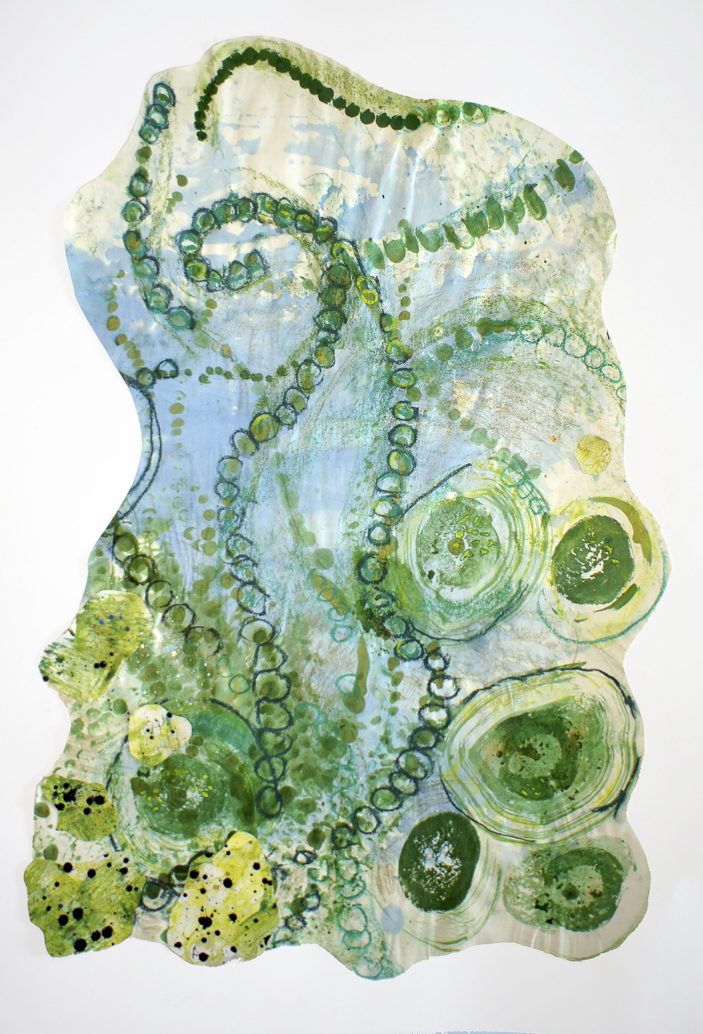
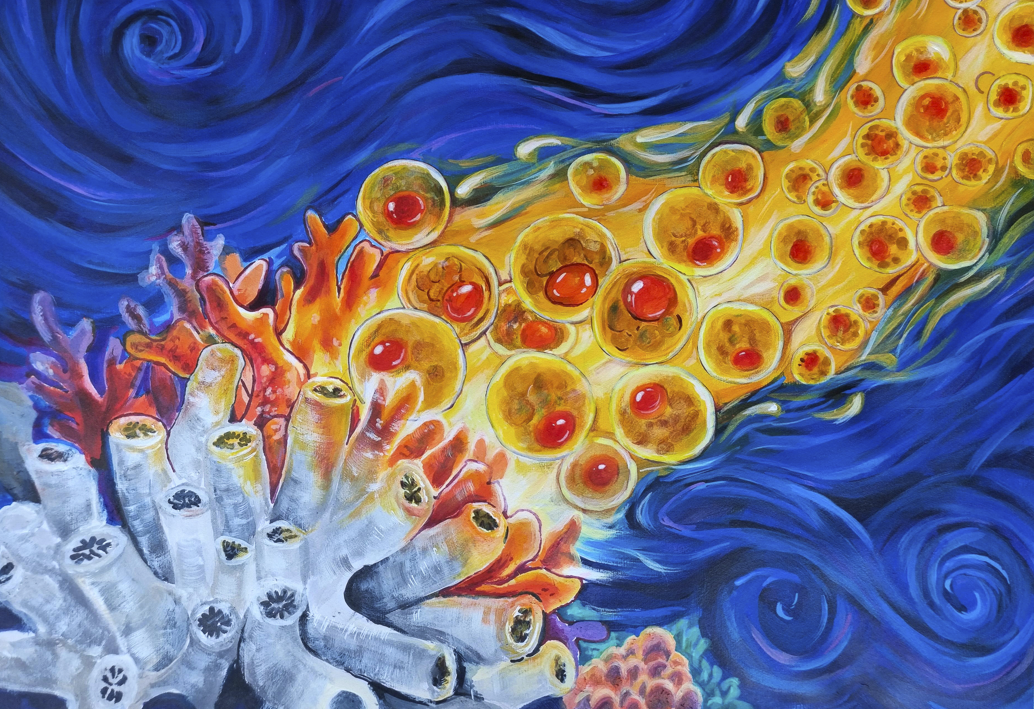
Some young artists took a broader view of the microscopic world, depicting entire plankton communities drifting through the ocean and interacting within complex food webs. Others zoomed in on individual organisms, illustrating the remarkable diversity of microscopic life—from foraminifera to resilient micro-animals such as tardigrades. Several artworks also explored how microorganisms form biofilms, microbial mats, and symbiotic relationships that support larger marine ecosystems, including coral reefs.
Through diverse artistic styles and creative techniques—including painting, mixed media, and even using vegetables as stamps—students transformed these tiny organisms into visually stunning works of art while also demonstrating a strong understanding of their ecological importance.
This year, we received almost 900 submissions from 65 countries, with 434 entries in the 11–14 year-old category. From this impressive group of young artists, our judges selected 31 semi-finalists representing 14 countries. Each semi-finalist not only demonstrated artistic excellence but also provided thoughtful explanations describing the microscopic organisms they chose and their role in ocean ecosystems.
We are honored to showcase their work and invite you to meet our 2026 Science Without Borders® Challenge Semi-finalists (ages 11–14).
2026 Science Without Borders® Challenge Semi-finalists (Ages 11–14)