search-icon

Author: Expedition Scientist

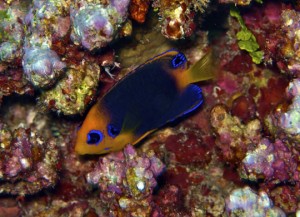
Finding Angels

Spotting new fish species that you’ve never seen before and can’t put a name to is one of the many exciting and fulfilling aspects of being a fish surveyor with The Living Oceans Foundation’s Global Reef Expedition.  This latest expedition
Read More »

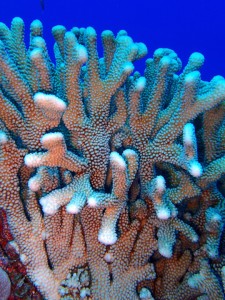
Cauliflower Coral

Cauliflower coral, in the genus Pocillopora, are among the most widely distributed and most abundant corals found on the fore reef. These branching corals are covered with small bumps (called verrucae), which contain corallites and help in the identification of

Read More »

Fish Communities at the Acteon Group

During our surveys in the Acteon group we saw very few fish.  There were few sharks or other large predators and even large herbivorous fish such as surgeonfishes and parrotfishes were noticeably low in number. The Acteon fish communities were

Read More »

The Reef through Different Lenses

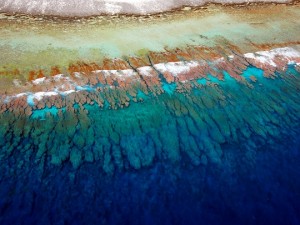
Mention coral reefs and most people think of sweeping landscapes of corals, sponges, and fish. While those do exist in Hao Atoll, researchers are also seeing the reef through different lenses. Satellite Imagery for Reef Habitats and Geomorphology of Coral

Read More »

Hao Atoll at Eye Level

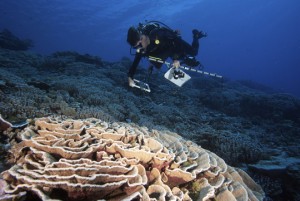
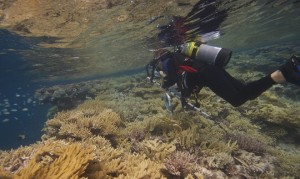
Research dives can be distilled down to lists of what is seen and what is not seen. Surveying the reef means figuring out what is there and what is missing. For the last few days, the science team has been

Read More »

Avian Life Above Water

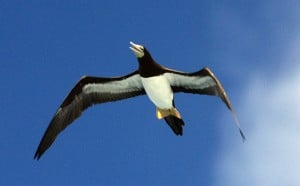
The Global Reef Expedition surveys aim to document what is happening on our coral reefs below water level, but on transit to our dive sites and in between dives, it is hard not to notice the abundant sea birds that

Read More »

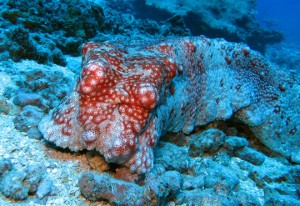
Thriving Alien and Declining Local Invertebrates

The French Polynesian scientists participating on the Society Islands mission took the opportunity to quantify the abundance of a number of French Polynesia invertebrates… species that have, or may have, a commercial and food subsistence role in the near future.

Read More »

Fluorescing with PAM

Most coral reefs thrive in shallow depth, where light can easily penetrate the water. Corals depend on the energy of sunlight, through the photosynthetic microscopic algae that reside within their tissue, to grow and survive. For the first time in

Read More »

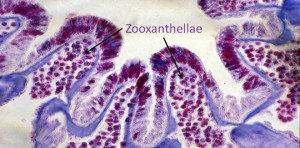
Living in Harmony, but Stress Can Kill

Coral reefs are often called the rainforests of the seas. Teeming with life, reefs harbor a broad range of organisms that rely on a complex network of ecological interactions and symbiosis (close and often long-term interaction between two or more

Read More »

Huahines’ Reefs: Home for the Small Ones

At first sight, Huahines’ reefs appeared to lack vertical relief; the bottom was barren and without much life. It was obvious to all of us that a disturbance had impacted these reefs sometime in the past.  Locals indicated it was

Read More »