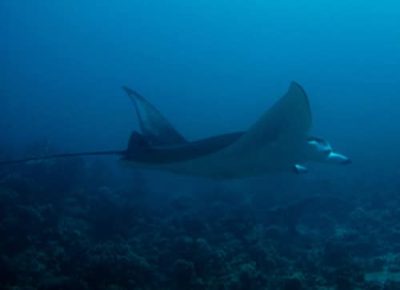
Sharks and Rays Today
Our fifth day of research was an epic day. Once again, we had blue skies, calm seas and clear water. One of the local experts warned us of strong winds and a change in conditions, but so far the seas


Our fifth day of research was an epic day. Once again, we had blue skies, calm seas and clear water. One of the local experts warned us of strong winds and a change in conditions, but so far the seas
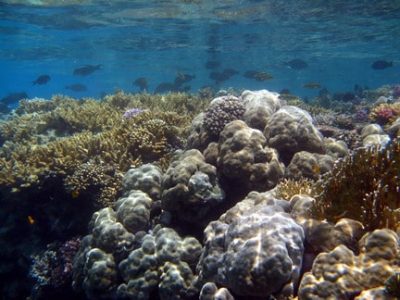
Our team continued reef assessments along middle shelf locations to better characterize the spatial extent of the disturbance. We first examined two locations along the unnamed submerged reef platform described yesterday, first at the northwestern tip, about 6.4 km west
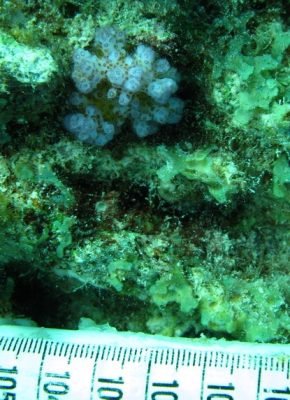
For our third dive of the day we surveyed a submerged mid shelf reef, adjacent and west of a deep water channel that bisects the Farasan Banks. As I descended to the bottom, something seemed amiss. Unlike the crystal clear,
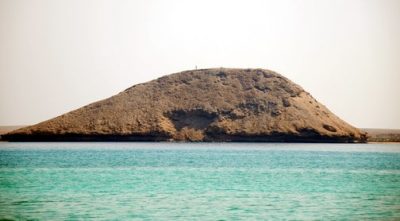
Today we continued exploring the reefs in the northern portion of the Farasan Banks and several team members surveyed the mountainous Abu Latt (Al Lith Island) Island. The islands sandy beaches are important hawksbill nesting grounds, with twelve tracks observed
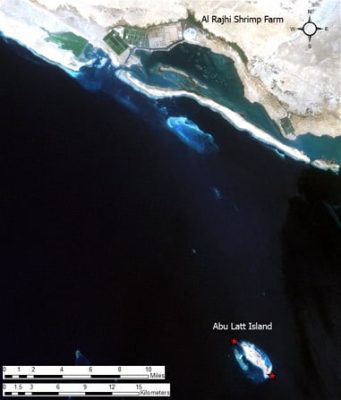
Saturday, April 4. Our research team boarded the Golden Shadow on Saturday morning, departing from Jeddah, Saudi Arabia around mid day for a 7 hour (120 mile) journey to the northern end of the Farasan Banks. We reached our first
Focus for today: Post-expedition data analysis. Target key stage: Key Stage 4: Double Award Applied Science; Developing Scientific Skills (Carrying our Practical Tasks, Recording and Post-expedition data analysis). Key information: During the 3 weeks of this expedition, a huge amount

Focus for today: Symbiosis on the reef. Target key stage: Key Stage 4: National Science Curriculum, Dual Award, Sc2, 5a: the distribution and relative abundance of organisms in habitats can be explained using ideas of interdependence, adaptation, competition and predation.
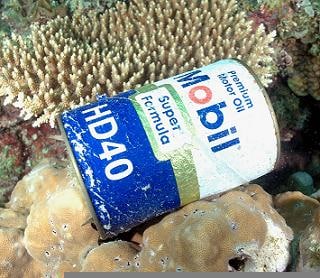
Focus for today: Marine Pollution. Target key stage: Key Stage 4: National Science Curriculum, Dual Award, Sc2, 5b; the impact of humans on the environment depends on social and economic factors, including population size, industrial processes and levels of consumption
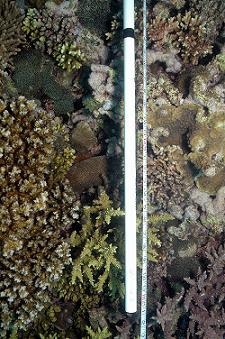
Focus for today: Photo transects: A picture is worth a thousand data points! Target Key Stage: Key Stage 4 – Double Award Applied Science: Unit 1, Developing Scientific Skills, Carrying out practical tasks (recording and analysing scientific data) / Unit
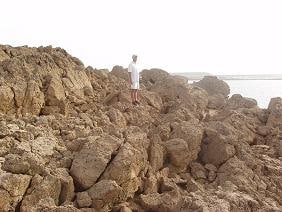
Focus for today: Farasan Earthquakes (Earthquakes in the Farasan region.) Target key stage: Key Stage 4: National Science Curriculum, Dual Award, Sc2, 4a: variation arises from genetic causes, environmental causes and a combination of both. Key information: The Farasan Islands