This year’s Science Without Borders® Challenge invites students from around the world to explore the topic of marine keystone species. Designed to inspire creativity and deepen understanding of ocean conservation, this international art competition challenges students to depict marine keystone species and their crucial roles in maintaining healthy ocean ecosystems. Today, we’ll explore what marine keystone species are, how they impact their environments, and why they are essential for the health of our oceans. We hope this inspires students to dive into their art and submit their entries to this year’s Challenge.
What Are Marine Keystone Species?
Marine keystone species are organisms that have a disproportionately large impact on their ecosystems relative to their abundance. Like the keystone in an arch that holds the structure together, these species play critical roles in maintaining the balance and functionality of their environments. If a keystone species is removed, the ecosystem can experience dramatic changes, often leading to the collapse of biodiversity and the loss of essential ecosystem services.
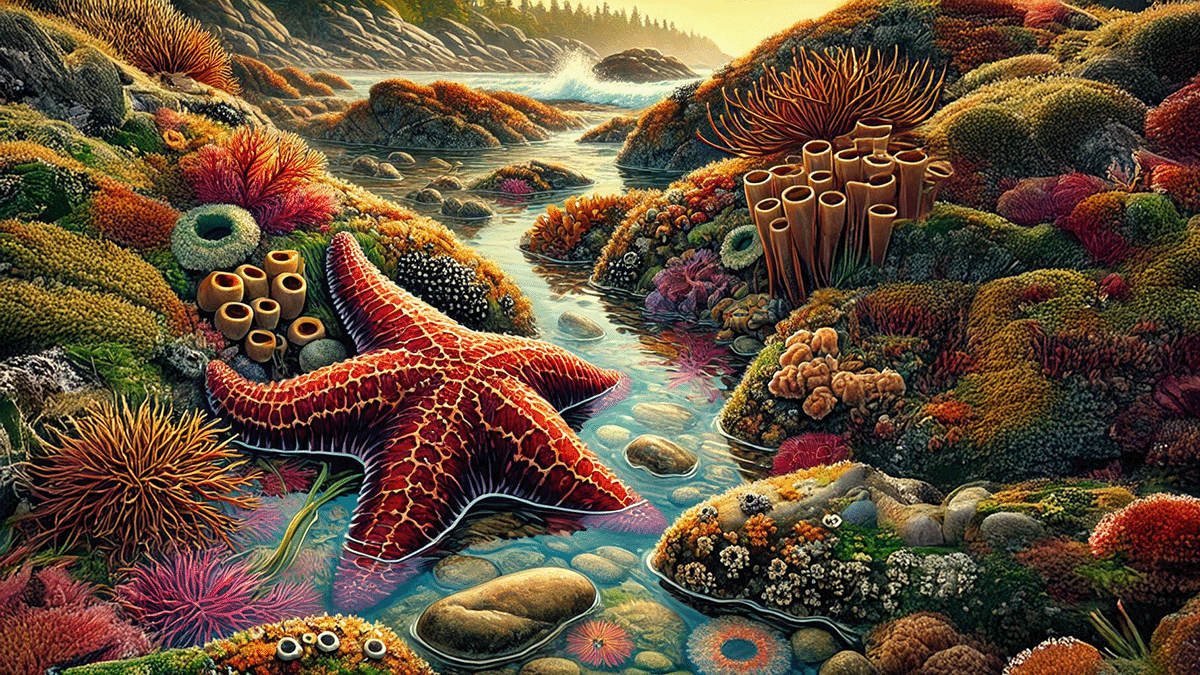
One notable example of a keystone species is the starfish in rocky intertidal habitats along the west coast of the United States. The ochre sea star (Pisaster ochraceus), for instance, preys on mussels, which are abundant in these environments. By controlling mussel populations, starfish prevent mussels from overcrowding the rocky surfaces, allowing a diverse range of other species, such as barnacles, limpets, and algae, to thrive. Without starfish, mussels would dominate the space, outcompeting other organisms and reducing the overall biodiversity of the ecosystem.
The removal of a keystone species can have catastrophic consequences. In some cases, the loss of these species can lead to a phenomenon known as a trophic cascade, where the effects ripple through the food web, altering the abundance and behavior of many other species. These disruptions can reduce biodiversity, destabilize ecosystems, and even cause the collapse of entire habitats. The loss of a keystone species often results in the loss of critical ecosystem services, such as nutrient cycling, habitat provision, and coastal protection, which are vital to the health of our oceans and the well-being of human communities that depend on them.
How Keystone Species Impact Their Ecosystems
The presence of keystone species can influence an entire ecosystem—from the species that live there to the physical environment itself. Here are a few ways marine keystone species make their mark:
- Maintaining Biodiversity: Keystone species often regulate populations of other organisms, preventing any one species from dominating the ecosystem. For example, sharks, as apex predators, control the populations of fish and other marine creatures, ensuring a balanced food web.
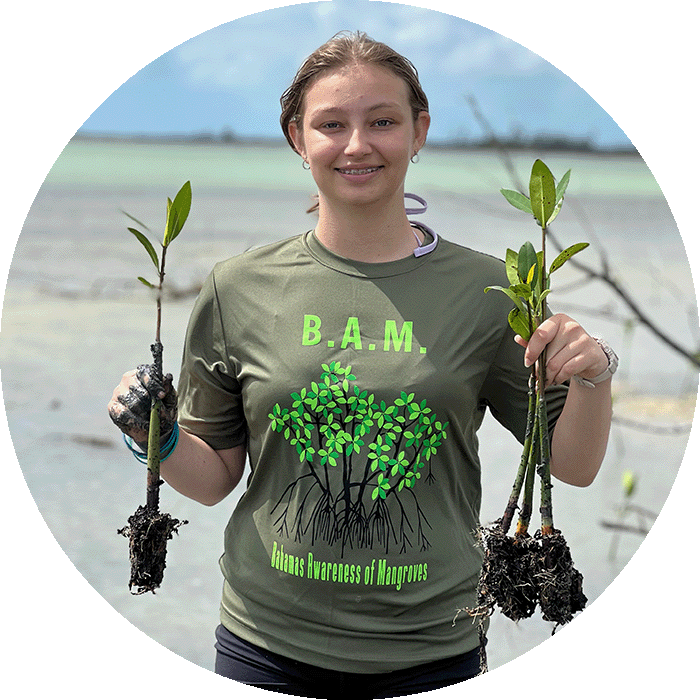
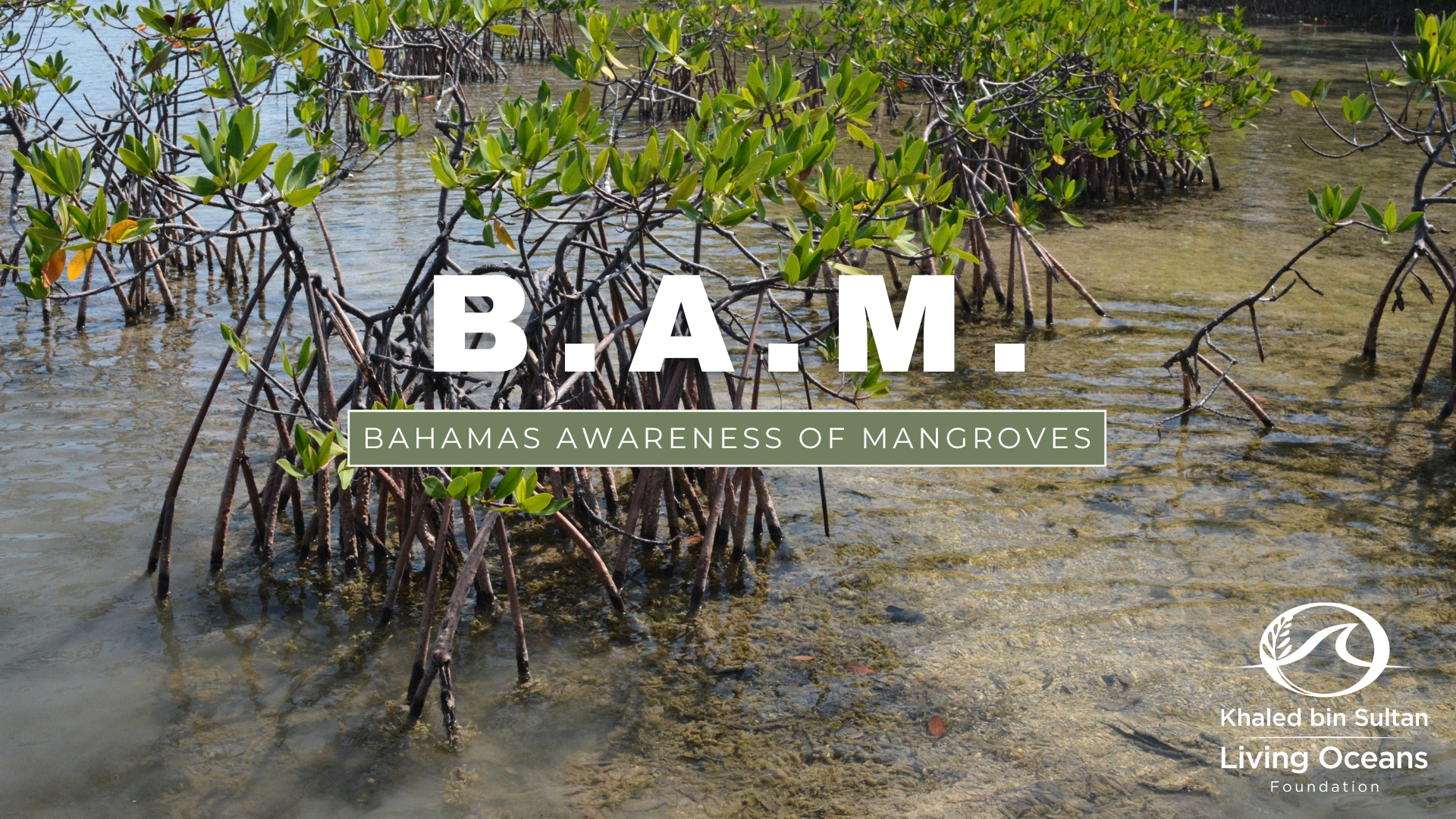
- Shaping Physical Environments: Some keystone species physically alter their habitats in ways that benefit other organisms. Coral, for instance, builds structures that protect coastlines from erosion and provide habitats for thousands of marine species. Similarly, mangroves stabilize coastal sediments and create nurseries for fish and crustaceans.
- Supporting Nutrient Cycles: Keystone species can play a role in nutrient cycling, helping to maintain the health of their ecosystems. For example, sea turtles contribute to seagrass health by grazing on it, which prevents overgrowth and promotes nutrient cycling, benefiting the entire ecosystem.
Why Keystone Species Matter for Healthy Oceans
Healthy oceans are vital for life on Earth, providing food, oxygen, and climate regulation. Keystone species are essential to maintaining this health because they:
- Promote Ecosystem Resilience: By keeping ecosystems in balance, keystone species help them withstand and recover from environmental changes or human impacts, such as pollution or climate change.
- Enhance Biodiversity: Ecosystems with keystone species often support a greater variety of life, which in turn makes these systems more stable and productive.
- Provide Economic and Cultural Benefits: Many keystone species contribute to industries like fishing and tourism, while also holding cultural significance for communities around the world.
Marine keystone species are the unsung heroes of our oceans, playing vital roles in maintaining the health and balance of marine ecosystems. By learning about and illustrating these incredible organisms, students can contribute to raising awareness about their importance and inspire others to protect our oceans. We hope this inspires you to explore the fascinating world of marine keystone species and encourages students to apply to the 2025 Science Without Borders® Challenge. Let your creativity shine and help us celebrate the wonders of our living oceans!
How to Apply to the Science Without Borders® Challenge
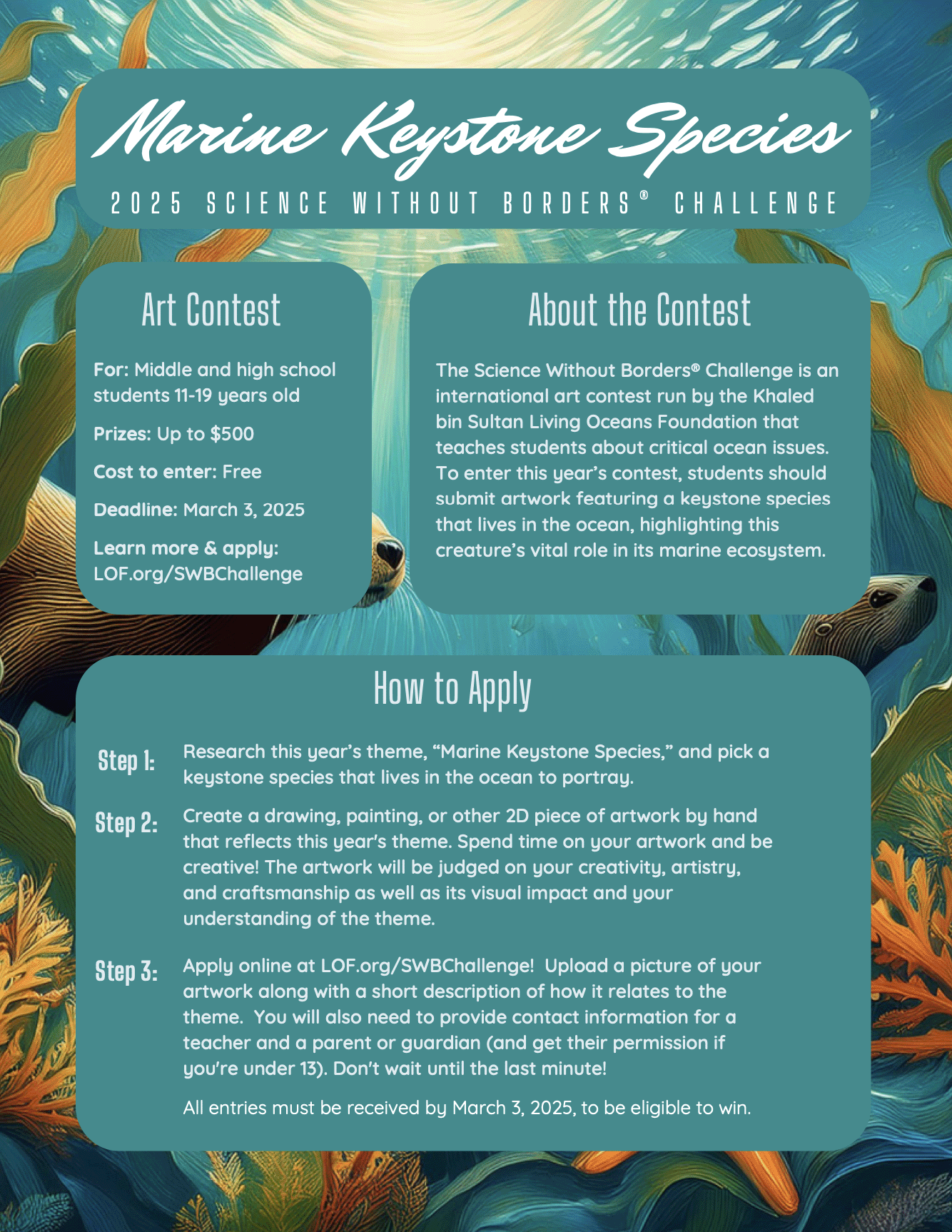
The Science Without Borders® Challenge is open to primary and secondary students aged 11-19 from around the world. To participate, students must create a piece of original, hand-made artwork that aligns with this year’s theme: “Marine Keystone Species.” Submissions should include an artist’s statement explaining how the artwork relates to the theme and the role of the chosen species in its ecosystem.
The deadline to submit entries is March 3, 2025. Prizes include scholarships of up to $500 for the top entries, and all eligible participants will receive a certificate of recognition after the winners are announced. Detailed contest rules and tips for success can be found at www.lof.org/SWBChallenge.