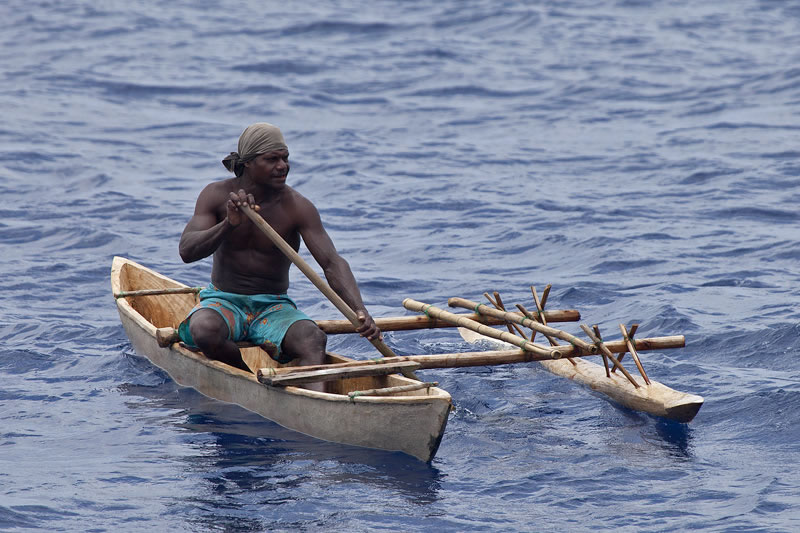
On Indigenous Peoples’ Day, we recognize the invaluable contributions that Indigenous communities have made to marine conservation worldwide. Nowhere is this more evident than in the Pacific Islands, where for millennia, communities have practiced sustainable marine management through traditional systems such as kapu in Polynesia, tabu in Fiji, bul in Micronesia, and ra’ui in the Cook Islands. These ancient practices reflect a deep understanding of the environment and a commitment to protecting marine resources for future generations.
Polynesia’s Kapu: Protecting Marine Life through Sacred Laws
In ancient Polynesia, the kapu system governed all aspects of life, including the management of natural resources. This system of sacred laws restricted access to certain areas or species during key periods to ensure the recovery of marine ecosystems. By prohibiting activities like fishing in specific zones or seasons, kapu safeguarded the health of the ocean and ensured a sustainable supply of resources for the community. Today, many Marine Protected Areas (MPAs) are modeled after these traditional practices, blending ancient wisdom with modern conservation techniques.
Fiji’s Tabu: Reviving Traditional Conservation Practices
In Fiji, the tabu system continues to play a vital role in marine conservation. Tabu areas are no-fishing zones where marine life is given the opportunity to regenerate. These closures are often initiated by community leaders to preserve fish stocks and coral reefs. While Fiji faces increasing pressure on its coastal resources due to overfishing, population growth, and market demand, communities are reviving tabu practices as part of locally managed marine areas (LMMAs).
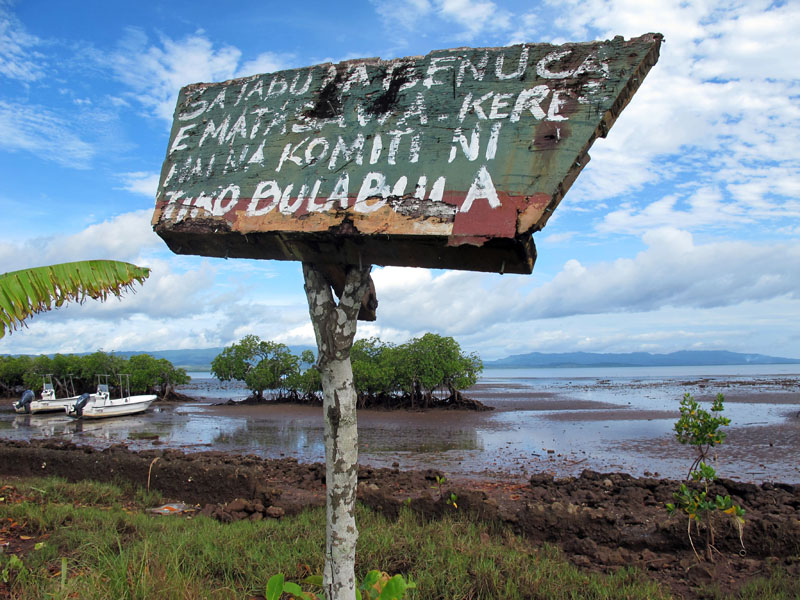
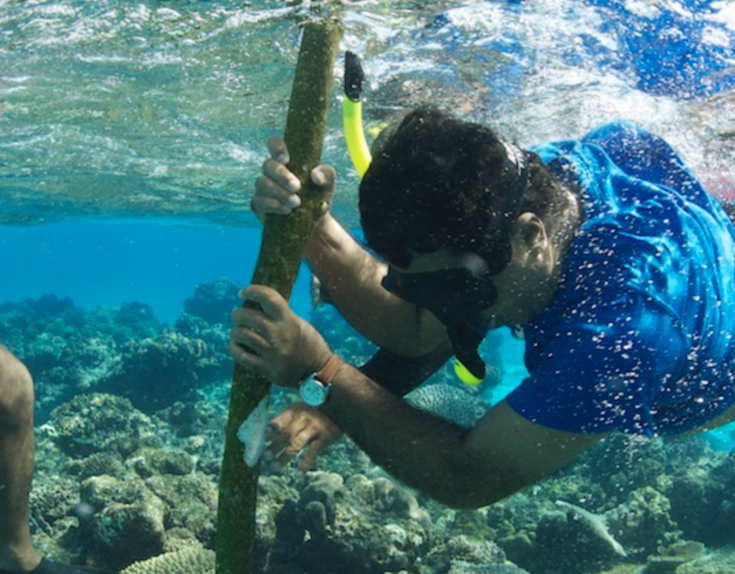
The Khaled bin Sultan Living Oceans Foundation has witnessed the success of these efforts firsthand in our work in the Lau Province of Fiji, gathering data on reef health to support the establishment of new LMMAs. Now, we are working with partners in the Beqa Lagoon to help local communities manage their local marine resources and establish LMMAs through our UN Ocean Decade project, Science Without Borders® Conserving the Tropics.
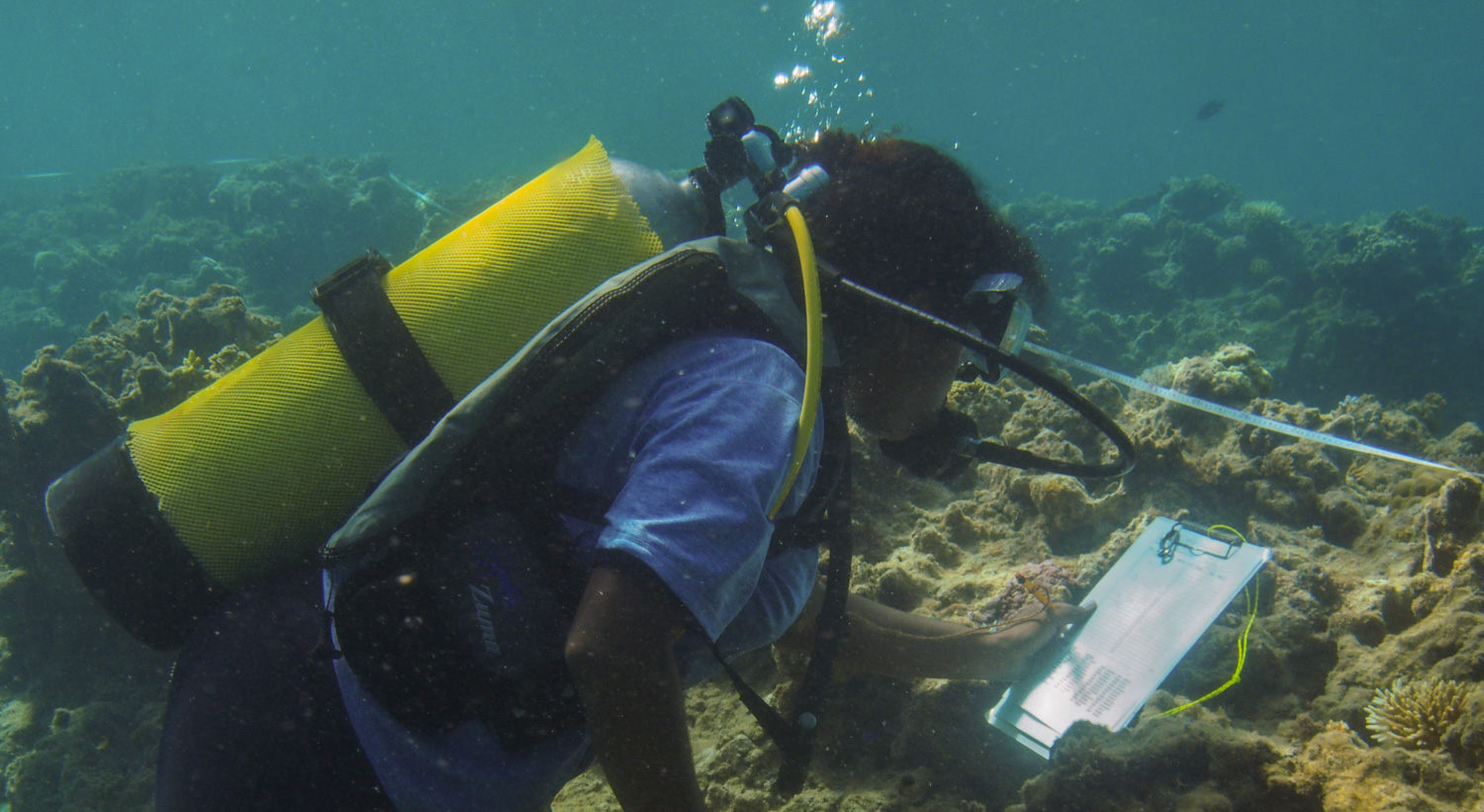
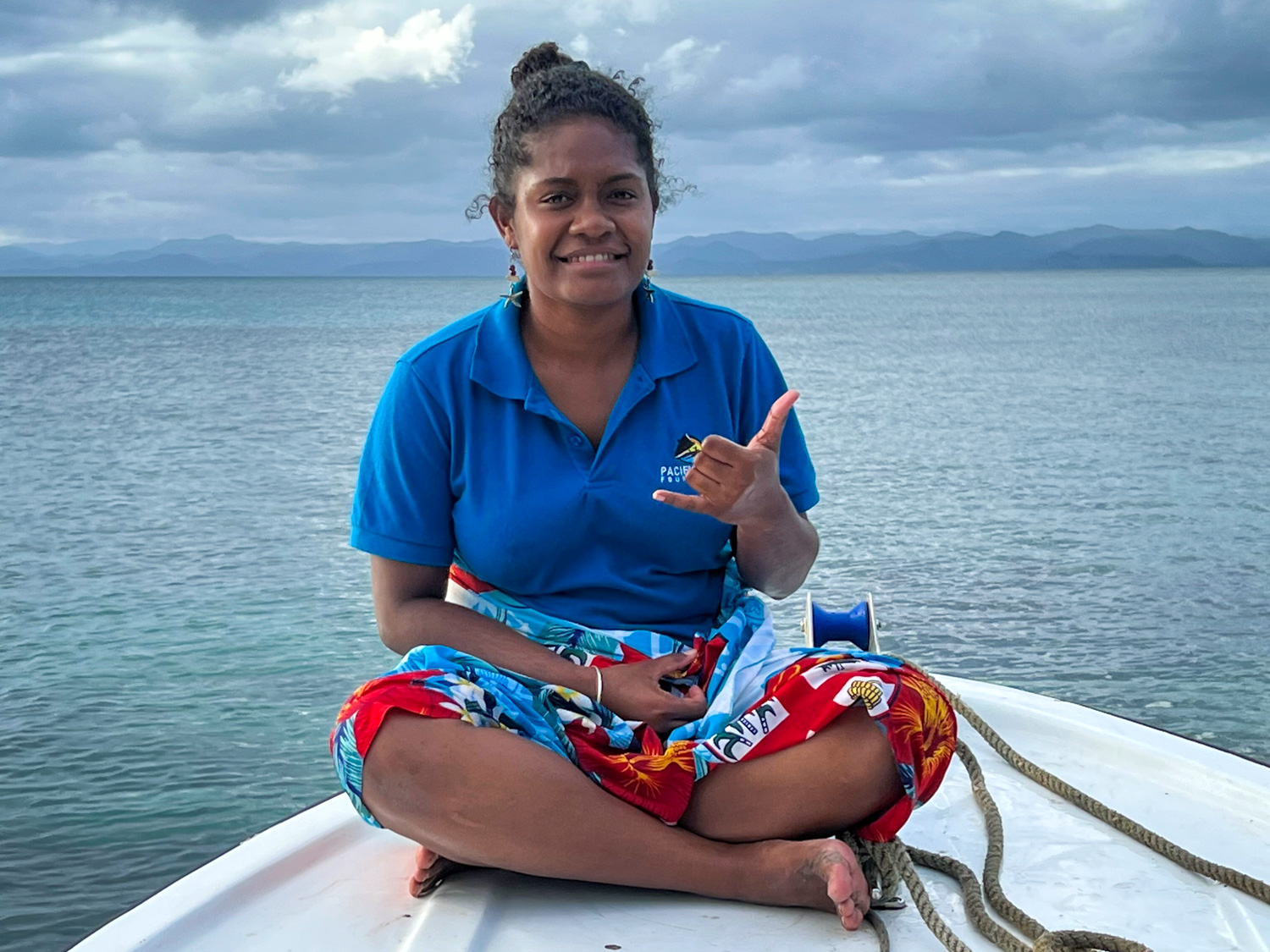
In Fiji’s Beqa Lagoon, traditional marine management practices such as tabu have been instrumental in preserving coral reefs and marine life. For the past few years, the Khaled bin Sultan Living Oceans Foundation has been working with the Pacific Blue Foundation to implement a pilot monitoring study in Beqa Lagoon. Using CoralNet, a cloud-based tool that leverages machine learning, local divers capture coral reef imagery to streamline data collection and analysis. This project aims to empower communities with the skills needed to develop adaptive management plans for their tabu areas, helping them effectively protect and manage their local marine resources.
Micronesia’s Bul: A Council-Led Approach to Marine Stewardship
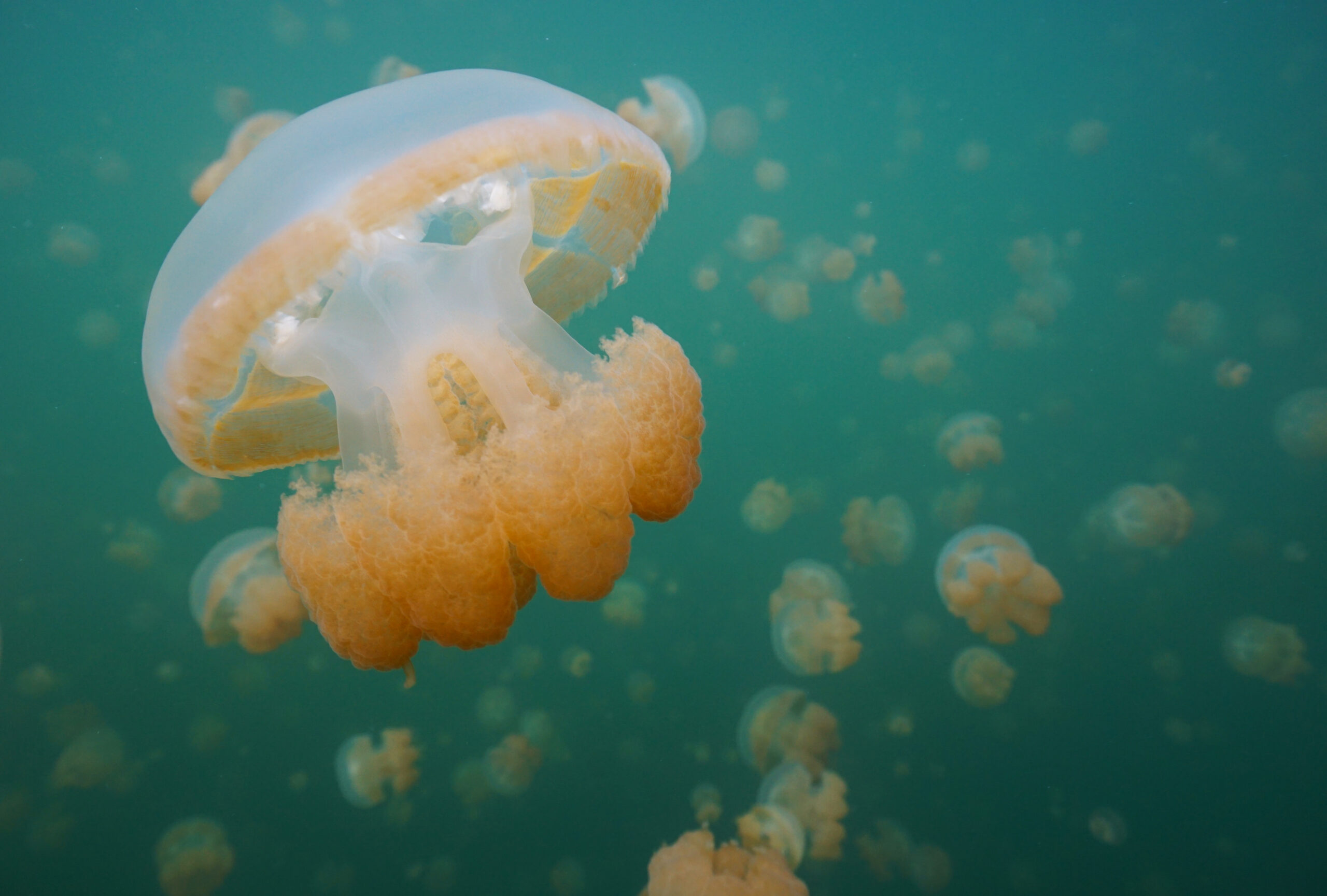
In Palau, the practice of bul demonstrates how traditional leadership can play a key role in marine conservation. The bul is a temporary moratorium on the harvest of certain resources, imposed by the Council of Chiefs when they observe signs of stress in the ecosystem. This traditional practice is often enacted during sensitive periods, such as fish spawning seasons, to allow marine species to replenish and ecosystems to recover.
The bul system reflects a holistic approach to marine management that considers the interconnections between species and ecosystems. For example, the Koror House of Traditional Leaders once imposed a bul on Jellyfish Lake after observing a decline in the jellyfish population. The bul was lifted only after scientific studies confirmed the recovery of the ecosystem, demonstrating how traditional knowledge and modern science can work hand in hand to protect vulnerable marine environments.
The Cook Islands’ Ra’ui: Integrating Tradition with Modern Conservation
In the Cook Islands, the ra’ui system has been a cornerstone of marine resource management for centuries. Ra’ui is similar to kapu and tabu, with temporary restrictions placed on fishing or harvesting in designated areas to allow for the replenishment of marine life. These closures are enforced by local leaders, and they reflect a deep respect for the ocean and its resources.
Today, the Cook Islands have integrated ra’ui into national conservation strategies, combining traditional practices with modern science to manage Marine Protected Areas. The revival of ra’ui is a testament to the enduring value of Indigenous knowledge in addressing contemporary conservation challenges.
Co-Designing Solutions for the Future
Across the Pacific Islands, Indigenous communities are leading the way in marine conservation, blending their ancestral knowledge with modern scientific approaches. The Khaled bin Sultan Living Oceans Foundation is committed to working with these communities to co-design conservation solutions that honor their traditions while addressing the challenges of the modern world.
As we celebrate Indigenous Peoples’ Day, we recognize that these traditional systems—kapu, tabu, bul, and ra’ui—offer valuable lessons for the future of marine conservation. By respecting Indigenous knowledge and working alongside local communities, we can build a more sustainable and equitable future for our oceans.