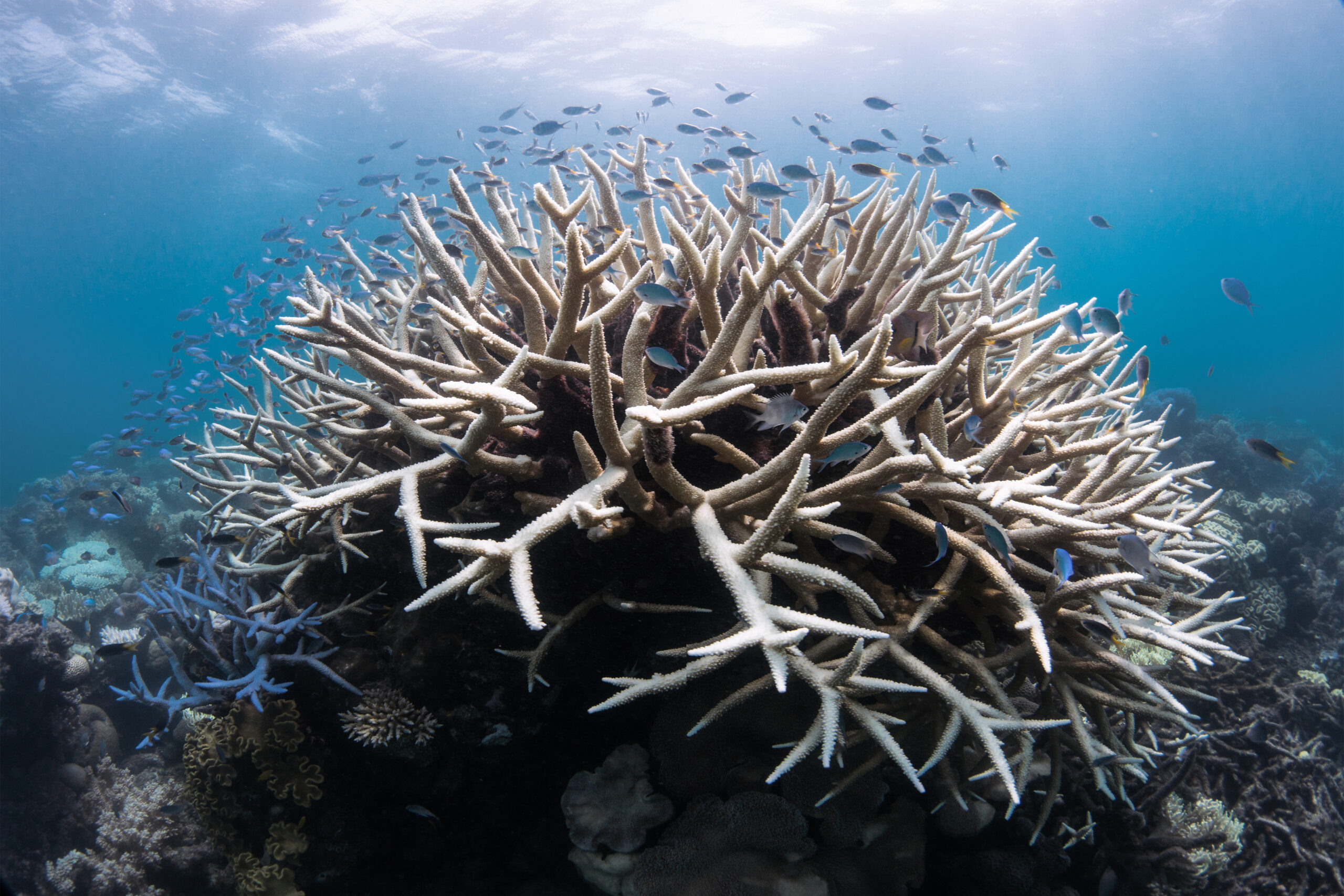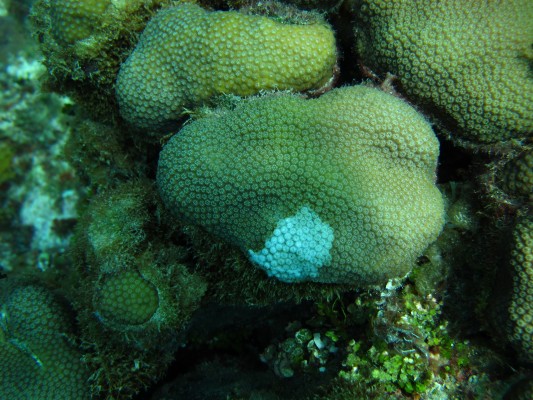
In partnership with NOAA and George Mason University, the Living Oceans Foundation held a workshop on Little Cayman Island that included classroom, laboratory, and in-water training. The emphasis of the course was on the identification of coral diseases, approaches to characterization and quantification of the severity and impacts of a disease outbreak, and techniques to sample coral disease and process specimens.
Meet IFAN: Helping Bring Navigate with Care to the Next Generation
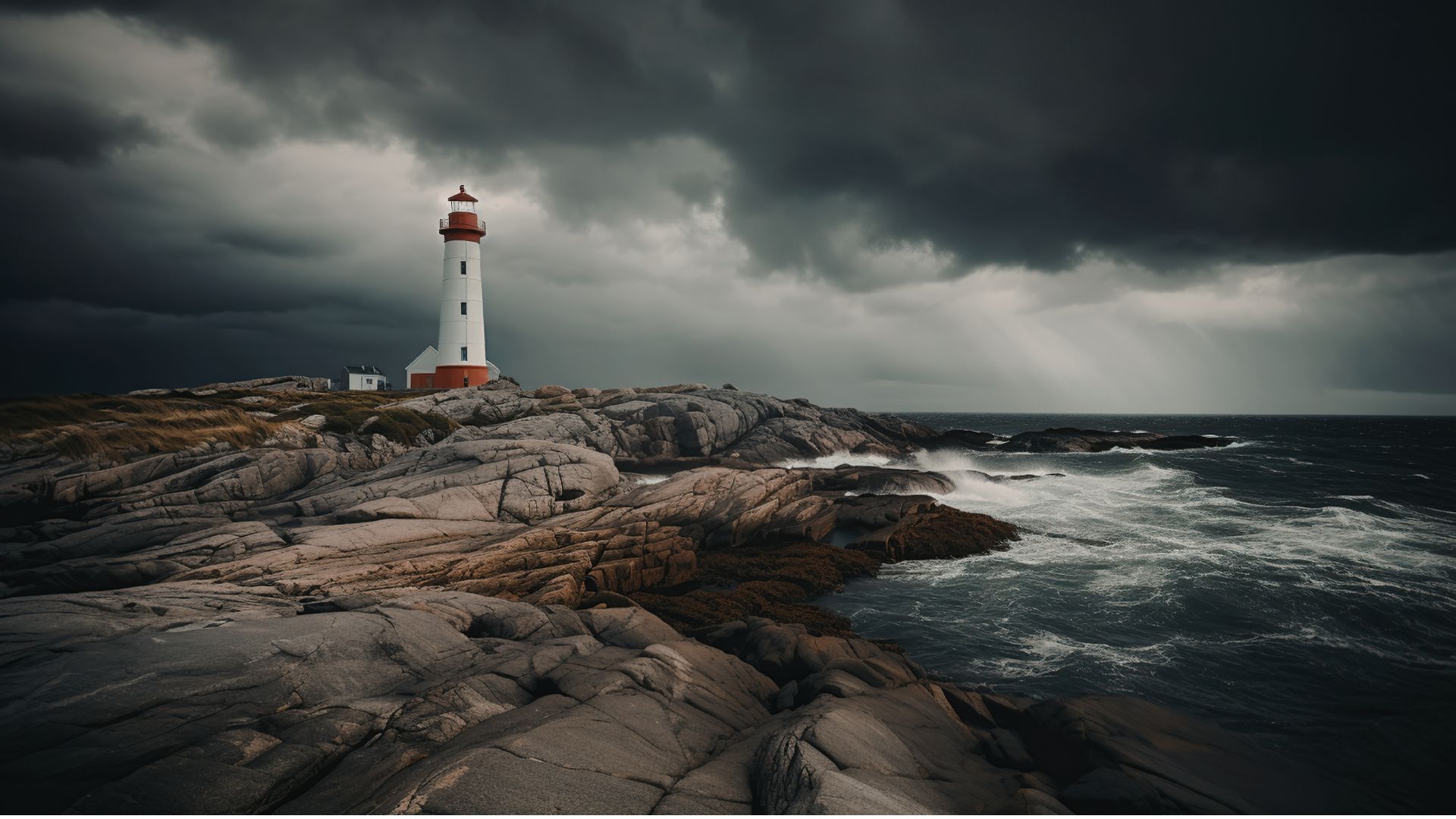
If you’ve ever seen a lighthouse flashing from the shore or a brightly colored buoy bobbing in the water, you’ve seen Aids to Navigation at work.
Aids to Navigation, often called AtoNs, help mariners navigate safely. They can mark channels, warn of hazards, help vessels determine their position, and provide other information people need to make safe decisions on the water. Around the world, these systems help guide everything from small recreational boats to large commercial or container ships.
But safe navigation isn’t only about protecting vessels and the people aboard them. The choices mariners make can also affect the animals and ecosystems beneath and around them.
That connection between maritime safety and ocean conservation is at the heart of this year’s Science Without Borders® Challenge—and of our partnership with this year’s theme sponsor, the International Foundation for Aids to Navigation (IFAN).