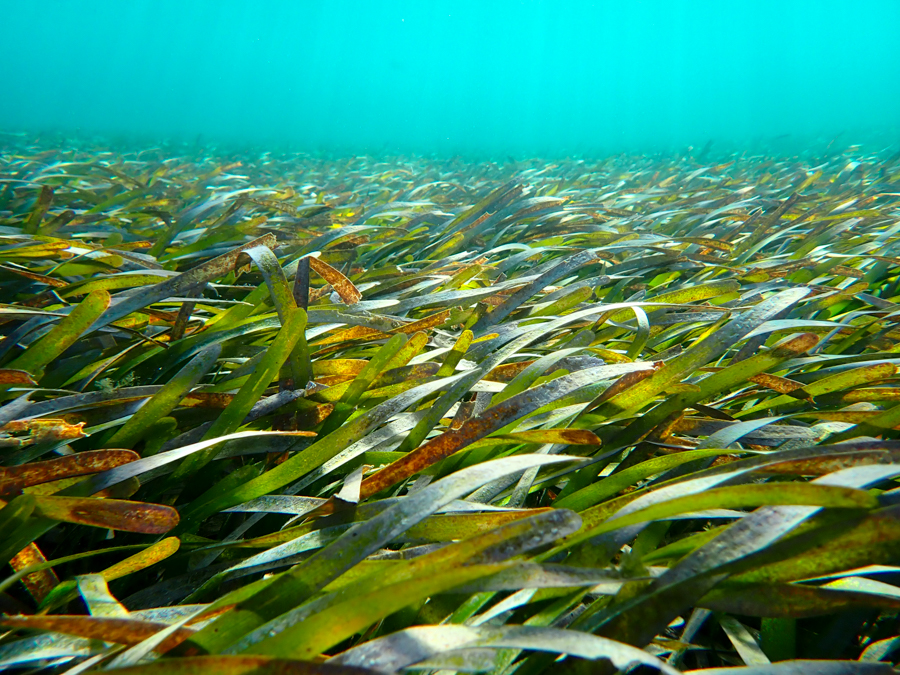
Departing from Nadi yesterday afternoon, we began our 17 hour transit to the remote islands of the Lau Province for our Fiji research mission. Lau Province is one of 14 provinces in Fiji. It is located in the South Pacific Ocean, due east of the Koro Sea. The Lau group includes a chain of about 100 islands and islets, about 30 of which are sparsely populated. While most of the northern group of islands are high and volcanic in origin, those in the south are a mix of extinct oceanic volcanoes, and low-lying carbonate islands. Together, they have a total land mass of only about 188 square miles.
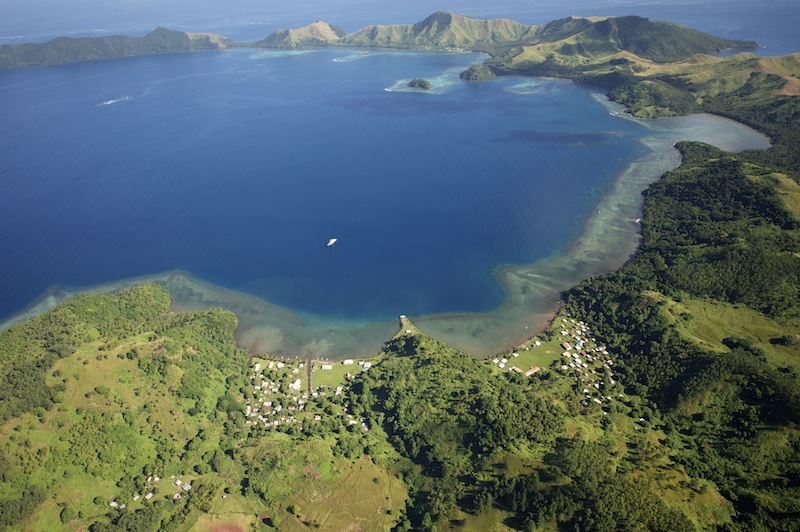
Fiji Research Mission Destinations
During the Fiji research mission we will explore 11 different islands, starting in the south at Totoya. Totoya is an extinct volcanic island in the Yasayasamoala Group. The horseshoe-shaped island rises from oceanic depths of over 6500 feet to its summit, 366 m above sea level. Totoya encloses a beautiful deep bay, is surrounded by a fairly wide lagoon and is protected from the open sea by a well developed barrier reef. Much of the island is densely forested, with rows of coconut palms, fertile hillsides and white sandy beaches. The island has 4 villages with the chiefly village of Tovu located on the eastern side of Nukulevu Bay.
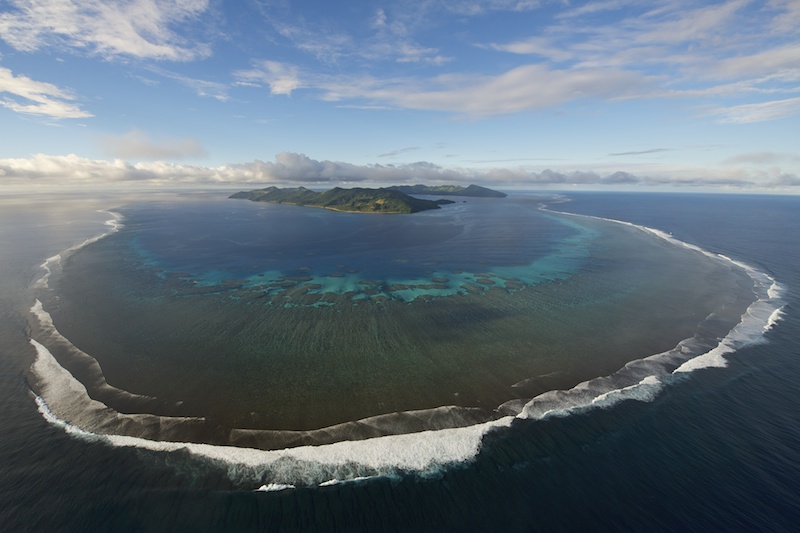
We chose these islands for our coral reef research due to their remoteness, low human impact and keen interests to protect these marine resources. Our Fiji research mission team from the Living Oceans Foundation will work closely with Wildlife Conservation Society, University of the South Pacific, Ministry of Fisheries, the Pacific Blue Foundation, Lau Provincial Council, and members of the Fiji Locally Managed Marine Area (FLMMA) Network to collect information on the health of the reefs, and the fish populations, comparing sites inside and outside protected areas. One of our key team members is Roko Sau, the high chief of the Yasayasamoala Group. He is helping to facilitate the local community traditional protocols and traditional requirements for the Fiji research mission team throughout the islands in the Lau Group where we will conduct our coral reef research.
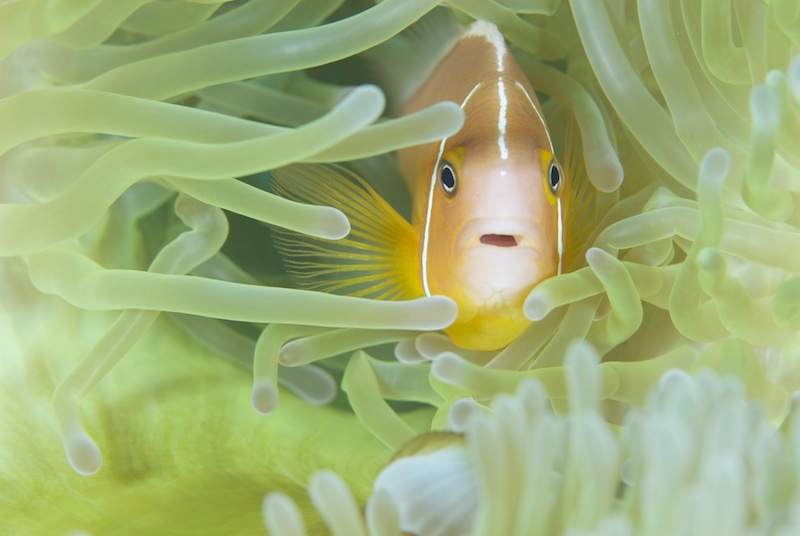
Join us over the next 30 days to learn more about the precious marine resources of Totoya and the other 10 locations we will examine during the Fiji research mission.
(Photos/Images by: 1-3 Keith Ellenbogen)
To follow along and see more photos, please visit us on Facebook!