As the leaves start to change and the air becomes crisp with the promise of a new school year, our team is once again gearing up for a fresh start. While I may no longer be a formal educator, the thrill of preparing for the beginning of the school year remains. Our Mangrove Education and Restoration Programs are back in session, and it’s a time of renewal, excitement, and discovery as we embark on this educational journey once again.
One of the constants in our Mangrove Education and Restoration Programs is our invaluable in-country partners. We are delighted to continue our collaboration with the University of the West Indies Discovery Bay Marine Lab and Alligator Head Foundation in Jamaica, as well as the Friends of the Environment in The Bahamas. These partnerships are the bedrock of our programs, and we owe much of our success to their unwavering support and dedication.
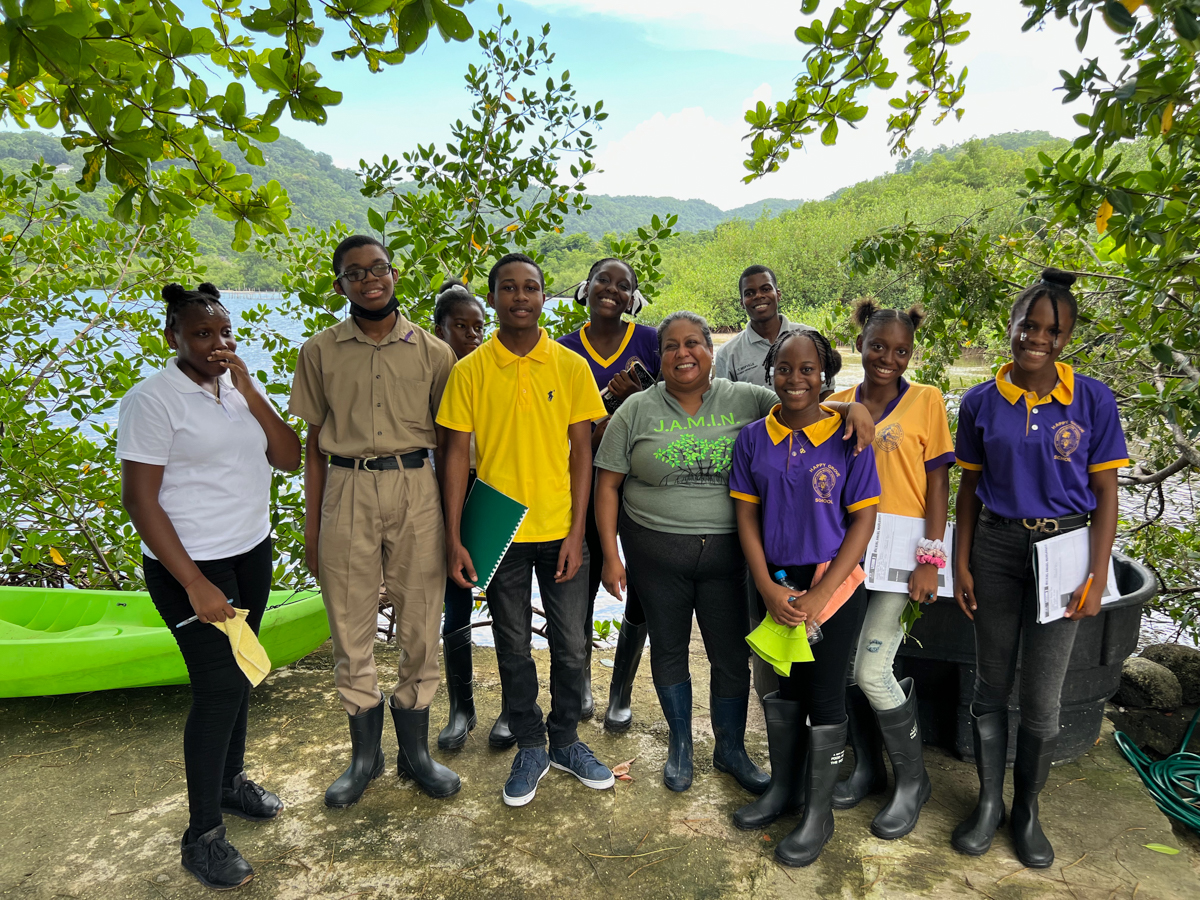
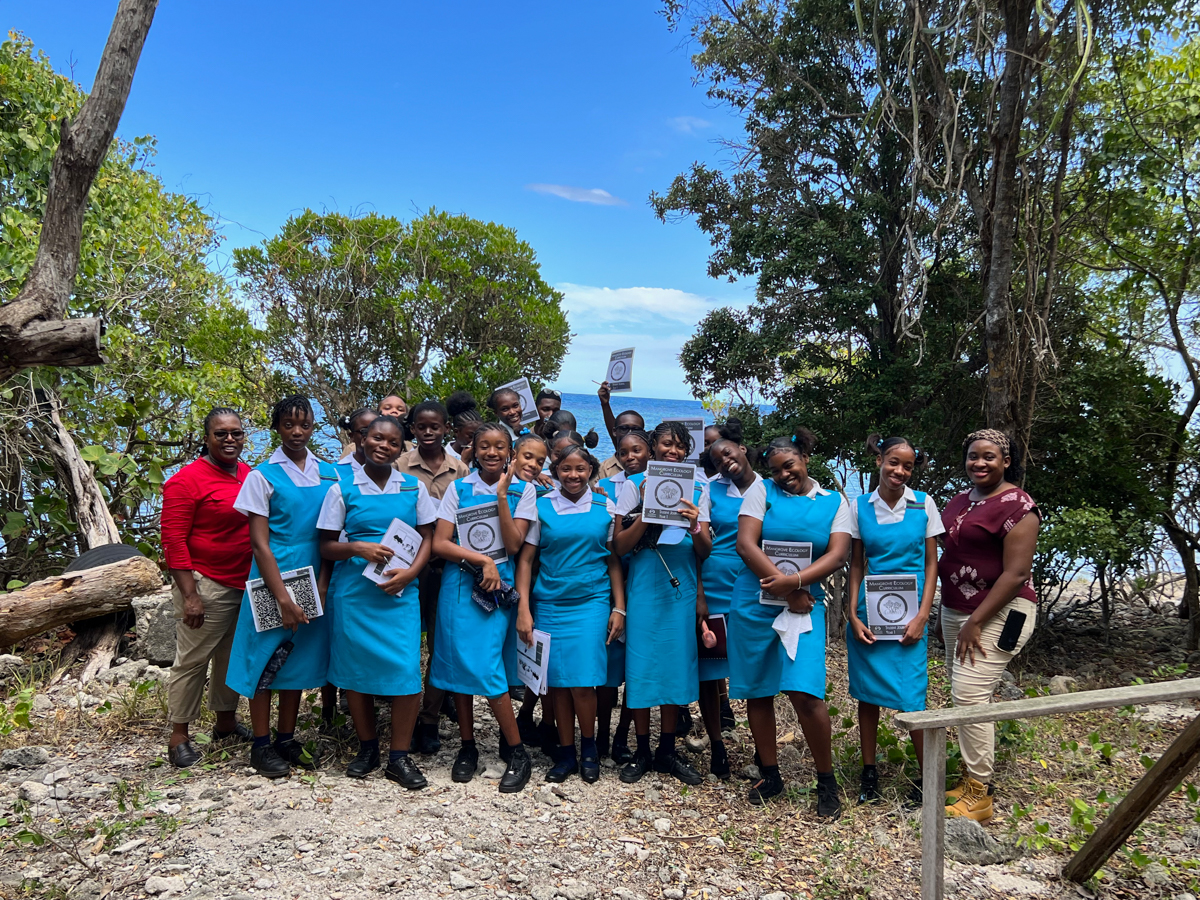
In this initial phase of our program, we had the privilege of working with seven secondary classes in the Caribbean. Our goal is not only to educate students but also to instill a deep sense of appreciation and responsibility for these vital mangrove ecosystems.
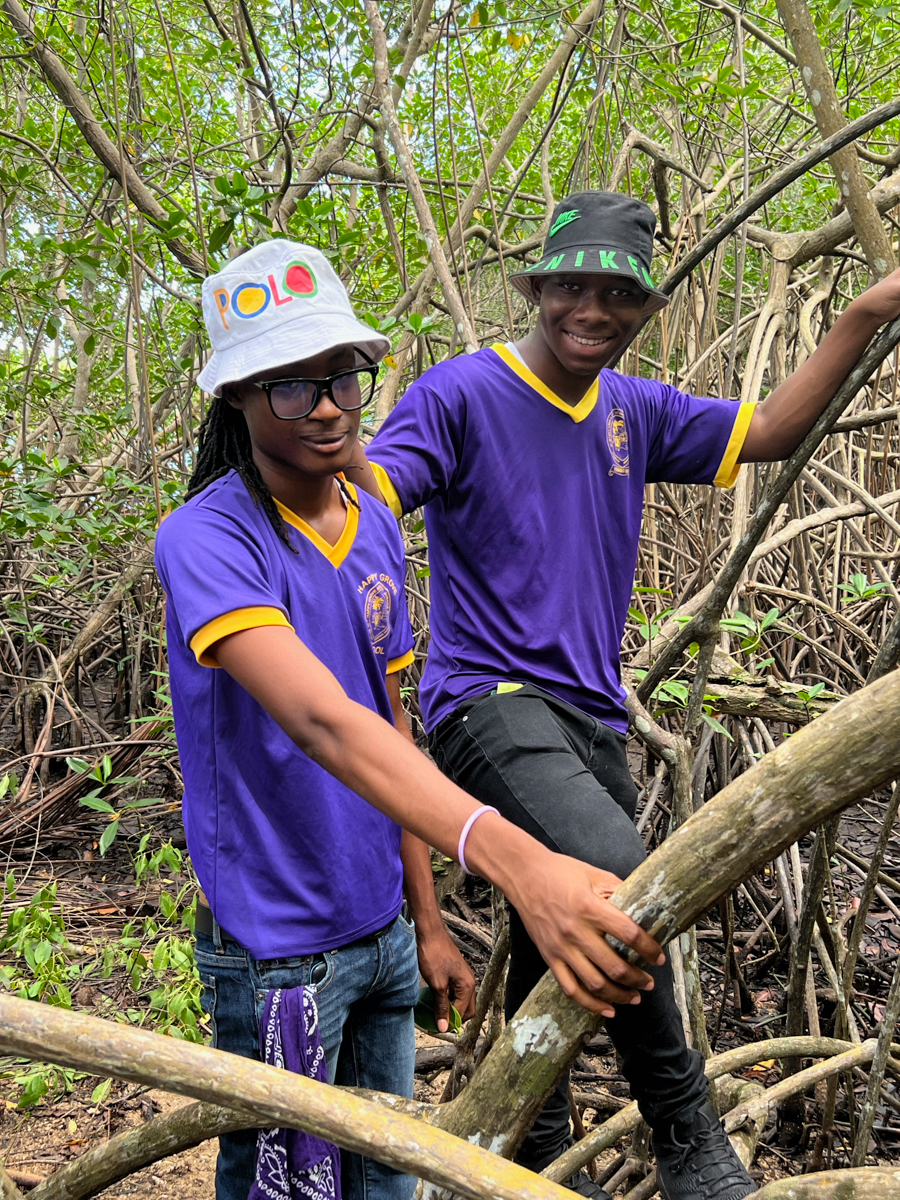
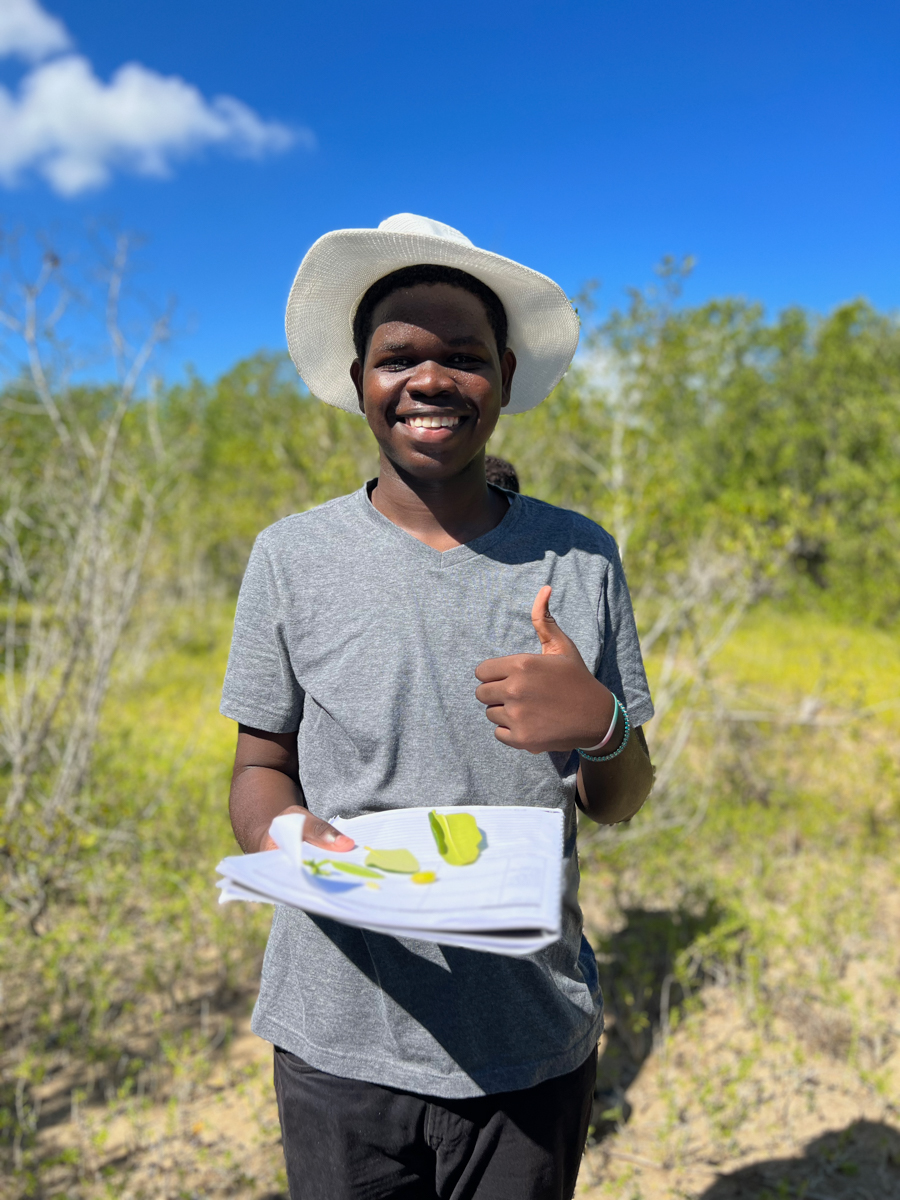
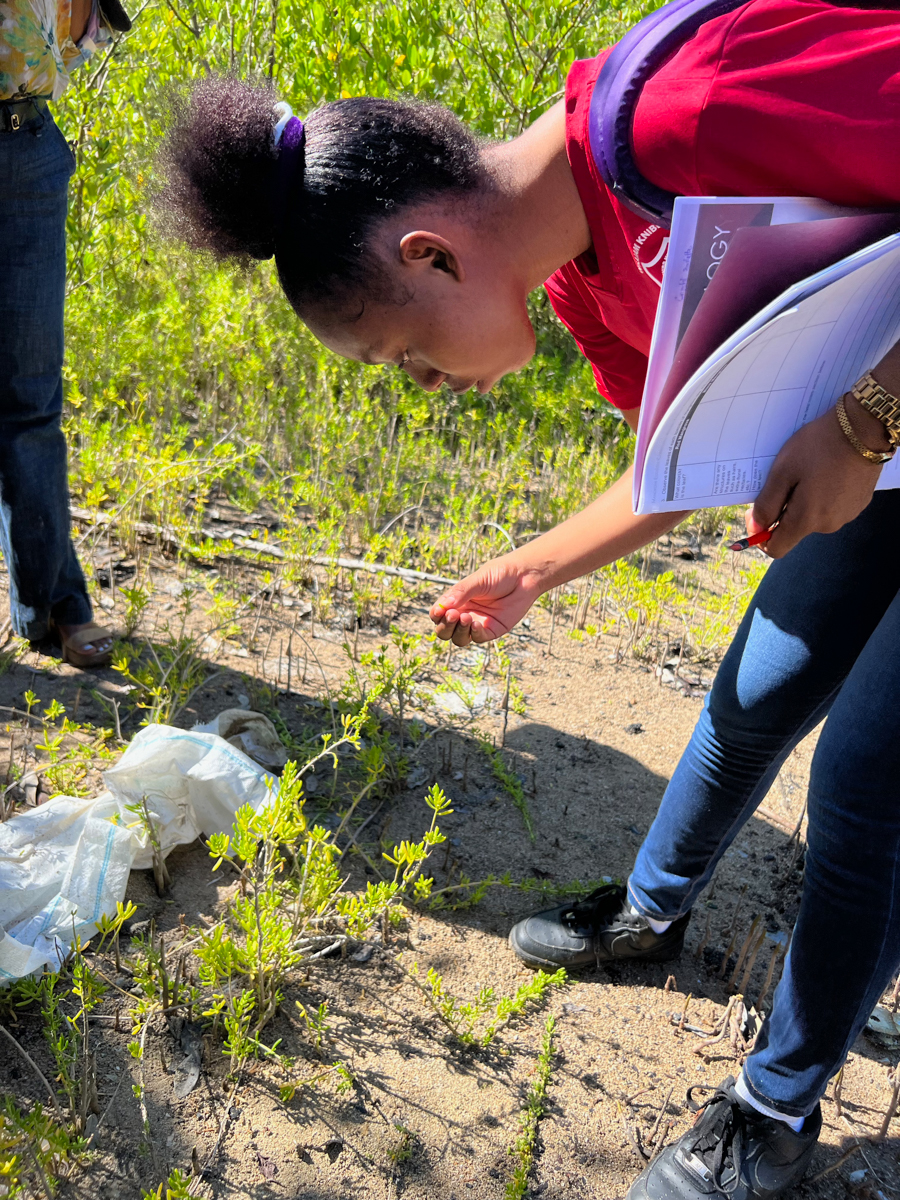
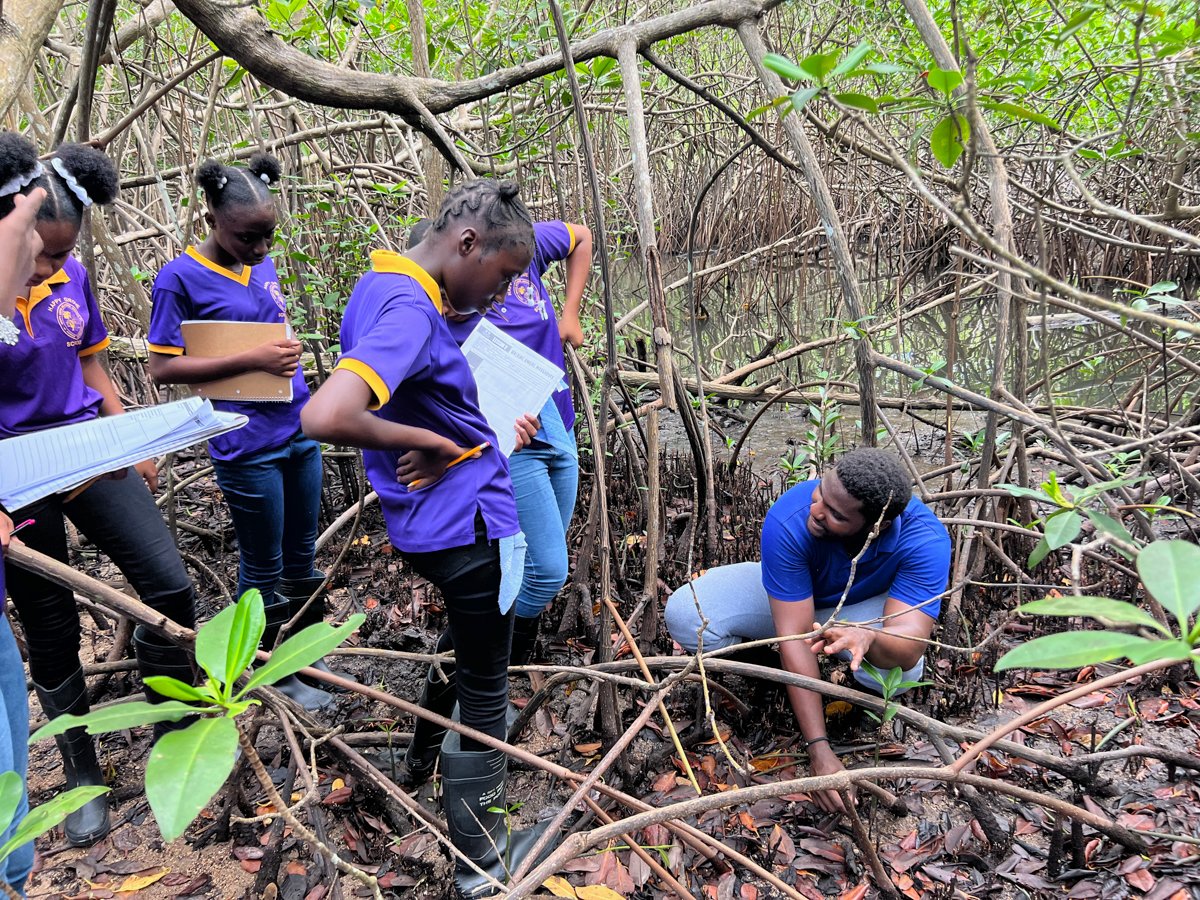
Within our program, students are engaged in informative lectures on mangroves. They explore the world of mangroves, learning how to identify various species, discovering their remarkable adaptations, and understanding the invaluable benefits these ecosystems offer to both nature and humanity. Moreover, they confront the challenges of threats to these vital coastal habitats.
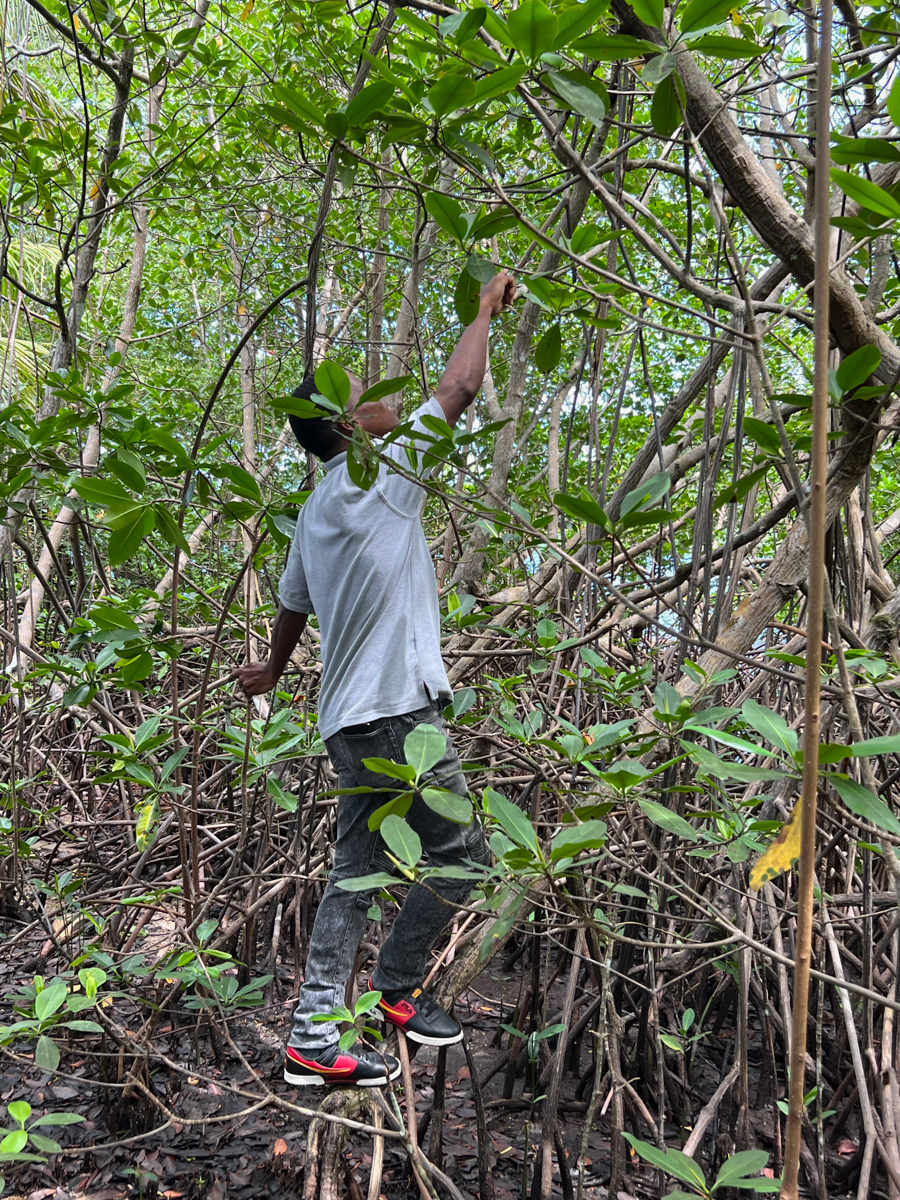
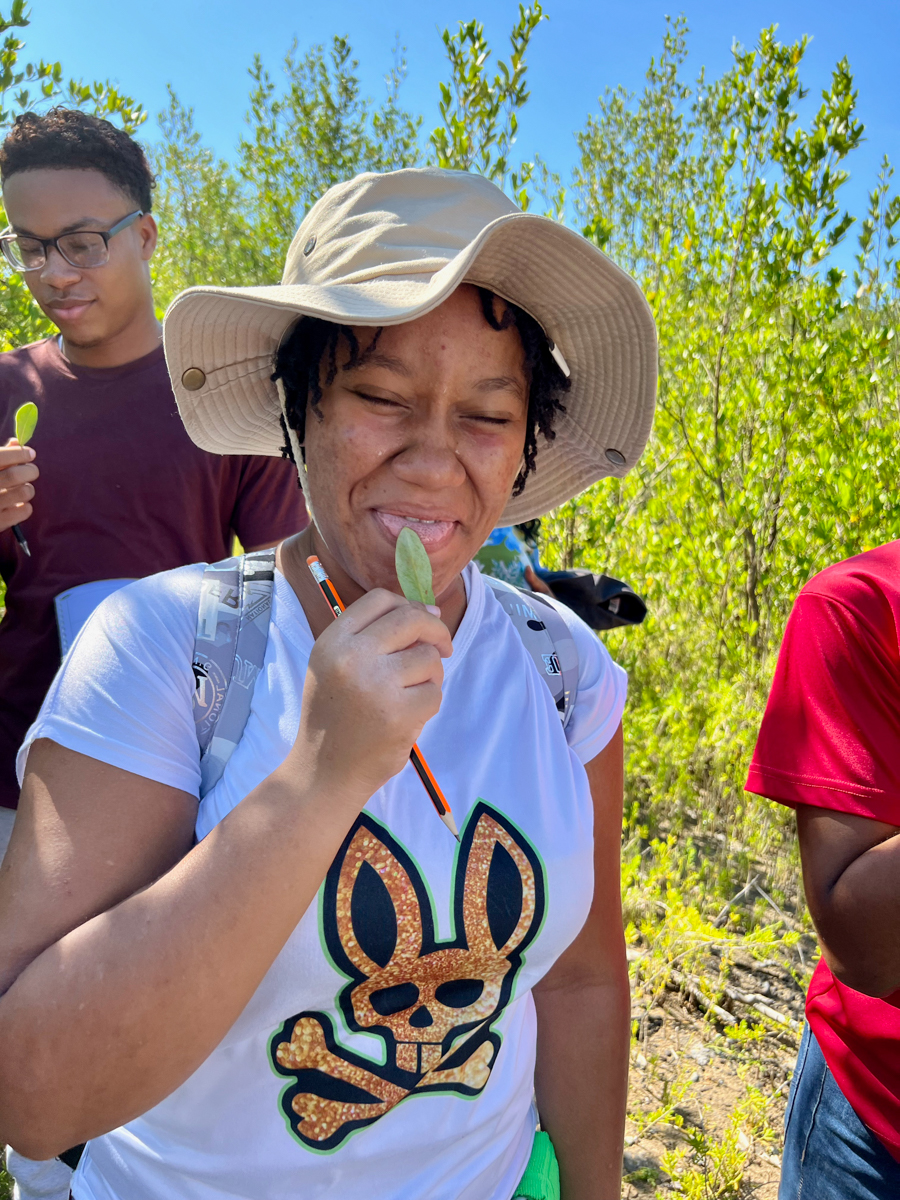
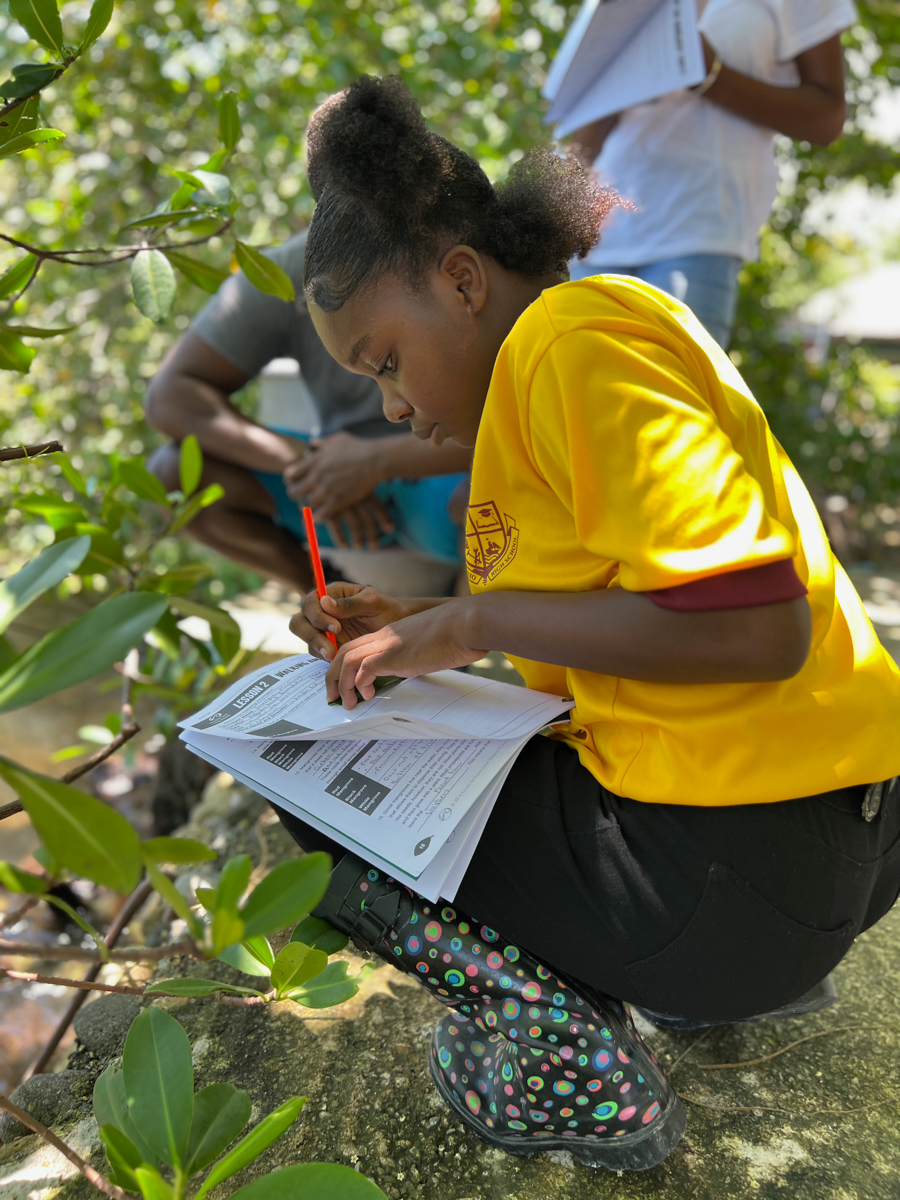
Complementing their classroom education, students embark on immersive mangrove field trips. This first-hand experience allows them to connect with the intricate web of life thriving within these coastal wonders. It’s a chance to witness the beauty and complexity of these ecosystems up close and personal.
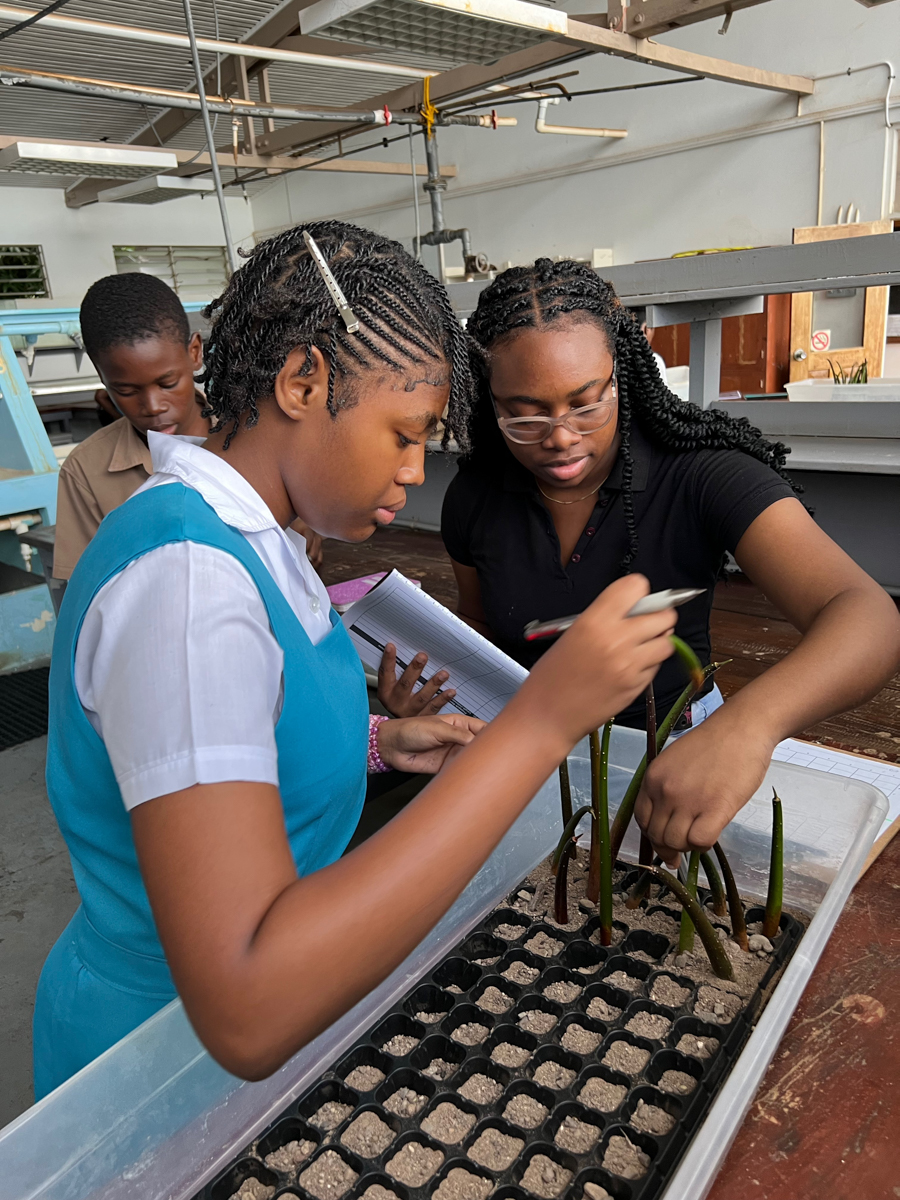
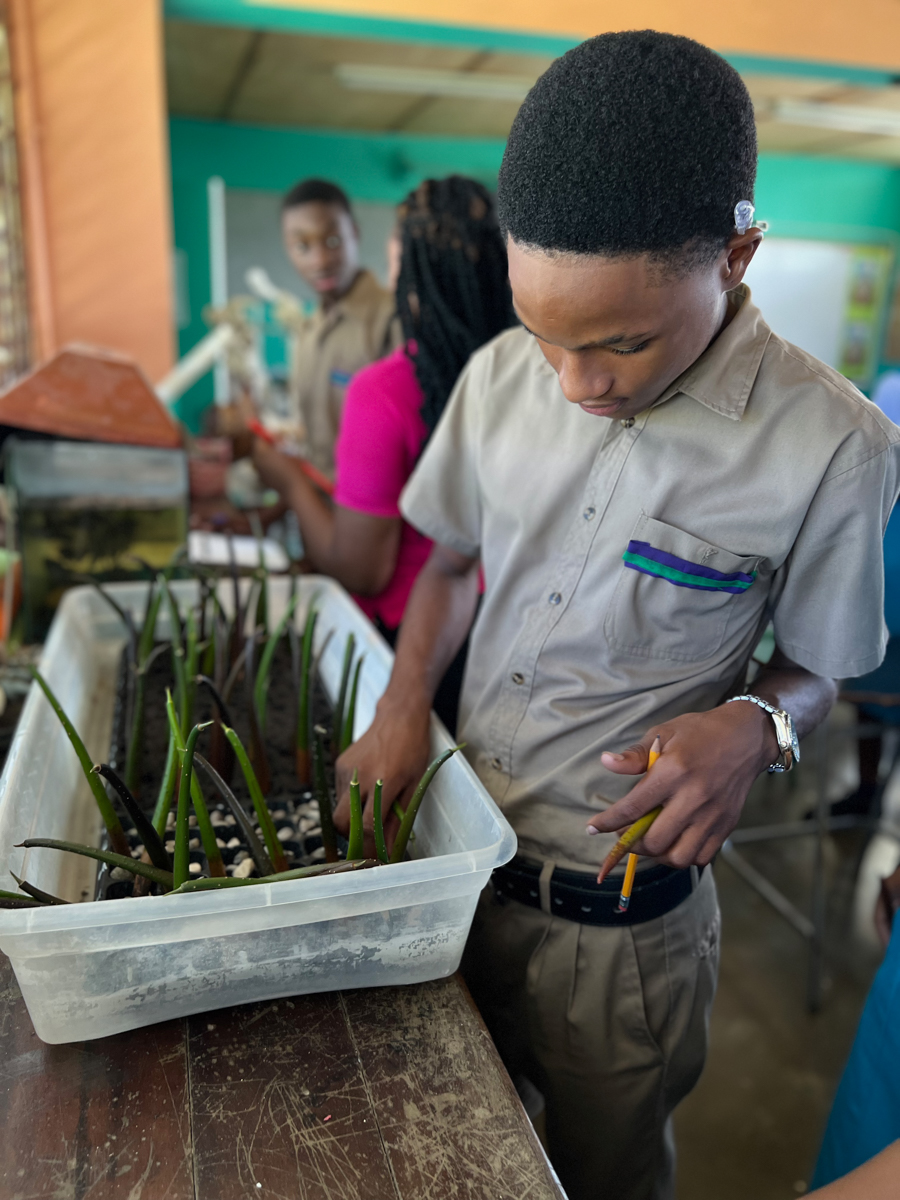
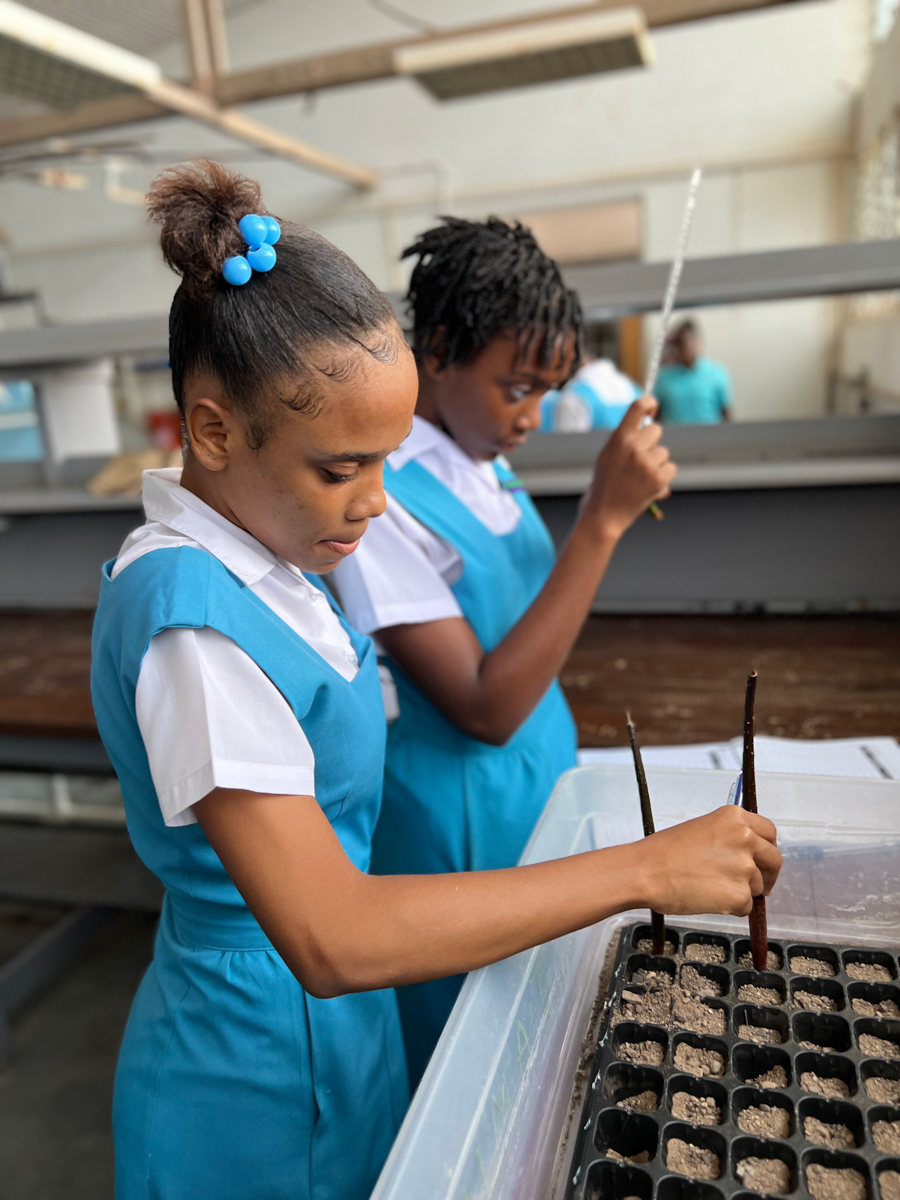
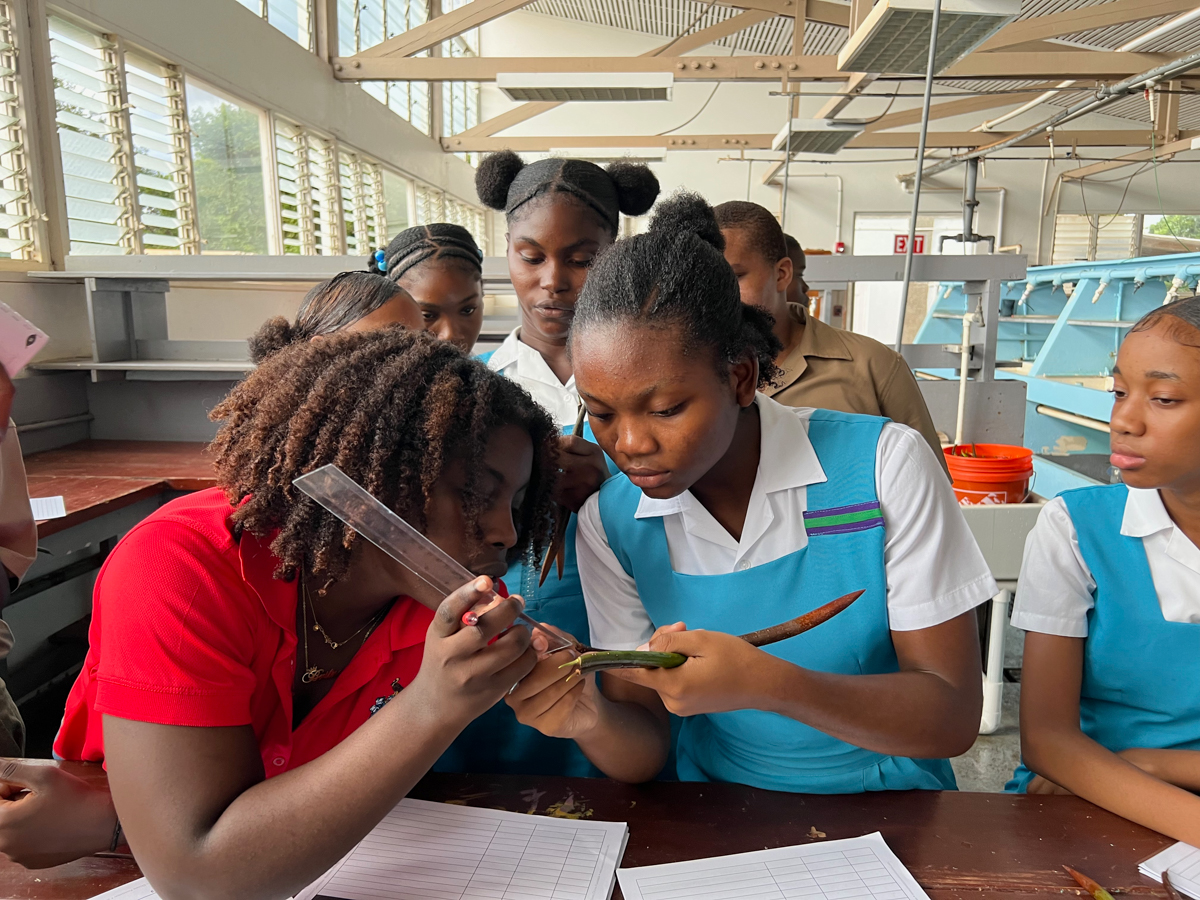
In addition, students participate in a long-term experiment to answer the question: What type of soil do mangroves grow best in – sand, mangrove mud, or pebbles? This hands-on experience not only sharpens their scientific skills but also fosters a sense of ownership over the mangrove seedlings they nurture.
So, as the school year unfolds and the students delve deeper into the mysteries of mangroves, we eagerly anticipate the growth of not only the seedlings they nurture but also the growth of their knowledge, awareness, and dedication to safeguarding the delicate mangrove ecosystems. Together, we are sowing the seeds of a brighter, greener future for our planet.