search-icon
The Effects of a Variable Temperature Regime on the Physiology of the Reef-Building Corals Seriatopora hystrix: Results From a Laboratory-Based Reciprocal Transplant

The effects of a variable temperature regime on the physiology of the reef-building corals Seriatopora hystrix: results from a laboratory-based reciprocal transplant

To understand the effects of global climate change on reef-building corals, a thorough investigation of their physiological mechanisms of acclimatization is warranted. However, static temperature manipulations may underestimate the thermal complexity of the reefs in which many corals live. For instance, corals of Houbihu, Taiwan, experience changes in temperature of up to 10°C over the course of a day during spring-tide upwelling events. To better understand the phenotypic plasticity of these reef-building corals, a laboratory-based experiment was conducted whereby specimens of Seriatopora hystrix from an upwelling reef (Houbihu) and conspecifics from a non-upwelling reef (Houwan) were exposed to both a stable seawater temperature (26°C) regime and a regime characterized by a 6°C fluctuation (23–29°C) over a 12 h period for 7 days. A suite of physiological and molecular parameters was measured in samples of both treatments, as well as in experimental controls, to determine site of origin (SO) and temperature treatment (TT) responses. Only chlorophyll a (chl a) concentration and growth demonstrated the hypothesized trend of higher levels when exposed to a TT that mimicked SO conditions. In contrast, chl a, maximum dark-adapted quantum yield of photosystem II (Fv/Fm), and Symbiodinium ribulose-1,5-bisphosphate carboxylase/oxygenase (rbcL), photosystem I (psI, subunit III) and phosphoglycolate phosphatase (pgpase) mRNA expression demonstrated significant TT effects. Specifically, levels of these response variables were higher in samples exposed to a variable temperature regime, suggesting that S. hystrix may acclimate to fluctuating temperatures by increasing its capacity for photosynthesis.

Related Posts

Everything You Need to Know About the 2027 Science Without Borders® Challenge

Are you ready to combine your creativity with ocean science?

The 15th Annual Science Without Borders® Challenge is now open! Whether you’re participating for the first time or returning for another year, this guide will help you get started.

This year’s theme, Navigate With Care, invites students to explore how responsible navigation helps protect both people and life in the ocean. Through your artwork, you can compete for scholarships and international recognition while inspiring others to protect both people and life in the ocean.

Read More

Global Reef Expedition Data Contributes to Landmark Report on the World’s Coral Reefs

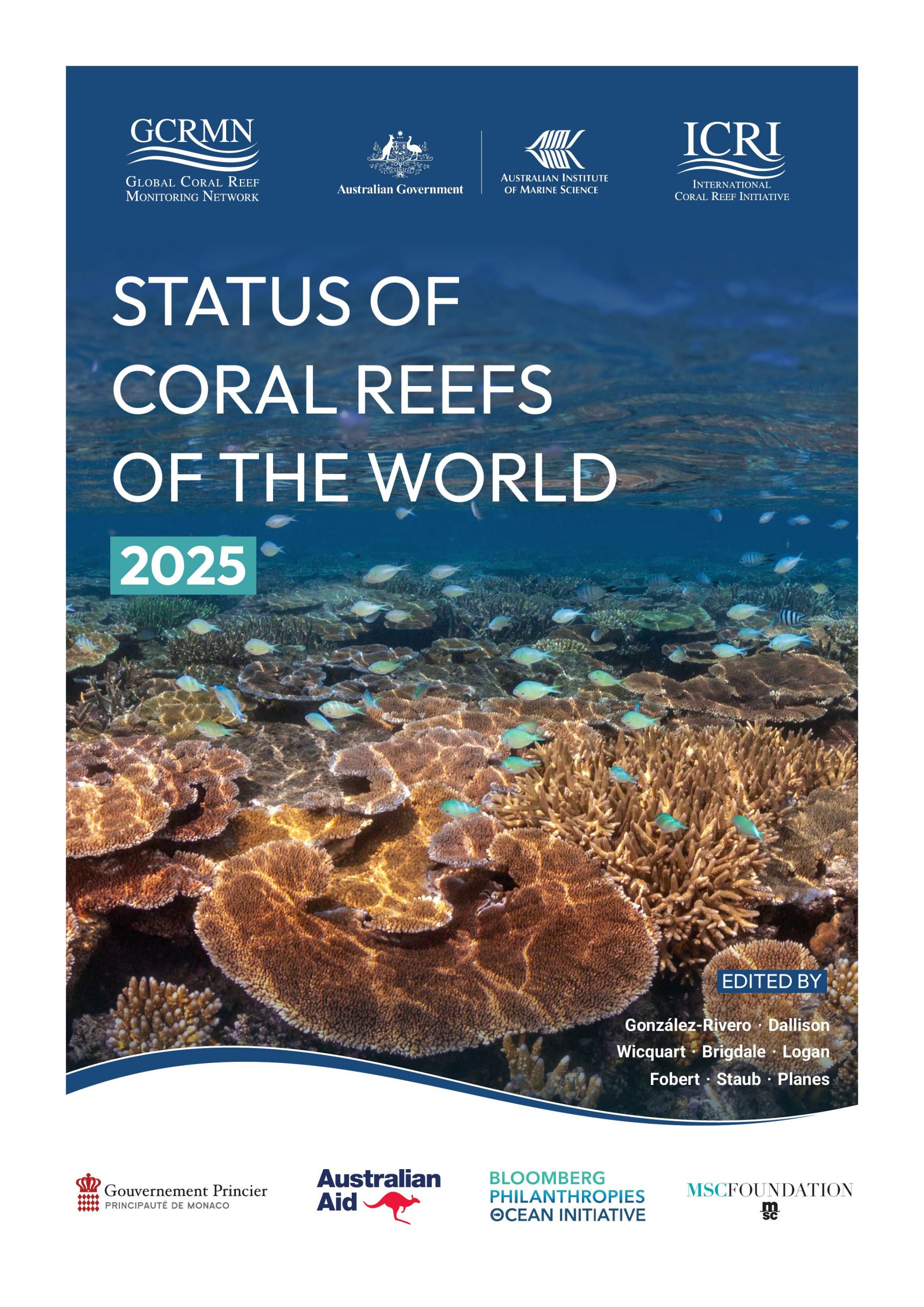
More than a decade after scientists aboard the Global Reef Expedition surveyed coral reefs across the Pacific, the data they collected continues to contribute to our understanding of the world’s coral reefs.

Today, the Global Coral Reef Monitoring Network (GCRMN) released Status of Coral Reefs of the World: 2025, the most comprehensive assessment to date of the status and trends of coral reefs worldwide. The report brings together an extraordinary amount of information collected over more than four decades—and the Khaled bin Sultan Living Oceans Foundation is proud to have contributed data from the Global Reef Expedition to this global effort. 

Read More
Privacy Overview

This website uses cookies so that we can provide you with the best user experience possible. Cookie information is stored in your browser and performs functions such as recognising you when you return to our website and helping our team to understand which sections of the website you find most interesting and useful.  You can view our complete Privacy Policy here.

Strictly Necessary Cookies

Most of our cookies are used to improve website security and reduce spam. These cookies should be enabled at all times. They also enable us to save your preferences for cookie settings.

3rd Party Cookies

This website uses Google Analytics to collect anonymous information such as the number of visitors to the site, and the most popular pages. Keeping this cookie enabled helps us to improve our website.