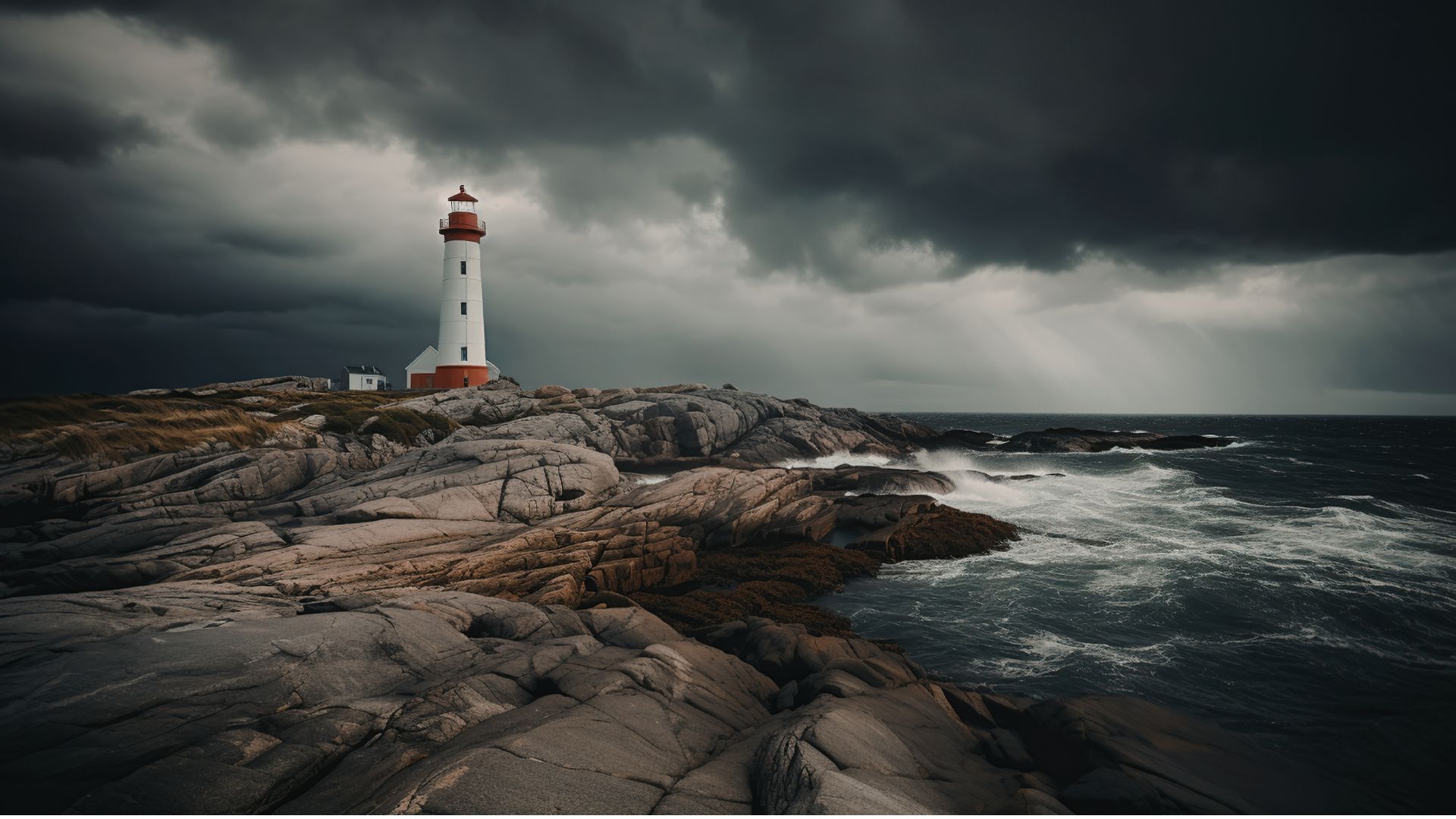
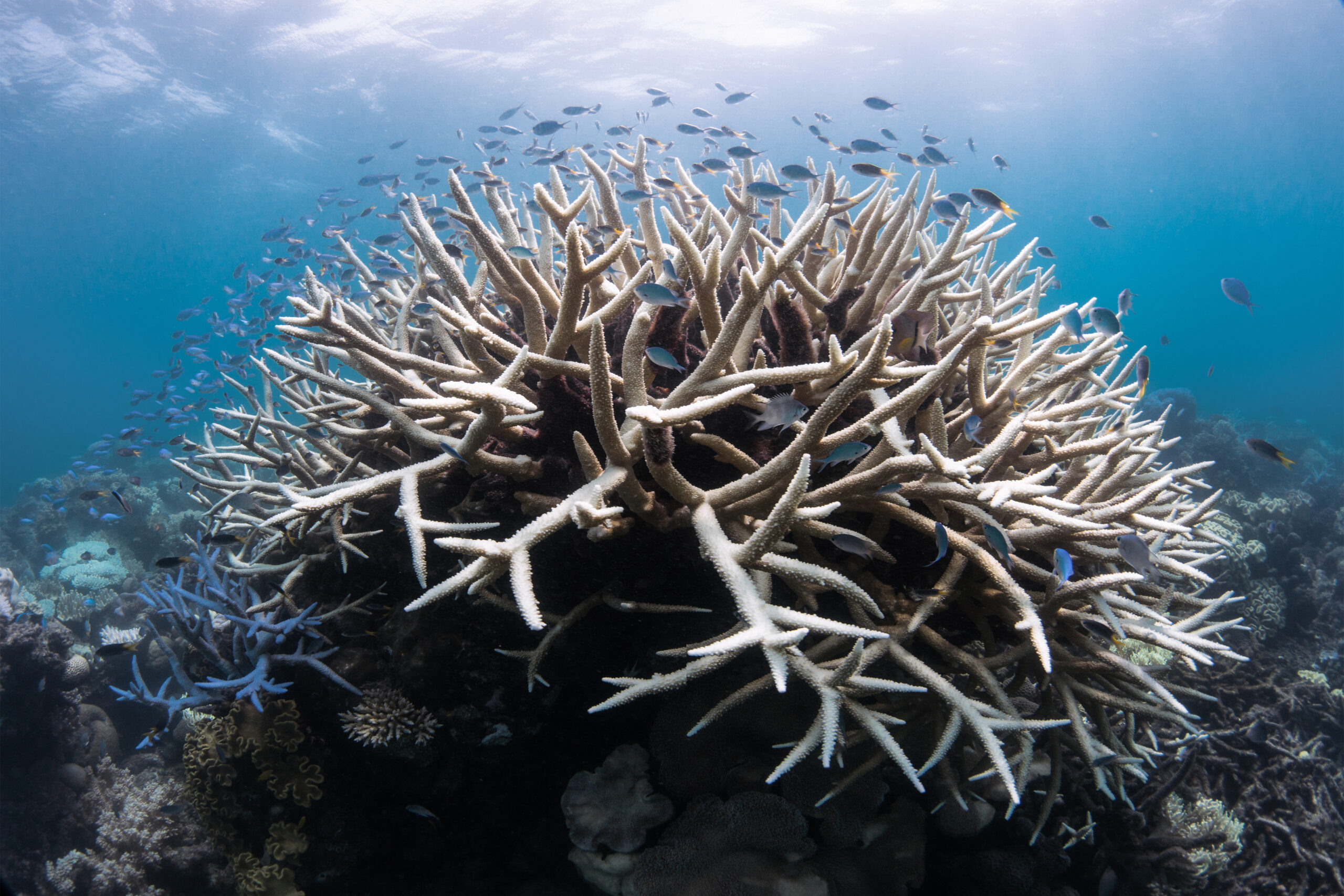
At first, Alice Shoal seems something of a mystery. Many of the problems slamming reefs around the world are minimal here. This area doesn’t seem to be generally overfished, for instance, and there are no communities nearby to flood the place with algae-fueling pollution. Yet there’s not much coral here, the rocky bottom covered mostly by algae. And though less fished than other reefs in the region, on dive after dive we see almost no snappers and groupers, often sentinels of healthy reef systems.
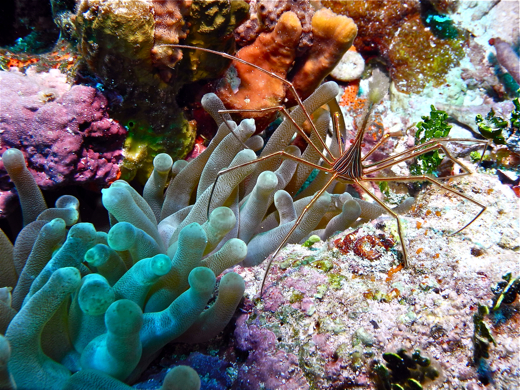
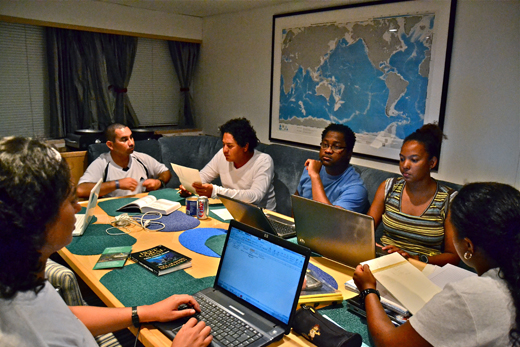
When their mouths aren’t filled with regulators, one idea the team is considering that might explain why algae rules the reef here is that prevailing currents might regularly wash the shoal with water from deeper surrounding waters. Deep water tends to be rich in some of the same nutrients found in pollution, and this could keep the algae happy enough to outcompete corals for seafloor real estate. We’ll be looking for the results of past research in the region that might give clues as to whether such upwelling is in fact at play.
The general absence of groupers and snappers is probably even easier to explain. Though these fish can be common on reefs when they get older, they spend their younger days hiding in the roots of mangrove trees and on seagrass beds. Mangroves are impressive trees, but even they can’t pull off growing 15 meters of water, and there’s no other land around. Likewise, seagrass seems relatively sparse on the sand flats beyond the reefs. All of that is to say, there seems to be nowhere for the babies to grow up, so you can’t get any but a few straggler adults out here.
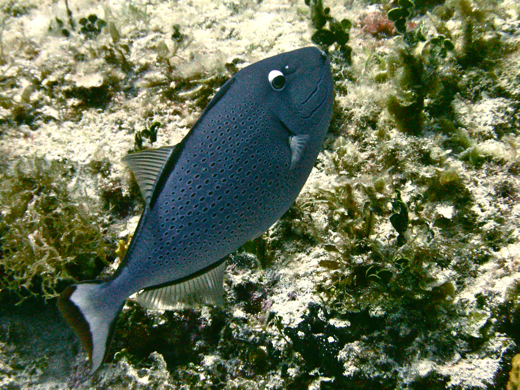
But after dives, and around the dinner table, there’s frequent chatter about how plentiful other types of fish are. We regularly see large ocean triggerfishes patrolling above the reefs, looking strangely off-balance because their main fins are on the back third of their body.
And black durgeons—which actually sport intricate patterns that include yellows and blues as well, are everywhere. Nobody aboard has ever seen so many. Typically you’d find a couple here and there, but at Alice we watch them swimming around us by the dozens.
The surgeonfishes are another prominent player here. These include blue tangs (yes, Dory from Finding Nemo was a blue tang). That’s fitting because these fish are all algae-eaters. When the experts do their broad surveys of the reefs they typically mark both durgeons and surgeons as “abundant,” meaning they see more than 100—the highest rating in their system.
As the scientists continue to explore, analyze and ponder, the place seems less a mystery and more just a place with it’s own special character. It’s also a place that has almost certainly never seen the likes of the activity that’s been going on here for two days now, and probably won’t again for a very long time after we head east for Bajo Nuevo tomorrow.
(Photos/Images by: 1 Andrew Bruckner, 2 Alfredo Abril-Howard, 3 Mark Schrope)
To follow along and see more photos, please visit us on Facebook! You can also follow the expedition on our Global Reef Expedition page, where there is more information about our research and team members.