search-icon
Shivering for Science

Cold Water Diving

Shortly after sunrise the main dive boat, Calcutta, set out from Golden Shadow to survey a gently sloping spur and groove reef system on the south eastern side of Ill des Pins. The dive team and crew hunkered down out of the cold sea spray and wind for the forty minute transit out to the first dive site. It is noticeable how much more bundled up the scientific divers are on the New Caledonia trip compared to recent expeditions. Water temperatures recorded on dives frequently drop below 23°C (73°F). While this may sound warm, the water is actually relatively cold by tropical standards, and rapidly saps body warmth during the long days of survey. Hoods and layers of thick wet-suits are the order of the day, while one diver has resorted to a dry-suit to ensure comfort while he works – gear typically reserved for temperate waters. After cold water diving, researchers rapidly remove their wetsuits, towel off, and don dry clothes or wind breakers to elevate their core temperature. Positions in the sun are at a premium on surface intervals during cold water diving as divers do all they can to get warm before the second dive.
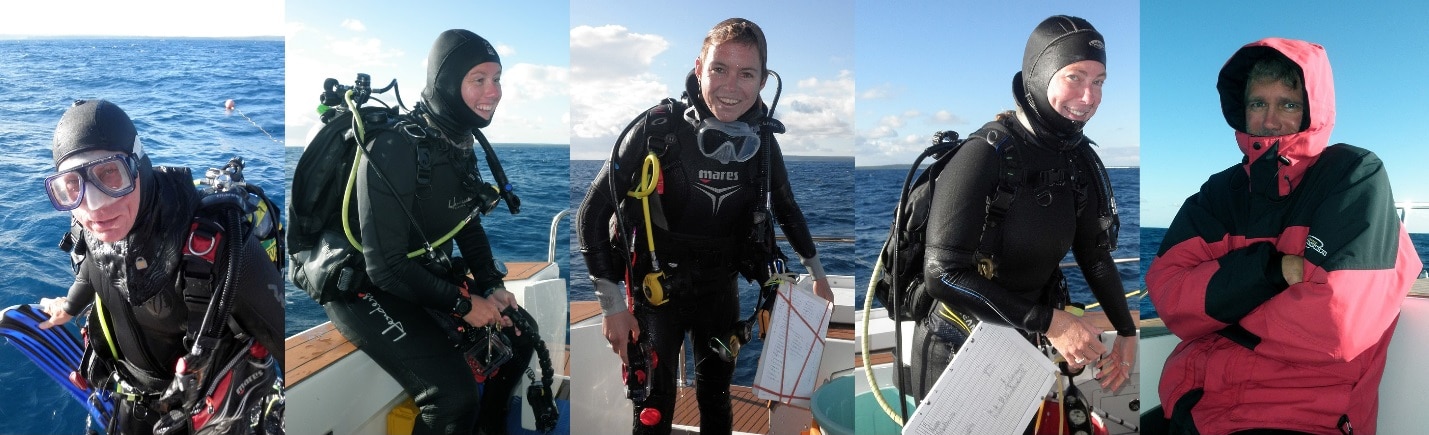
Cold water diving: Members of the dive team clad in layers of wetsuits, hoods, and windbreakers - cold but happy (left to right: Andrew Bruckner, Alex Dempsey, Kate Fraser, Dawn Bailey, and Ken Marks)
Cold water diving: Members of the dive team clad in layers of wetsuits, hoods, and windbreakers – cold but happy (left to right: Andrew Bruckner, Alex Dempsey, Kate Fraser, Dawn Bailey, and Ken Marks)

How Sea Surface Temperature Influences Coral Reefs

As we move from Ill des Pins to the atolls and reefs north of the main island (Grand Terre) in the coming weeks we expect to see temperatures rise by several degrees. This thermal trend provides a natural laboratory for studying how sea surface temperature influences coral reefs. It will be interesting to compare the biological communities in the northern reefs to those around Ill des Pins. Understanding the relationship of coral species to temperature is important. The trend of rising sea surface temperatures is predicted to continue under most climate change scenarios, and species with narrow thermal tolerance may change their distribution to cope with the changing thermal gradient.

Many algal species such as the green algae Caulerpa macrodisca identified during the surveys of Dr. Claude Payri are more commonly associated with temperate reefs to the south, such as around New Zealand, yet are found in Ill des Pins. We expect this species will be rare or absent in the reefs we will visit north of Grand Terre.
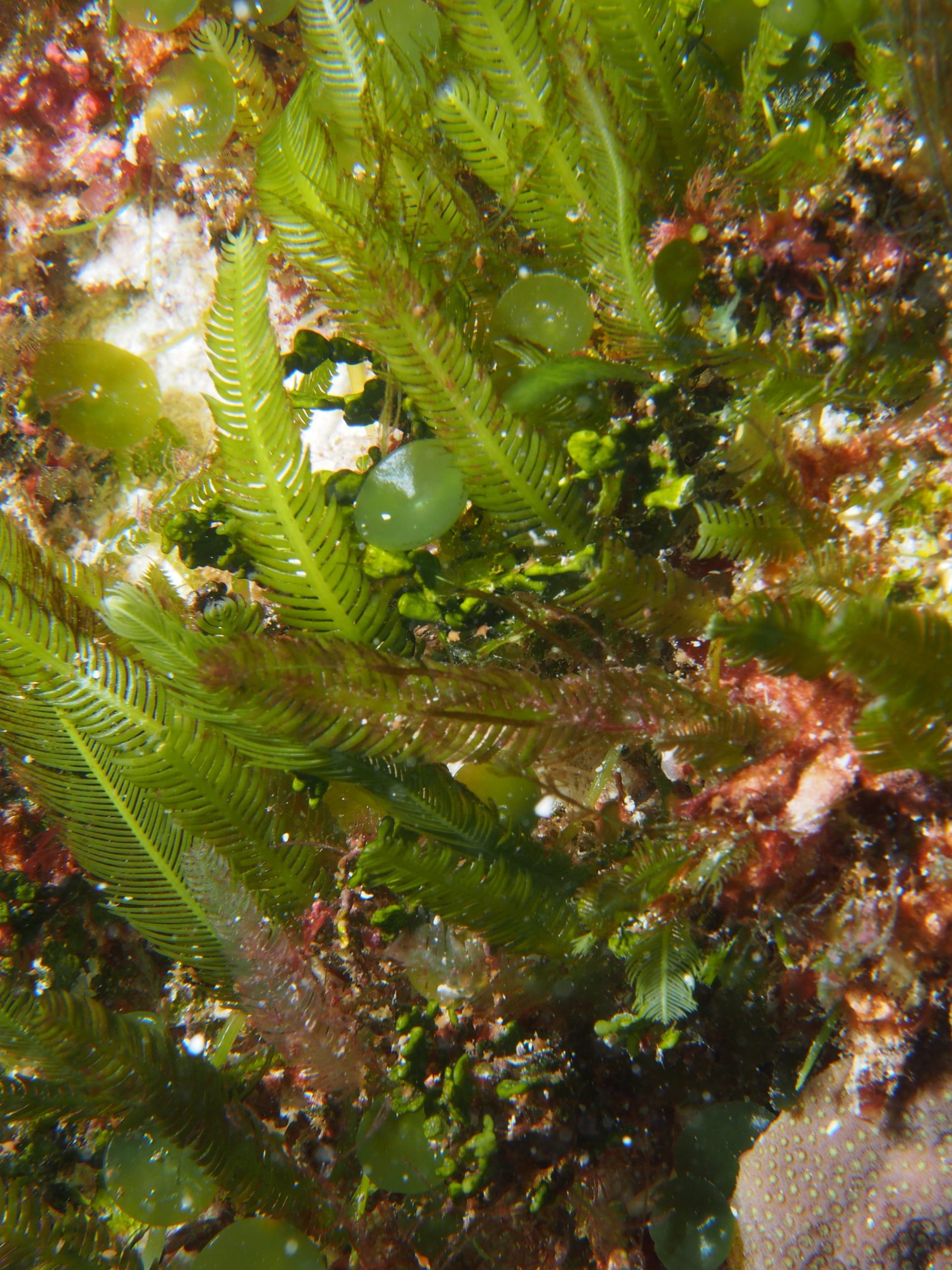
One example of how sea surface temperature influences coal reefs: Green Caulerpa algae are often found in reef environments. The fern like Caulerapa taxifolia may be found in many regions of New Caladonia, the disk like algae Caulerpa macrodisca (just left of center) is only associated with the cool waters in the south of Ill des Pins
One example of how sea surface temperature influences coal reefs: Green Caulerpa algae are often found in reef environments. The fern-like Caulerapa taxifolia may be found in many regions of New Caladonia, the disk like algae Caulerpa macrodisca (just left of center) is only associated with the cool waters in the south of Ill des Pins.

We also see differences in the coral community during our cold water diving. Coral species such as the Leptoria phrygia pictured below have been common on our surveys. On the Global Reef Expedition we have tended to see this coral at deeper sites where the temperature dips below ~26 C.
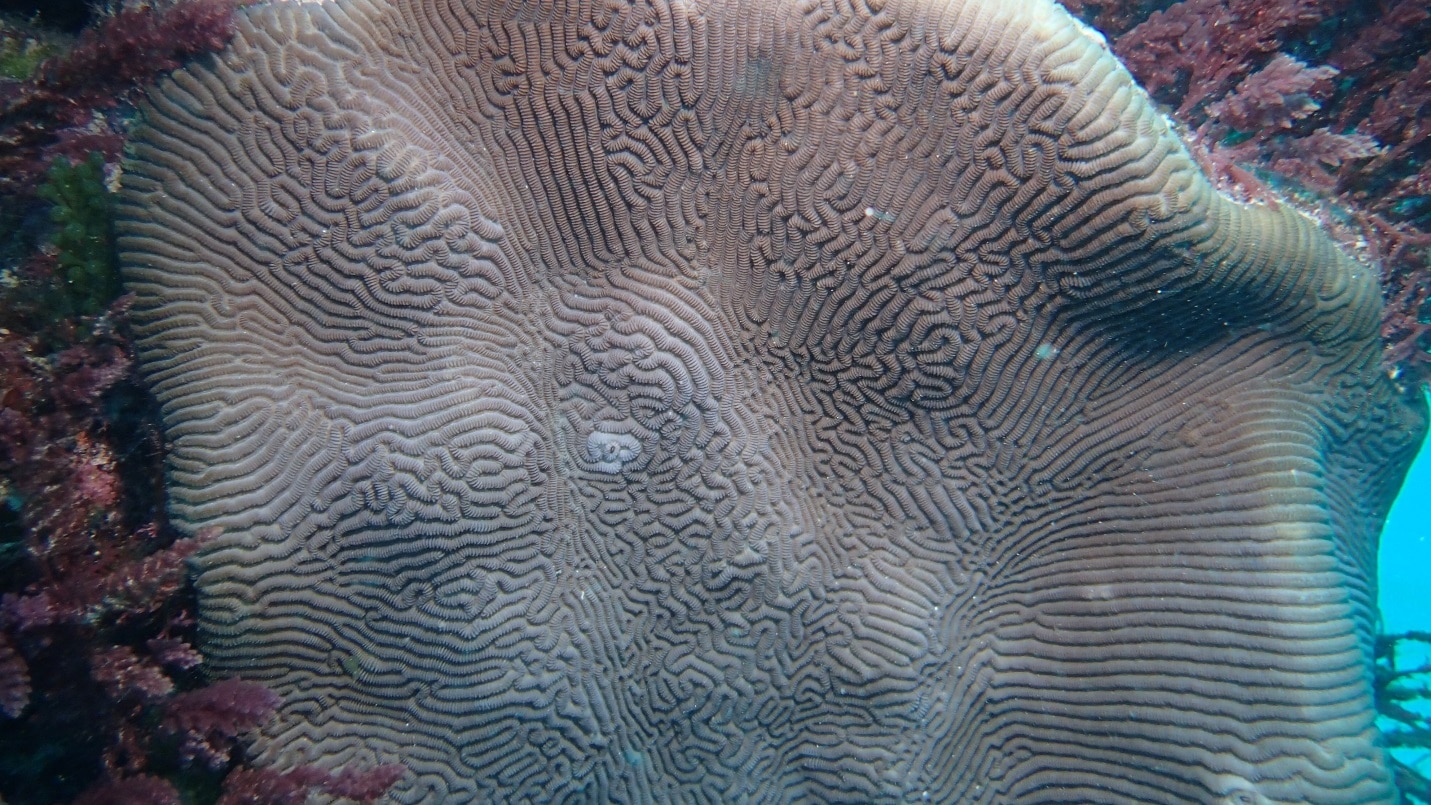
Leptoria phrygia is common in colder locations such as New Caladonia.


These are just a few examples we’ve seen during our cold water diving of how sea surface temperature influences coral reefs.

Photos by: 1 Ken Marks; 2 Andrew Bruckner; 3 Alex Dempsey
Related Posts

From Dialogue to Action: Ocean Foundations Gather in Stockholm

What can philanthropy accomplish when foundations working across ocean science, conservation, and sustainable development come together around a shared purpose?

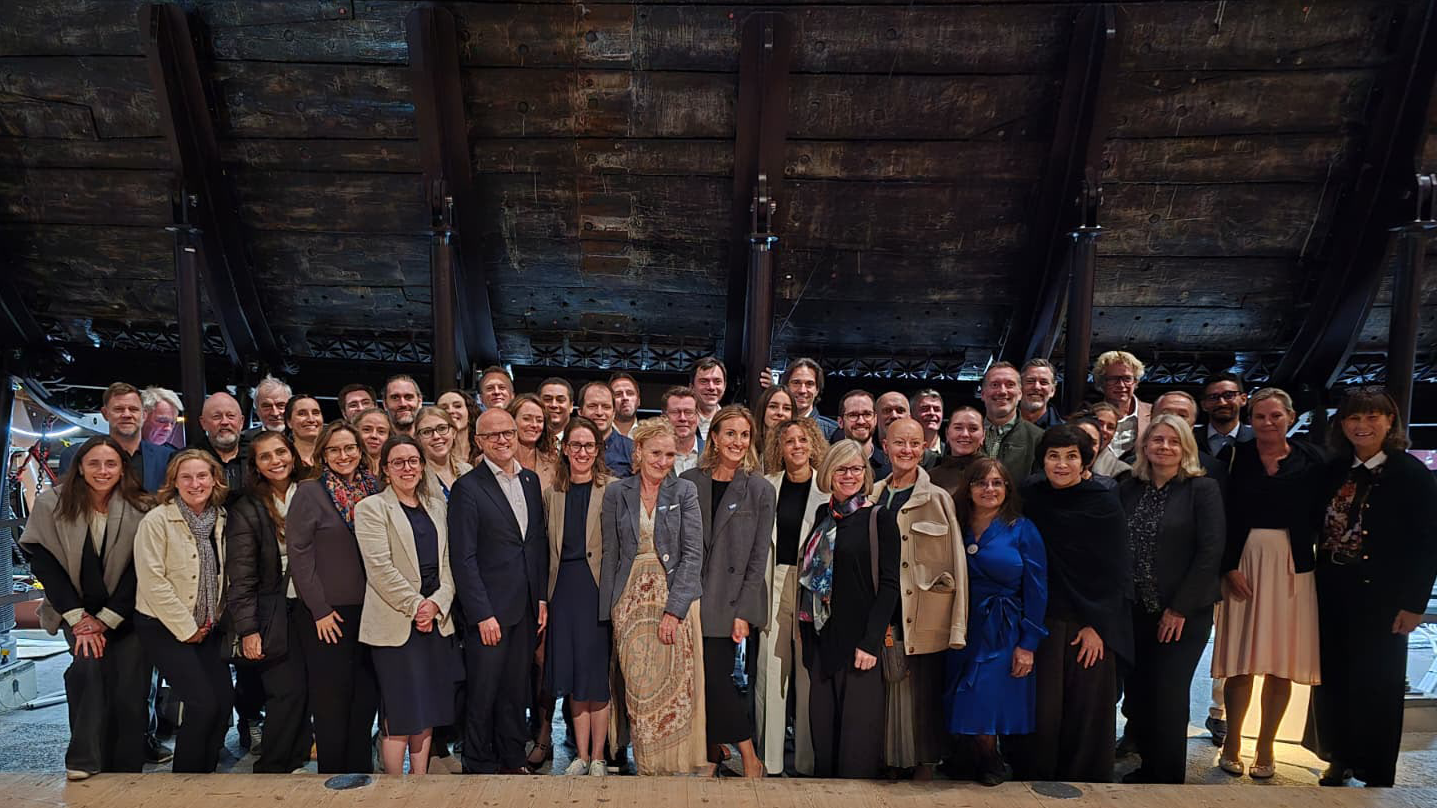
That question was at the heart of the 6th UN Ocean Decade Foundations Dialogue, held September 7–9 in Stockholm, Sweden. The Khaled bin Sultan Living Oceans Foundation joined philanthropic organizations from around the world for three days of discussion, collaboration, and planning focused on accelerating progress during the second half of the UN Decade of Ocean Science for Sustainable Development.

Facilitated by UNESCO’s Intergovernmental Oceanographic Commission (IOC), the UN Ocean Decade Foundations Dialogue is a growing network of more than 30 philanthropic organizations committed to advancing ocean science, collaboration, and action. Since its creation within the framework of the Ocean Decade, the Dialogue has provided foundations with a space to exchange ideas, develop partnerships, and explore how philanthropy can help advance a healthy and resilient ocean.

Hosted by the Voice of the Ocean Foundation (VOTO), this year’s gathering began with From Depth to Action, an Opening Forum that brought nearly 100 leaders from the Swedish and international ocean community together at…

Read More

Meet IFAN: Helping Bring Navigate with Care to the Next Generation

If you’ve ever seen a lighthouse flashing from the shore or a brightly colored buoy bobbing in the water, you’ve seen Aids to Navigation at work.

Aids to Navigation, often called AtoNs, help mariners navigate safely. They can mark channels, warn of hazards, help vessels determine their position, and provide other information people need to make safe decisions on the water. Around the world, these systems help guide everything from small recreational boats to large commercial or container ships. 

But safe navigation isn’t only about protecting vessels and the people aboard them. The choices mariners make can also affect the animals and ecosystems beneath and around them.

That connection between maritime safety and ocean conservation is at the heart of this year’s Science Without Borders® Challenge—and of our partnership with this year’s theme sponsor, the International Foundation for Aids to Navigation (IFAN).

Read More
Privacy Overview

This website uses cookies so that we can provide you with the best user experience possible. Cookie information is stored in your browser and performs functions such as recognising you when you return to our website and helping our team to understand which sections of the website you find most interesting and useful.  You can view our complete Privacy Policy here.

Strictly Necessary Cookies

Most of our cookies are used to improve website security and reduce spam. These cookies should be enabled at all times. They also enable us to save your preferences for cookie settings.

3rd Party Cookies

This website uses Google Analytics to collect anonymous information such as the number of visitors to the site, and the most popular pages. Keeping this cookie enabled helps us to improve our website.