search-icon
Spring has Sprung!

Tonga Coral Education Program (from October 26, 2015)

As the Foundation’s education team left Maryland, fall was settling over the area in its rich orange and yellow hues.  Crossing over the International Dateline and the equator on our way to Tonga, we found the islands in full spring bloom.

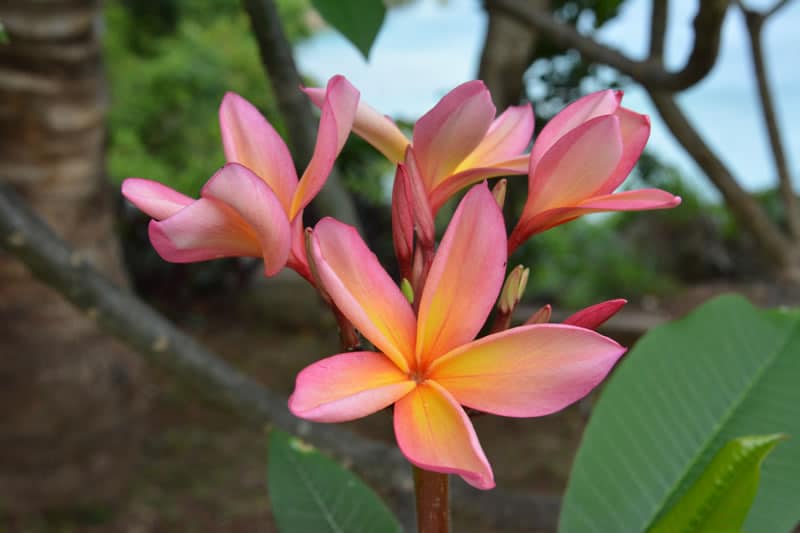
The warmth of the tropics makes it difficult to tell the seasons apart. Plumeria and hibiscus seem to bloom on and off throughout the year. So how can you tell that spring is in the air?
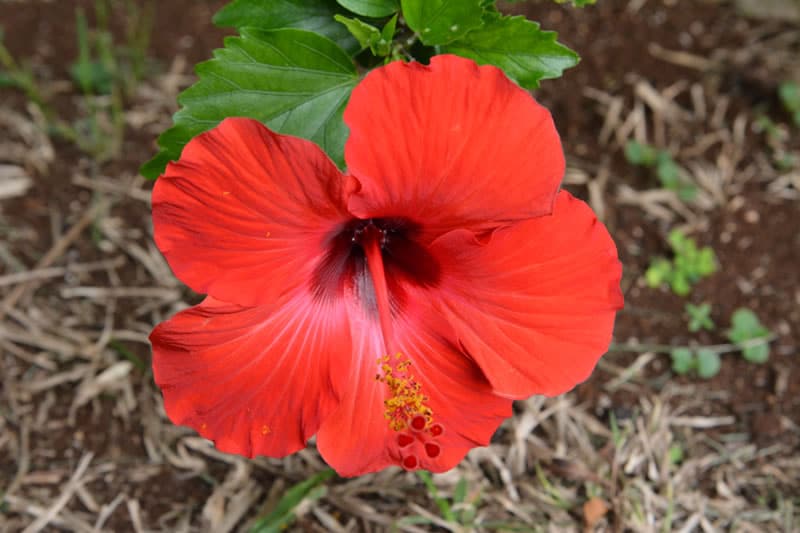
Tonga in spring hibiscus
Tropical islands seem to be full of plumeria (left) and hibiscus (right).

Baby animals… Baby animals, everywhere!

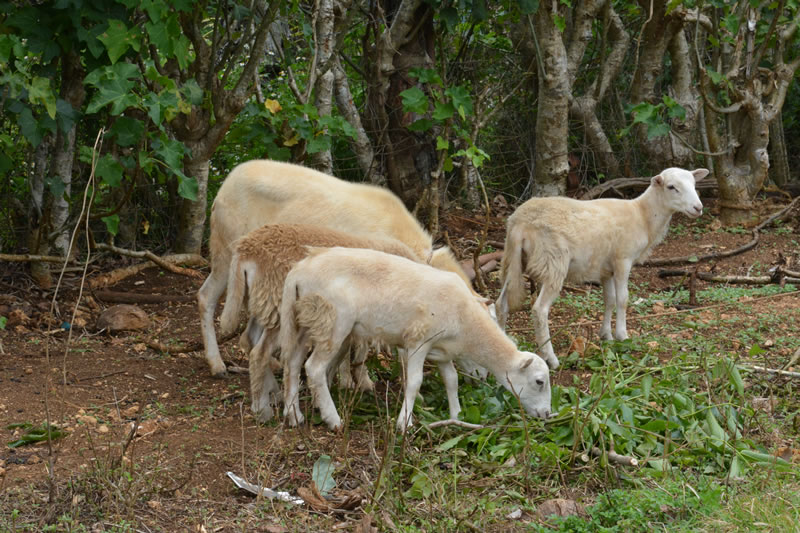
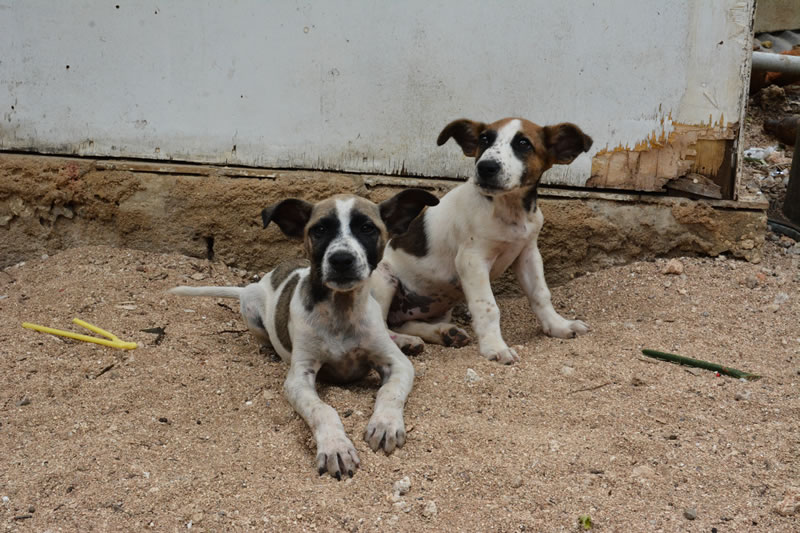
As we have flitted back and forth to various schools on Vava’u, the car has been filled with girlish shrieks of joy as we pass baby pigs, chicks, more piglets, puppies, young cows and goats, and more baby pigs. Since our trip is coming to an end, I am sure ‘Apai is relieved to no longer have to hear us coo “pig, pig, pig!” a hundred times a day.
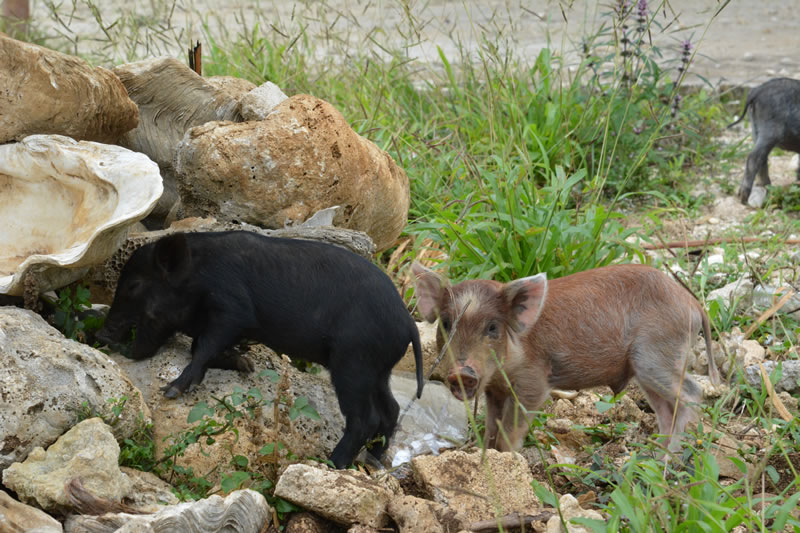
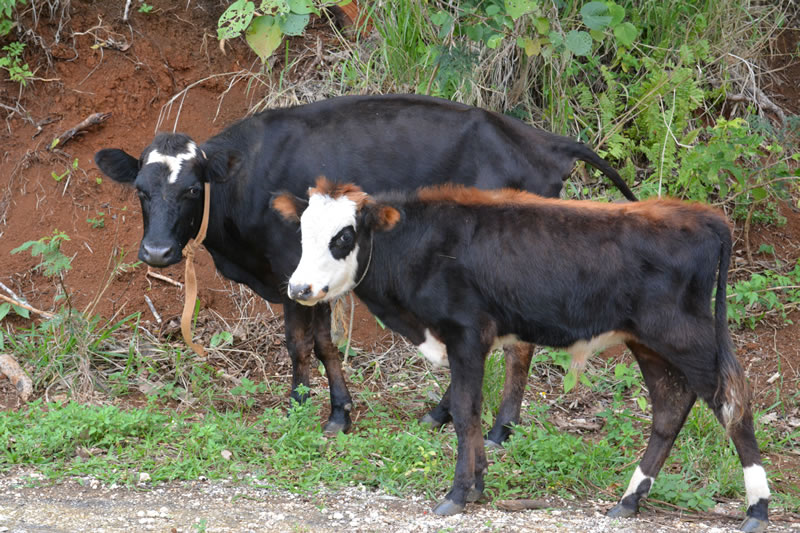
Two baby pigs in Tonga during spring. Cows
The island of Vava’u is teeming with baby animals.
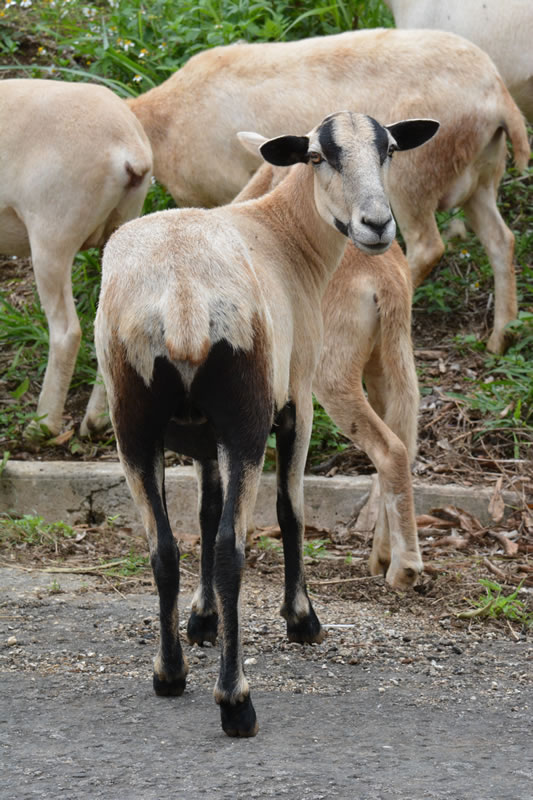
bicolor goat young goats
We saw two different types of goats in our travels.
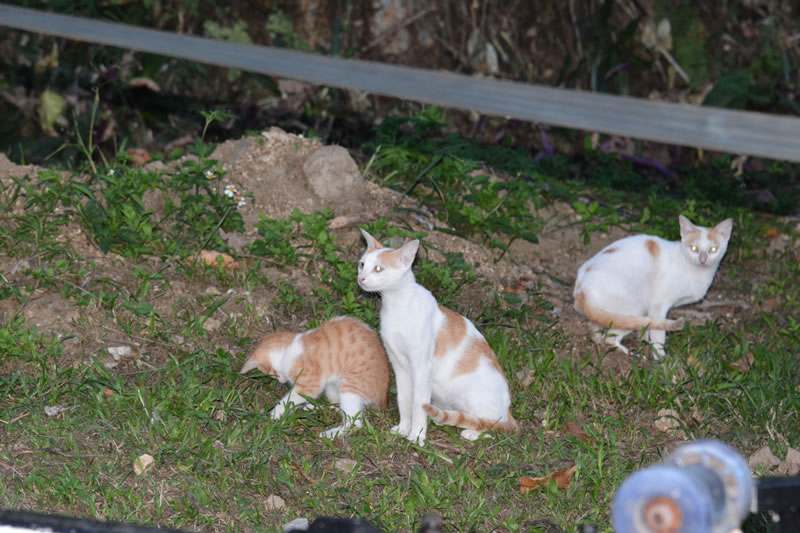
kittens puppies
The kittens and puppies lived up to their stereotypes: the puppies wanted lots of attention (until Mom decided it was her turn), while the kittens were aloof.
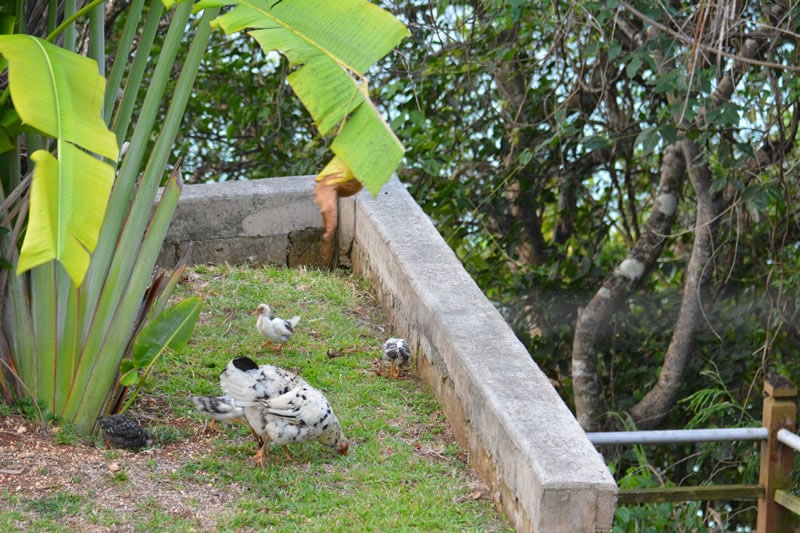
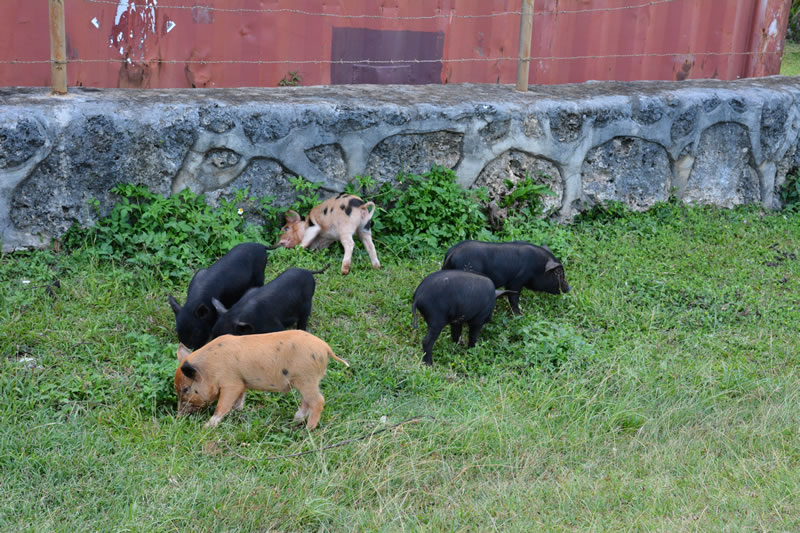
chicks 6 piggies
This momma chicken was a fierce defender of her chicks – despite our fear after some of the feral cat sounds at night, she had five beautiful chicks everyday. It was impossible to get a picture of them all, as she would herd them away any time we tried to get close. Oh, and more piggies!

The numerous animals on the island provide a source of protein. Protein is scarce on the islands. Tongans rely heavily on fisheries and livestock. Agriculture is a necessary addition for the local diet. For more about Tongan livelihoods, check out our blog from a previous mission to Tonga.

Photos by Melinda Campbell and Amy Heemsoth
Related Posts

From Mangrove Mud to Meaningful Work: Desta’s J.A.M.I.N. Journey

Some students I remember for their grades, their quick answers, or a moment that made the whole class laugh. Others I remember for the way they stepped into the mangroves.

Desta was the kind of student who thrived outdoors. While some students hesitated at the edge of the mud, he walked right in. And when he inevitably got stuck — because everyone does — he didn’t get frustrated. He laughed. Covered in mud, holding mangrove propagules in his hands, he embraced the experience fully.

Even then, it was clear that he was connecting with the environment in a way that went beyond the lesson plan…

Read More

From Students to Stewards: A Full-Circle Moment for J.A.M.I.N.

There are certain faces you never forget.

Over the years, hundreds of students have stepped into mangrove forests with us through the Jamaica Awareness of Mangroves in Nature (J.A.M.I.N.) program. I may not always remember every name, but I remember the expressions — the hesitation before stepping into thick mud, the laughter when someone loses a shoe, the look of surprise when they catch that unmistakable sulfur smell rising from the mangrove soil…

Read More
Privacy Overview

This website uses cookies so that we can provide you with the best user experience possible. Cookie information is stored in your browser and performs functions such as recognising you when you return to our website and helping our team to understand which sections of the website you find most interesting and useful.  You can view our complete Privacy Policy here.

Strictly Necessary Cookies

Most of our cookies are used to improve website security and reduce spam. These cookies should be enabled at all times. They also enable us to save your preferences for cookie settings.

3rd Party Cookies

This website uses Google Analytics to collect anonymous information such as the number of visitors to the site, and the most popular pages. Keeping this cookie enabled helps us to improve our website.