Acidic Oceans
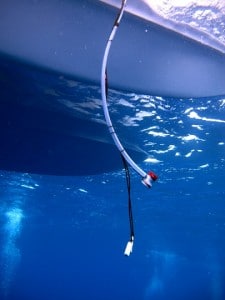
“Ocean acidification” is a term you may have heard in relation to coral reefs. As carbon dioxide increases in the air, the amount in the ocean goes up as well. The increased carbon dioxide makes the ocean water more acidic,


“Ocean acidification” is a term you may have heard in relation to coral reefs. As carbon dioxide increases in the air, the amount in the ocean goes up as well. The increased carbon dioxide makes the ocean water more acidic,
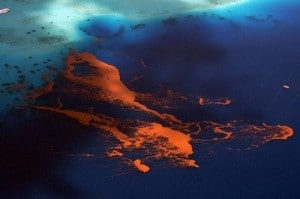
Like other animals, corals need to reproduce to survive. Unlike most other animals, corals are attached to the seafloor and cannot move around to find a mate for coral reproduction. To address this challenge, corals have developed several alternative reproductive
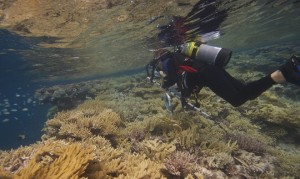
Research dives can be distilled down to lists of what is seen and what is not seen. Surveying the reef means figuring out what is there and what is missing. For the last few days, the science team has been
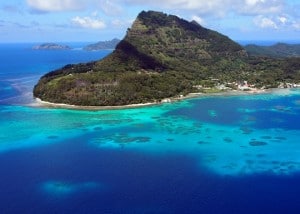
After a 3.5 hour flight on the Golden Eye, we reached Hao to begin our third research mission in French Polynesia at Gambier. Hao is a large (56 km X 15 km), low-lying coral atoll at the southeastern end of
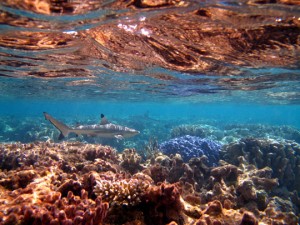
Fish communities in the Tuamotu Archipelago have been much more diverse than in Society Islands, especially on the fore reef. The fish are not only more abundant, but they are larger overall, meaning greater biomass, which is good for reefs

Scientific research is the bread and butter of the Living Oceans Foundation, but public outreach is another key component of our work. During the last two weeks that we have been researching in the Tuamotu Archipelago, we have been joined by a
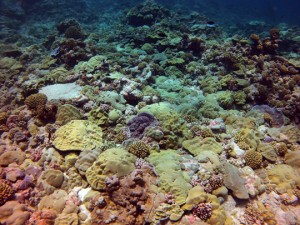
After two weeks, we’ve completed reef assessments around Rangiroa, Aratika, and Raraka and are now examining Fakarava. Tuamotu reefs are dramatically different from Society Islands. Besides the near absence of crown of thorns seastars (we’ve seen a handful in the
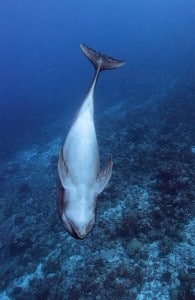
We spent three days at the beautiful Rangiroa atoll. If you read the Aerial Reconn blog, then you will know that this atoll is large. It is so large that when you are in the center, you are unable to
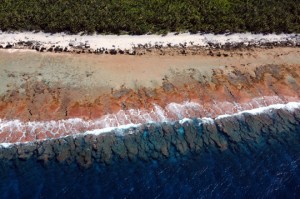
Our coral reef research in the Tuamotu archipelago began with an aerial survey, at an elevation of 500-1000 feet above sea level, using the Golden Eye seaplane. The Tuamotu islands constitute the largest archipelago in French Polynesia, spanning an area
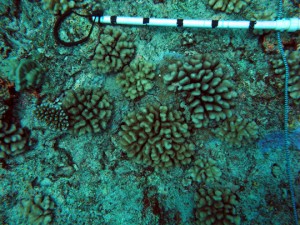
For the last week, the Global Reef Expedition scientists have been diving and surveying the leeward side of fore reefs around Raiatea, French Polynesia, focusing their efforts on the reef slope. This particular reef community changes its structure along a