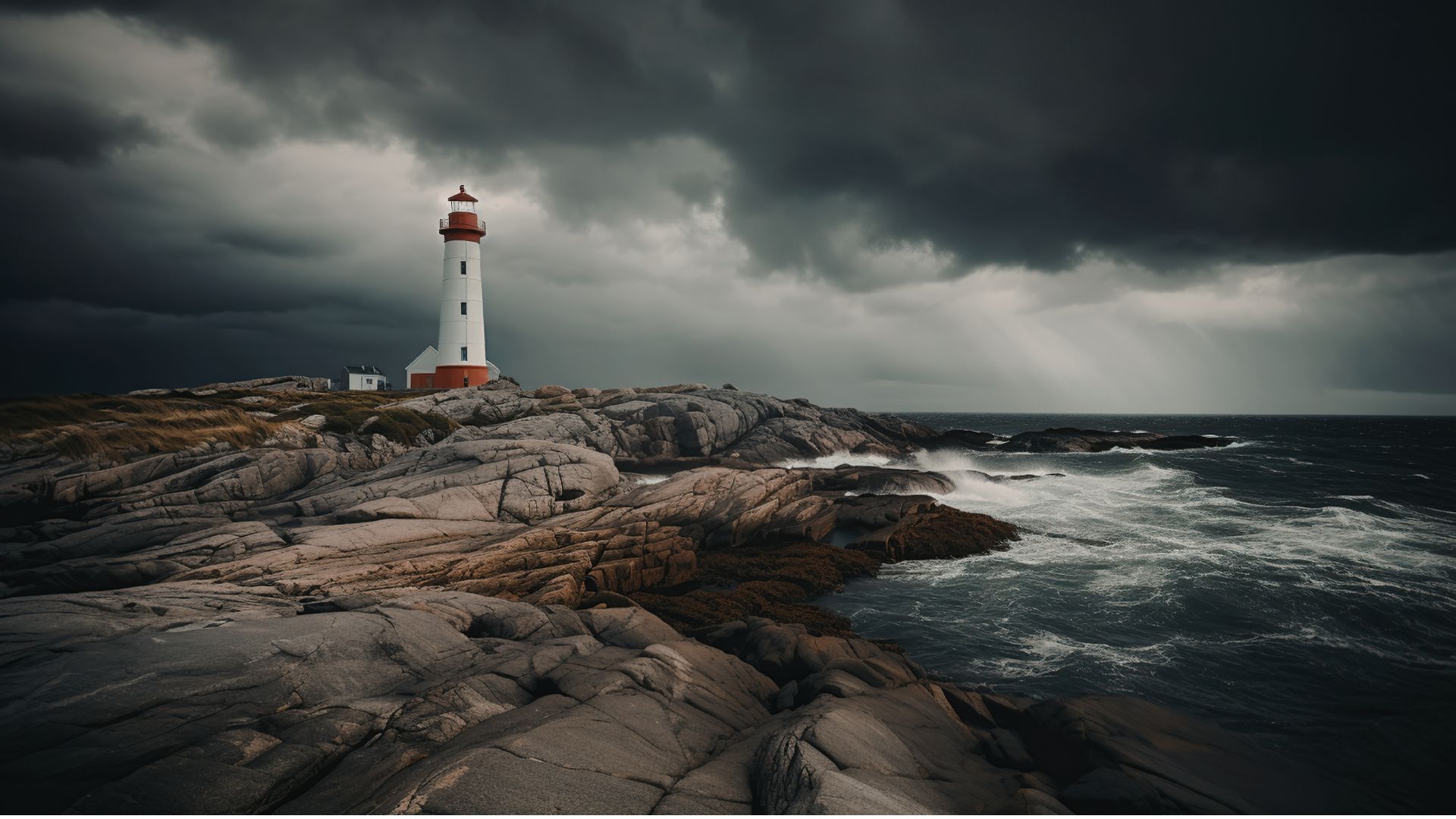
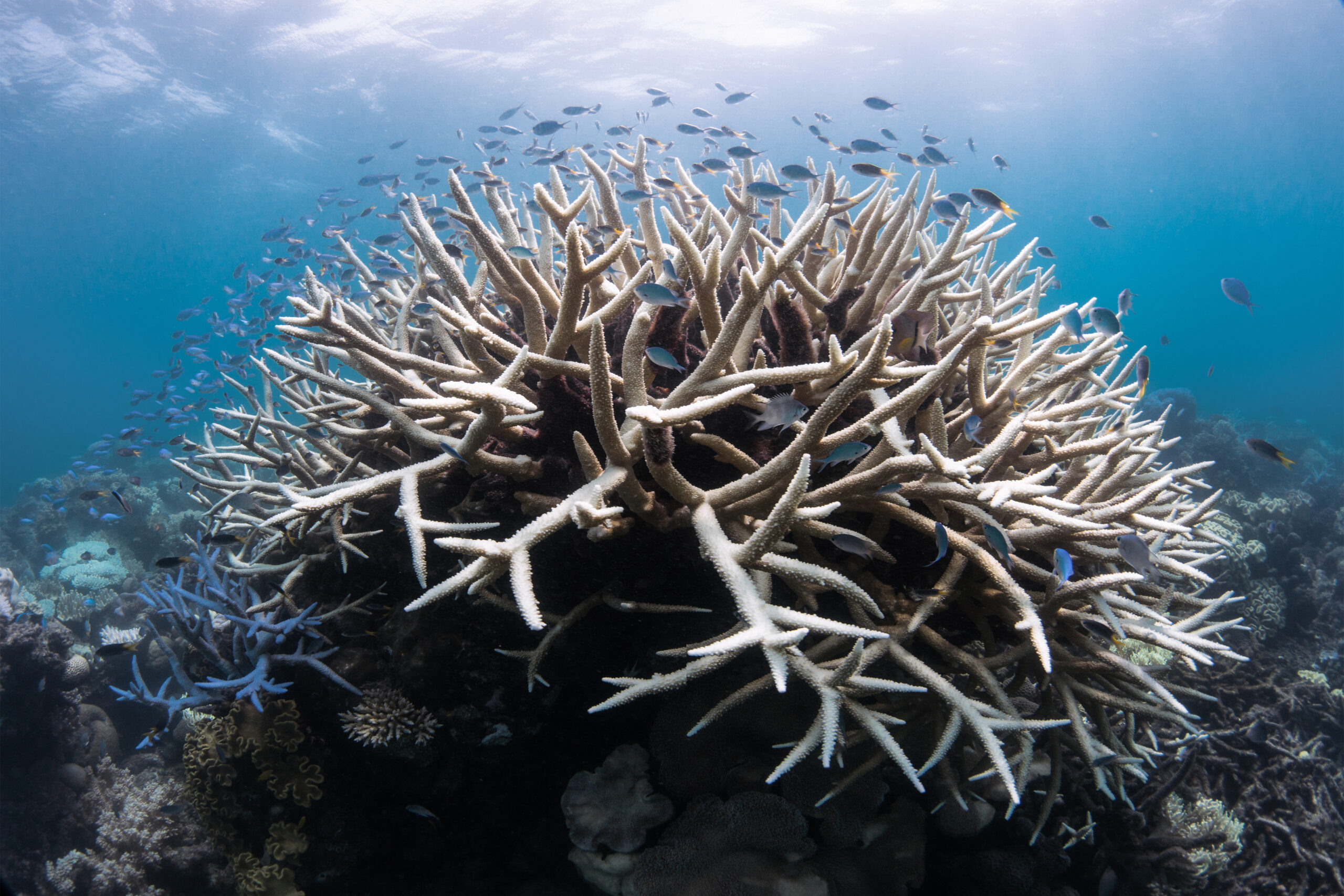
The Khaled bin Sultan Living Oceans Foundation works on a global scale to improve our understanding of coral reef health and the ecological integrity of coral reef ecosystems. Pollution, coastal development, overfishing, climate change, disease, and predation can negatively impact coral reefs. To see how reefs change over time as a result of these and other factors, scientists set up “Legacy sites”, observational areas that can be compared over time. These sites can provide incredible insight into the future of coral reefs, and their resiliency to ecological disturbances.
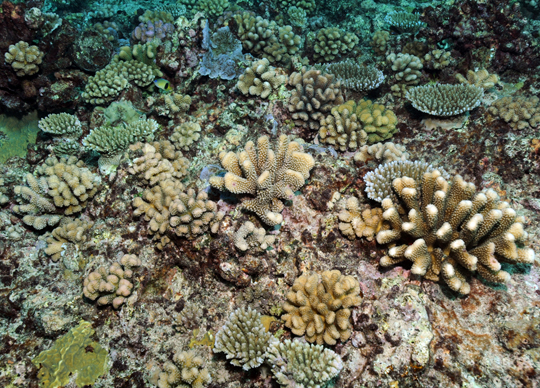
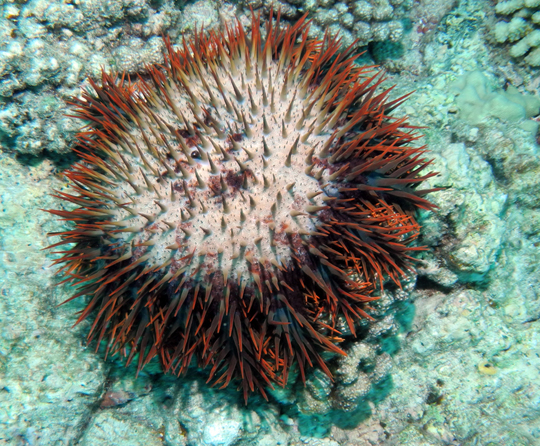
The Living Oceans Foundation has set up Legacy sites in six locations: two in the Bahamas, two in St. Kitts, and two during our current mission to the Society Islands of French Polynesia. The ones in the Society Islands were chosen because of the amount of visible damage done by the crown of thorns sea star (COTS), a destructive coral predator. By returning to the Legacy site in five years, the Foundation can assess whether the reef can rebound from these types of predators.
Laying out the ten square meter Legacy sites quadrat is an impressive endeavor involving the cooperation of several researchers. I floated above the site as Dr. Bruckner measured out the area to be studied. Divers carefully hammered four metal stakes into the rock foundation to permanently mark the corners of the site, and installed a meter that records temperature every 30 minutes for the next five years. Other researchers began collecting visual data of the reef biodiversity, including the cover of coral and algae, benthic properties, and fish density. Several hundred overlapping high resolution photographs were taken of the entire Legacy site to create a mosaic that will serve as a permanent visual record of the baseline condition of the site when first established. The dive team worked together with the precision of a symphony.

As I observed them, I began to ponder the name, Legacy Site. My thoughts moved from scientific to personal. What will be our legacy? Will these reefs disappear? How will future generations be affected by the loss? Given the current decline in coral reefs, a part of me worries about what these sites will show us in five years. But then again, as more organizations such as the Living Oceans Foundation continue to work towards coral reef protection and preservation, the Legacy sites may document the positive results of our efforts – a legacy worth passing on. Only time will tell.

(Photos by: 1 and 2 Dr. Andrew Bruckner, 3 and 4 Candice Jwaszko)
To follow along and see more photos, please visit us on Facebook! You can also follow the expedition on our Global Reef Expedition page, where there is more information about our research and team members.