This World Oceans Day, the global community is being challenged to think differently about the ocean.
The 2026 World Oceans Day theme, “Reimagine: Beyond the World We Know, A New Relationship With Our Ocean,” invites us to recognize that the ocean is not something distant or separate from our lives. It regulates our climate, supports our economies, provides food for billions of people, and sustains the natural systems that make life on Earth possible.
Few places illustrate this connection more clearly than the coastal ecosystems that protect our shores and support marine life. While coral reefs, mangrove forests, and seagrass meadows are often discussed separately, they are deeply interconnected. Together, they form a network that supports biodiversity, strengthens coastal resilience, stores carbon, and helps communities adapt to a changing climate.
In many tropical regions, fish and other marine species move between these habitats throughout their lives, relying on each ecosystem at different stages of development. When one ecosystem thrives, it strengthens the others. When one is lost, the impacts can ripple throughout the entire coastal environment.
Coral reefs, mangroves, and seagrass meadows are among the most valuable ecosystems on Earth. Protecting them is not only about conserving nature—it is about safeguarding the systems that protect and sustain us.
Coral Reefs: Nature’s Coastal Defenders
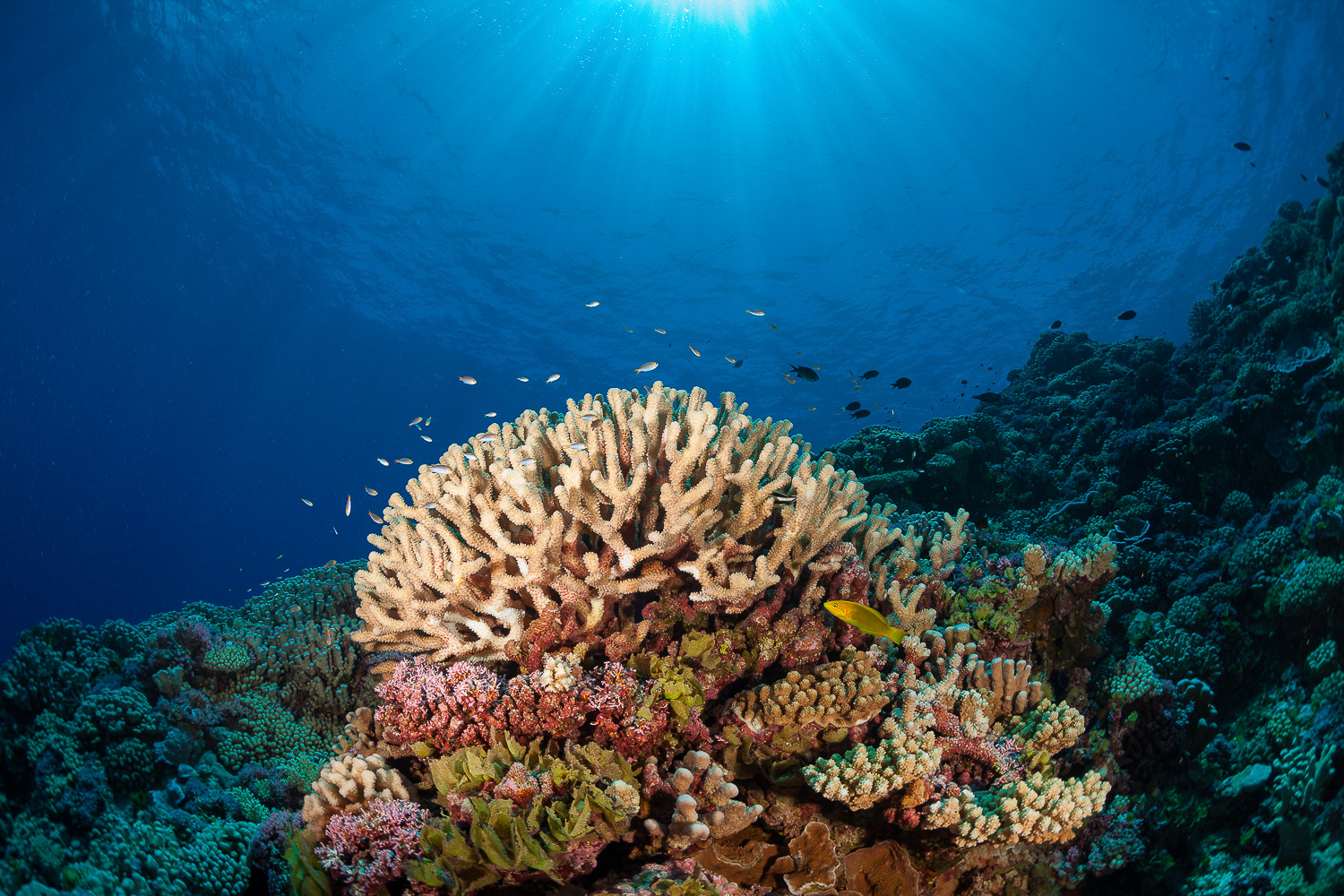
Coral reefs are often called the rainforests of the sea, and for good reason. Although they cover less than one percent of the ocean floor, they support approximately one-quarter of all marine species.
These vibrant ecosystems provide habitat for fish and other marine life, support fisheries that millions of people depend upon for food and income, and contribute billions of dollars annually to tourism economies around the world.
Coral reefs also serve as natural barriers that help protect coastlines from waves, storms, and erosion. By absorbing wave energy before it reaches shore, reefs help reduce flooding and damage to coastal communities.
Through the Global Reef Expedition, one of the largest coral reef survey and mapping efforts in history, the Khaled bin Sultan Living Oceans Foundation mapped and surveyed more than 1,000 reefs across the Atlantic, Pacific, and Indian Oceans. The data collected during the expedition continues to support scientific research, conservation planning, and reef management around the world.
As climate change, overfishing, coastal development, and other threats place increasing pressure on coral reefs, understanding and protecting these ecosystems has never been more important.
Mangroves: Protecting Communities from the Ground Up
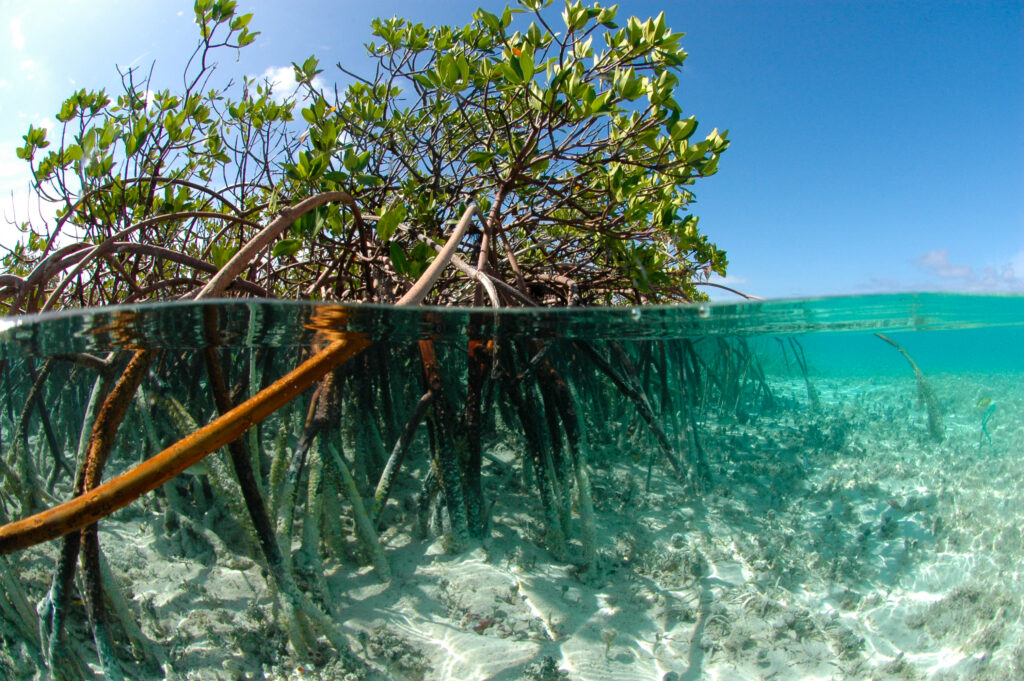
Mangrove forests occupy the narrow zone where land meets sea, but their impact reaches far beyond their roots.
These remarkable ecosystems help stabilize shorelines, reduce erosion, and provide protection from storms and storm surge. During hurricanes and other extreme weather events, mangroves act as natural buffers that help lessen impacts on coastal communities.
Mangroves are also important nursery habitats for fish, crustaceans, and other marine species. In addition, they are among the world’s most effective natural carbon sinks, storing significant amounts of carbon in their soils and helping mitigate the effects of climate change.
The Foundation’s mangrove education and restoration programs help connect communities with these critical ecosystems. Through initiatives such as the Bahamas Awareness of Mangroves (B.A.M.) and Jamaica Awareness of Mangroves in Nature (J.A.M.I.N.) programs, students gain firsthand experience exploring mangrove habitats and learning about their ecological importance.
This year, the Foundation celebrated ten years of the B.A.M. program in Abaco, a milestone that reflects a decade of environmental education, stewardship, and community partnership. By helping students understand how mangroves protect their communities, these programs are cultivating the next generation of ocean stewards.
Seagrass Meadows: Unsung Heroes of the Ocean
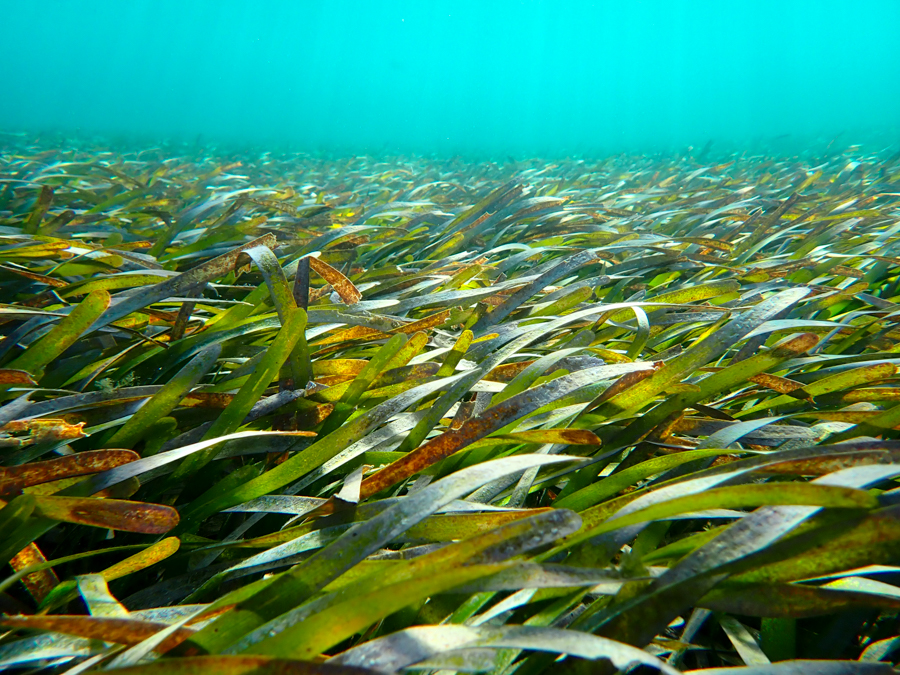
Seagrass meadows may not receive the same attention as coral reefs or mangrove forests, but they play an equally important role in maintaining healthy coastal ecosystems.
Found in shallow waters around the world, seagrasses provide habitat and feeding grounds for a wide range of marine species, including sea turtles, fish, and invertebrates. They help improve water quality by trapping sediments and filtering nutrients, making coastal waters clearer and healthier. Seagrasses are also powerful allies in the fight against climate change. Like mangroves, they capture and store large amounts of carbon, helping to reduce the amount of carbon dioxide in the atmosphere.
Despite their importance, seagrass meadows are disappearing at an alarming rate due to coastal development, pollution, and other human impacts. Protecting these habitats is essential to maintaining healthy oceans and resilient coastal communities.
In order to help people better understand and appreciate these incredible ecosystems, the Living Oceans Foundation is developing a curriculum to teach students about seagrass meadows and their role in preserving the health of nearby coastal marine ecosystems.
Reimagining Our Relationship with the Ocean
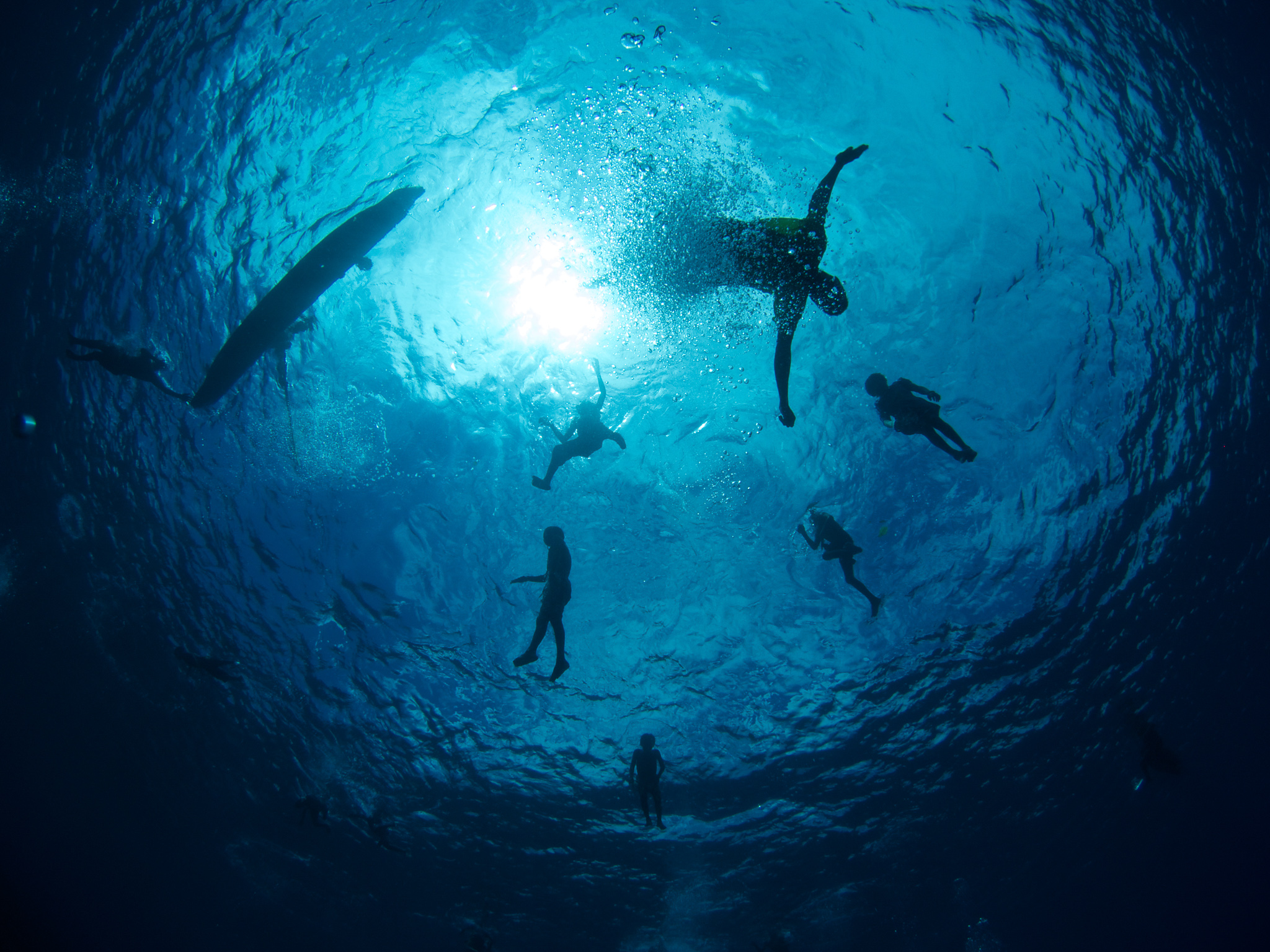
The 2026 World Oceans Day theme challenges us to think differently about our connection to the sea.
Coral reefs, mangrove forests, and seagrass meadows are more than habitats. They are natural infrastructure that protects communities, supports livelihoods, stores carbon, and sustains biodiversity. They remind us that the health of people and the health of the ocean are deeply intertwined.
At the Khaled bin Sultan Living Oceans Foundation, our work is rooted in this understanding. Whether mapping coral reefs, restoring mangrove habitats, educating students, or advancing marine science, we are working to better understand and protect the ecosystems that protect us.
Reimagining our relationship with the ocean begins with recognizing that we are not separate from it. We are connected to it, dependent on it, and responsible for its future.
This World Oceans Day, we invite you to take a moment to appreciate the ocean and the ecosystems that sustain life on our blue planet—and to consider how each of us can help protect them for generations to come.

World Oceans Day 2026
World Oceans Day is celebrated annually on June 8 to recognize the importance of the ocean and inspire action to protect it. This year’s theme, “Reimagine: Beyond the World We Know, A New Relationship With Our Ocean,” encourages people around the world to rethink their connection to the sea and become active stewards of our blue planet.
Learn more about World Oceans Day, explore educational resources, and discover ways to get involved.